
Translation from Van Laer, Register of the Provincial Secretary, Volume III, 1648-1660, doc. 30b, pg. 82 Before me, Cornells van Tienhoven, secretary of New Netherland, appeared...
On February 25, 1644, eleven enslaved men and their wives were granted half-freedom by the Dutch West India Company after petitioning the Council, citing long service and broken promises.
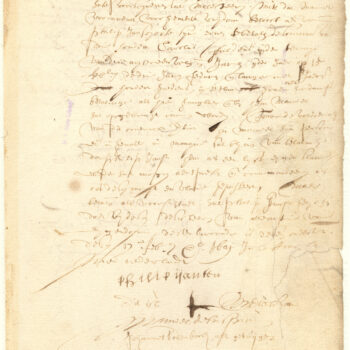
Translation from Van Laer, Council Minutes, Volume IV, 1638-1649, doc. 183, pg. 212-213 The 25th of February We, Willem Kieft, director general, and the council...
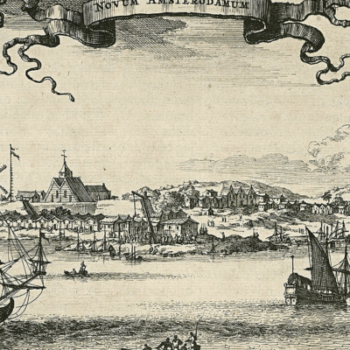
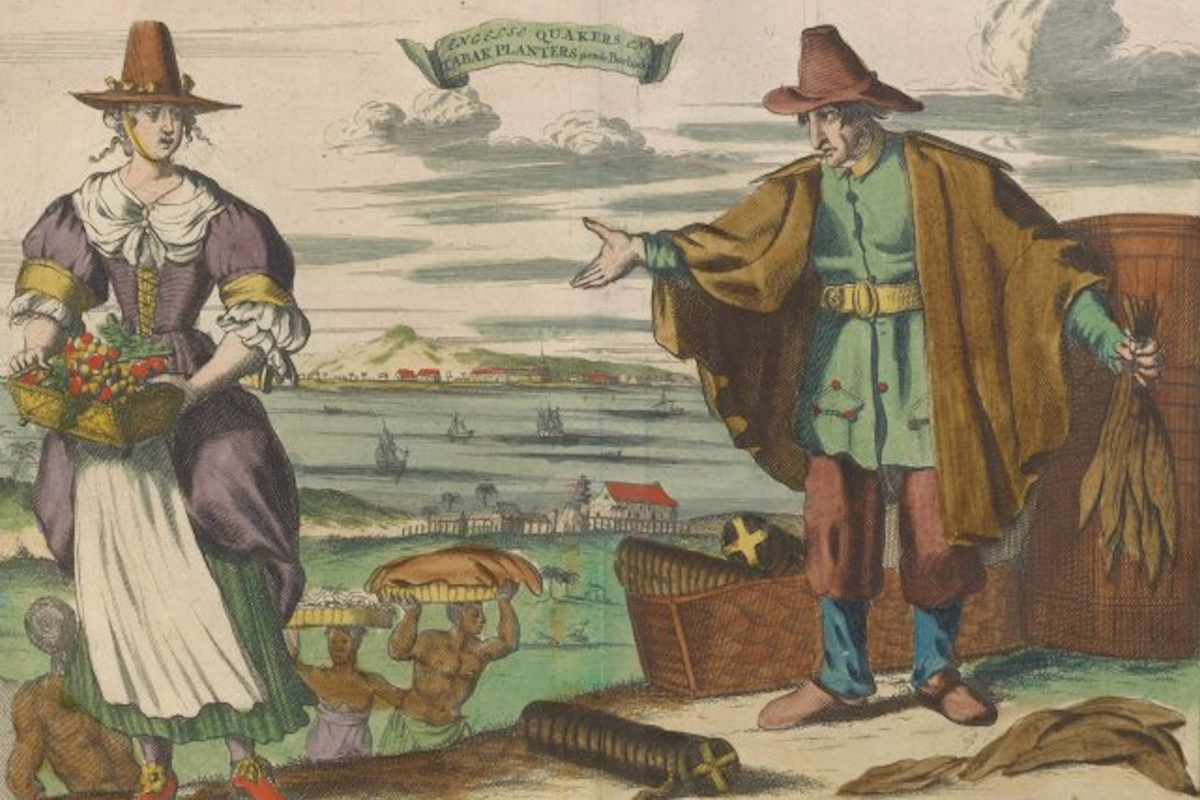
Unlike the plantation systems of the southern and Caribbean colonies, New Netherland's economy did not rely on a cash crop cultivated by unfree laborers. Nevertheless, the enslaved population proved very valuable to the colony's growth and development.
Unlike the plantation systems of the southern and Caribbean colonies, New Netherland's economy did not rely on a cash crop cultivated by unfree laborers. Nevertheless, the enslaved population proved very valuable to the colony's growth and development.
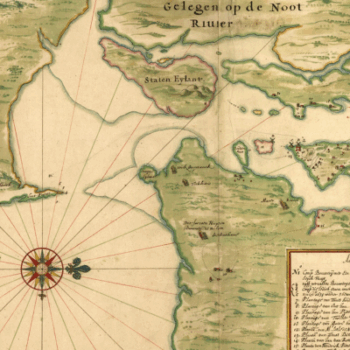
15 November 1664. Letter. “Vice-director Beck to Stuyvesant; negro children whom Mrs. Stuyvesant had baptized, sent to Curaçao and then sold through mistake to the...
Church Records Old Bergen Church, Jersey City BAPTISMS from 1 January 1666 to 1 February 1789. Translation: HSY, (1913) 20-108 MARRIAGES from 3 December 1665...
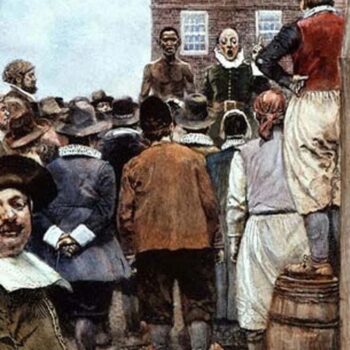
Most of New Netherland's enslaved people were brought to the colony either through the inter-colonial or transatlantic slave trade. The first enslaved laborers arrived in New Netherland as early as 1625.
Translation from Gehring, Council Minutes, Volume V, 1652-1654, doc. 17, pgs. 11-12 [Monday the 12th of February 1652 at Fort Amsterdam, present the director-general, La Montagne and...
Volume V – Council Minutes, 1652–1654 PDF – Volume 5 – Council Minutes, 1652-1654 translation (scanned book images) The council minutes document civil and criminal...