
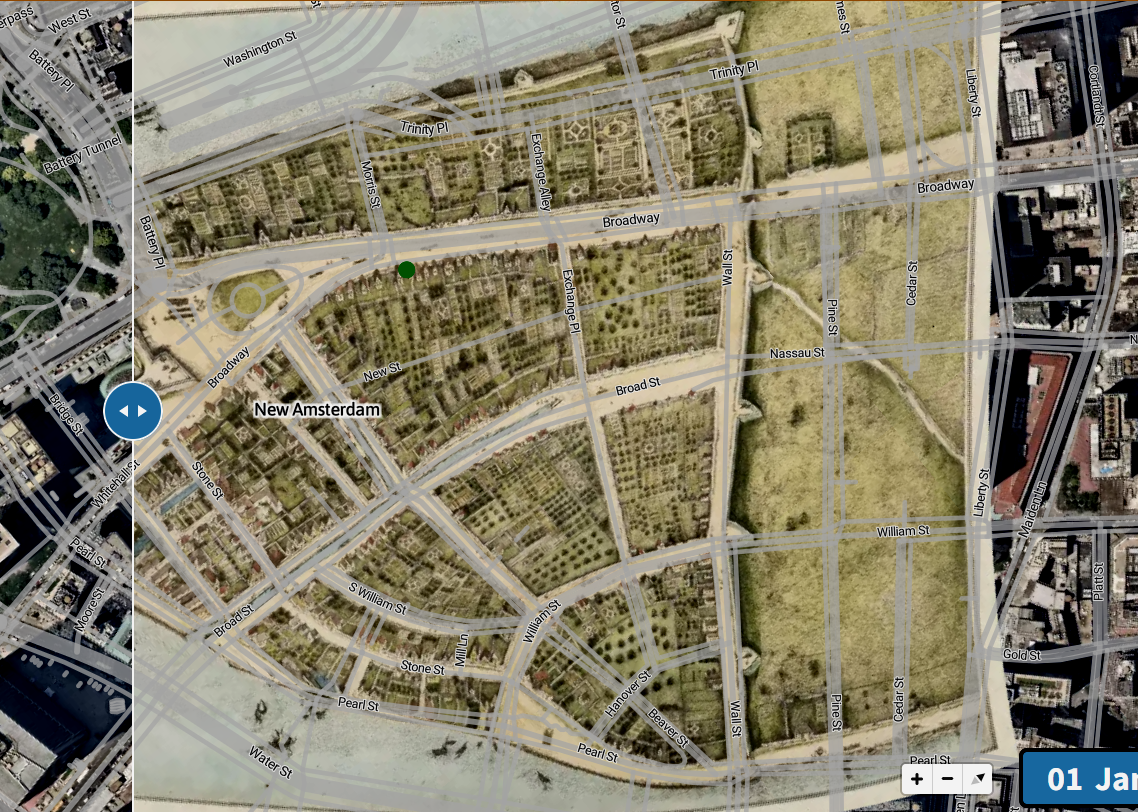
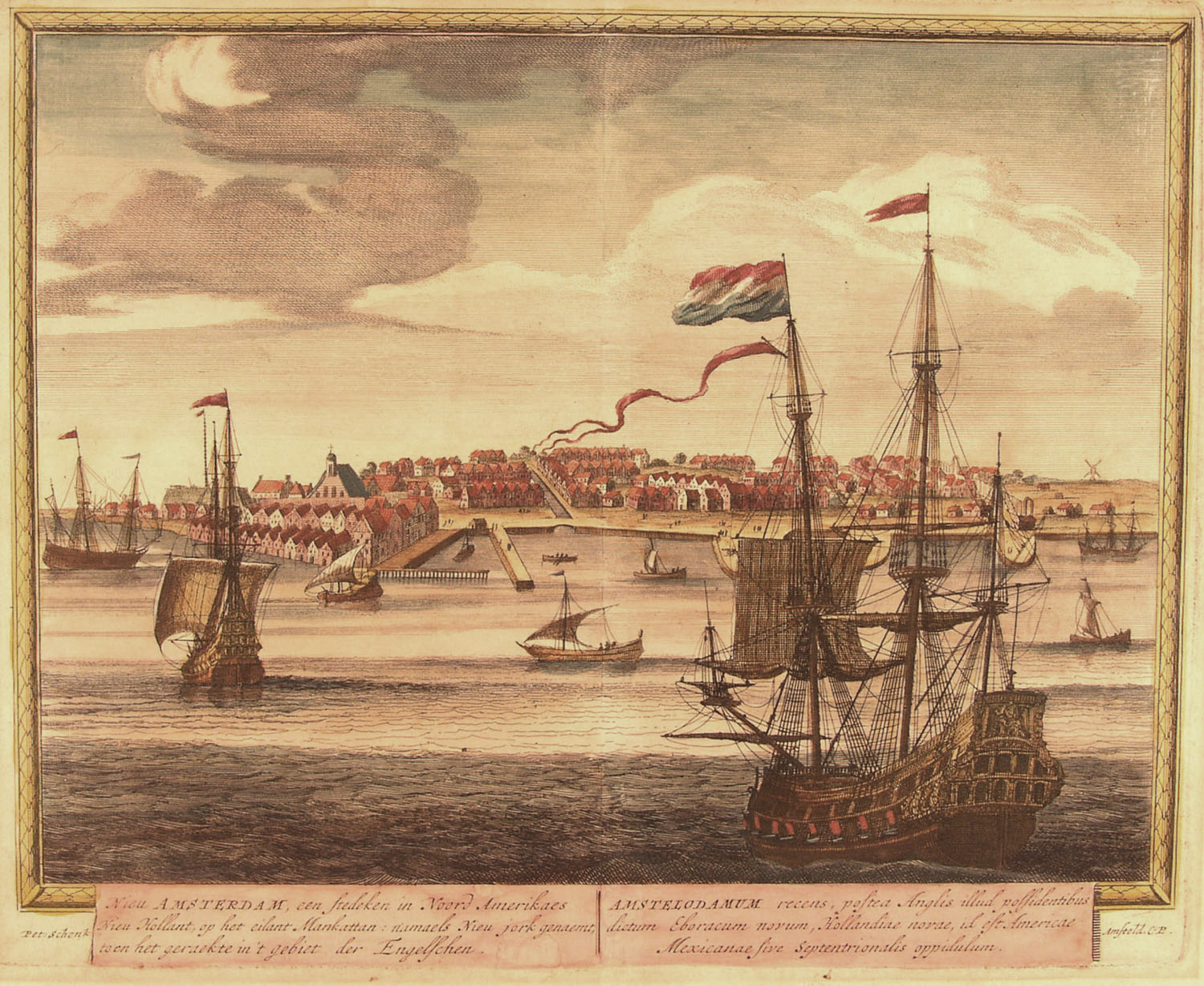

Manumission of Manuel the Spaniard by Philip Jansz Ringo, 17 February 1649
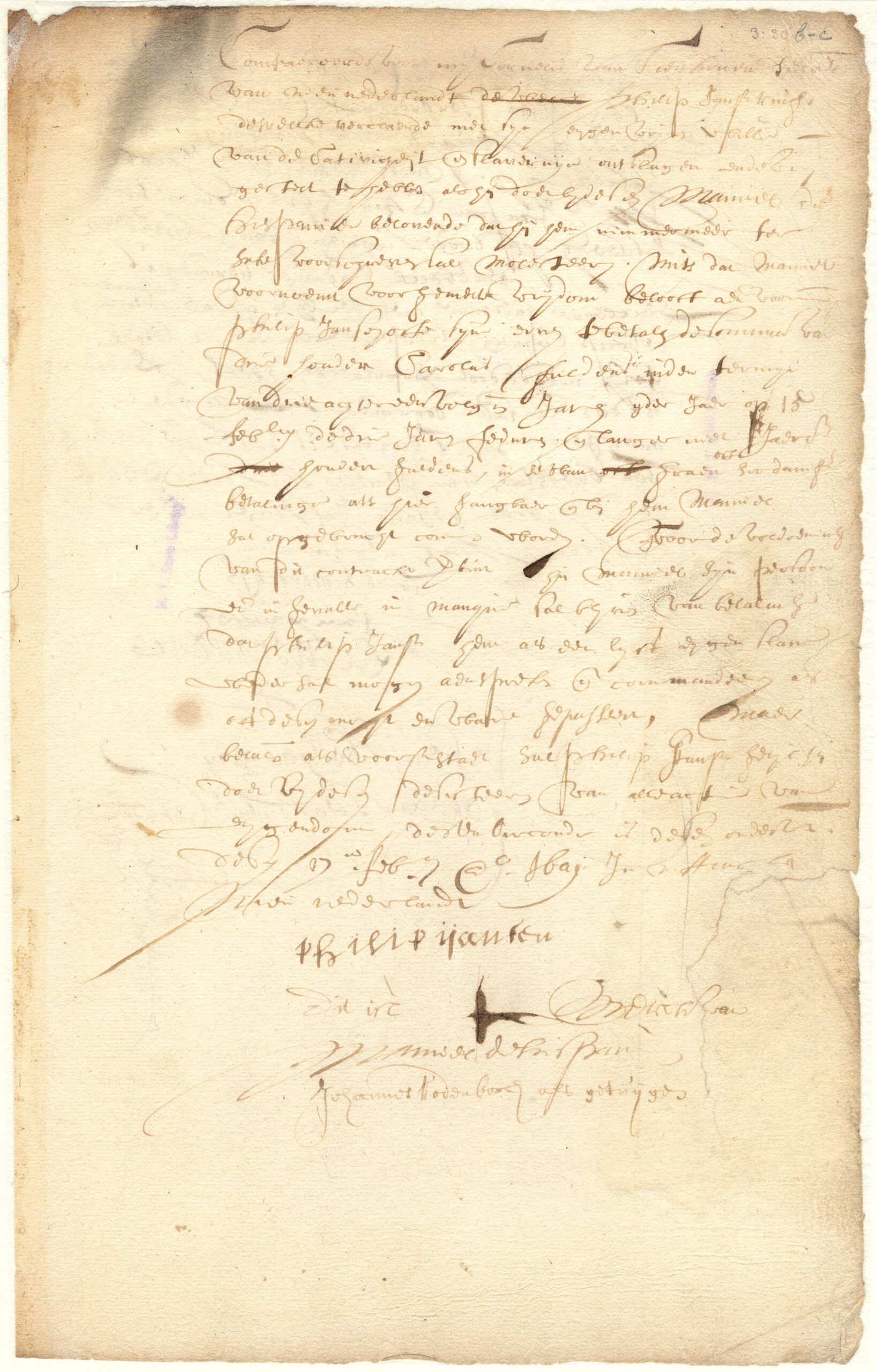 Before me, Cornells van Tienhoven, secretary of New Netherland, appeared Philip Jansz Ringo, who declared that of his own free will he released and liberated from servitude and slavery, as he hereby does [release and liberate], Manuel the Spaniard, promising that he shall nevermore molest him on account thereof, provided that the above named Manuel promises to pay the aforesaid Philip Jansen or his heirs for said freedom the sum of three hundred Carolus guilders within the term of three consecutive years, one hundred guilders on the 15th of February of each year during the three years and no longer, in seawan, grain or such pay as is current here and can be raised by him, Manuel. For the fulfilment of this contract he, Manuel, binds his person and, in case he fail in the payment, Philip Jansz shall have power to reclaim and command him as bond-slave, as if this had never been executed. But in case of payment as above mentioned, Philip Jansz shall, as he hereby does, relinquish all right of ownership. In testimony whereof this is signed this 17th of February A° 1649. in New Amsterdam, New Netherland.
Phillip Yansen
This is the X mark of Manuel the Spaniard, Johannes Rodenborch, witness