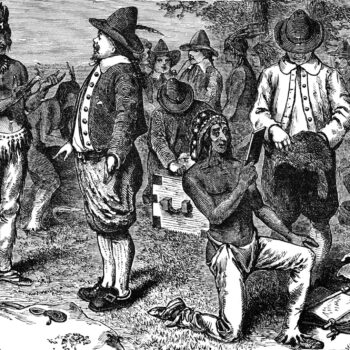
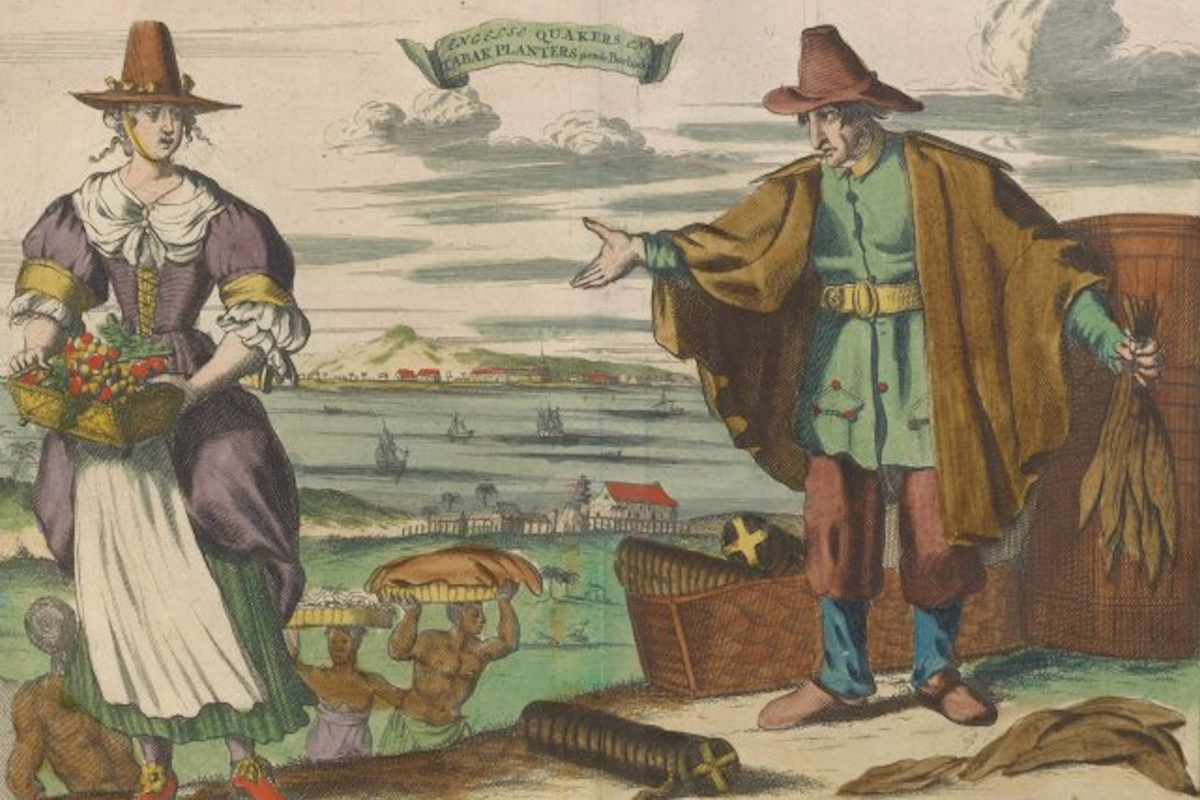
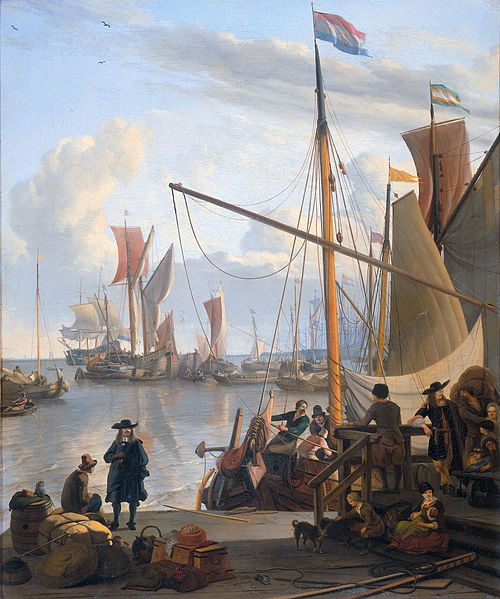

In recent years, the enslavement of Indigenous people by Europeans across the Americas has received renewed attention from scholars. However, when it comes to the Dutch colonies, only in studies of the Guiana region does Dutch Indigenous slavery appear as a significant factor.
A closer look at Dutch life in St. Thomas reveals surprising parallels in language, religion, and daily life, offering new insight into the enslaved community of New Netherland.

An unmatched expert in the language of New Netherland, Gehring is retiring after 50 year interpreting colonial Dutch to explain the lives of New York’s earliest European settlers.
The credit for golf in its modern form is generally given to the Scots, but they certainly did not invent it from scratch.
The credit for golf in its modern form is generally given to the Scots, but they certainly did not invent it from scratch.
When Kiliaen van Rensselaer purchased the land for his patroonship on the upper Hudson in 1631, Fort Orange--the Dutch West India Company's permanent trading post in the region--was seven years old.
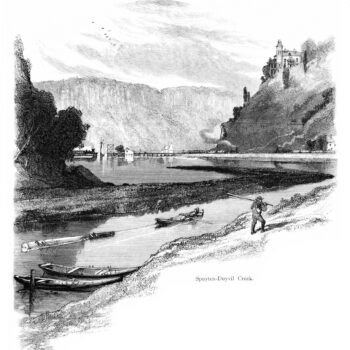
Perhaps the most peculiar name of a neighborhood in the Bronx—thee northernmost of the five boroughs of New York City— is Spuyten Duyvil.
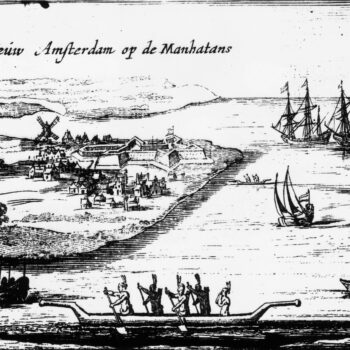
One the many myths that blur the story of the Dutch “purchase” of Manhattan—one that is firmly cemented in the popular psyche—says that the price was mere “beads and baubles.”
Whatever you believe to be true about the Dutch acquisition of Manhattan—notably the tale of the baubles and beads and the $24—there is another broader myth that underlies all of this.
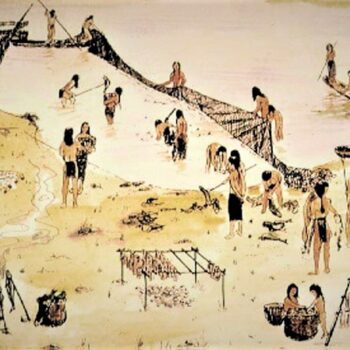
One the many myths that blur the story of the Dutch “purchase” of Manhattan—one that is firmly cemented in the popular psyche—says that the price was mere “beads and baubles.”