


September 15, 2026 The program for the New Netherland Institute’s Annual Conference, New Netherland and the World, is live now. I’ll be talking about this...
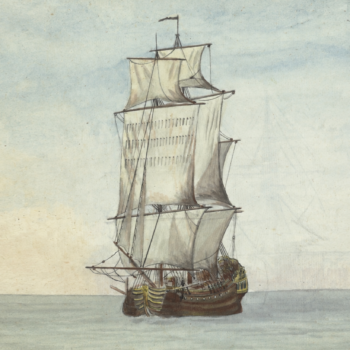
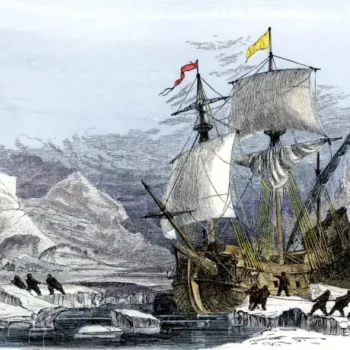
The famous Dutch navigator, cartographer, and explorer Willem Barentsz led three expeditions into the Arctic in the last years of the sixteenth century in search of a northeastern trade route to Asia. Accompanying Barentsz on the first two voyages was a Dutch navigator whose name has not survived to the present day with such prominence as his fellow explorer. Unlike Barentsz, no sea was named for Cornelis Corneliszoon Nay, who is known to history through his association with two of the Barentsz expeditions.
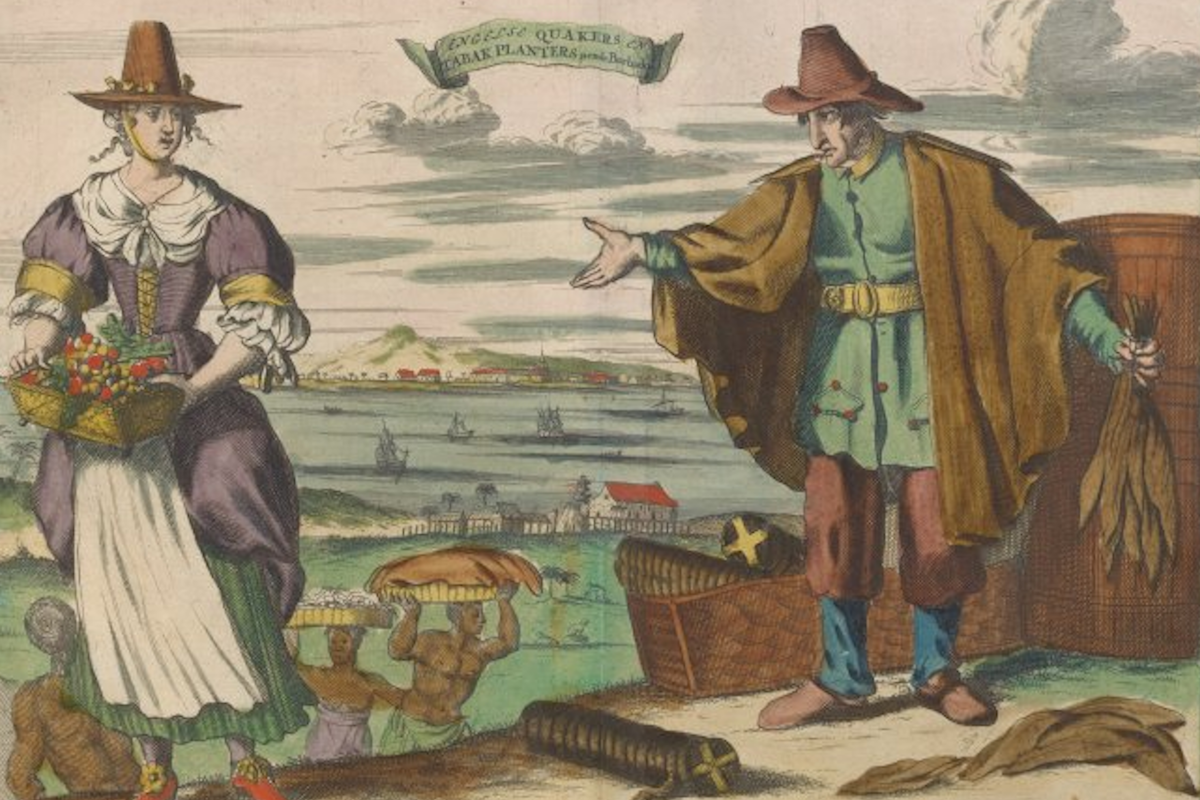
Colonel Richard Nicolls, conqueror of New Netherland and first Governor of New York (1664-1668), won the approval of the Dutch inhabitants by granting them a remarkable degree of personal freedom and local autonomy. Although he required greater conformity from the English settlements in the colony, he exhibited patience and understanding toward their residents, most of whom were Puritans and Quakers, distrustful of royal commissioners such as Nicolls.
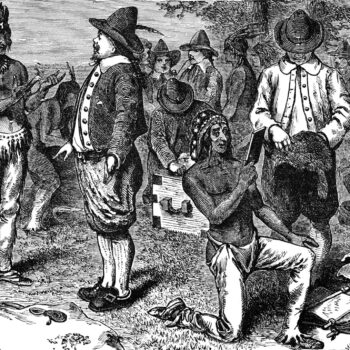
One the many myths that blur the story of the Dutch “purchase” of Manhattan—one that is firmly cemented in the popular psyche—says that the price was mere “beads and baubles.”
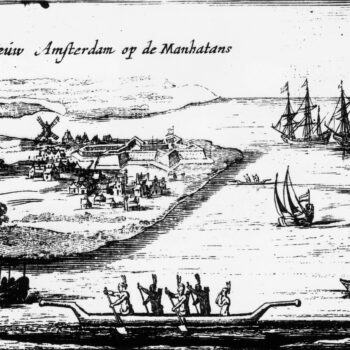
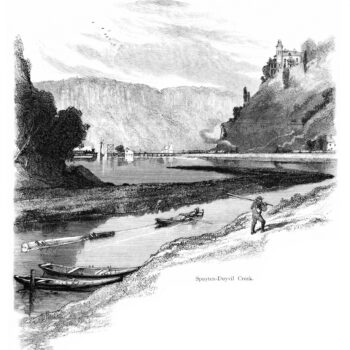
Perhaps the most peculiar name of a neighborhood in the Bronx—thee northernmost of the five boroughs of New York City— is Spuyten Duyvil.
This volume of land papers from the “Colonial Manuscripts” in the New York State Archives comprises translations of three Dutch record books lettered GG, HH...
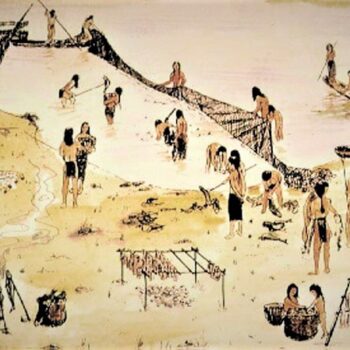
Whatever you believe to be true about the Dutch acquisition of Manhattan—notably the tale of the baubles and beads and the $24—there is another broader myth that underlies all of this.
The New Netherland Institute announces a new research resource that focuses on enslavement in
the New Netherland Colony and Early New York.
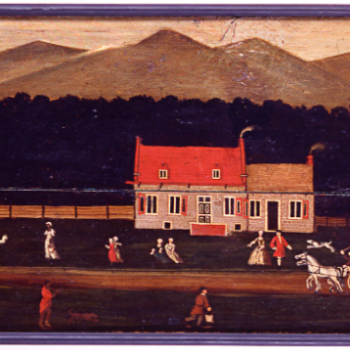
One the many myths that blur the story of the Dutch “purchase” of Manhattan—one that is firmly cemented in the popular psyche—says that the price was mere “beads and baubles.”