
Steve Yzerman (born 1965) is a Canadian hockey legend who captained the Detroit Red Wings to three Stanley Cup championships and became one of the NHL’s greatest scorers, later serving as an executive in professional hockey.

William W. Van Wyck (1777–1840) was a New York farmer and politician who served two terms in the U.S. House of Representatives from 1821 to 1825 and chaired the House Committee on Post Office Expenditures.
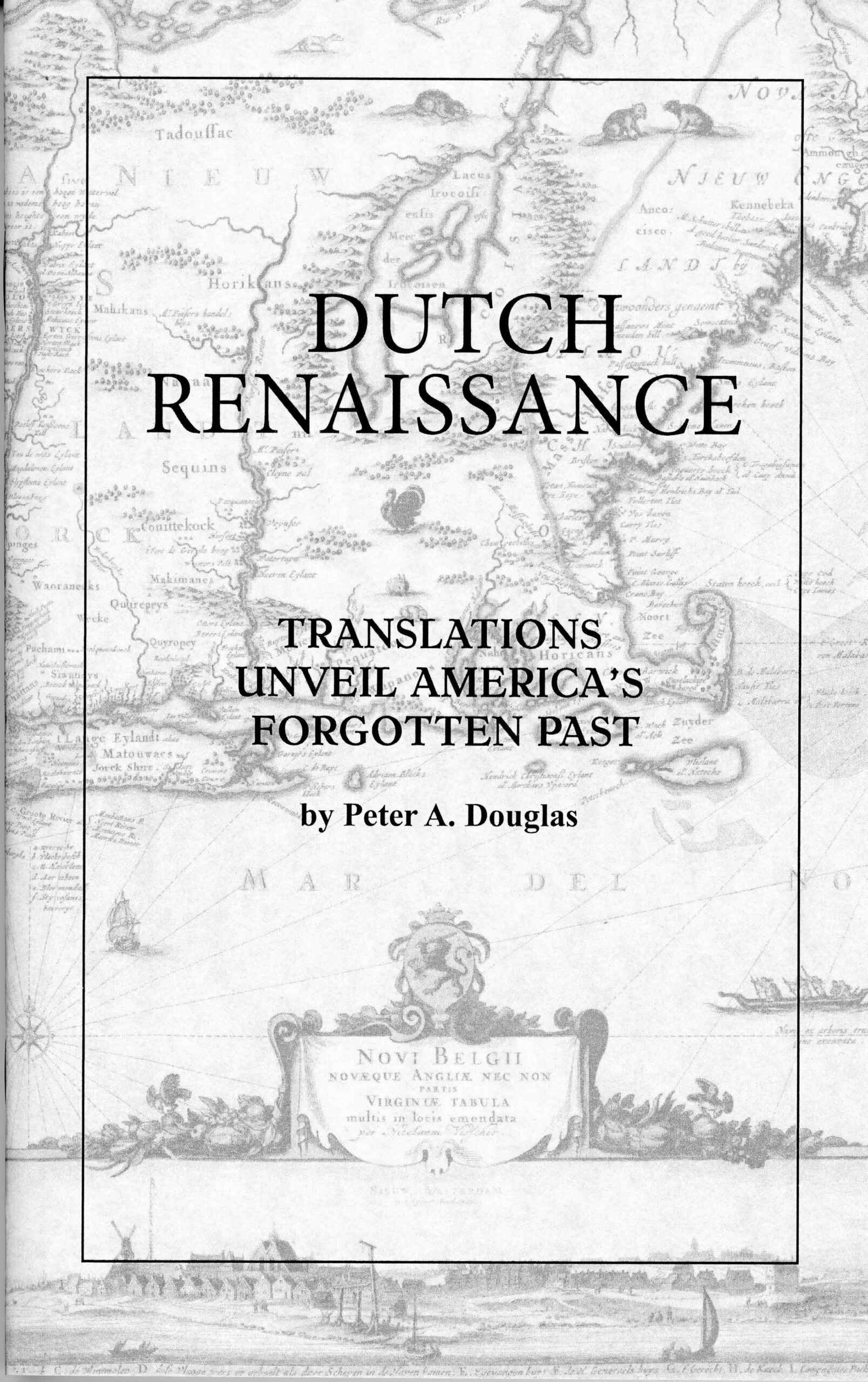
Peter Douglas’s Dutch Renaissance traces the unlikely survival of New Netherland’s records through shipwreck, war, and fire—culminating in Dr. Charles Gehring’s decades-long effort to translate the 17th-century Dutch texts and revive the colony’s forgotten voice and legacy.
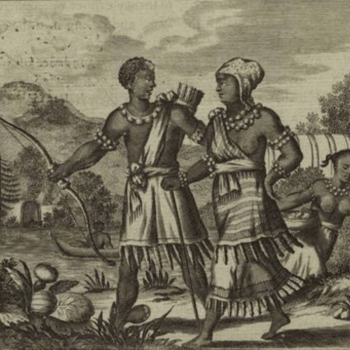
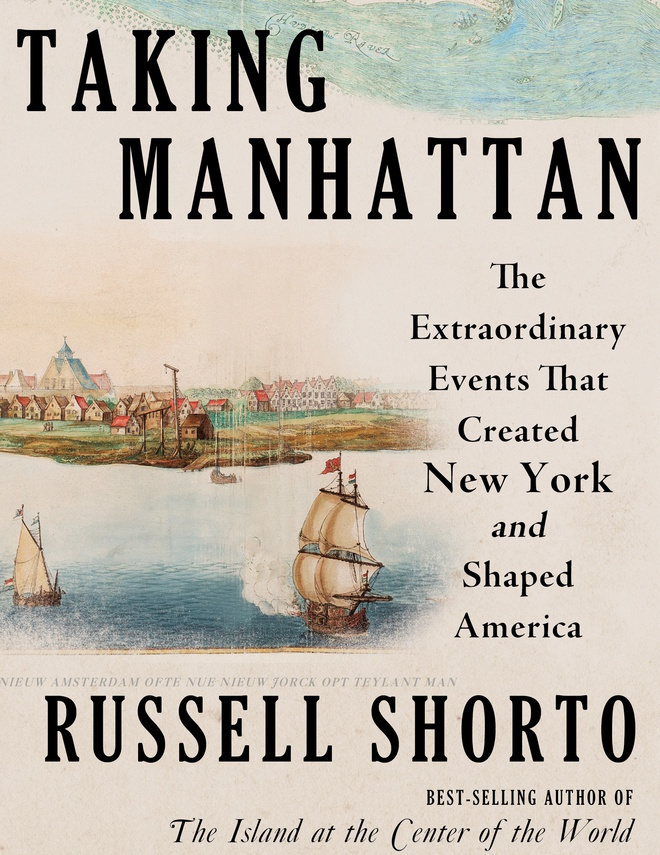
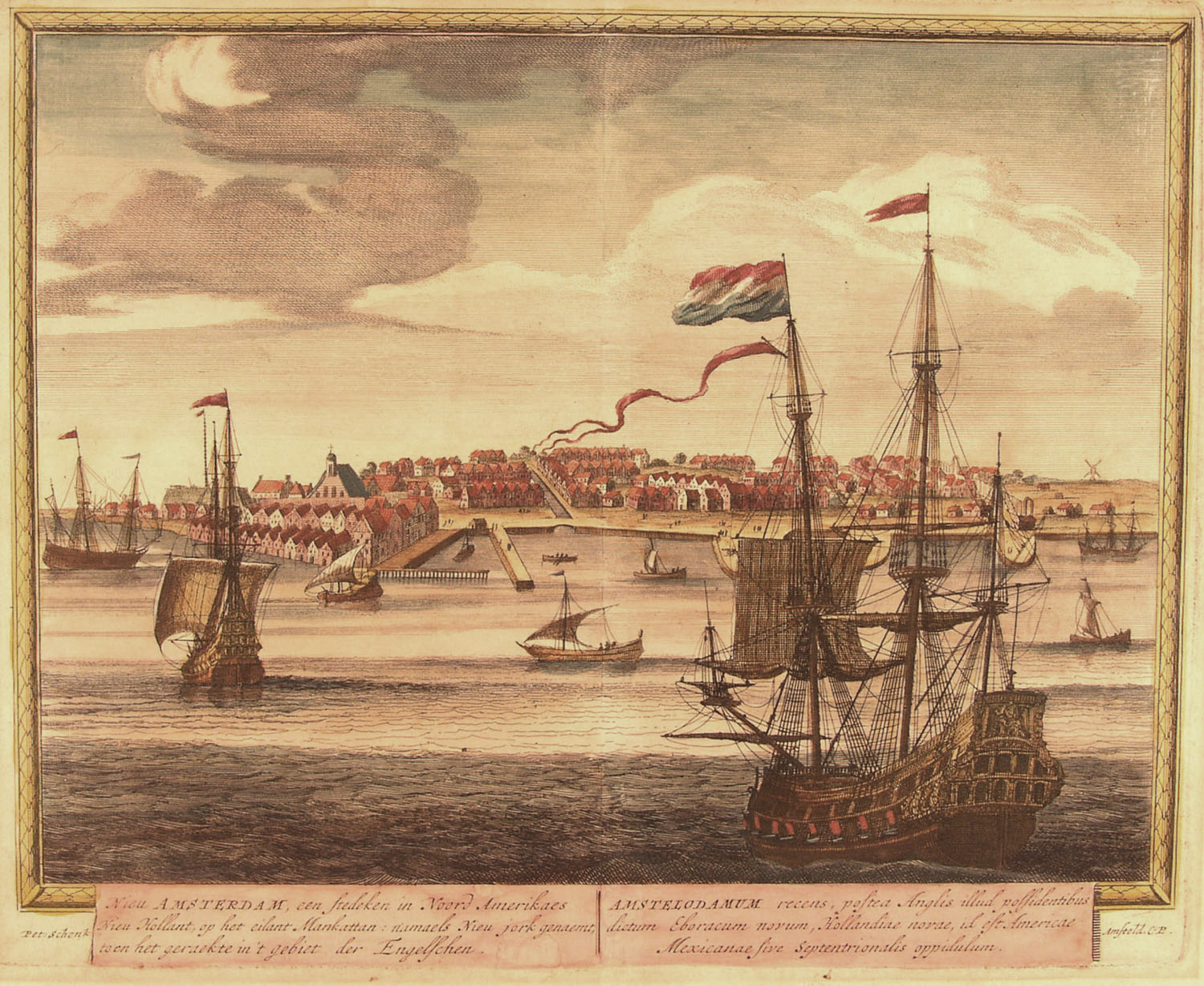
It is difficult to imagine what the first glimpse of New Netherland was like for the seventeenth-century European...
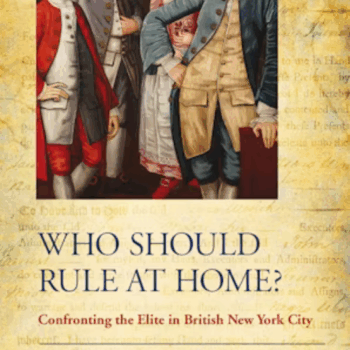
In Who Should Rule at Home? Joyce D. Goodfriend argues that the high-ranking gentlemen who figure so prominently in most accounts of New York City's evolution.
The opening of the new Tappan Zee Bridge (officially renamed the Governor Mario M. Cuomo Bridge) in September 2018 can be seen as yet another reminder of the Dutch history of the Hudson Valley. The “Zee” component of the name is clearly Dutch, meaning “sea,” as in the Zuider Zee, or southern sea, in the Netherlands. But what does Tappan mean, and why is part of a river called a sea?

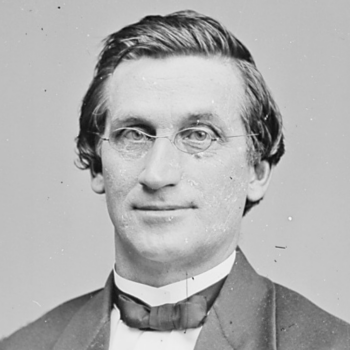
Charles Henry Van Wyck (1824–1895) was an American politician and Civil War officer who served in the U.S. House for New York and later as a U.S. senator from Nebraska, reflecting a long career in public service.
In the first major examination of the diverse European efforts to colonize the Delaware Valley, Mark L. Thompson offers a bold new interpretation of ethnic and national identities in colonial America.
On May 2, 1839, at the urging of the New-York Historical Society and with the support of Governor William Seward (later Secretary of State for Presidents Lincoln and Johnson), the New York State Legislature passed an act “To appoint an agent to procure and transcribe documents in Europe relative to the colonial history of this state.”
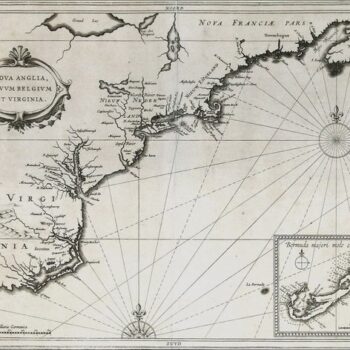
This 1630 map by Johannes de Laet marks a cultural and cartographic shift from rhetorical speculation to empirical accuracy. It’s the first printed map to name New Amsterdam and Manhattan, shown correctly as an island. As a West India Company director, De Laet drew from firsthand colonial reports, making this the earliest reliable depiction of New Netherland.