
Charles G. Koch (born 1935) is an American businessman and chairman of Koch Industries. Under his leadership, the company grew into the world’s largest privately held corporation, expanding from oil refining into diverse global industrial operations.

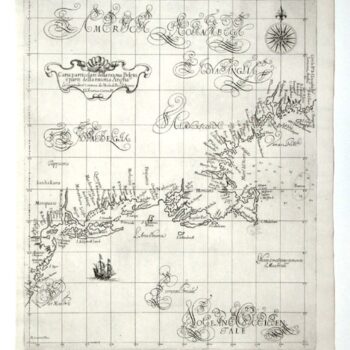
Mapmaker: Robert Dudley Tinting (adding color) either contemporaneously or later has always been a part of map making. An exception are the 130 maps of...
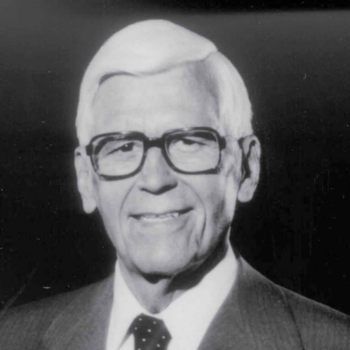
Peter Kiewit (1900–1979) was an American construction executive who transformed his family’s Omaha contracting firm into the global Kiewit Corporation. Under his leadership, the company built major infrastructure projects and became one of North America’s largest construction firms.
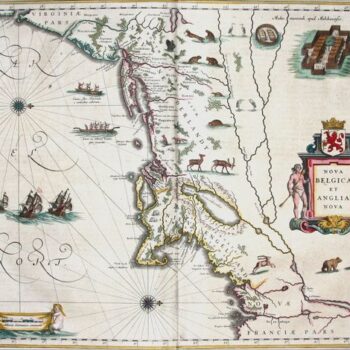
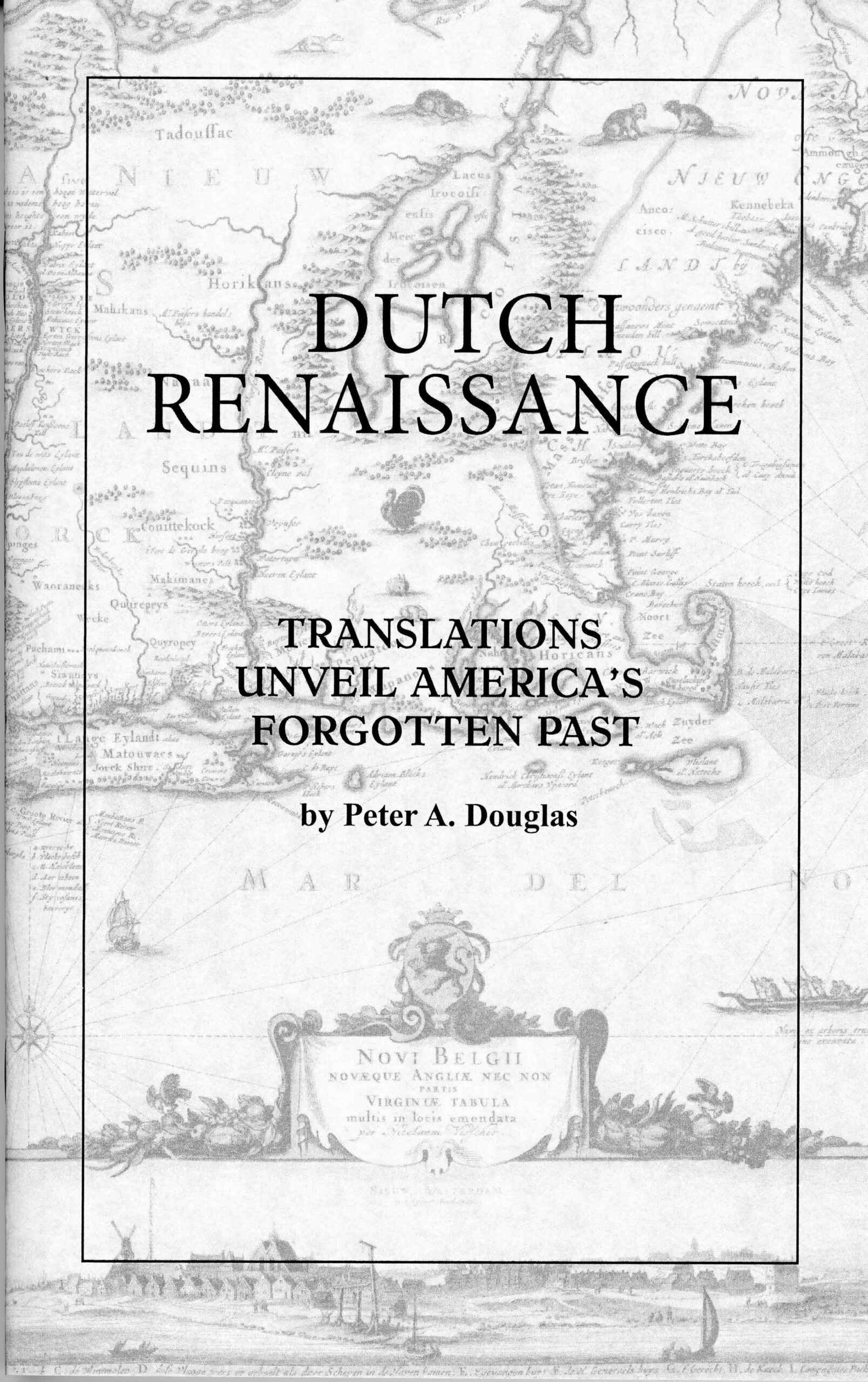
This map of New Netherland and New England, based on Adrian Block’s 1614 chart, defined Manhattan and Long Island as islands and became the cornerstone of Dutch claims in the lower Northeast. Richly decorated with regional fauna, it also shows fortified Mohawk villages, canoes, and European ships reflecting growing knowledge and economic potential.
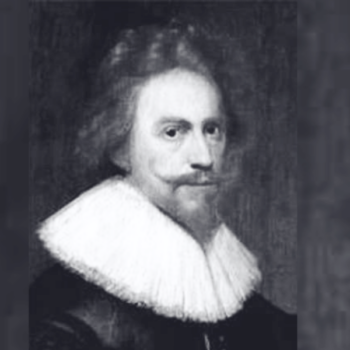
Willem Kieft (c.1597–1647) served as Director of New Netherland from 1638 to 1647. His authoritarian leadership and conflicts with settlers and Native Americans sparked Kieft’s War, leading to his recall by Dutch authorities.
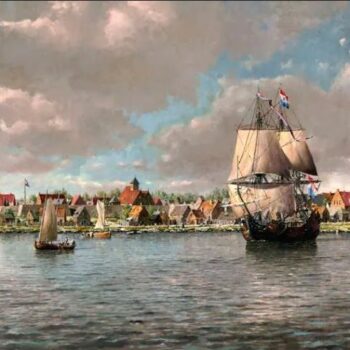
In 1664, Dutch rule ended as New Netherland passed to the English. Peace treaties promised continued trade and justice, but Native peoples now faced new colonial powers—and, eventually, war, displacement, and upheaval.
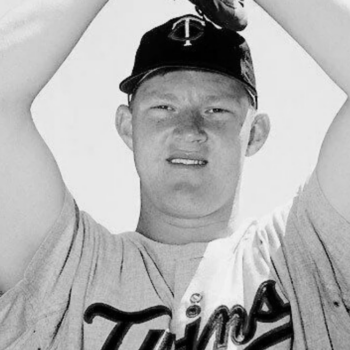
Jim Kaat (born 1938) is a Dutch American former Major League Baseball pitcher and broadcaster. Over a 25-year career he won 16 Gold Glove Awards and later became an Emmy-winning baseball analyst for NBC, ESPN, and the Yankees Network.
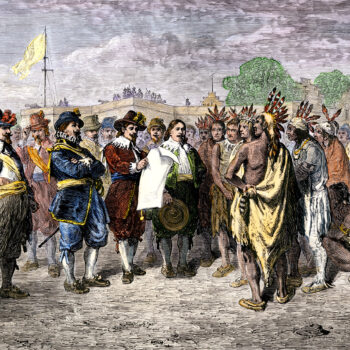
Conflict erupted in 1626 when Dutch troops joined the Mahicans against the Mohawks, sparking cycles of warfare driven by old rivalries, expanding settlements, and competition over fur-rich territory—culminating in the brutal Beaver Wars.
Meindert De Jong (1906–1991) was a Dutch-born American author of children’s books who won the Newbery Medal for The Wheel on the School and the Hans Christian Andersen Medal for his lasting contributions to children’s literature.
Wampum, from the Massachusett word wampumpeag, meaning white beads, was known to the Dutch as sewant, derived from Delaware and Munsee terms. It became central to trade, diplomacy, and cultural exchange in New Netherland.