


Henry Shippen Huidekoper was a Civil War officer who commanded a regiment at the Battle of Gettysburg and later received the Medal of Honor after being severely wounded in combat. A graduate of Harvard University, he later served as postmaster of Philadelphia and held executive positions with the Bell Telephone Company.
This bibliography gathers key works on Dutch influence in colonial America, with a focus on New Netherland, the Hudson Valley, and the transition from Dutch to English rule. Covering politics, society, law, architecture, trade, culture, and daily life, these sources provide a comprehensive foundation for studying Dutch contributions to early American history and their lasting legacy.
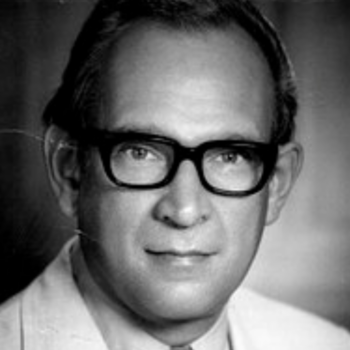
John Hospers (1918–2011) was an American philosopher and political figure who became the Libertarian Party’s first presidential candidate in 1972. A longtime professor at the University of Southern California, he wrote extensively on philosophy, art, and libertarian political theory.

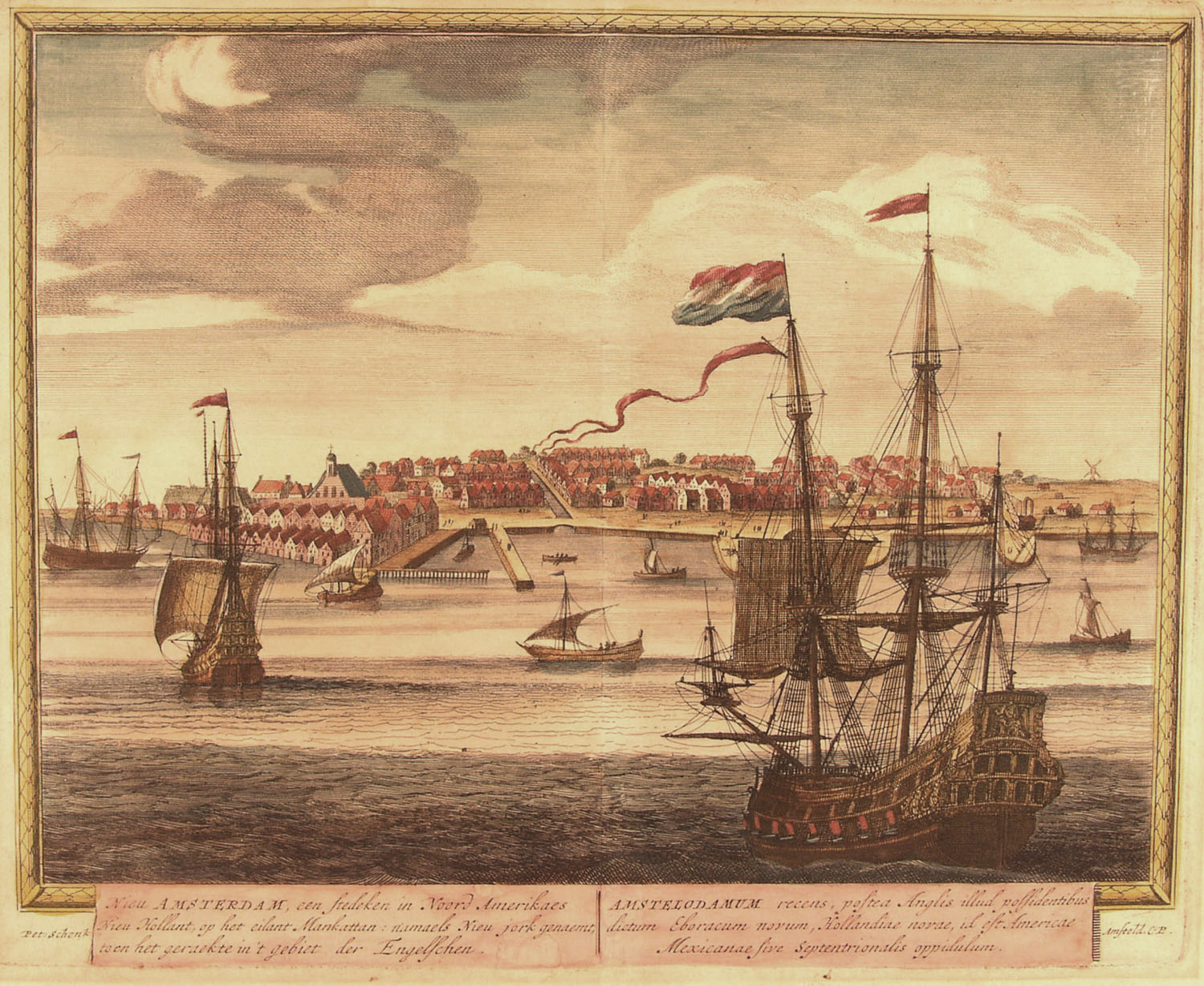
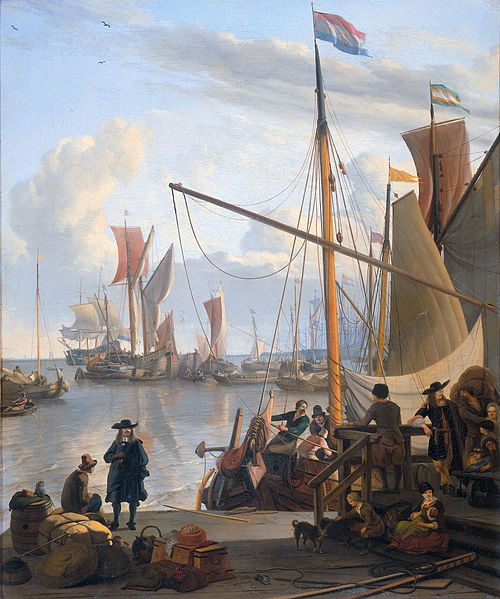
The economic patterns that the Dutch established in New Netherland flourished under the English. The principles and practices of private entrepreneurship, introduced under the West India Company umbrella, provided the underlying foundations for New York's commercial economy.
Archibald Van Horne (d. 1817) was a Maryland politician who served in the U.S. House of Representatives from 1807 to 1811. He also served in the Maryland House of Delegates and State Senate and chaired the House Committee on the District of Columbia.

From the start, the Dutch introduced European foodways to the Hudson Valley: breads, cheese, meats, fruit trees, spices, and beverages like cider, beer, and wine—later adding tea, coffee, chocolate, and rum.

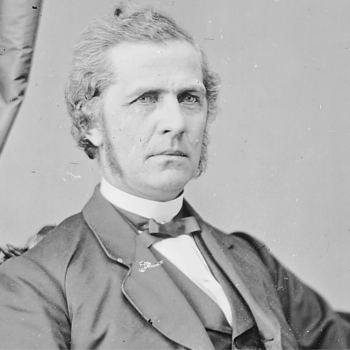
Burt Van Horn (1823–1896) was a New York farmer, textile manufacturer, and Republican politician who served in the U.S. House of Representatives during the Civil War era. He later worked as Collector of Internal Revenue in Rochester.

Dutch influence remained strong in New York and New Jersey material culture until the American Revolution. King William III and Queen Mary introduced Dutch early baroque styles into England, which also became popular in North America.
Burt Van Horn (1823–1896) was a New York farmer, textile manufacturer, and Republican politician who served in the U.S. House of Representatives during the Civil War era. He later worked as Collector of Internal Revenue in Rochester.
The Dutch helped establish Calvinism—including Huguenot, German Reformed, and Presbyterian traditions—as the dominant religious force in the Middle Colonies, shaping early American values through church governance, education, and strong community-centered faith practices.