


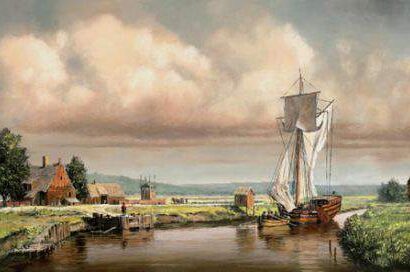
In 2004, archaeologists Paul Huey and Jim Bradley led Len Tantillo across a recently turned field along a creek on the east side of the Hudson...
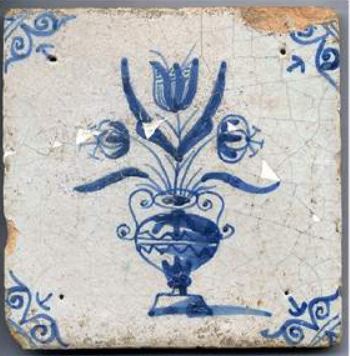
From the estate of Rutger Jacobsen, Arent bought a painting for 85 guilders, a ring for 39, and a silver beaker for 68. These articles joined other staples and luxuries which a prosperous burgher expected to enjoy.
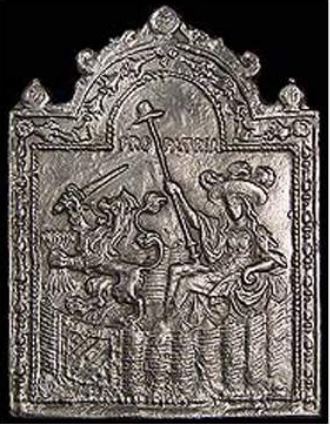
Arent grew up in a hallehuis, a Dutch farmhouse combining home and barn. Excavations at the Flatts reveal similar features—cellars, structural upgrades, and artifacts—matching his 1643 description and rising prosperity.
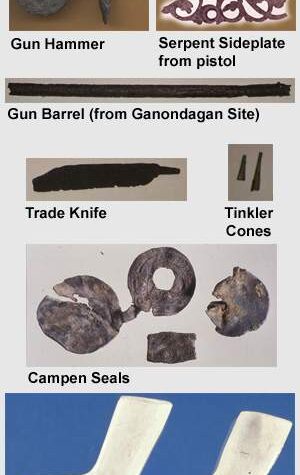
By 1648, Arent van Curler traded Edward Bird pipes and custom firearms at the Flatts. Excavations reveal over 125 EB pipes and evidence of on-site gun assembly, repair, and Native trade.
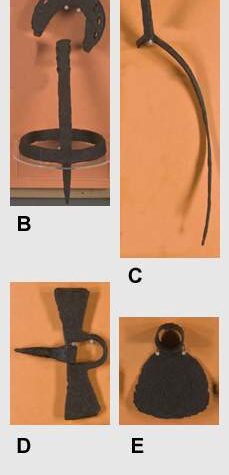
In 1651, Captain Slijter called Arent van Curler’s Flatts the best farm in the Colonie—44 morgens of rich land, fine horses, thriving cattle, and Dutch tools unearthed centuries later.
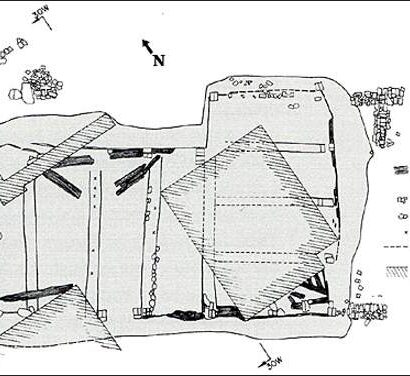
In 1643, Arent van Curler farmed the Flatts but dreamed of land beyond the pines. By 1660, he founded Schenectady; the Flatts later passed to Philip Schuyler.
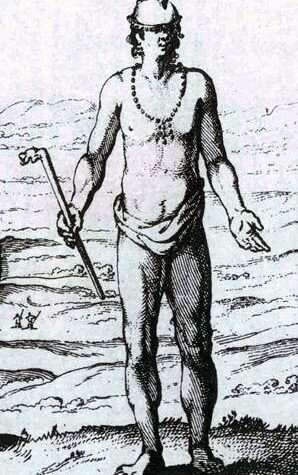
In 1644, Arent van Curler delayed his return to New Netherland, securing a six-year lease to the Flatts. There, he built a thriving farm—despite wolves, runaway pigs, and hard decisions.
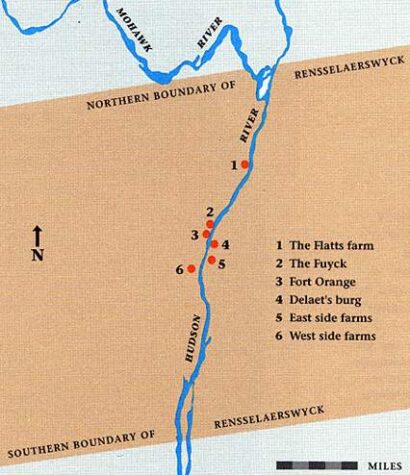
Arent did not wait for the patroon’s blessing to develop the Flatts. He built a house 30 feet long for carpenters and farmhands. His men planted oats on a dozen morgens of land. By the next autumn he hoped for as much grain as the best farm in the Colony.
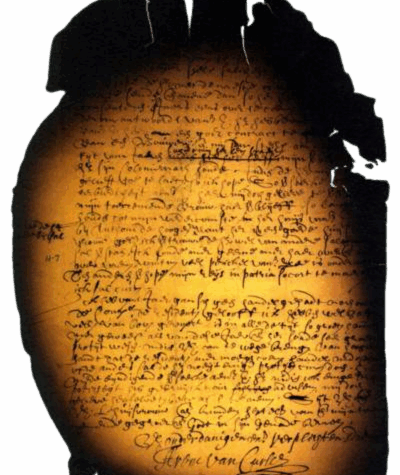
Arent van Curler was a 17th-century Dutch settler known for his fair dealings with Indigenous peoples, he played a key role in expanding Dutch influence in New Netherland beyond the Hudson River Valley.
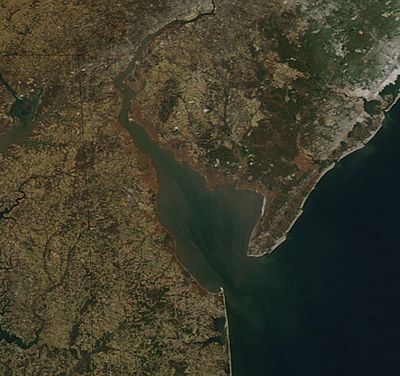
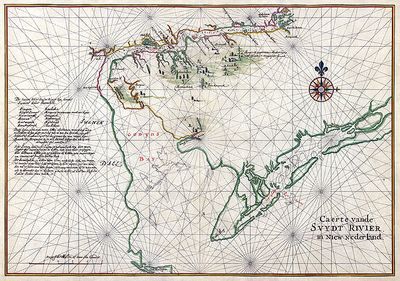
In 1631, Dutch investors established the patroonship of Swaanendael on Delaware Bay, hoping to profit from whales. Despite earlier claims, Dutch settlement lagged due to prosperity back home and colonization risks.
ChatGPT said:
In 1631, Dutch investors established the patroonship of Swaanendael on Delaware Bay, hoping to profit from whales. Despite earlier claims, Dutch settlement lagged due to prosperity back home and colonization risks.
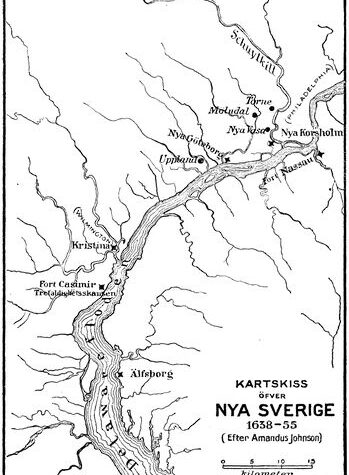
In 1638, the Swedes founded New Sweden in Dutch-claimed territory, triggering a struggle over the South River. Forts Nassau and Elfsborg marked rival positions, though Elfsborg earned the nickname “Fort Mosquito.”