
Several private organizations also provide valuable genealogical information. While many offer content in English, some are only in Dutch. These sites include searchable databases, surname and archive directories, and links to regional resources. Some require membership for full access, while others provide free tools and research tips. Though not all focus exclusively on genealogy, their collections—ranging from name studies to family trees and historical records—can be useful for anyone researching Dutch ancestry.
A range of free genealogical resources is available through national and local archives. These sites offer access to historical records, surname databases, and digital collections, including photos, war documents, and church records. Some are in Dutch only, while others offer English options. Whether you're tracing one ancestor or building a full family tree, these resources are a valuable starting point for exploring your Dutch roots.
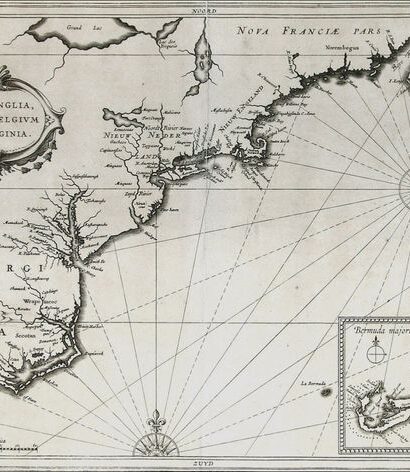
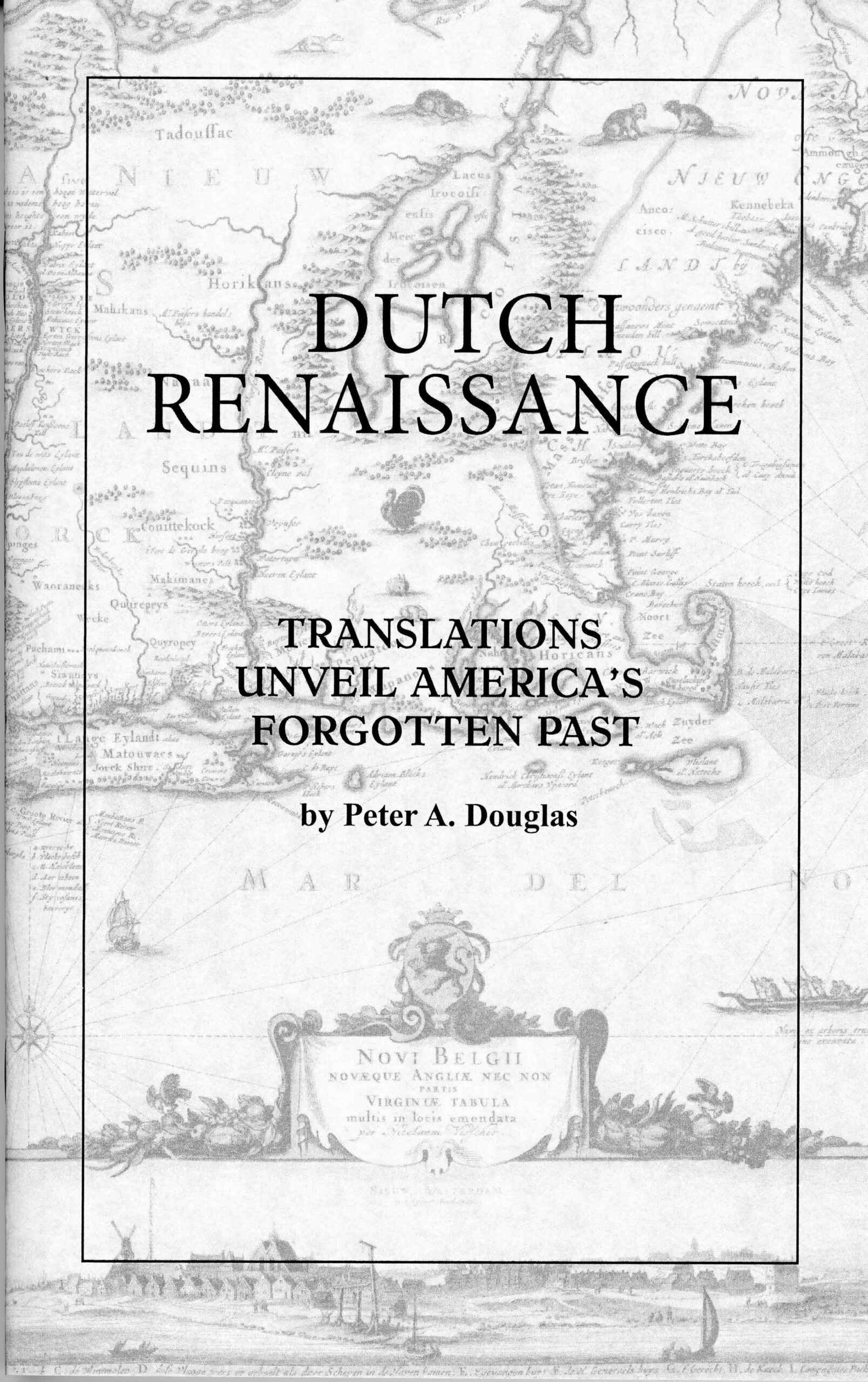
This 1630 map by Johannes de Laet marks a cultural and cartographic shift from rhetorical speculation to empirical accuracy. It’s the first printed map to name New Amsterdam and Manhattan, shown correctly as an island. As a West India Company director, De Laet drew from firsthand colonial reports, making this the earliest reliable depiction of New Netherland.
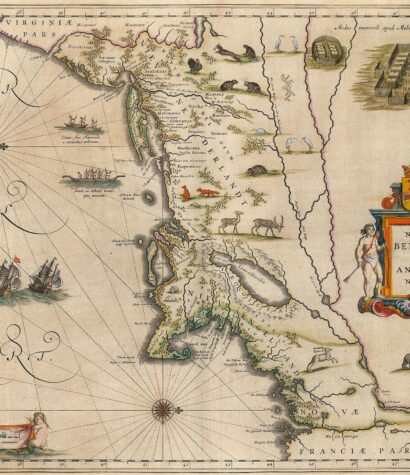
Maps from Europe’s Age of Discovery reveal how New Netherland and the Northeast took shape Charting New Netherland, 1597-1682 Maps Trace a Growing Knowledge of...
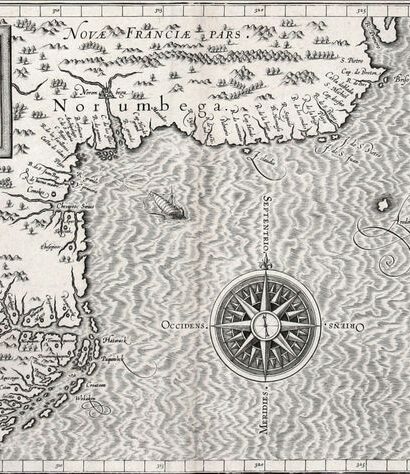
This first atlas devoted entirely to the Western Hemisphere is aptly named after Ptolemy, the Ancient cartographer whose Geographia was rediscovered in the Renaissance and first reprinted in Bologna in 1477. Wytfliet’s atlas, a compendium of information from others' maps, is a history of the New World to date, including discovery, history, geography, natural history, etc. The 19 maps focus on the continents’ coastal regions, leaving the clear message that information about the unknown interiors was pure speculation. (The Victorians were not the first to need to fill empty spaces!) One of the maps, Norumbega et Virginia, represents the best information about the area to date. It also continues the omissions and errors of de Jode and Quad: no Hudson River, no New York Bay, still no Long Island.
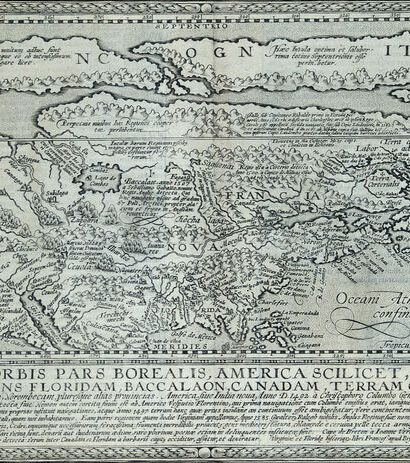
This map from Quad’s general atlas of the world, an expansion of his 1592 edition, is a reduced version of Cornelis de Jode’s Americae Pars Borealis, Antwerp, 1593. It does not help much to locate the future New Netherland, but it does help to understand the limits of European perspective on the new continent. Although it appeared more than 100 years after the entry of the continent into European consciousness, it shows how little was known about the area between Virginia and the St. Lawrence. The map reflects details taken from Mercators’ 1569 atlas. The Mercator projection gives a squeezed effect to the northern extremities of the continent.
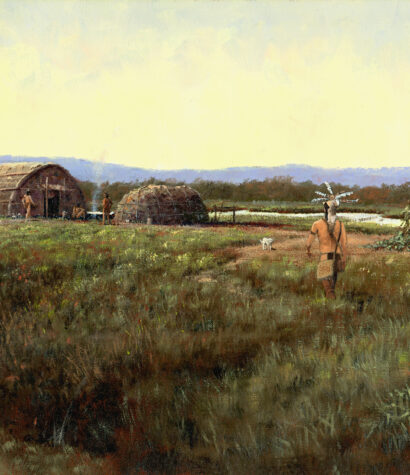
Pap-scan-ee, L.F. TantilloAn artistic rendering of a Mahican encampment on the east bank of the Hudson River, circa 1600. It is based on archaeological excavations...
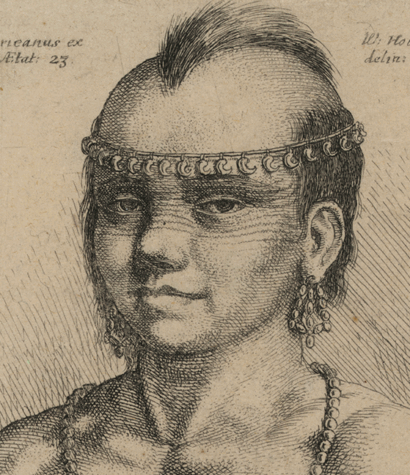
Historian James Axtell noted Europeans met Native defenders. Dutch ambitions in the fur trade led to uneasy partnerships with Native peoples—marked by compromise, conflict, and survival as colonial life took root.
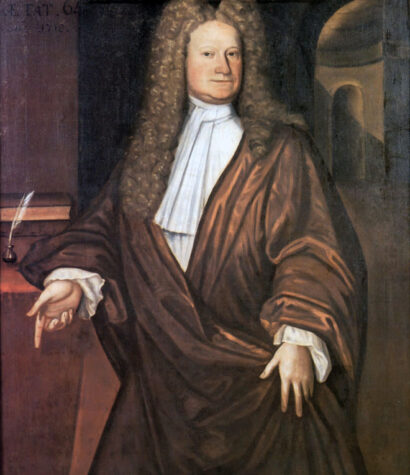
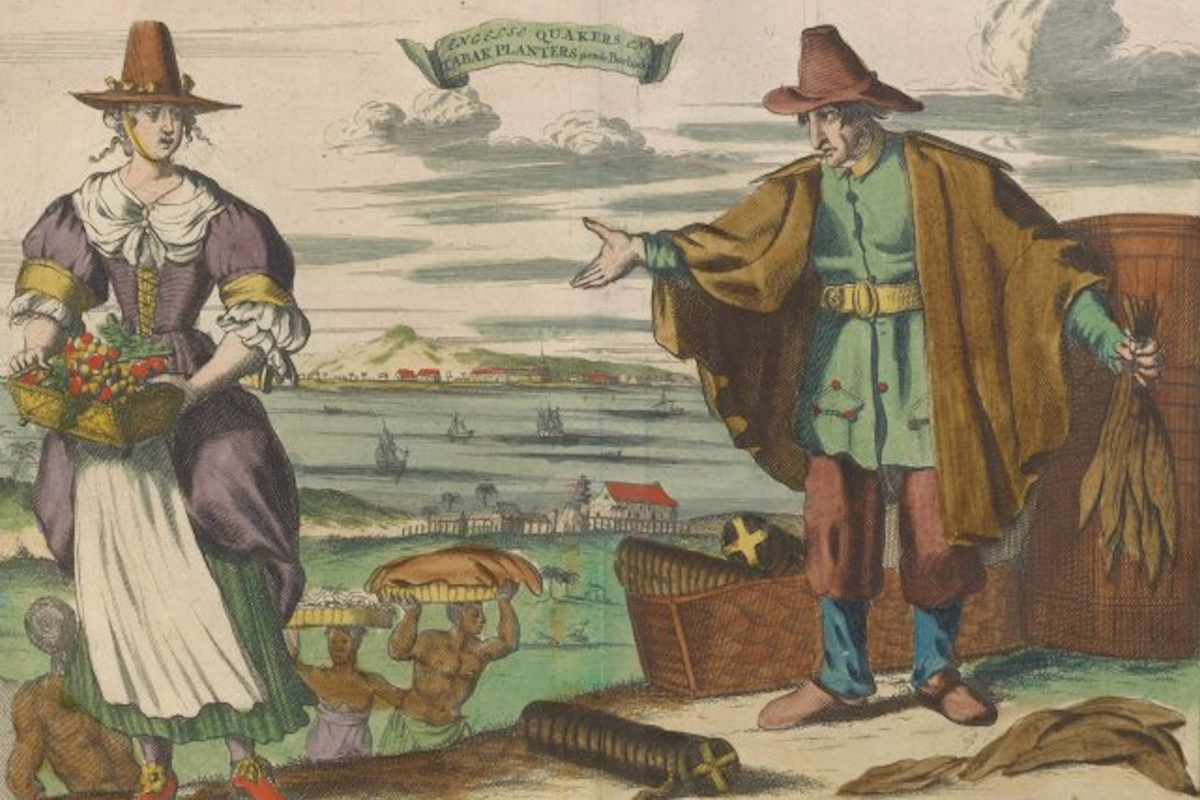
The rapid economic growth of cities in the Netherlands during the late Middle Ages attracted an enormous number of immigrants. As a result, ethnically diverse commercial interests dominated these cities and their overseas enterprises.
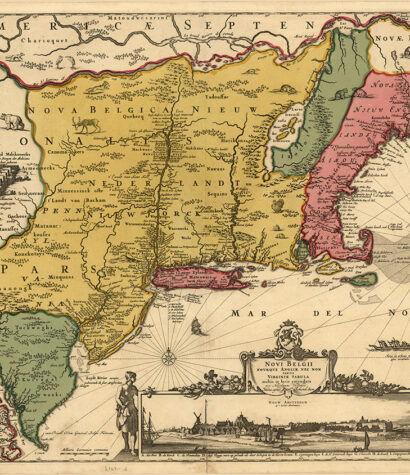
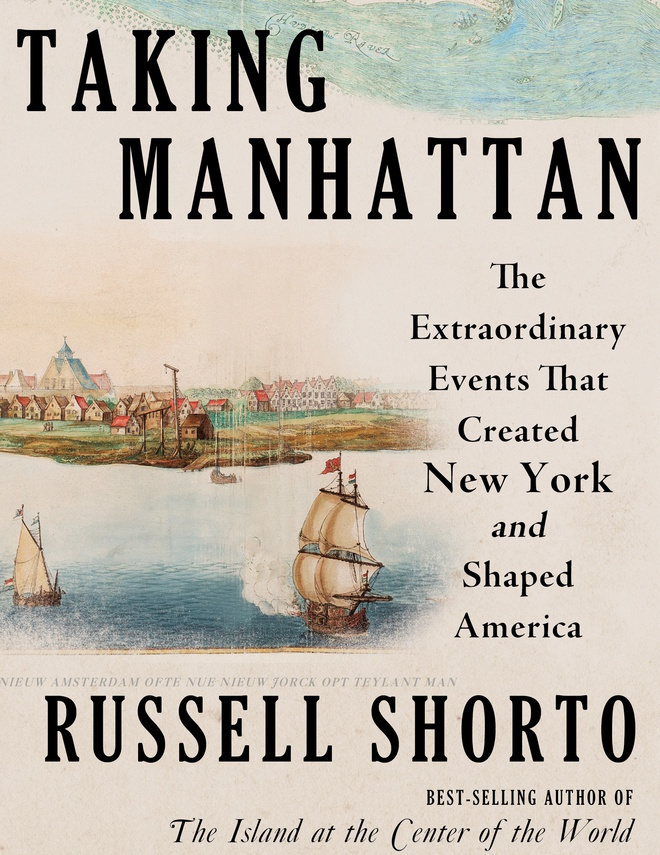
By the time Petrus Stuyvesant surrendered Fort Amsterdam in 1664, Dutch cultural traditions had already taken root—shaping life along the Hudson and Mohawk Rivers, western Long Island, and parts of New Jersey. These early Netherlandic influences helped lay the foundation for the region’s lasting identity and evolving American story.
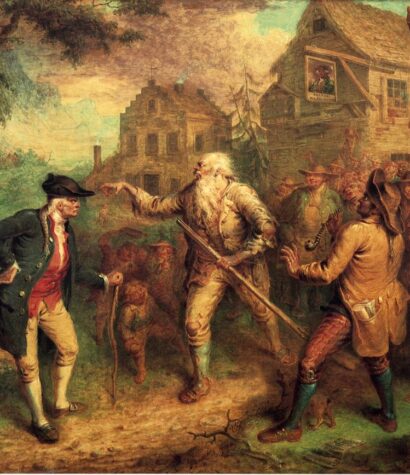
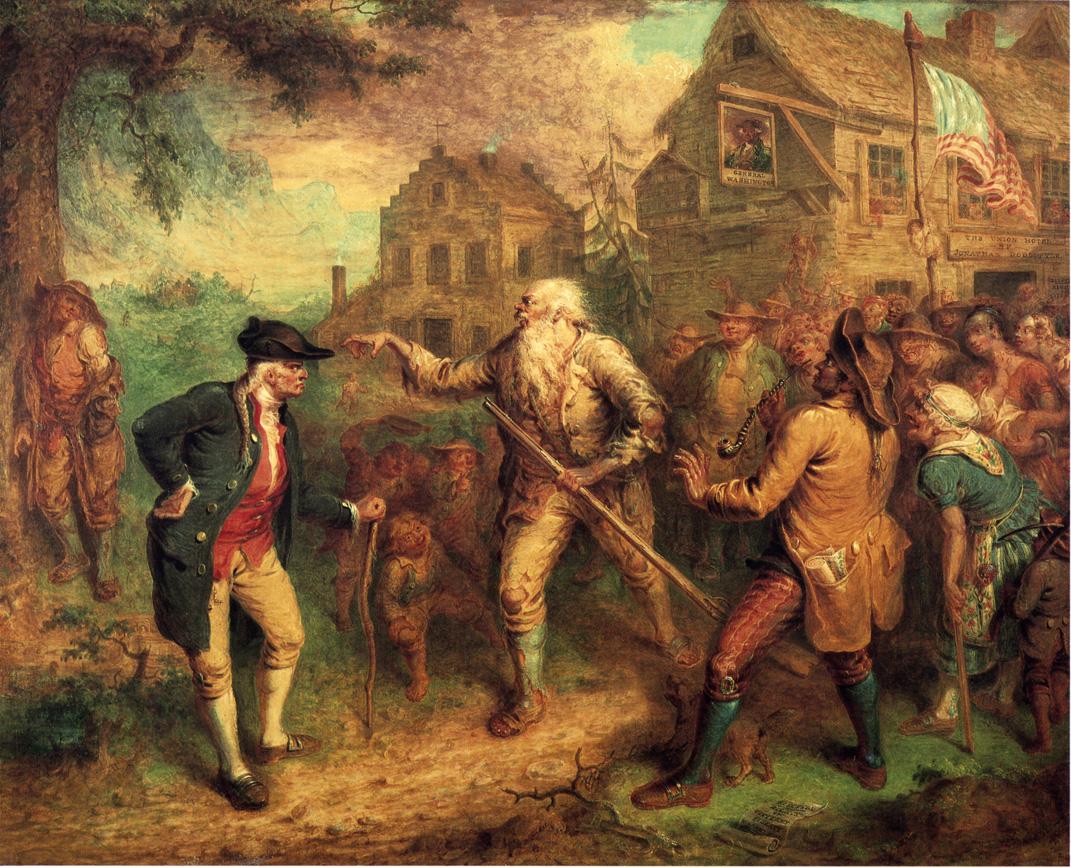
Although Dutch rule in North America ended in 1664, their cultural legacy persisted. Washington Irving observed its strong presence in 1820, and even decades later, travelers remarked on the striking similarities between New York and the Netherlands. Today, Dutch influence remains evident in regional place names, legal traditions, religion, food, and folklore—woven deeply into the fabric of American life.