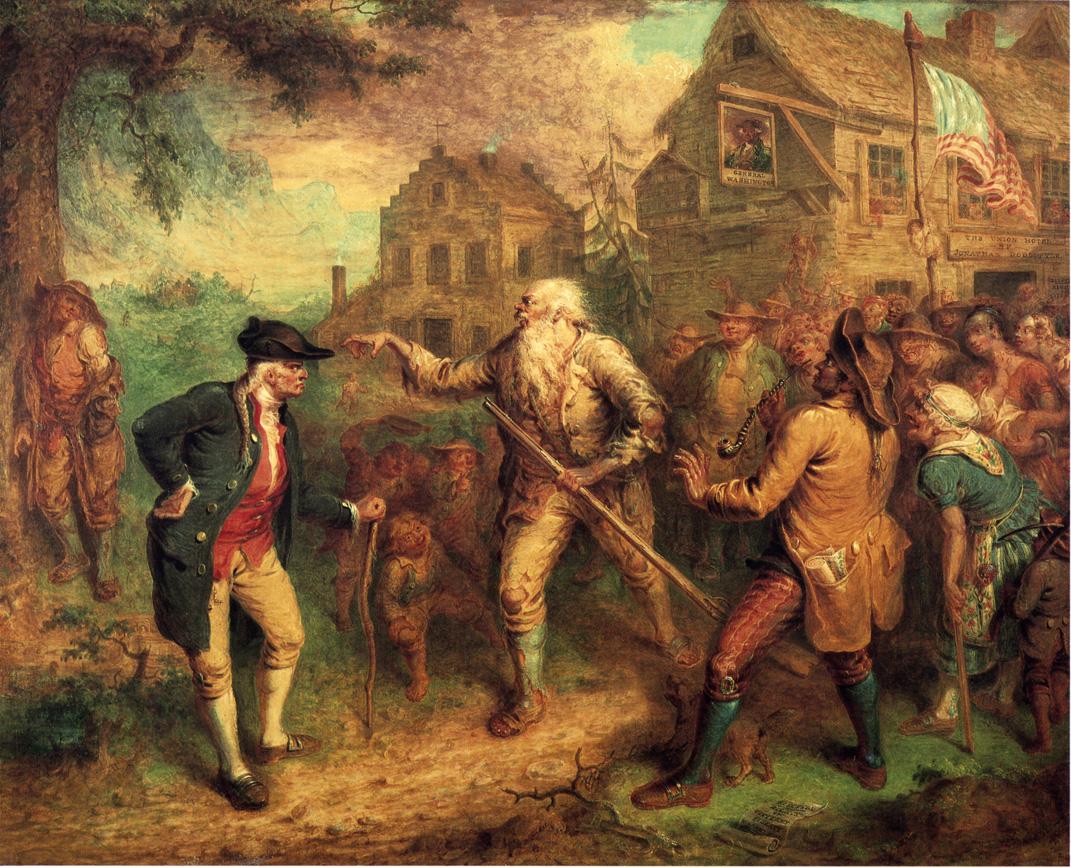
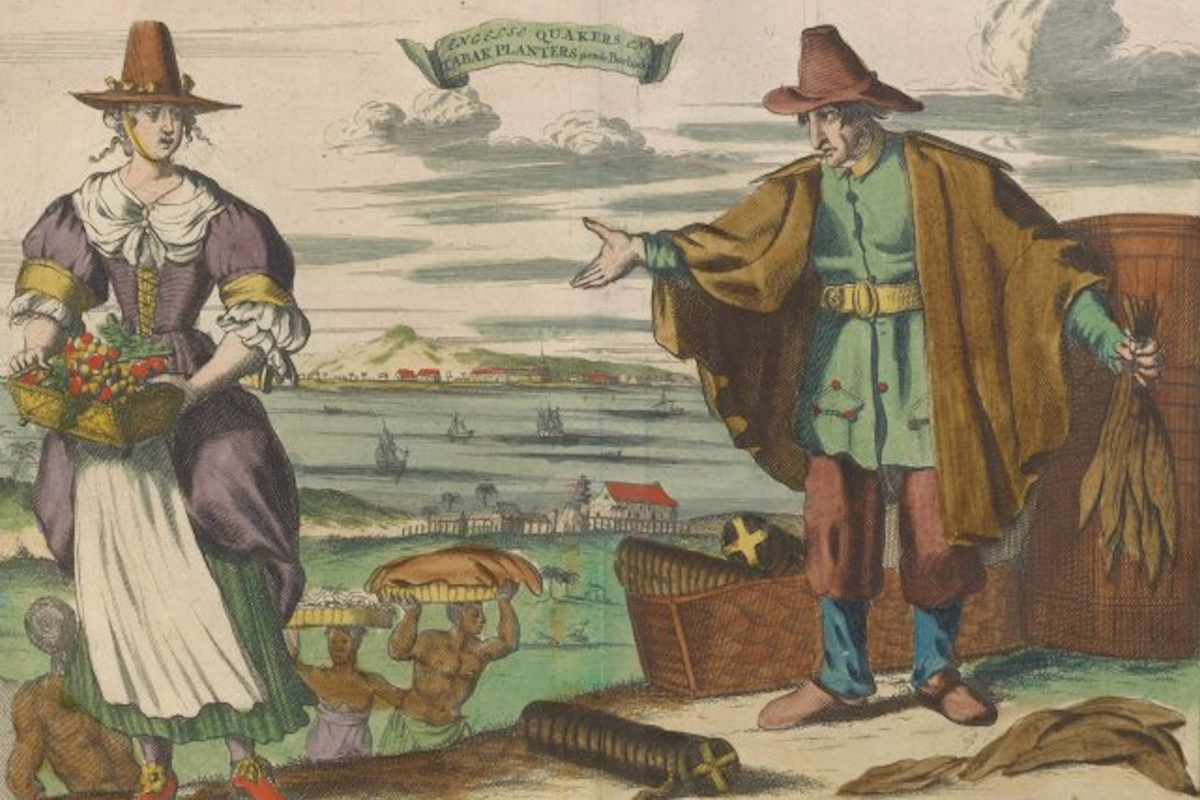
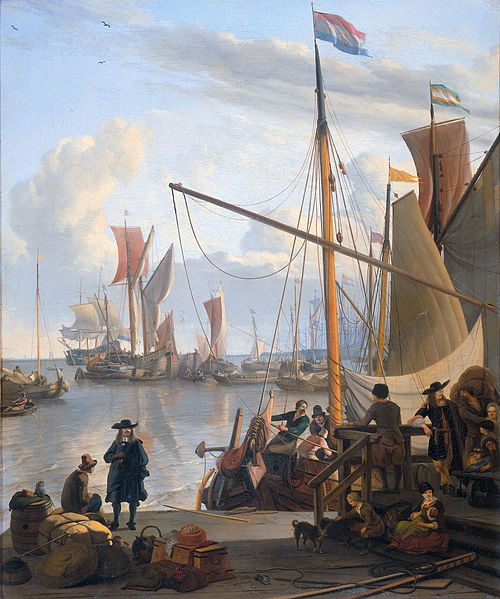

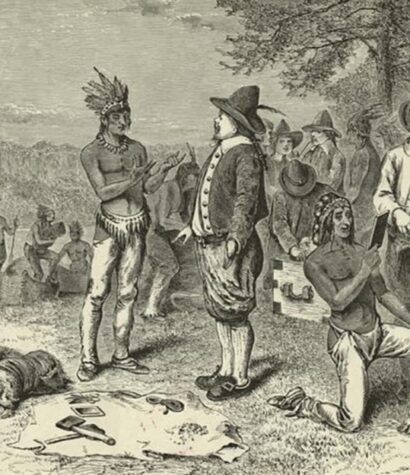
The first encounter between the Dutch and the Indigenous peoples shaped lasting impressions—marked by curiosity, cautious exchange, and cultural contrast—laying the foundation for a complex relationship of trade, diplomacy, and eventual conflict.

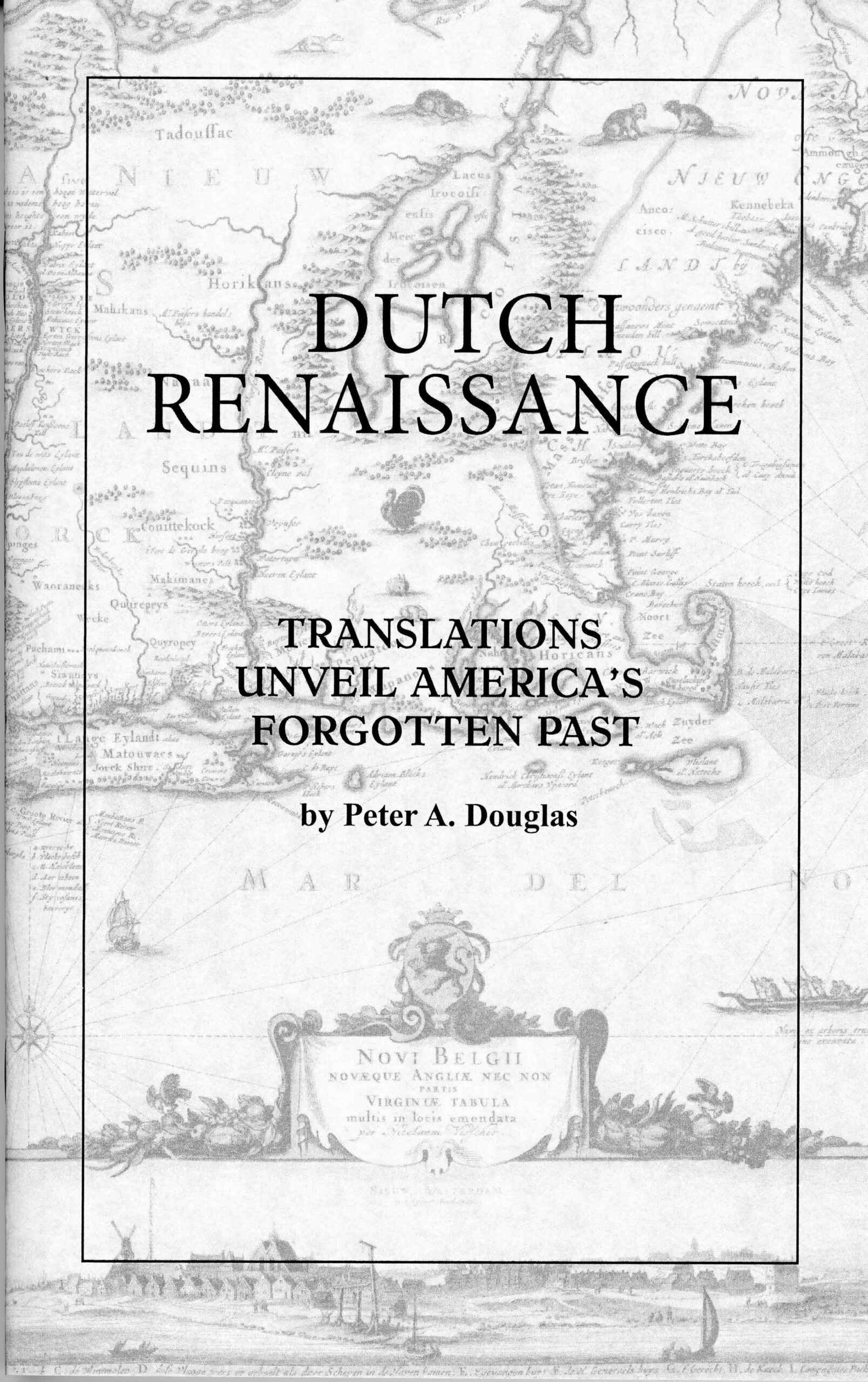
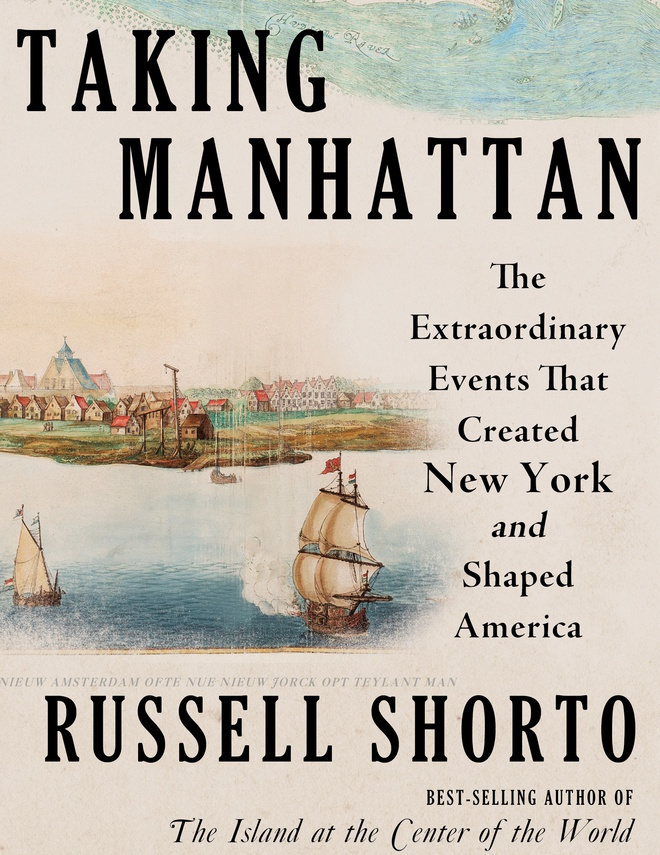
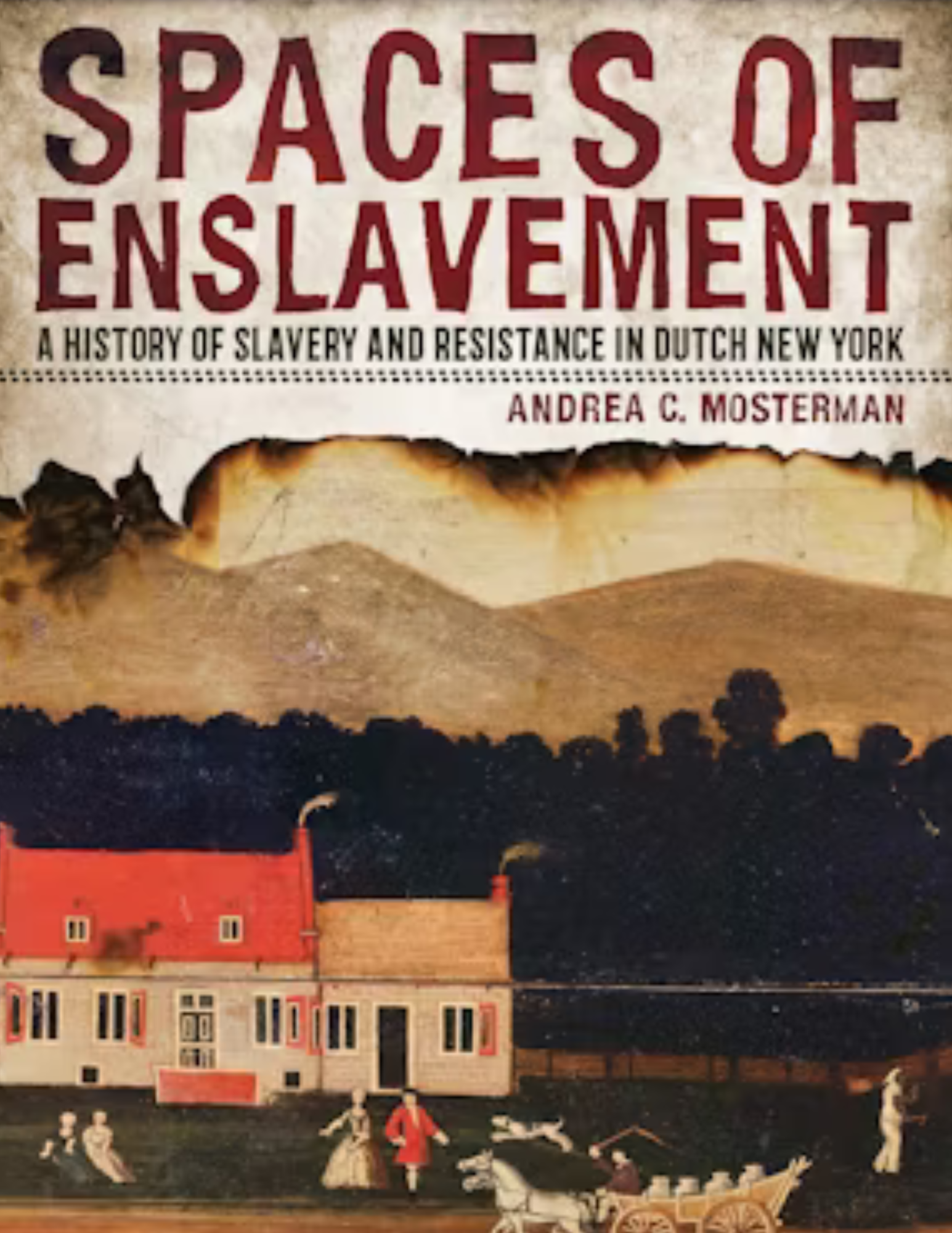
This bibliography gathers key works on Dutch influence in colonial America, with a focus on New Netherland, the Hudson Valley, and the transition from Dutch to English rule. Covering politics, society, law, architecture, trade, culture, and daily life, these sources provide a comprehensive foundation for studying Dutch contributions to early American history and their lasting legacy.
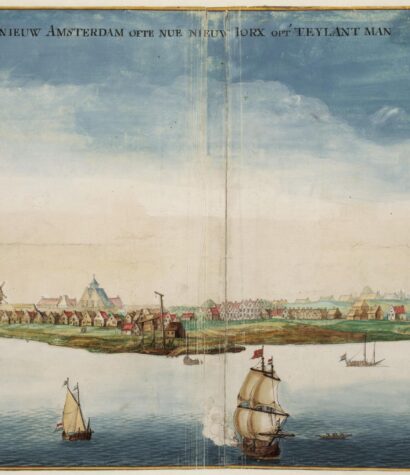
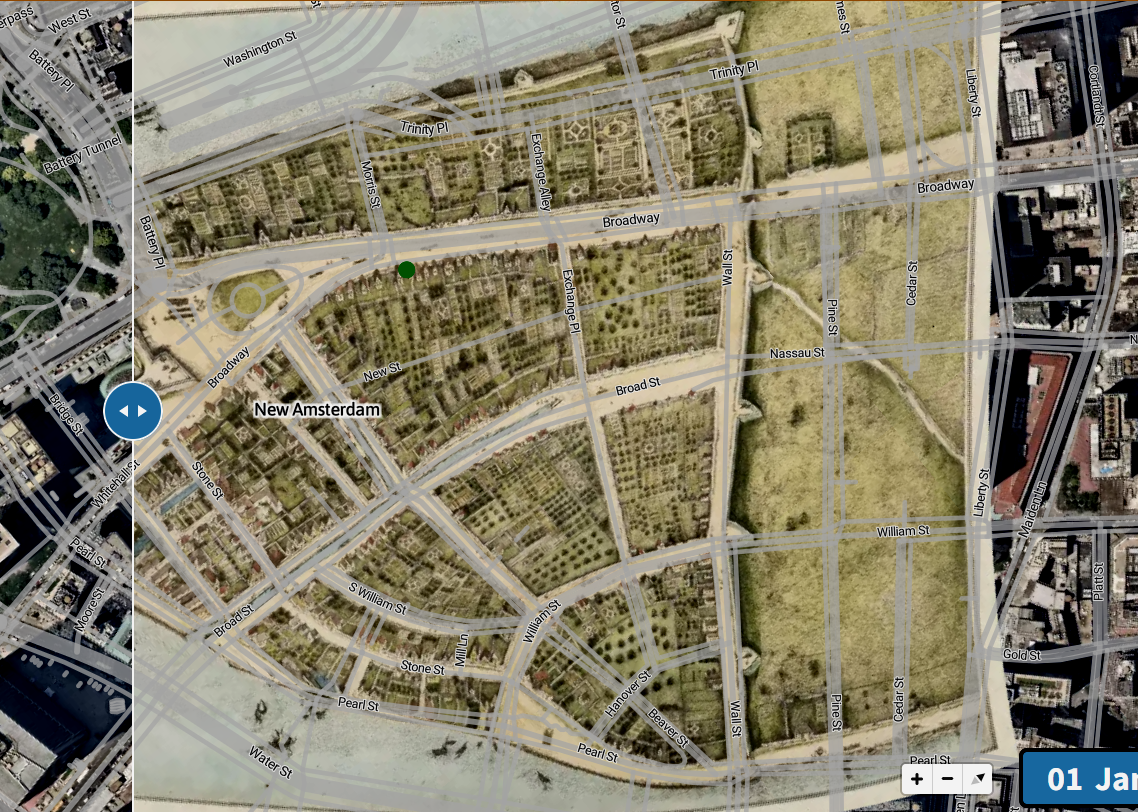
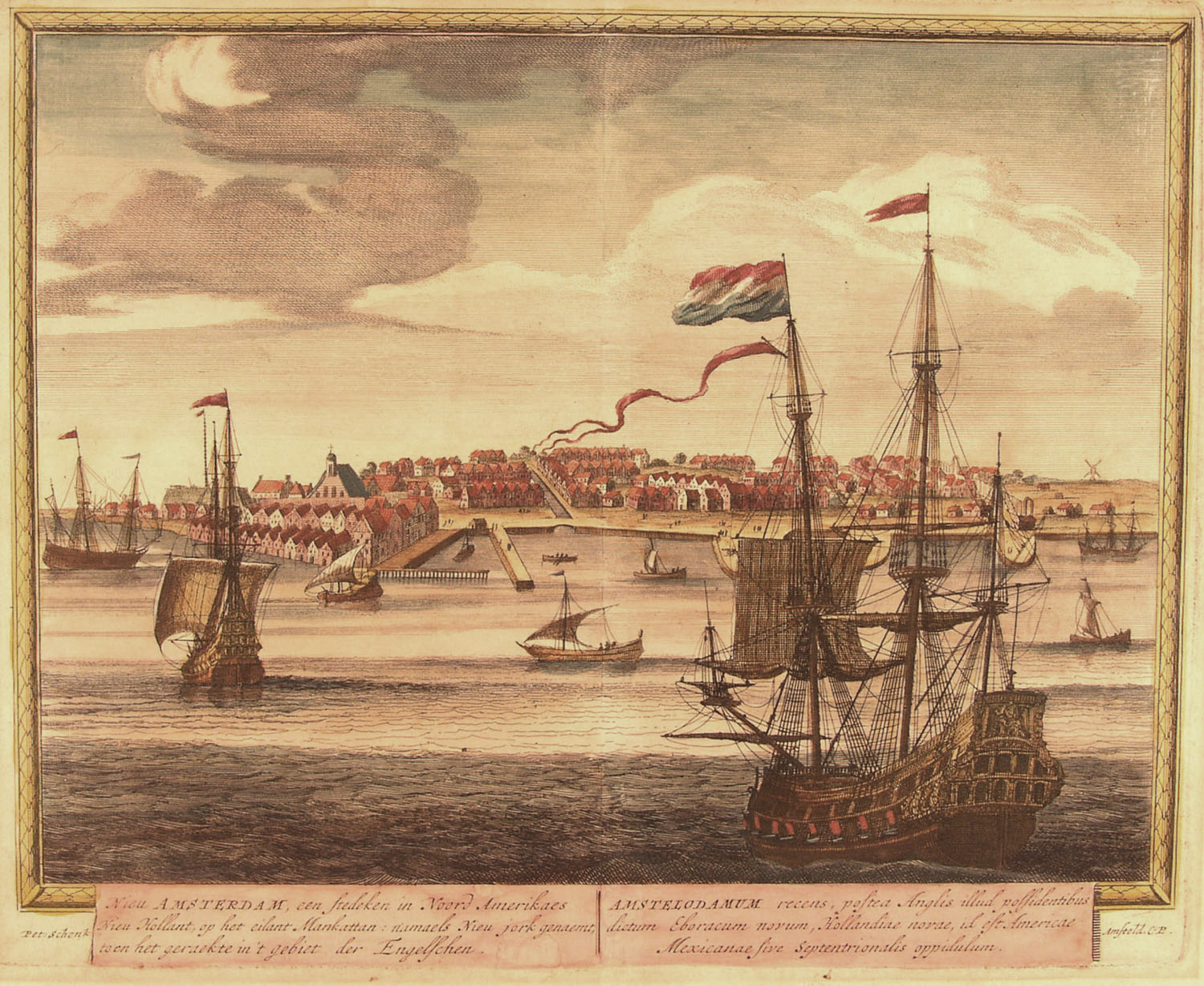
The economic patterns that the Dutch established in New Netherland flourished under the English. The principles and practices of private entrepreneurship, introduced under the West India Company umbrella, provided the underlying foundations for New York's commercial economy.
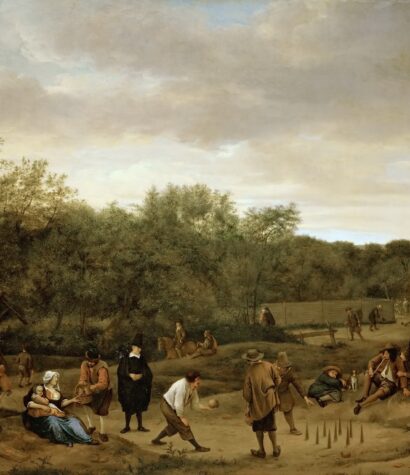
From the start, the Dutch introduced European foodways to the Hudson Valley: breads, cheese, meats, fruit trees, spices, and beverages like cider, beer, and wine—later adding tea, coffee, chocolate, and rum.
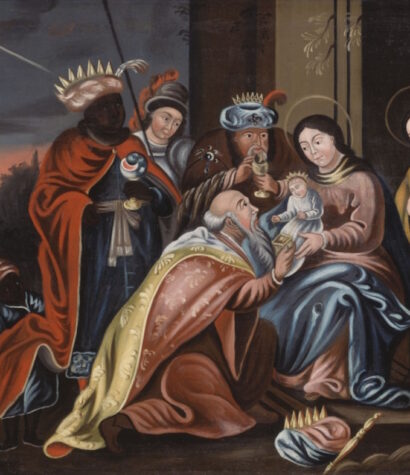
Dutch influence remained strong in New York and New Jersey material culture until the American Revolution. King William III and Queen Mary introduced Dutch early baroque styles into England, which also became popular in North America.
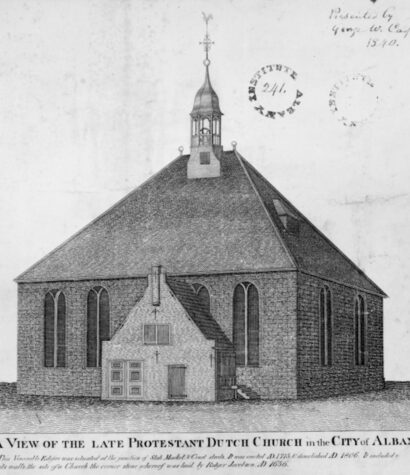
The Dutch helped establish Calvinism—including Huguenot, German Reformed, and Presbyterian traditions—as the dominant religious force in the Middle Colonies, shaping early American values through church governance, education, and strong community-centered faith practices.
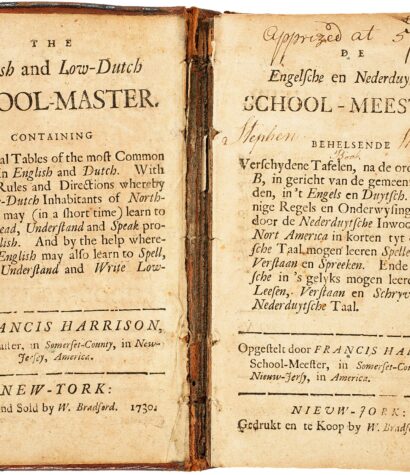
In 1764, Dominie Archibald Laidlie’s arrival marked the beginning of a shift from Dutch to English in the Dutch Reformed Church, though Dutch services persisted in parts of New York until as late as 1835.
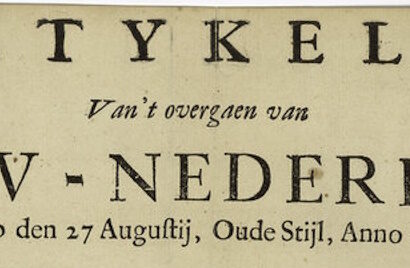
The Dutch West India Company established New Netherland’s legal system according to the statutes of the Dutch states of Holland and Zeeland. These laws reflected Germanic customary law, the Roman code of Justinian (corpus juris), canon law of the Roman Catholic Church, and special corporate privileges granted by various overlords.
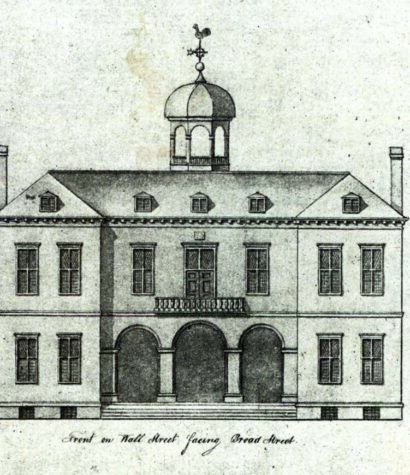
The English conditions for New Netherland’s capitulation guaranteed the Dutch their customary rights of property, inheritance, and religious practice and confirmed established Dutch political units.
With so many possible spellings, a genealogical researcher must deal with many difficulties when seeking seventeenth-century Dutch surnames.
One need not be fluent in Dutch to glean information from Dutch-language documents. This page lists resources to help in interpreting some relevant terms.
A range of free genealogical resources is available through national and local archives. These sites offer access to historical records, surname databases, and digital collections, including photos, war documents, and church records. Some are in Dutch only, while others offer English options. Whether you're tracing one ancestor or building a full family tree, these resources are a valuable starting point for exploring your Dutch roots.