
The map represents the various routes ships took to get to New Netherland. Thicker lines indicate a higher number of voyages using that route. By...
This slideshow animation shows the number of ships voyaging to New Netherland by arrival year. Ships colored orange indicate West India Company ships, blue represents...
Voyages to New Netherland, totaling West India Company and other voyages by arrival year. Voyages to New Netherland, showing West India Company and Other sponsored...
This social network graph shows how ship owners or charterers (red) connect with skippers (blue). Larger dots indicate more voyages. Use the zoom control in...
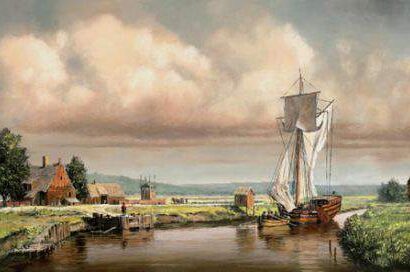
In 2004, archaeologists Paul Huey and Jim Bradley led Len Tantillo across a recently turned field along a creek on the east side of the Hudson...
In 2004, archaeologists Paul Huey and Jim Bradley led Len Tantillo across a recently turned field along a creek on the east side of the Hudson...
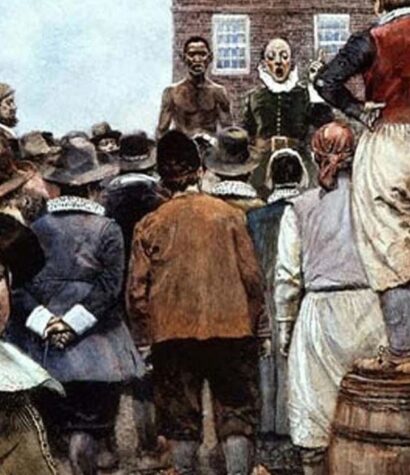
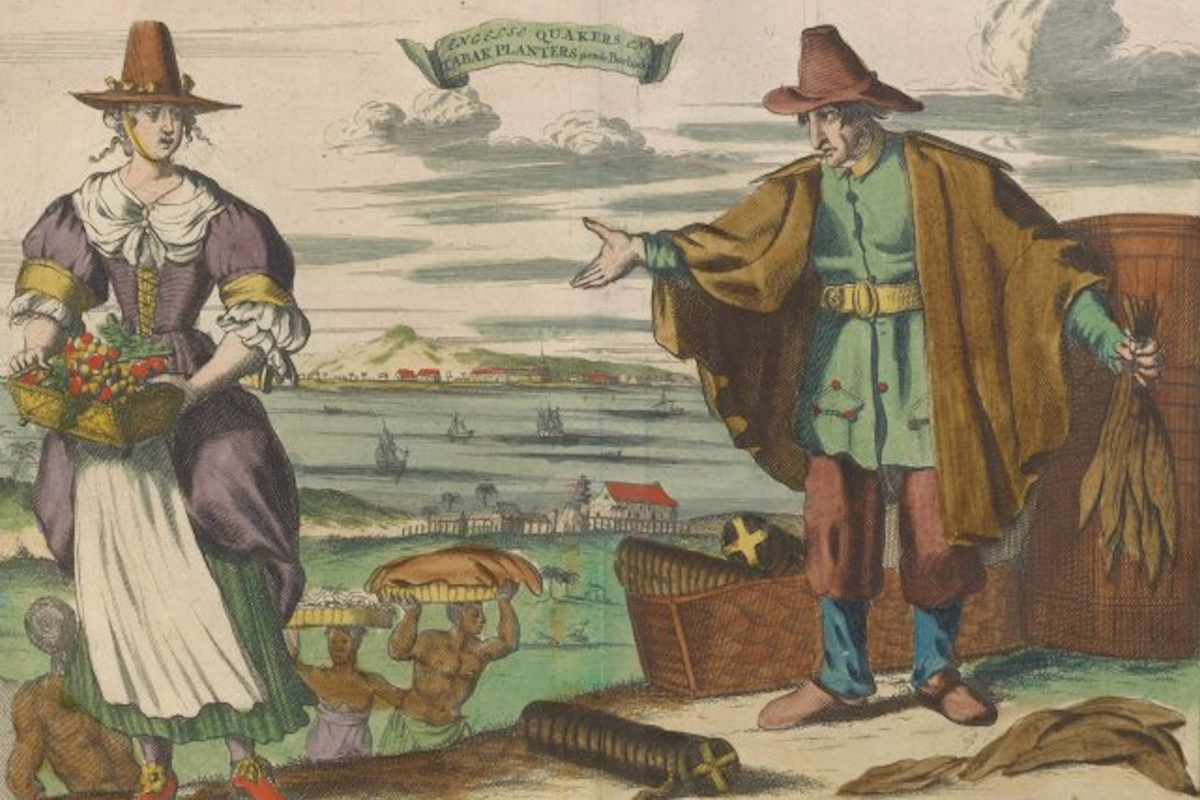
Most of New Netherland's enslaved people were brought to the colony either through the inter-colonial or transatlantic slave trade. The first enslaved laborers arrived in New Netherland as early as 1625.
Recommended books on New Netherland and the Dutch Atlantic World, ideal for readers interested in early American history, colonial studies, and Dutch cultural influence. Organized by themes—including general histories, religion, slavery, women, Native American relations, and post-1664 Dutch communities—this list offers a focused introduction to the Dutch impact on early America.
This bibliography centers on Maria Jansz’s appearances in the Fort Orange Court Minutes and offers further reading on women’s legal, social, and economic roles in New Netherland and Colonial New York. These works explore themes of property rights, gender and law, trading networks, and transatlantic connections, highlighting the lives and agency of women in early Dutch and English colonial society.
A abaft the beam – behind a perpendicular line extending out from the middle of the boat Abeam – At right angles to, or beside, the boat Aboard –...
Important General Considerations Spelling Standards – ij is expressed as y – Name endings ss, sz., or sen have been standardized to sz – When...
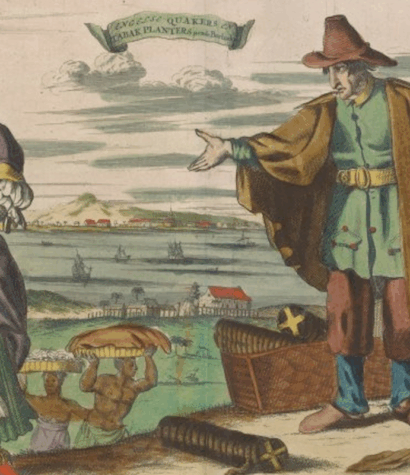
A comprehensive bibliography highlighting scholarship on slavery, African American life, intercultural relations, and the Atlantic Creole experience in New Netherland and Colonial New York. These works explore the roles of Africans and African Americans in the Dutch Atlantic world, from early settlement and cultural exchange to resistance, emancipation, and legacy.