Exploring Dutch Heritage Through Research 

Exploring Dutch Heritage Through Research 

2 Min Read

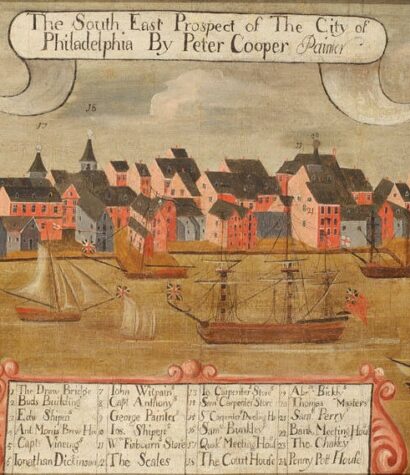
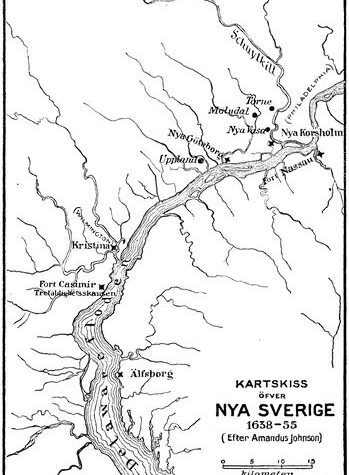
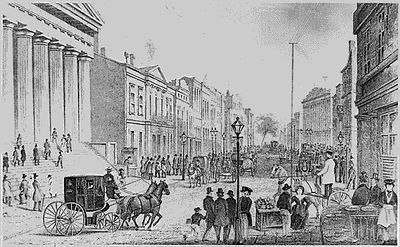
Philadelphia was founded during the English period in 1681 by William Penn, but European presence dated back to 1646, when Dutch, Swedish, and English groups competed for land and fur trade.
2 Min Read

Today’s Delaware River—once the Dutch “South River”—was a key trade route. Cities like Wilmington and Trenton emerged here, and Delaware’s origins trace to the short-lived Dutch settlement of Swaanendael.

3 Min Read

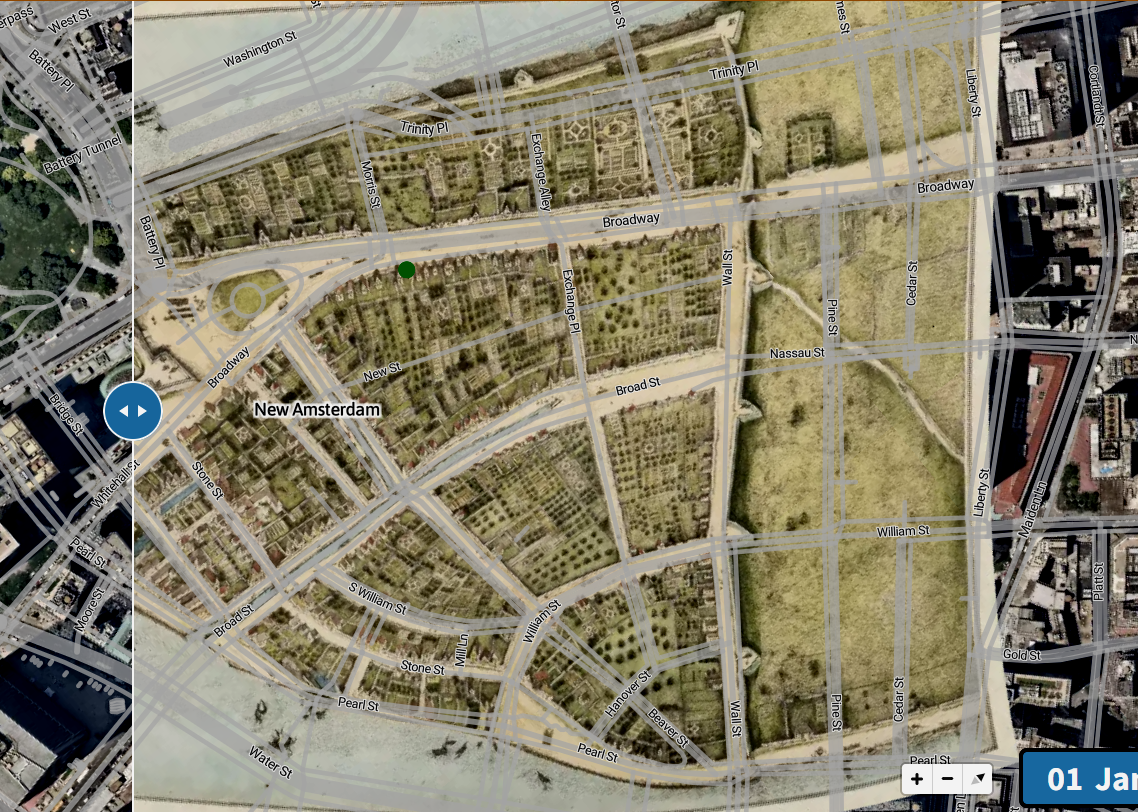
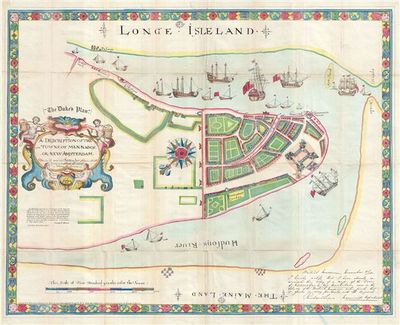
Wall Street takes its name from the wooden wall the Dutch erected in the 1650s to protect New Amsterdam from potential British or Native attacks. The wall stood near today's Wall Street.
2 Min Read

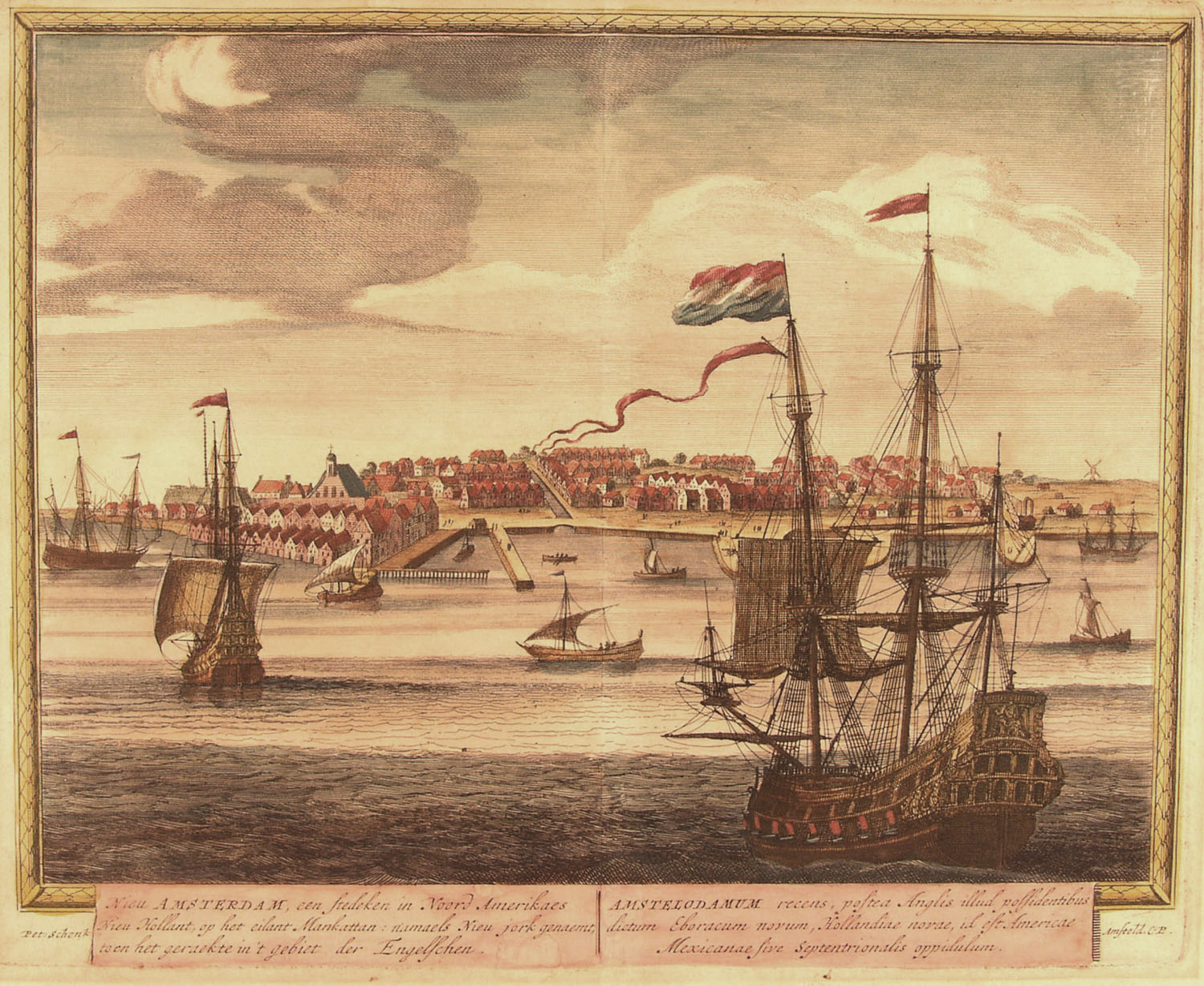
New Amsterdam, the Dutch capital on Manhattan’s southern tip, had just fifteen streets and under 1,000 residents. Yet its multicultural makeup—18 languages, many ethnicities—laid the foundation for New York City’s diversity.
3 Min Read

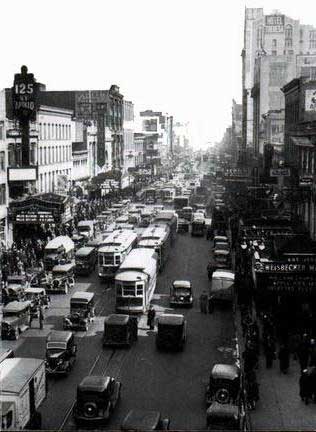
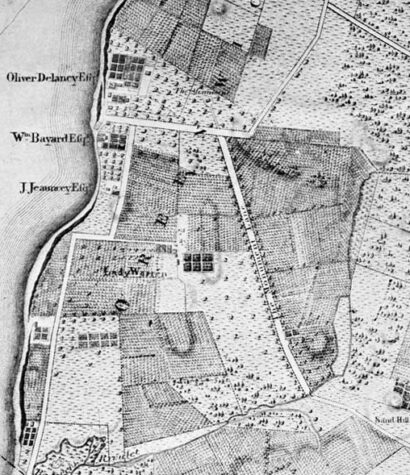
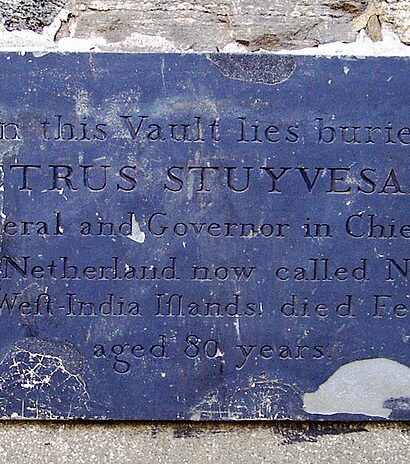
To defend New Amsterdam from northern threats, the Dutch encouraged settlement on Manhattan’s flat northern lands, known as Muscoota. Early plantation efforts failed, but in 1658, Petrus Stuyvesant established a garrisoned village there.

3 Min Read

During the Dutch period, the area north of New Amsterdam was called Noortwyck. In the 1670s, Yellis Mandeville renamed it Greenwich, likely an Anglicization of the Dutch "Greenwijck," meaning Pine District.
3 Min Read

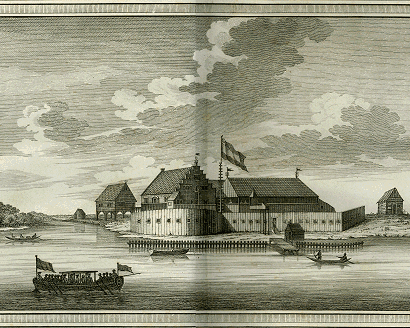
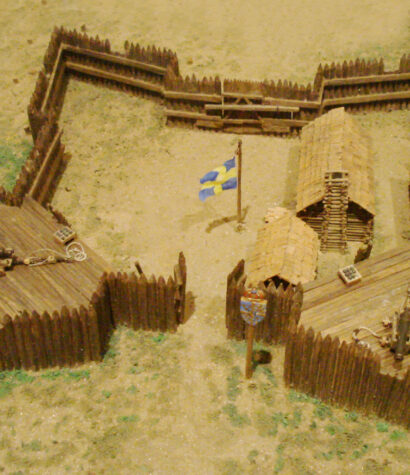
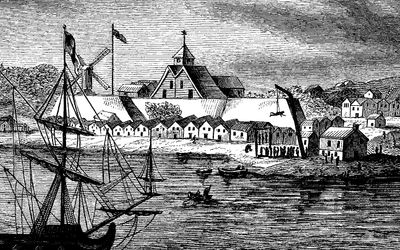
In the seventeenth century, forts were essential for trade and defense. Once Manhattan was chosen as New Netherland’s center, establishing a fort there was an obvious and necessary first step.
2 Min Read

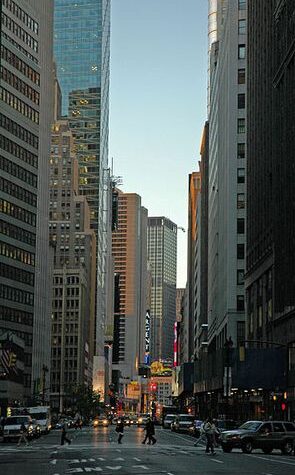
The Dutch widened the southern reaches of the trail, making it into a proper road where it led straight into Fort Amsterdam. They called it de Heere Straat--the Gentlemen's Street. Under the English it became Broadway.

3 Min Read

The Dutch established large farms north of New Amsterdam, including the famed Bowery Number One. Bowery Lane connected them to the city, eventually evolving into today’s Bowery between Chinatown and the Lower East Side.

1 Min Read

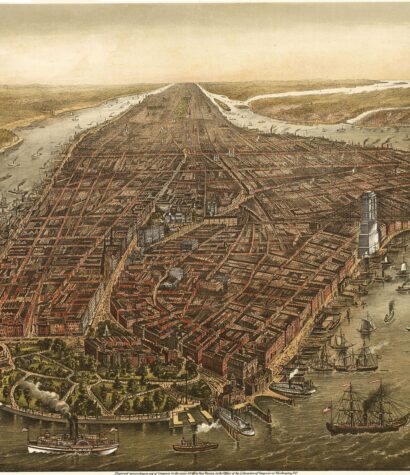
Manhattan was a natural choice for New Netherland's capital—defensible, well-positioned for trade, and known to natives long before Europeans arrived. Its name, derived from a Delaware word for bow-making wood, endured.

2 Min Read

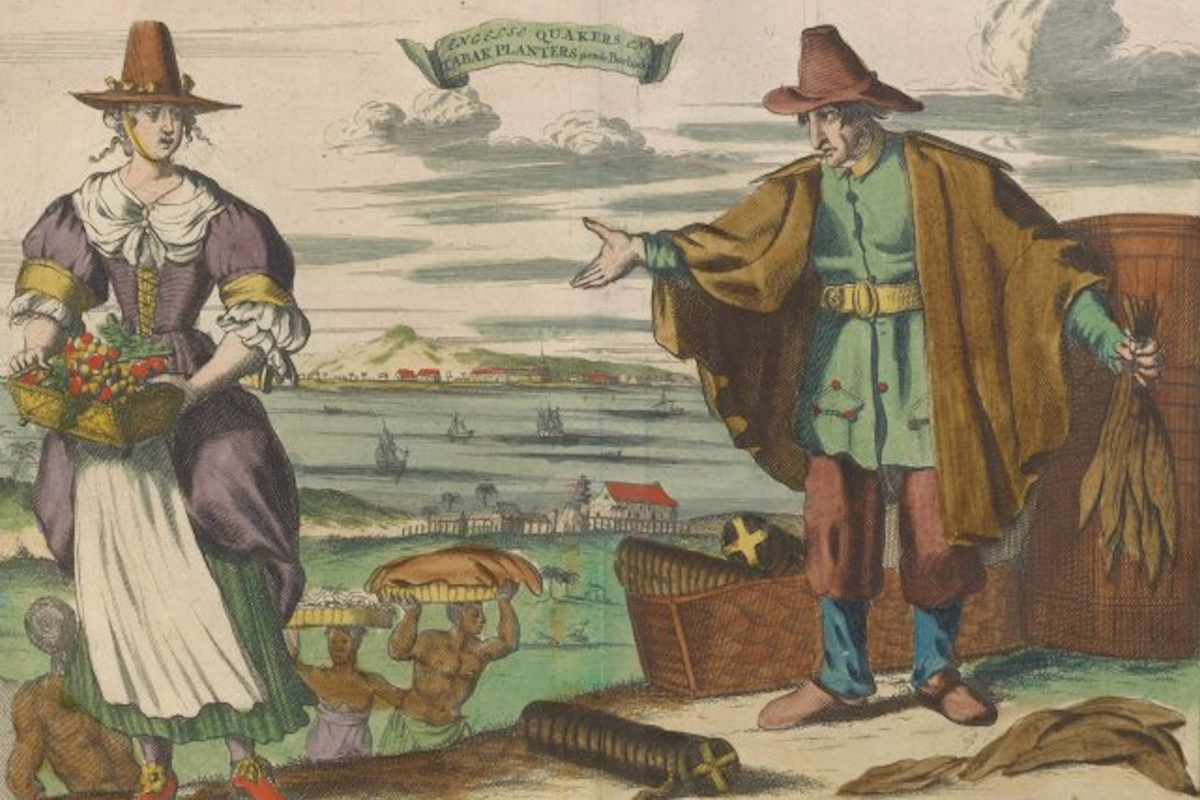
The town of Vlissingen, later Flushing, became a center of religious controversy in the 1650s. Quaker residents defied Dutch restrictions, prompting a crackdown by Director-General Petrus Stuyvesant.

2 Min Read

In 1643, Anthony Jansen Van Salee received land on Long Island. Later settled and organized by Jacques Cortelyou, it became New Utrecht, named for Cornelius van Werckhoven’s Dutch hometown.

About New Netherland Institute

For over three decades, NNI has helped cast light on America's Dutch roots. In 2010, it partnered with the New York State Office of Cultural Education to establish the New Netherland Research Center, with matching funds from the State of the Netherlands. NNI is registered as a 501(c)(3) non-profit organization. Contributions are tax-deductible to the extent permitted by law.

About New Netherland Institute

For over three decades, NNI has helped cast light on America's Dutch roots. In 2010, it partnered with the New York State Office of Cultural Education to establish the New Netherland Research Center, with matching funds from the State of the Netherlands. NNI is registered as a 501(c)(3) non-profit organization. Contributions are tax-deductible to the extent permitted by law.