
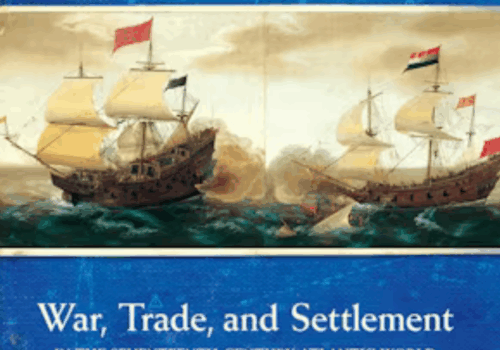
In The Dutch Moment, Wim Klooster shows how the Dutch built and eventually lost an Atlantic empire that stretched from the homeland in the United Provinces to the Hudson River and from Brazil and the Caribbean to the African Gold Coast.

In 1585, the Dutch pledged Vlissingen to England for a loan. After regaining it, residents—including English soldiers—launched a 1616 Amazon colony. They prospered briefly through Indigenous alliances and trade, but Portuguese aggression forced the settlers to abandon the venture and return home.
By 1663, fears of an English invasion gripped New Netherland. Peter Stuyvesant convened rare assemblies to plan defense, but the colony remained divided—villages refused aid, officials prioritized self-protection, and colonists, frustrated by neglect, threatened allegiance to another government for safety.
In 1748, a mixed-race infant named Philip arrived in Somerset County, New Jersey. Born to a white mother and Black father, he was placed with a wet nurse through the Van Horne household—an arrangement revealing race, class, and maternal identity in colonial society.
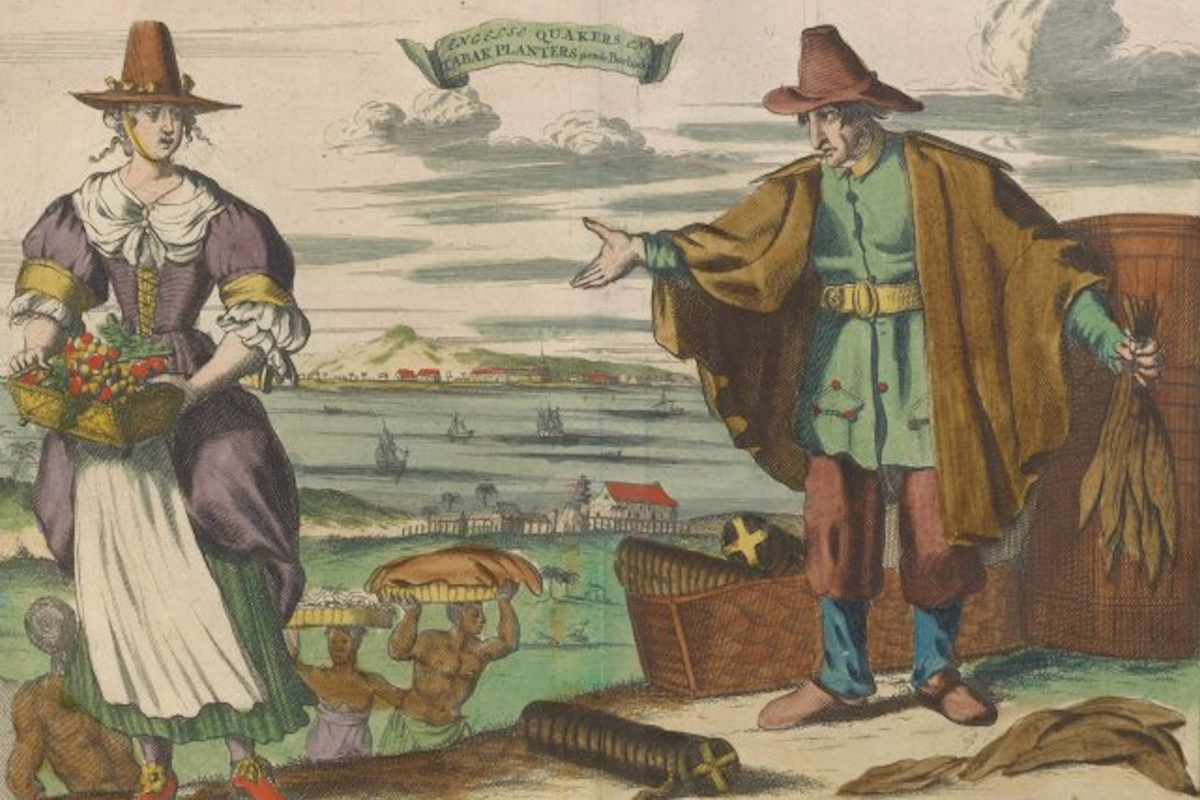
In 1654, Beverwijck tavernkeeper Maria Jansz was repeatedly prosecuted for selling brandy to Native customers. Despite initial denial, she confessed, reoffended, and was fined and banished for a year. Her husband then obtained a divorce rather than accompany her into exile.
In June 1743, three sailors aboard the schooner Rising Sun mutinied, killing captain Newark Jackson, supercargo George Ledain, and two crew members after a slave-trading voyage to Suriname. This case reveals how Dutch archives illuminate the history of British colonial America.
Despite their essential role, Dutch Atlantic sailors remain largely unseen in history. Their voyages were perilous—battling enemy ships, storms, hunger, disease, and abuse aboard poorly equipped vessels. Enduring deprivation and danger, sailors sometimes resisted the harsh conditions imposed upon them.
Privateers, naval warfare, and Atlantic rivalry shaped the world of New Netherland. The Dutch West India Company’s raids on Iberian ships—and the spoils they brought—were vital to the colony’s survival and prosperity in seventeenth-century New Amsterdam.
In 1684 Schenectady, constable and enslaver Jacob Sanders sued Frenchman Matthys Boffie for threatening to poison and kill Pey, an enslaved woman. Boffie claimed a relationship and children with her, offered to buy her, was refused, and allegedly threatened murder-suicide.
In August 1664, the WIC ship Gideon arrived in New Amsterdam with 290 enslaved Africans, doubling the colony’s enslaved population. Though the voyage was momentous, almost nothing is known about those forced aboard or the ordeal they endured to reach the city.
Save the Date: join us at the New York Historical for our annual conference on Saturday November 15. More details to come.
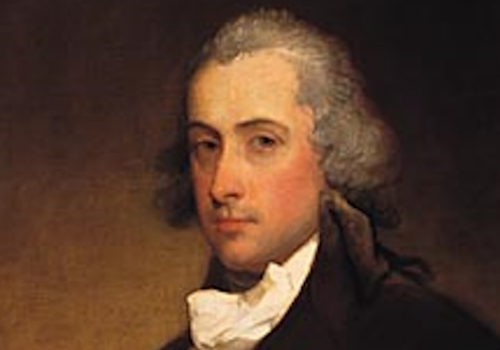
With assets at his death worth approximately $10,000,000, or 1/65 of the nation's Gross Domestic Product, Fortune magazine listed Stephen III as the tenth richest American of all-time. In 2006
History Research Stories Education TRANSLATIONS Research Dutch Records HISTORY Explore our Archives RESEARCH Resource Tools
Further Readings This bibliography gathers key works on Dutch influence in colonial America, with a focus on New Netherland, the Hudson Valley, and the transition...
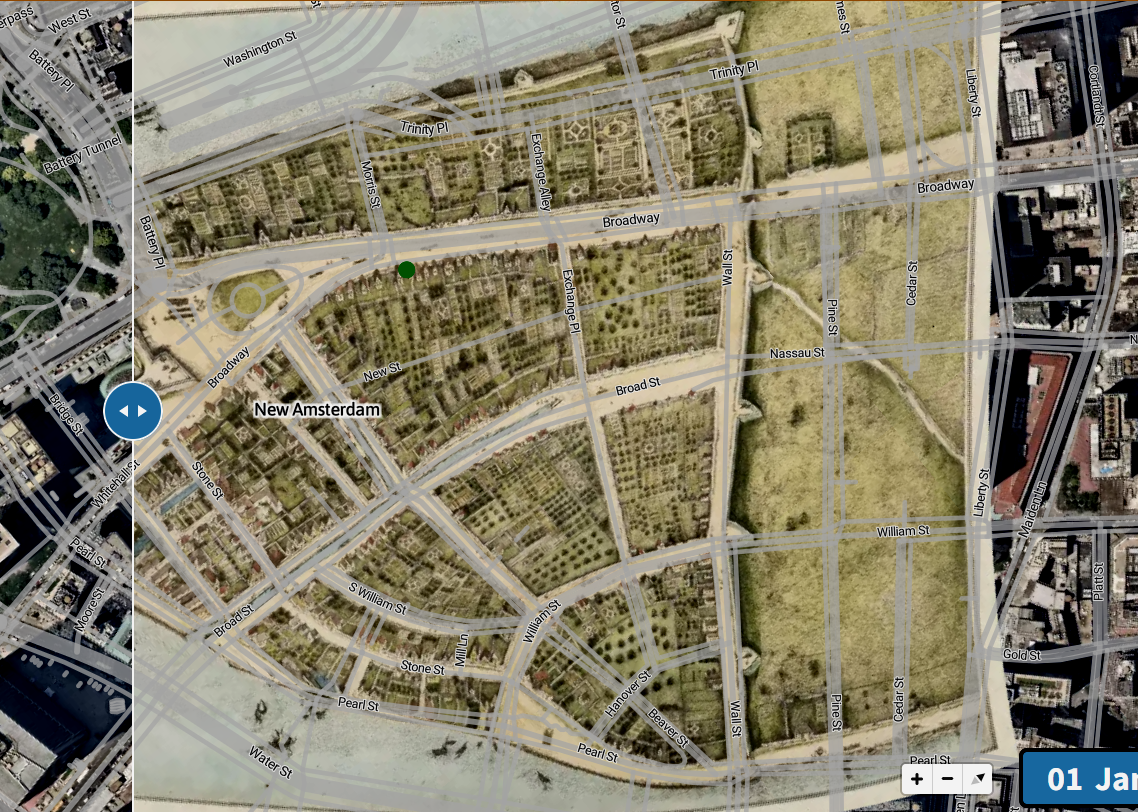
3D Castello Plan, New Amsterdam in 1660 New Amsterdam History’s Center’s Mapping Early New York Project The Mapping Early New York Project overlays the Castello plan with...
Classroom Questions Designed to improve reading comprehension and to prompt analysis of What Was New Netherland. – (downloadable)
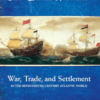
In The Dutch Moment, Wim Klooster shows how the Dutch built and eventually lost an Atlantic empire that stretched from the homeland in the United Provinces to the Hudson River and from Brazil and the Caribbean to the African Gold Coast.
In 1585, the Dutch pledged Vlissingen to England for a loan. After regaining it, residents—including English soldiers—launched a 1616 Amazon colony. They prospered briefly through Indigenous alliances and trade, but Portuguese aggression forced the settlers to abandon the venture and return home.
By 1663, fears of an English invasion gripped New Netherland. Peter Stuyvesant convened rare assemblies to plan defense, but the colony remained divided—villages refused aid, officials prioritized self-protection, and colonists, frustrated by neglect, threatened allegiance to another government for safety.
In 1748, a mixed-race infant named Philip arrived in Somerset County, New Jersey. Born to a white mother and Black father, he was placed with a wet nurse through the Van Horne household—an arrangement revealing race, class, and maternal identity in colonial society.
In 1654, Beverwijck tavernkeeper Maria Jansz was repeatedly prosecuted for selling brandy to Native customers. Despite initial denial, she confessed, reoffended, and was fined and banished for a year. Her husband then obtained a divorce rather than accompany her into exile.
In June 1743, three sailors aboard the schooner Rising Sun mutinied, killing captain Newark Jackson, supercargo George Ledain, and two crew members after a slave-trading voyage to Suriname. This case reveals how Dutch archives illuminate the history of British colonial America.
Despite their essential role, Dutch Atlantic sailors remain largely unseen in history. Their voyages were perilous—battling enemy ships, storms, hunger, disease, and abuse aboard poorly equipped vessels. Enduring deprivation and danger, sailors sometimes resisted the harsh conditions imposed upon them.
Privateers, naval warfare, and Atlantic rivalry shaped the world of New Netherland. The Dutch West India Company’s raids on Iberian ships—and the spoils they brought—were vital to the colony’s survival and prosperity in seventeenth-century New Amsterdam.
In 1684 Schenectady, constable and enslaver Jacob Sanders sued Frenchman Matthys Boffie for threatening to poison and kill Pey, an enslaved woman. Boffie claimed a relationship and children with her, offered to buy her, was refused, and allegedly threatened murder-suicide.
In August 1664, the WIC ship Gideon arrived in New Amsterdam with 290 enslaved Africans, doubling the colony’s enslaved population. Though the voyage was momentous, almost nothing is known about those forced aboard or the ordeal they endured to reach the city.
Save the Date: join us at the New York Historical for our annual conference on Saturday November 15. More details to come.

With assets at his death worth approximately $10,000,000, or 1/65 of the nation's Gross Domestic Product, Fortune magazine listed Stephen III as the tenth richest American of all-time. In 2006
History Research Stories Education TRANSLATIONS Research Dutch Records HISTORY Explore our Archives RESEARCH Resource Tools
Further Readings This bibliography gathers key works on Dutch influence in colonial America, with a focus on New Netherland, the Hudson Valley, and the transition...

3D Castello Plan, New Amsterdam in 1660 New Amsterdam History’s Center’s Mapping Early New York Project The Mapping Early New York Project overlays the Castello plan with...
Classroom Questions Designed to improve reading comprehension and to prompt analysis of What Was New Netherland. – (downloadable)