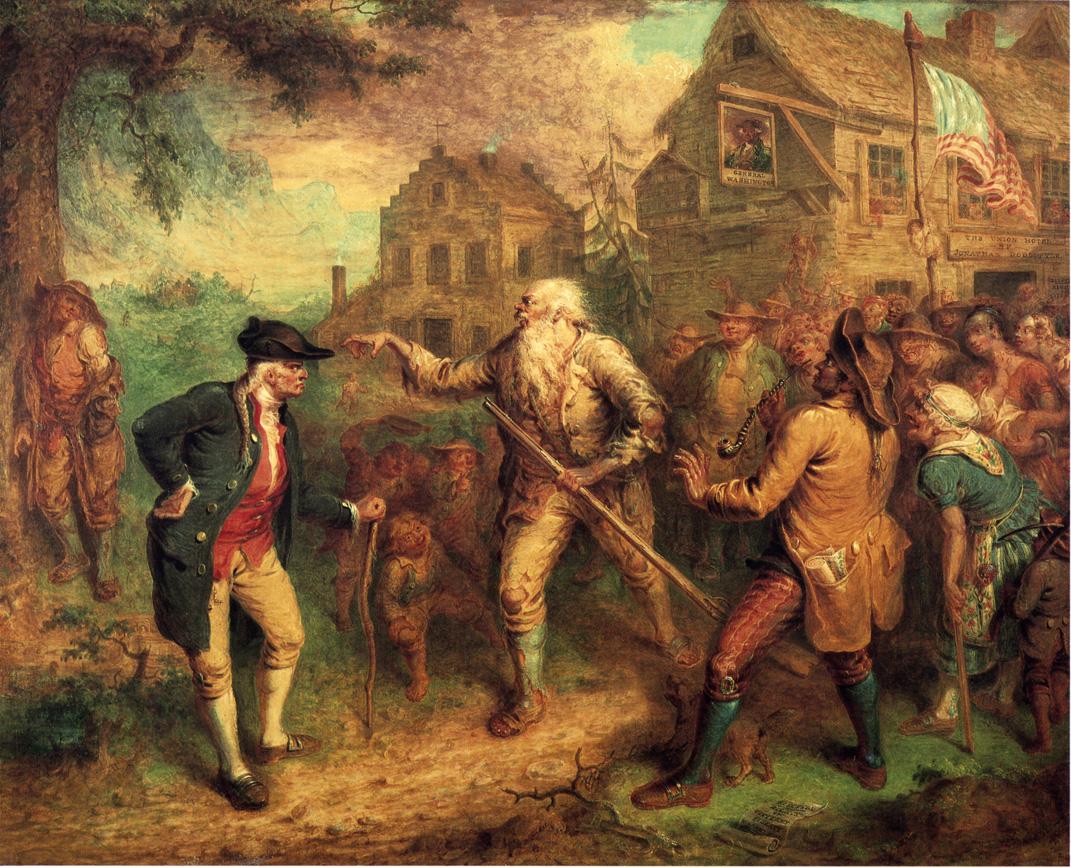
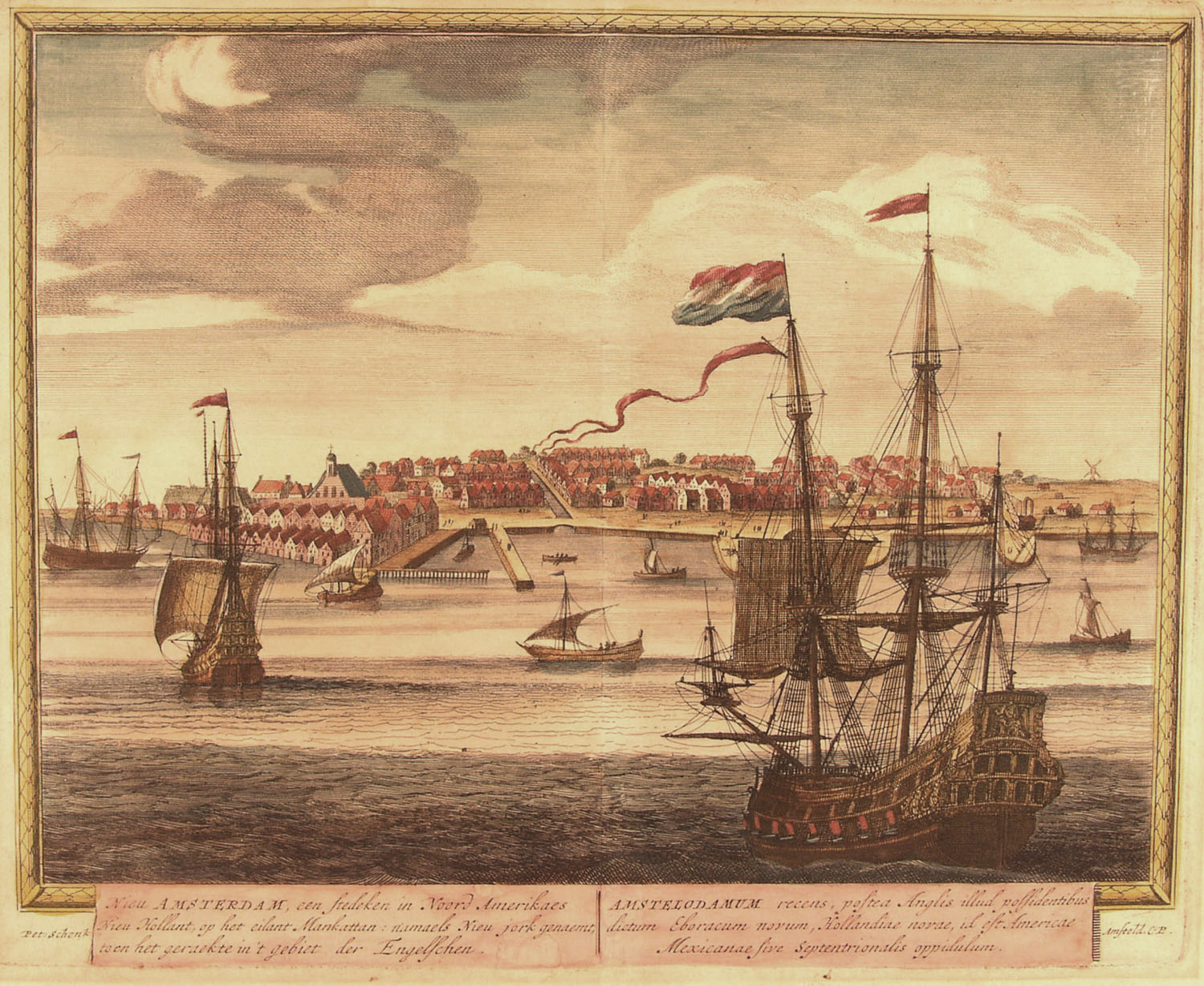
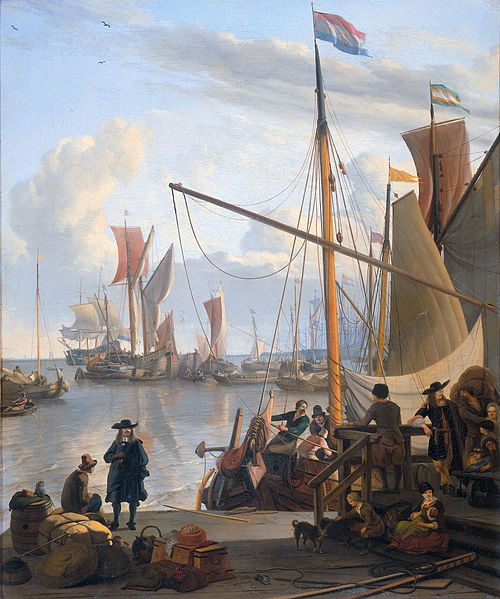

The third season of Live From New Amsterdam will begin on Thursday, October 30, 2025 when Russell Shorto speaks to Dr. Elisabeth Paling Funk about her new book, The Dutch World of Washington Irving, out now with Cornell University Press and part of our New Netherland Institute book series.
On April 2, 2025 Charly Gehring officially retired after 50 years of translation work. Read Paul Grondahl’s tribute to Charly in the April 9th Albany Times Union here.
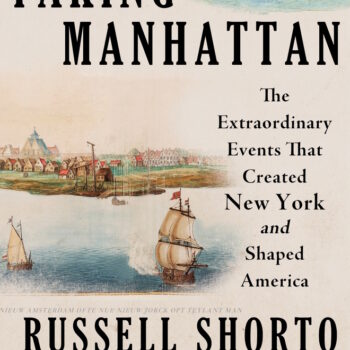
Why is New York the archetypal modern city – brash, bold, pulsing with energy? The author of The Island at the Center of the World offers up a thrilling narrative of how New York came to be.
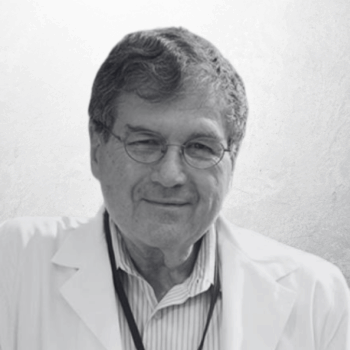
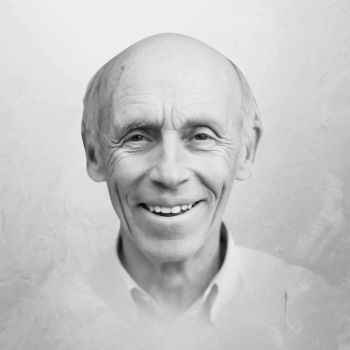
George F. Vande Woude was a pioneering Dutch-American cancer researcher, renowned for discovering the MET oncogene and leading major programs at the Van Andel Institute and National Cancer Institute.
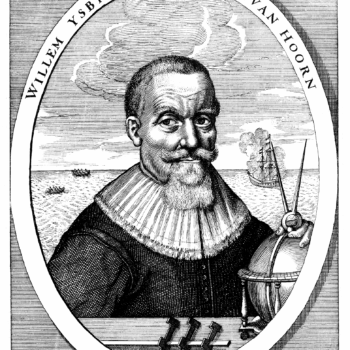
At some point in the last 350 years, the expression een reis van Bontekoe [a Bontekoe journey] entered the Dutch language. It signifies a journey or enterprise that meets with unusually bad luck or significant obstacles. However, there is no connotation of failure here—on the contrary, it implies that the difficulties were overcome. The “Bontekoe” of the phrase is a Dutch East India Company (VOC) skipper called Willem Ysbrandtzoon Bontekoe.
Most dictionaries will give you only one definition of the word “waggoner,” that is, the driver of a wagon. They will also let you know that the preferred spelling is now “wagoner,” the other spelling being chiefly British.
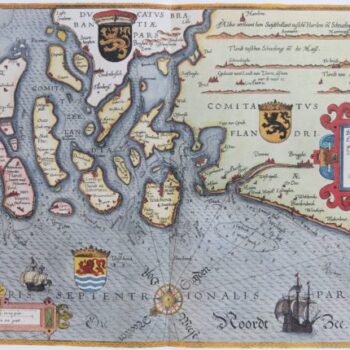
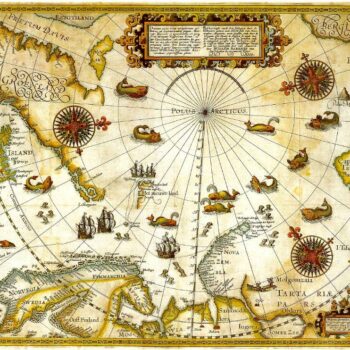
Starting in the 15th century the colonial and maritime nations of Europe were consumed by the need to find a faster navigable route to the trading nations of Asia. Voyages to the Far East
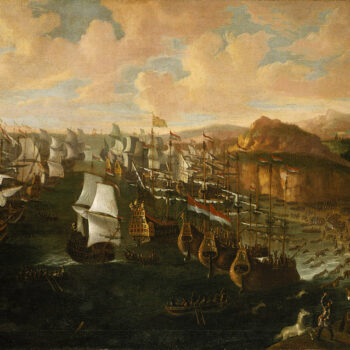
Over the centuries the seas surrounding Great Britain have helped to halt or deter many invading forces. The most significant of these were the Spanish Armada in 1588, Napoleon Bonaparte in 1803–05, and Nazi Germany’s Operation “Seelöwe” in 1940.
The title is an acronym for the Australian Netherlands Committee on Old Dutch Shipwrecks. It was established in 1972 to maintain the sites and artifacts from the wrecks of 17th- and 18th-century Dutch ships off the coast of Western Australia.
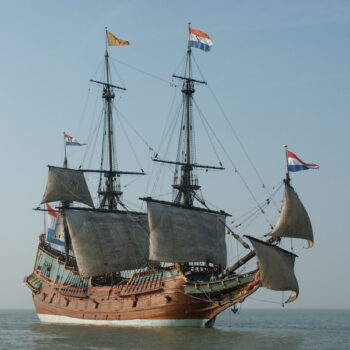
C. Carl Pegels was a Dutch-born American academic and writer focused on Dutch American heritage