
D. L. Noorlander argues that the Reformed Church and the West India Company forged and maintained a close union, with considerable consequences across the seventeenth century.
The settlers of New Netherland were obligated to uphold religious toleration as a legal right by the Dutch Republic’s founding document, the 1579 Union of Utrecht
This work examines the Middle Colonies—New York, New Jersey, and Pennsylvania—as a region at the center of imperial contests among competing European powers and Native American nations and at the fulcrum of an emerging British-Atlantic world of culture and trade.
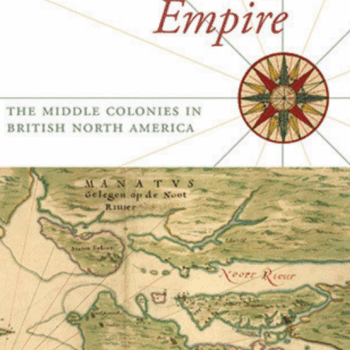
This work examines the Middle Colonies—New York, New Jersey, and Pennsylvania—as a region at the center of imperial contests among competing European powers and Native American nations and at the fulcrum of an emerging British-Atlantic world of culture and trade.
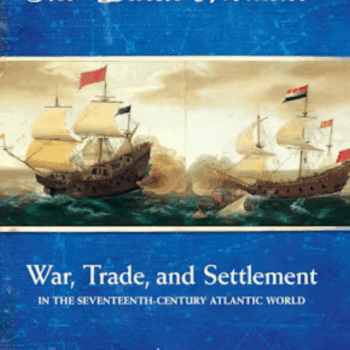
In The Dutch Moment, Wim Klooster shows how the Dutch built and eventually lost an Atlantic empire that stretched from the homeland in the United Provinces to the Hudson River and from Brazil and the Caribbean to the African Gold Coast.
In 1585, the Dutch pledged Vlissingen to England for a loan. After regaining it, residents—including English soldiers—launched a 1616 Amazon colony. They prospered briefly through Indigenous alliances and trade, but Portuguese aggression forced the settlers to abandon the venture and return home.
By 1663, fears of an English invasion gripped New Netherland. Peter Stuyvesant convened rare assemblies to plan defense, but the colony remained divided—villages refused aid, officials prioritized self-protection, and colonists, frustrated by neglect, threatened allegiance to another government for safety.
In 1748, a mixed-race infant named Philip arrived in Somerset County, New Jersey. Born to a white mother and Black father, he was placed with a wet nurse through the Van Horne household—an arrangement revealing race, class, and maternal identity in colonial society.
In 1654, Beverwijck tavernkeeper Maria Jansz was repeatedly prosecuted for selling brandy to Native customers. Despite initial denial, she confessed, reoffended, and was fined and banished for a year. Her husband then obtained a divorce rather than accompany her into exile.
In June 1743, three sailors aboard the schooner Rising Sun mutinied, killing captain Newark Jackson, supercargo George Ledain, and two crew members after a slave-trading voyage to Suriname. This case reveals how Dutch archives illuminate the history of British colonial America.