

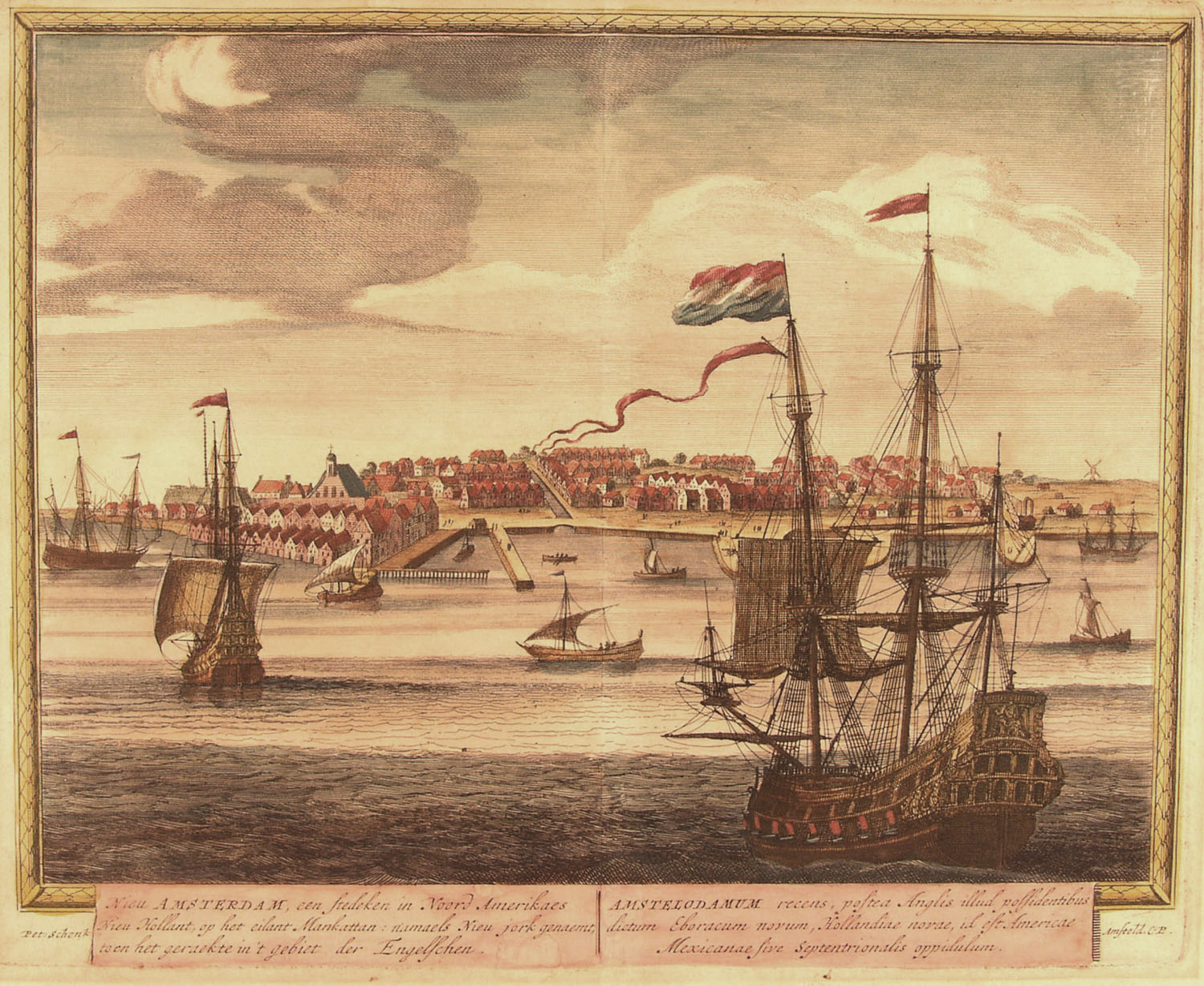
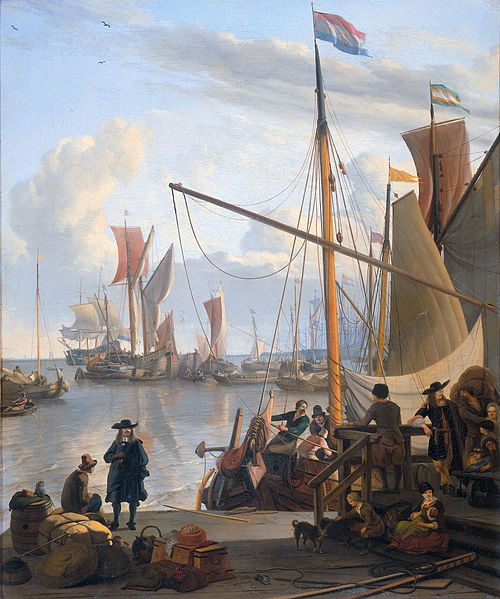

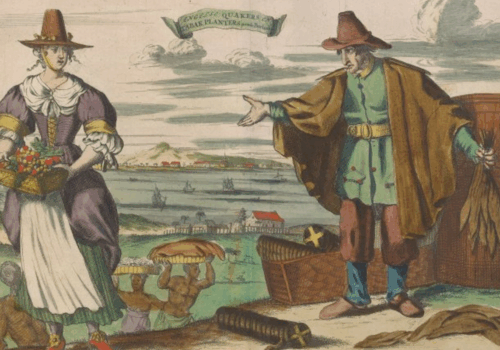
Unlike the plantation systems of the southern and Caribbean colonies, New Netherland's economy did not rely on a cash crop cultivated by unfree laborers. Nevertheless, the enslaved population proved very valuable to the colony's growth and development.
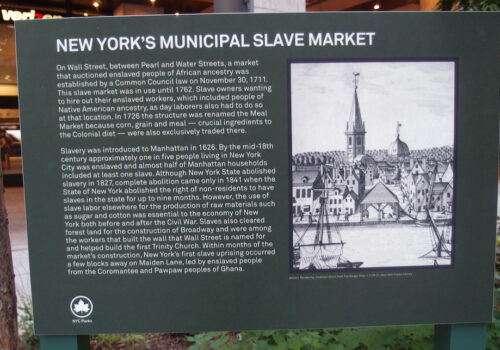
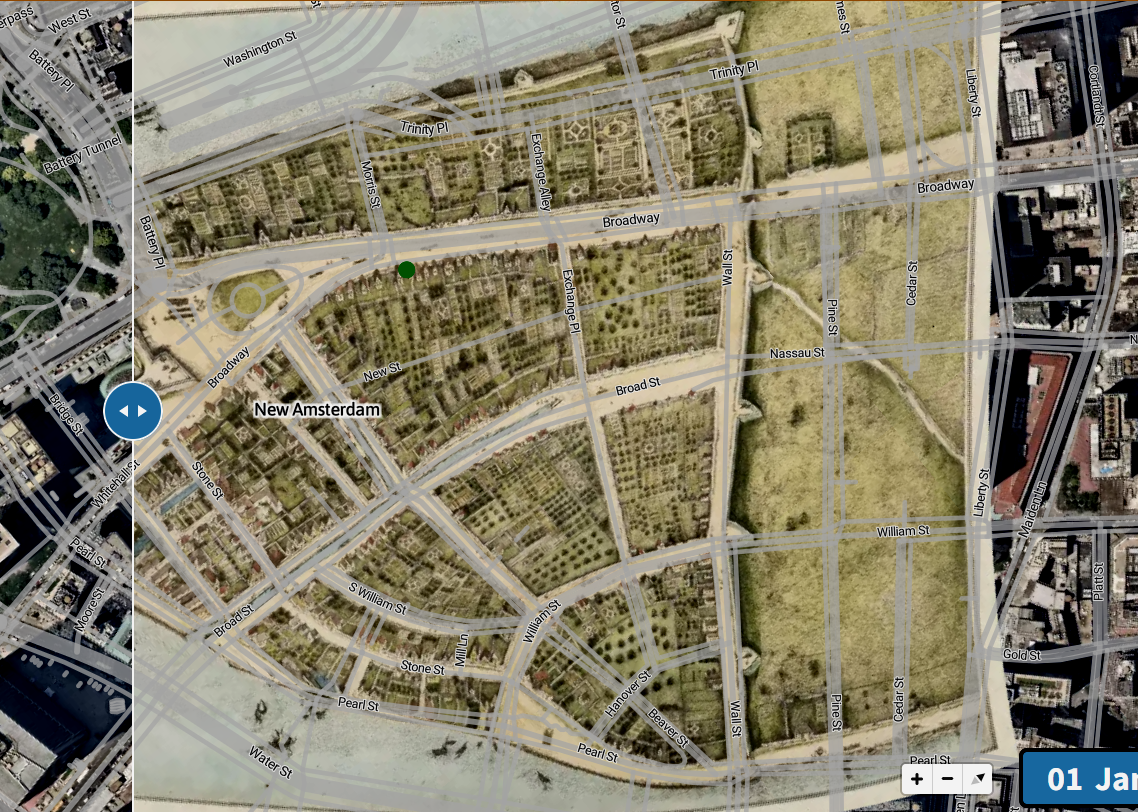
In June of 2015, Mayor Bill De Blasio unveiled a plaque in lower Manhattan to commemorate the eighteenth-century slave market that once operated at the foot of Wall Street.
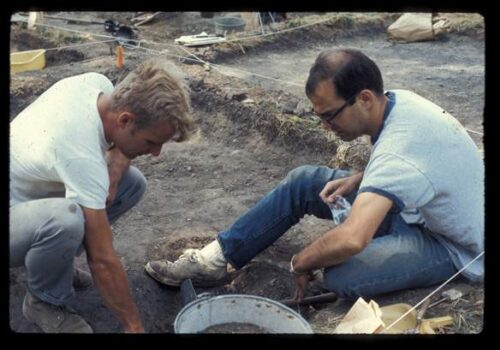
In the 1970s, planned development threatened the Flatts. Excavations, advocacy, and community support preserved the site. By 2002, it became Schuyler Flatts Cultural Park, a National Historic Landmark and public treasure.
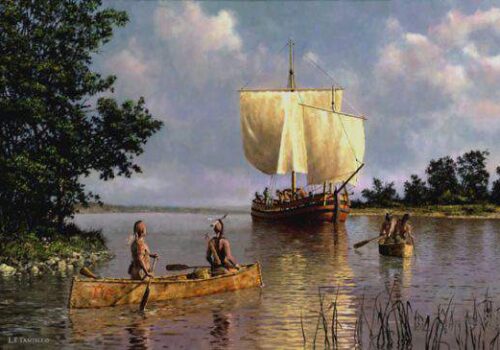
In 1650, Arent van Curler joined an embassy to the Mohawks, shaping its diplomacy. Len Tantillo’s painting imagines everyday trade—bark canoes, Flatts horses, and gifts of sewant exchanged along the river.
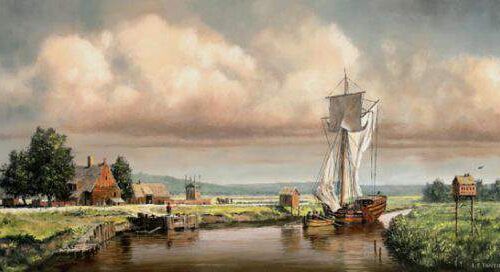
In 2004, archaeologists Paul Huey and Jim Bradley led Len Tantillo across a recently turned field along a creek on the east side of the Hudson...
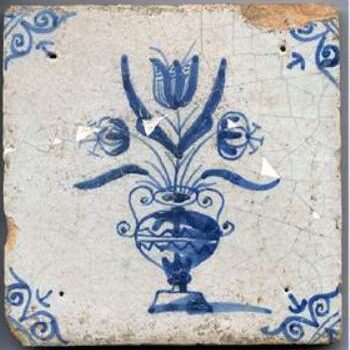
From the estate of Rutger Jacobsen, Arent bought a painting for 85 guilders, a ring for 39, and a silver beaker for 68. These articles joined other staples and luxuries which a prosperous burgher expected to enjoy.
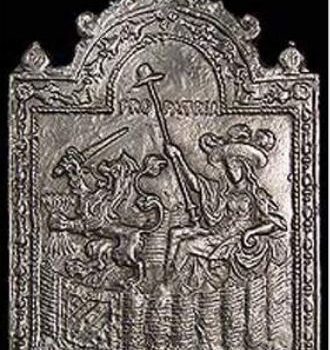
Arent grew up in a hallehuis, a Dutch farmhouse combining home and barn. Excavations at the Flatts reveal similar features—cellars, structural upgrades, and artifacts—matching his 1643 description and rising prosperity.
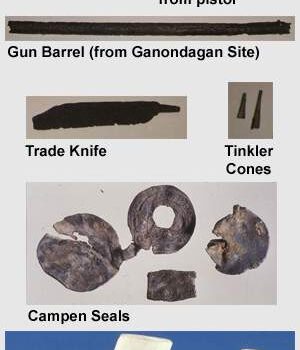
By 1648, Arent van Curler traded Edward Bird pipes and custom firearms at the Flatts. Excavations reveal over 125 EB pipes and evidence of on-site gun assembly, repair, and Native trade.
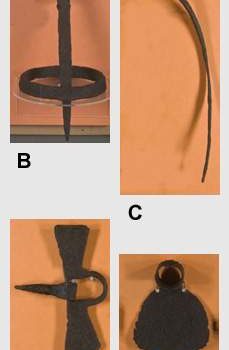
In 1651, Captain Slijter called Arent van Curler’s Flatts the best farm in the Colonie—44 morgens of rich land, fine horses, thriving cattle, and Dutch tools unearthed centuries later.
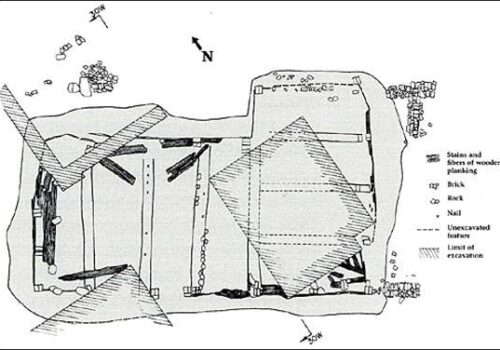
In 1643, Arent van Curler farmed the Flatts but dreamed of land beyond the pines. By 1660, he founded Schenectady; the Flatts later passed to Philip Schuyler.
In 1644, Arent van Curler delayed his return to New Netherland, securing a six-year lease to the Flatts. There, he built a thriving farm—despite wolves, runaway pigs, and hard decisions.
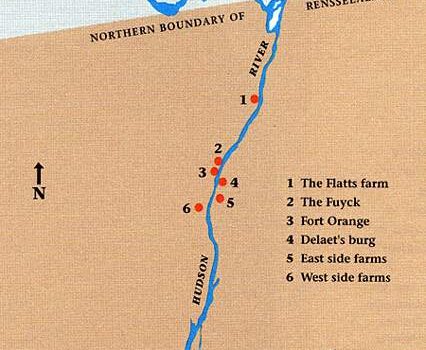
Arent did not wait for the patroon’s blessing to develop the Flatts. He built a house 30 feet long for carpenters and farmhands. His men planted oats on a dozen morgens of land. By the next autumn he hoped for as much grain as the best farm in the Colony.