

The Dutch West India Company established colonies in these distant and distinct regions, yet their plans for them were surprisingly similar. Melissa Morris and Deborah Hamer will discuss how Dutch colonialism in the Guianas shaped expectations, attitudes, and activities in New Netherland
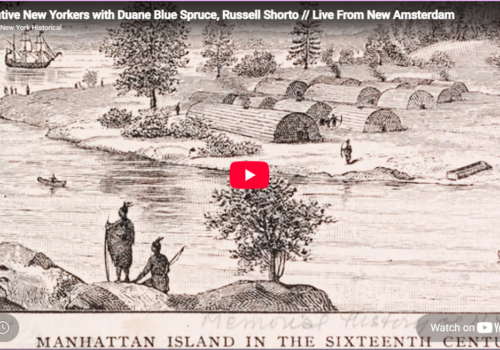
Watch this conversation about the experiences of the Native American peoples who, in the 17th century, lived in the area that would become New York City. For centuries before European colonists landed in North America, Native Americans farmed, fished, and hunted on Mannahatta and traded with other people along the waterways.

Watch a conversation about the experiences of the Black communities who lived and worked in New Amsterdam in the 17th century—and who ultimately changed the city. Under Dutch colonial rule, enslaved Black people in Manhattan lived alongside free and “half-free” Black people who sometimes owned land and property and had legal rights.
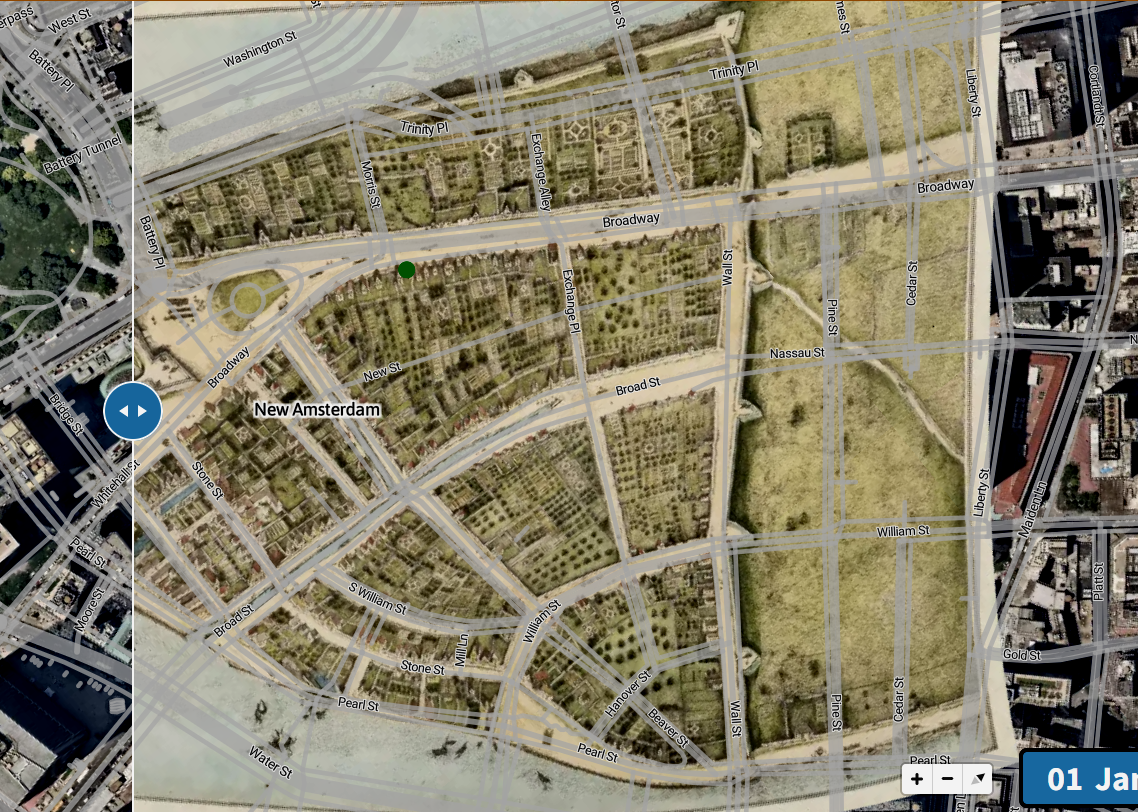
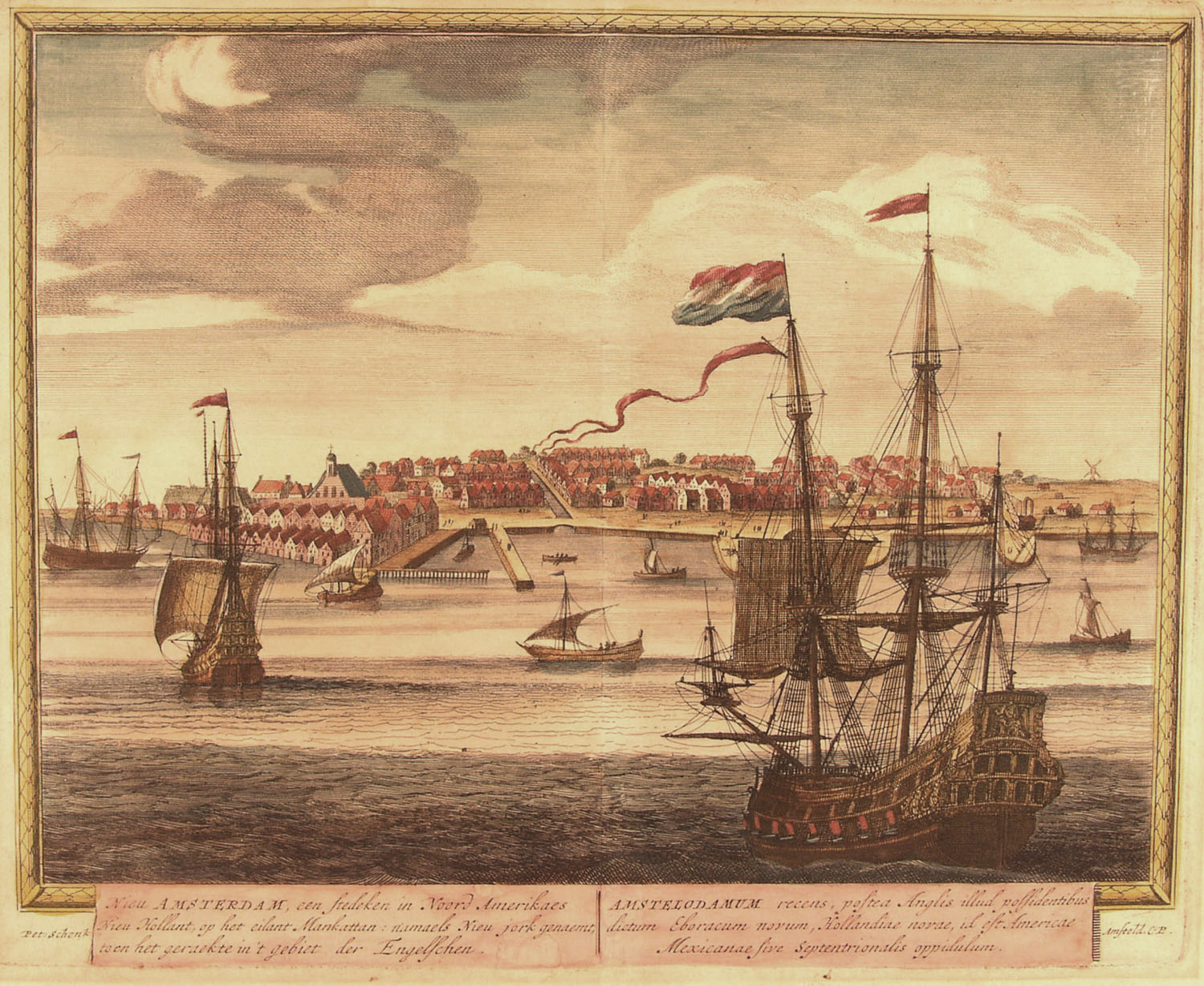
When the Dutch founded the city of New Amsterdam, at the tip of Manhattan Island, they brought three elements that would shape the city of New York: tolerance, trade, and water management. Four hundred years later, these issues are confounding the modern world.
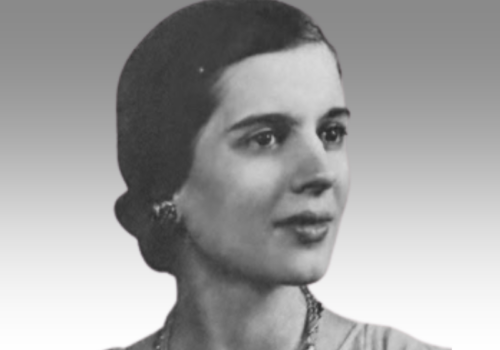
Alice P. Kenney, associate professor of history at Cedar Crest College, Allentown, Pennsylvania, was one of the early scholars keenly interested in the Dutch-American experience.
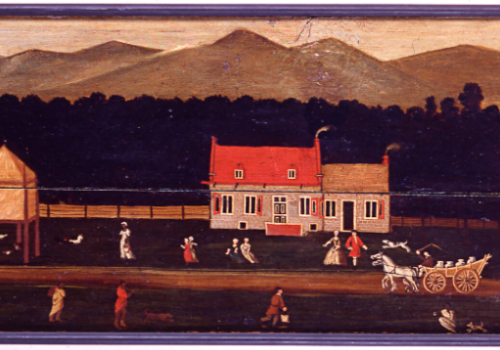
The New Netherland Institute announces a new research resource that focuses on enslavement in
the New Netherland Colony and Early New York.
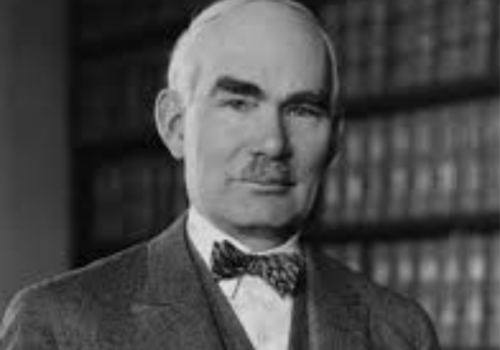
Lee de Forest (1873–1961) was an American inventor whose 1906 creation of the Audion vacuum tube revolutionized radio and helped launch the electronic age. A Yale-trained physicist, he also pioneered sound-on-film technology, later earning an Academy Award for his contribution.
The law did not immediately free any enslaved people. Instead, it guaranteed that children born to enslaved mothers after July 4, 1799 would be technically free but continue to live under their mother’s enslavers as indentured servants until they reached the age of 28 for males or 25 for females.
The document that endentures Bet a negro wench of Jacob Tice aged 2 years 4 months to Tobias Ten Eyck in Montgomery County, NY
Additional resources for African Research in New Netherland and Early Dutch New York
Studying African presence in Euro American colonial history is about striking a balance between acknowledging the horrors of slavery and finding the traces of humanity and resilience in the archive.
New Netherland and Dutch New York overlapped with the territories of many different Native peoples, all with particular social and political customs who had long pre-colonial histories of diplomacy with one another.