

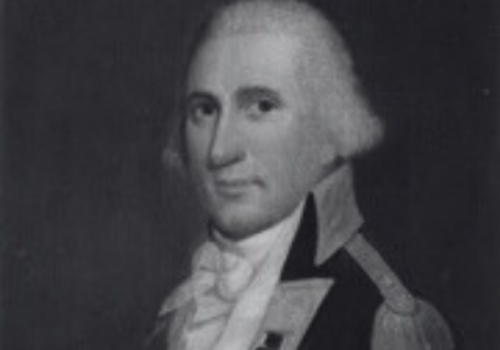
Frederick Frelinghuysen (1753–1804) was a Revolutionary War officer, lawyer, and U.S. Senator from New Jersey. Rising to Major General, he later helped ratify the Constitution and founded a political dynasty that produced several prominent American statesmen.
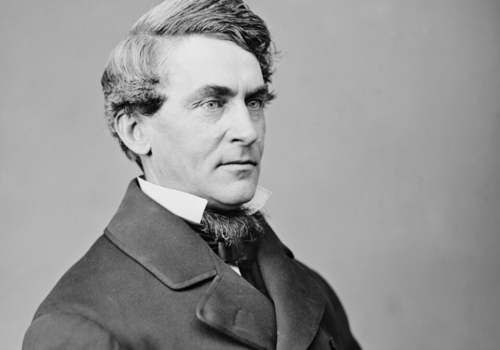
Frederick Theodore Frelinghuysen (1817–1885) was a New Jersey lawyer, U.S. Senator, and U.S. Secretary of State under President Chester A. Arthur. A member of the prominent Frelinghuysen political dynasty, he also served as New Jersey Attorney General.
This volume continues the legal record, capturing court proceedings and common disputes—property, debt, slander—similar to those in the Fort Orange and Beverwijck minutes, under a newly named court.
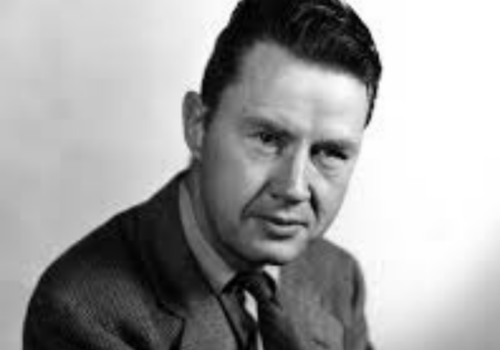
William K. Frankena (1908–1994) was a University of Michigan philosopher known internationally for his work in moral philosophy and the history of ethics. Author of the influential textbook Ethics (1963), he also served as president of the American Philosophical Association.
The records in this volume represent the next to the oldest surviving archival papers of the Dutch community that eventually became Albany, the capital of...
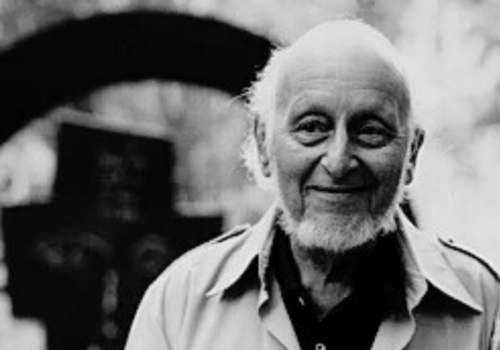
Frederick Franck (1909–2006) was a Dutch-American artist, dentist, and author known for blending art, spirituality, and humanitarian work. Founder of the Pacem in Terris sanctuary in Warwick, New York, he wrote over thirty books, including the widely read The Zen of Seeing.
PDF – Fort Orange Records, 1656-1678 translation (published book images) The records in this volume represent the oldest surviving archival papers of the Dutch community...
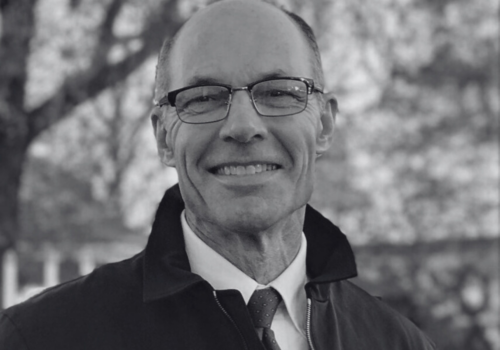
Rear Admiral Michael Franken, a University of Nebraska engineering graduate and ROTC cadet, built a distinguished U.S. Navy career commanding destroyers and task forces. In 2011 he became Commander of Combined Joint Task Force–Horn of Africa at Camp Lemonnier, Djibouti.
The Andros Papers: Files of the Provincial Secretary of New York During the Administration of Governor Sir Edmund Andros, 1674–1680 (3. vols.) PDF –...
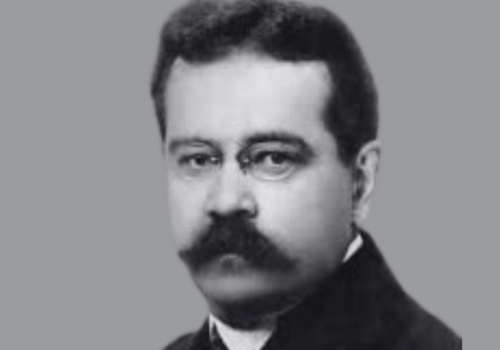
Charles Fort (1874–1932) was an American writer and researcher known for collecting unexplained phenomena that science often ignored. His influential books, including The Book of the Damned, blended satire and skepticism, giving rise to the term “Fortean” for anomalous events.