
Translation from Van Laer, Van Rensselaer Bowier Manuscripts, pp. 137-153
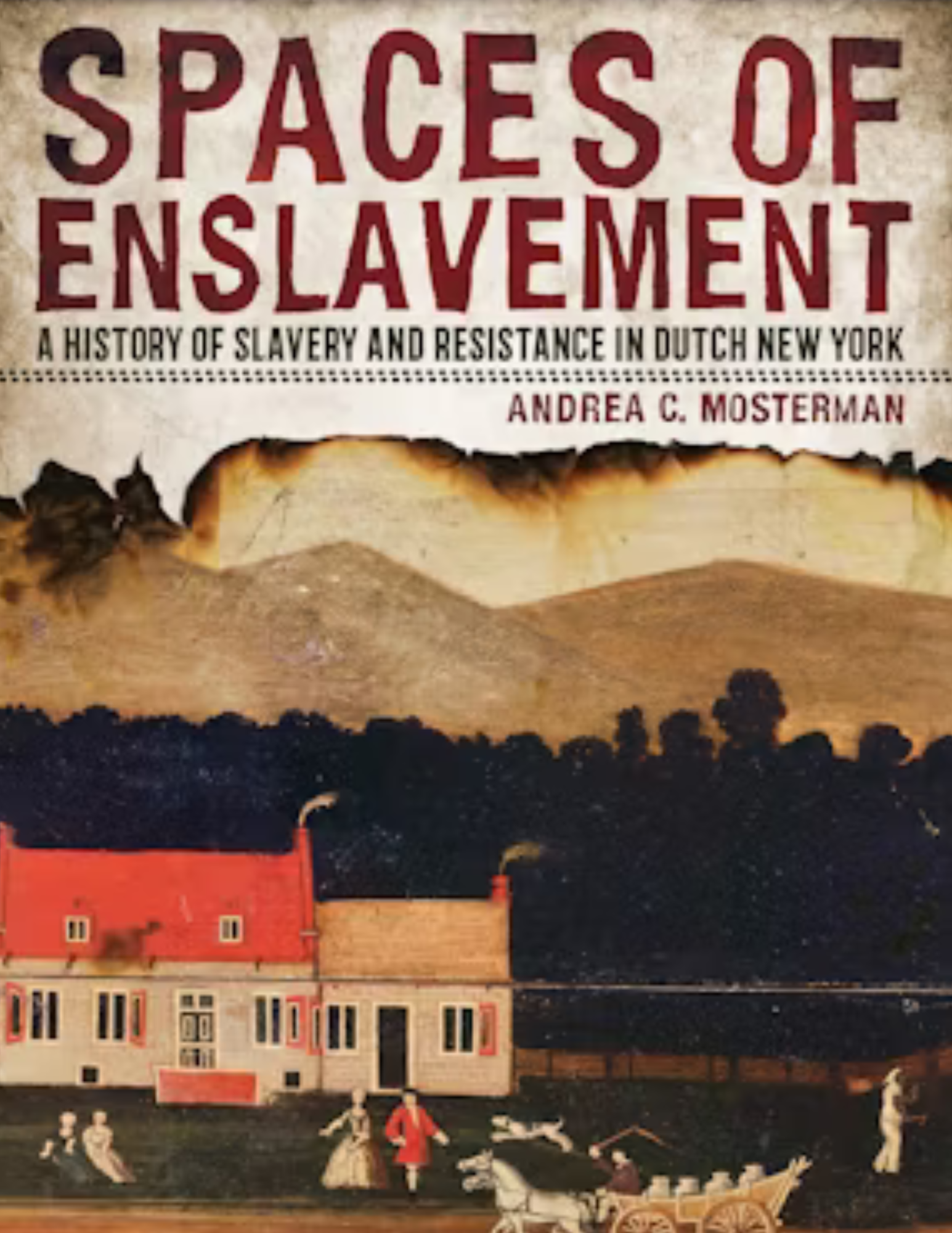
Image: Title page of the “Freedoms and Exemptions,” published in 1630.

James Findlay Schenck (1807–1882) was a United States Navy officer who rose to the rank of rear admiral and served in both the Mexican–American War and the American Civil War. A veteran naval commander, he later had the destroyer USS Schenck named in his honor.
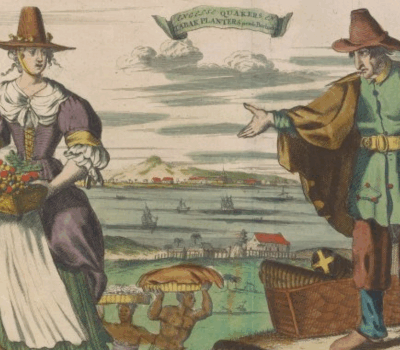
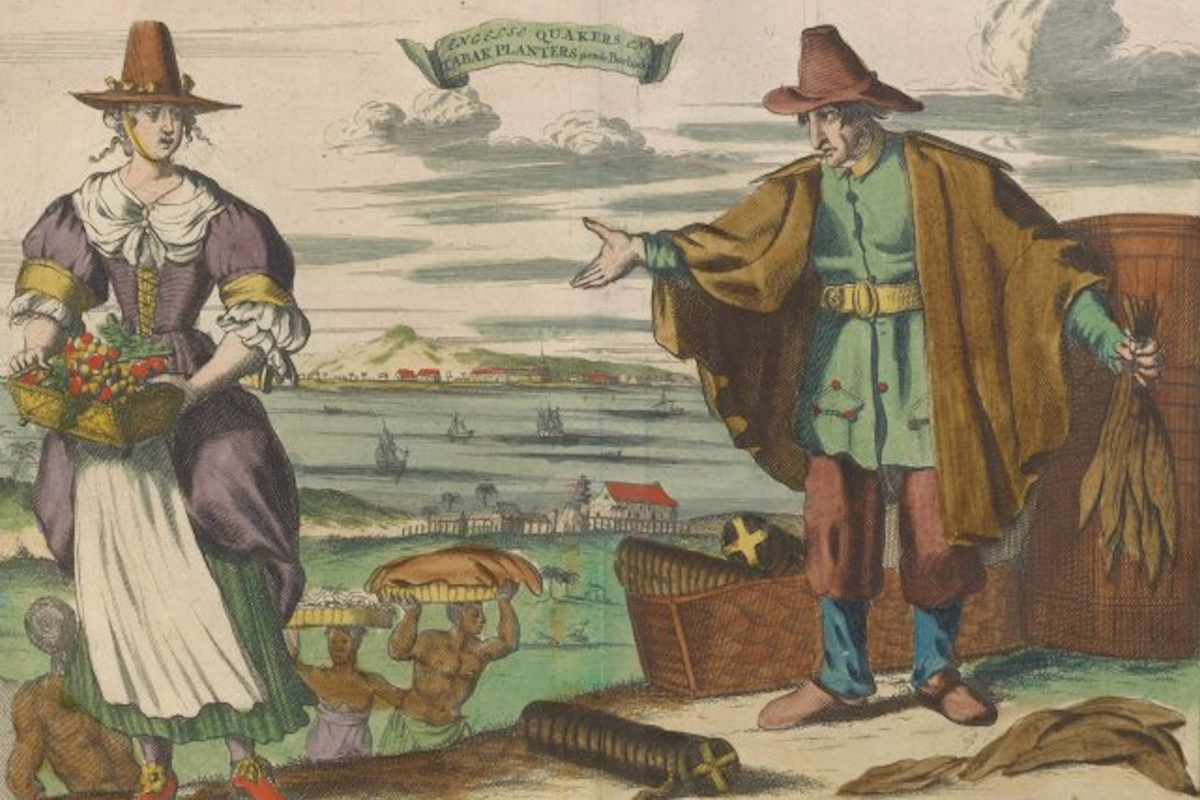
Unlike the plantation systems of the southern and Caribbean colonies, New Netherland's economy did not rely on a cash crop cultivated by unfree laborers. Nevertheless, the enslaved population proved very valuable to the colony's growth and development.
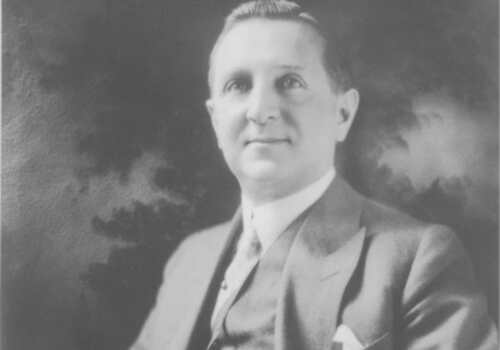
John Theodore Scheepers (1878–1939) was a Dutch-American horticultural entrepreneur known as the “Tulip King” for popularizing tulips in the United States during the early twentieth century. He founded John Scheepers, Inc., a flower bulb importing company that helped expand tulip cultivation and garden culture across North America.
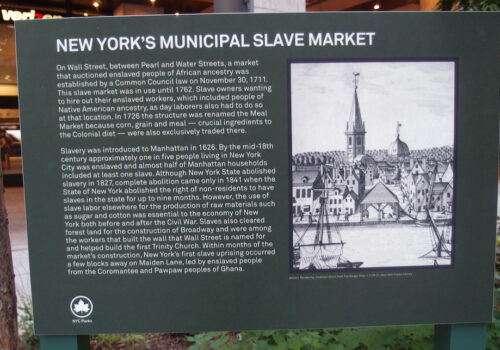
In June of 2015, Mayor Bill De Blasio unveiled a plaque in lower Manhattan to commemorate the eighteenth-century slave market that once operated at the foot of Wall Street.
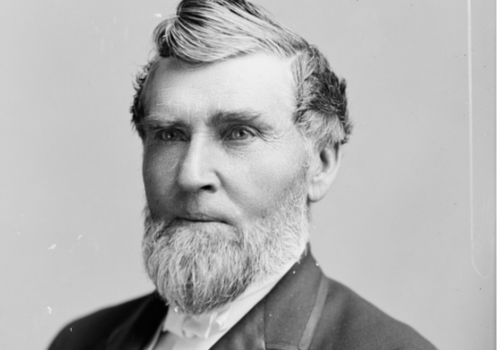
Isaac Whitbeck Van Schaick (1817–1901) was an American businessman and politician who served as a U.S. Representative from Wisconsin. After careers in manufacturing and milling, he became active in Wisconsin politics, serving in the state legislature before two terms in Congress.
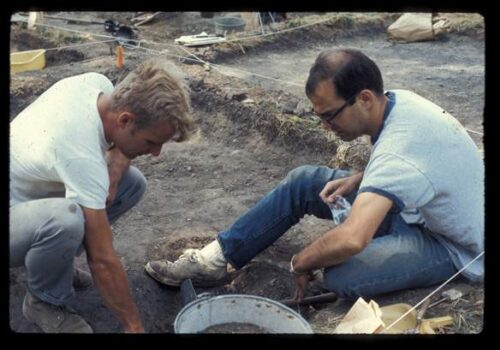
In the 1970s, planned development threatened the Flatts. Excavations, advocacy, and community support preserved the site. By 2002, it became Schuyler Flatts Cultural Park, a National Historic Landmark and public treasure.
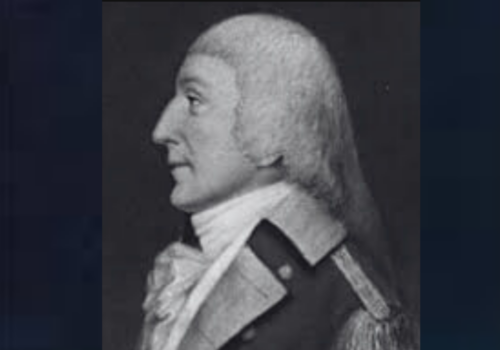
Gozen Van Schaick was an Albany-born soldier who served in colonial wars and the American Revolution, rising to brigadier general. A prominent Van Schaick heir, he also managed family lands and businesses until his death in 1789.
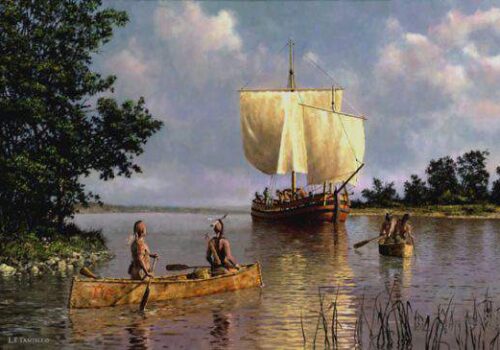
In 1650, Arent van Curler joined an embassy to the Mohawks, shaping its diplomacy. Len Tantillo’s painting imagines everyday trade—bark canoes, Flatts horses, and gifts of sewant exchanged along the river.
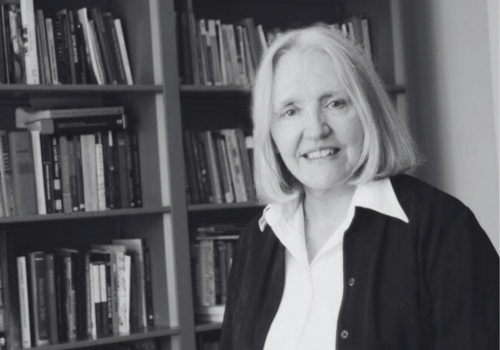
Saskia Sassen (born 1947) is a Dutch-American sociologist and professor at Columbia University known for her research on globalization, immigration, and urban economies. She coined the term “global city” and has written influential works examining how major cities shape the modern world economy.