
Connecticut
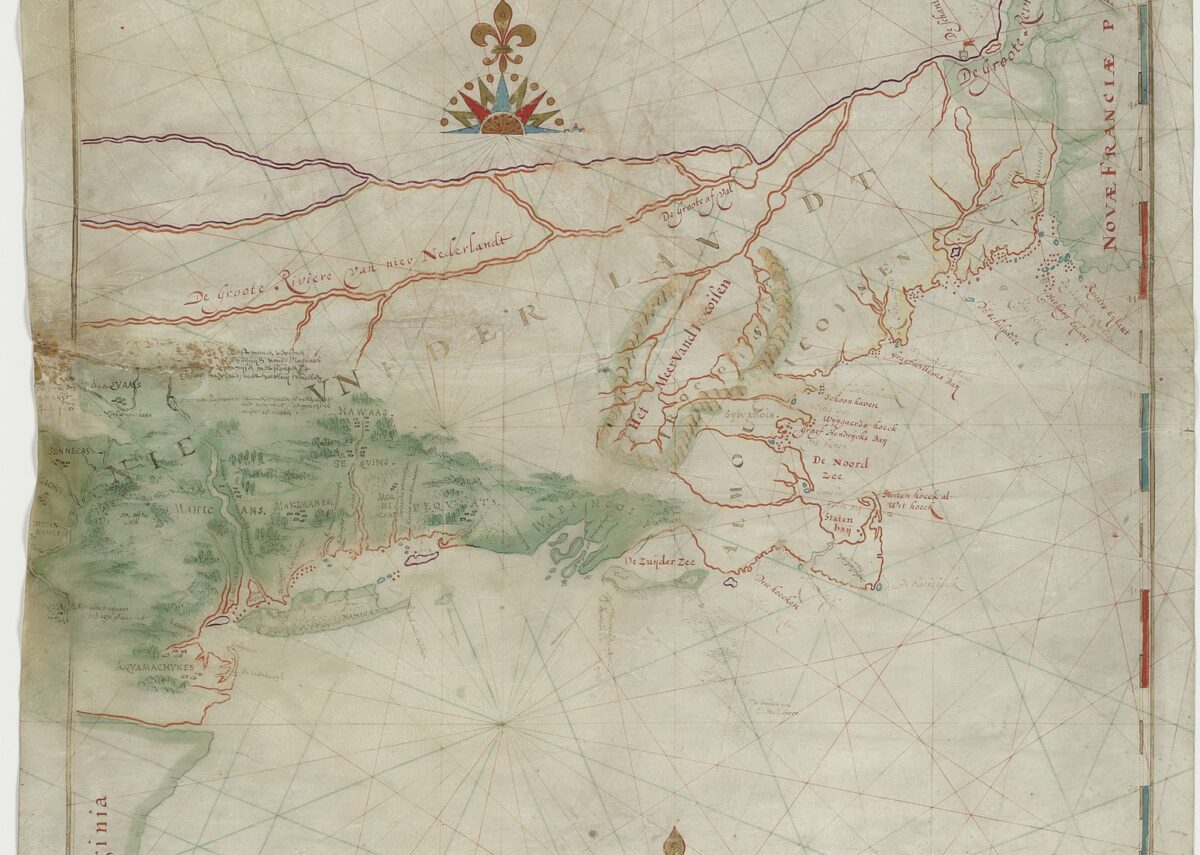
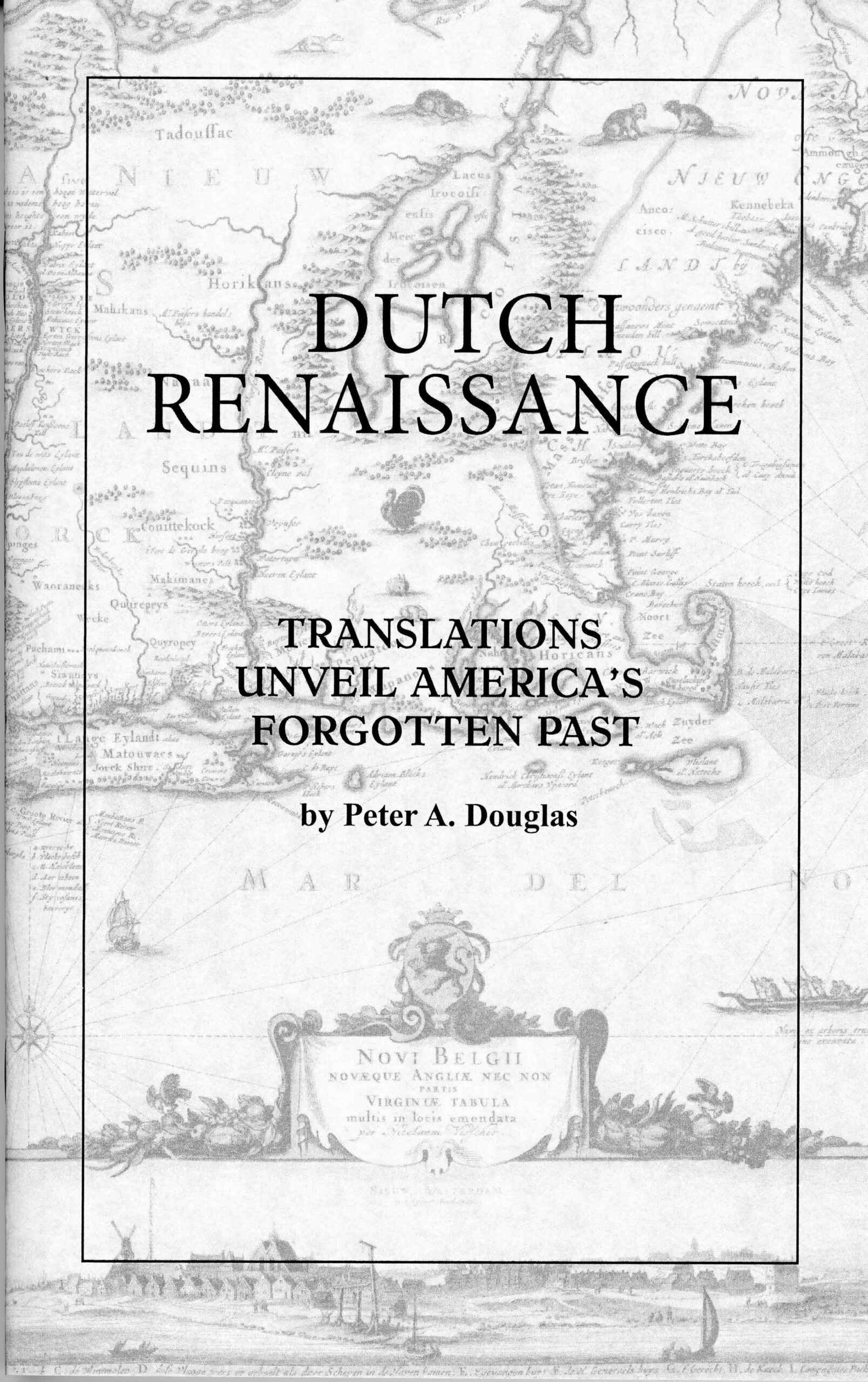
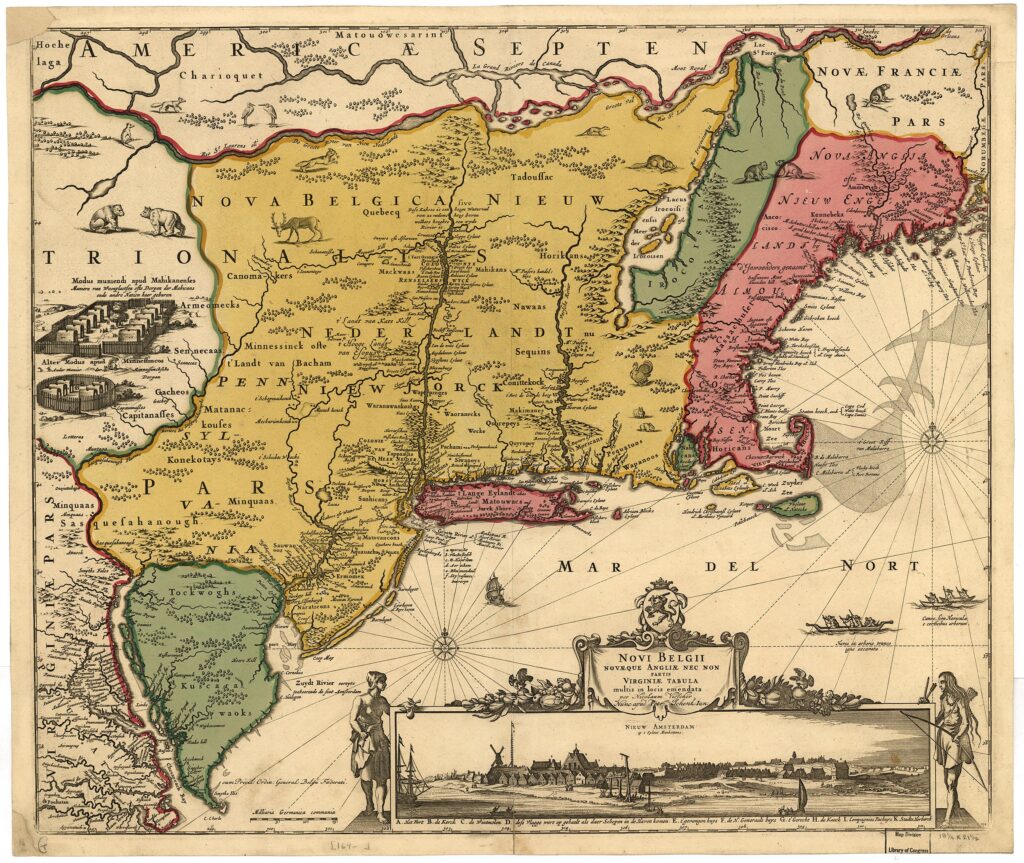
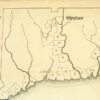
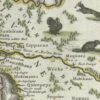
To Dutch explorers, peaceable natives, fur-bearing animals, and navigable waterways meant profit. Adriaen Block, after Hudson’s 1609 voyage, led four expeditions and mapped the region with remarkable accuracy.
01
02
03

04
05
Albany
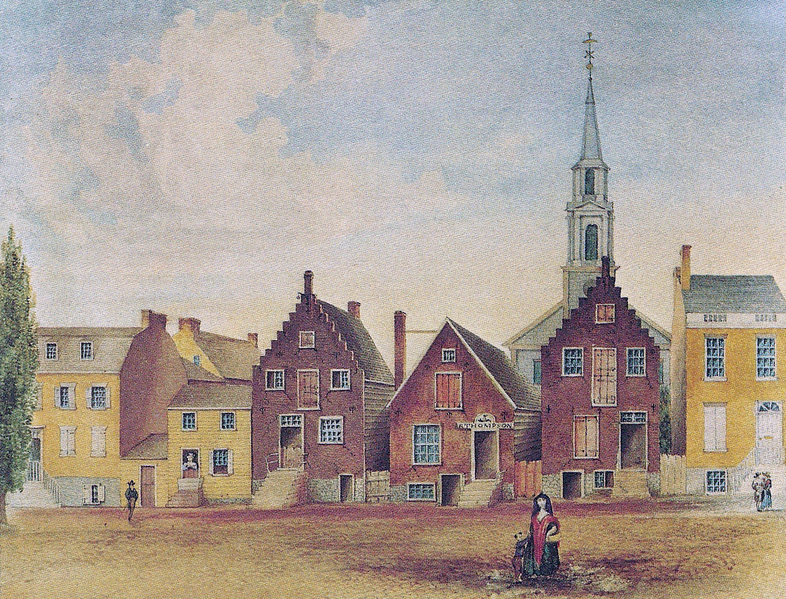
The capital city of New York has an unusually patchwork history. Needless to say, the area was under Dutch control before it fell into English hands, but even in the Dutch period there were three distinct entities that vied with one another over territory and rights.
01
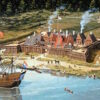
For twelve years, Fort Orange, Rensselaerswijck, and Beverwijck coexisted. Beverwijck steadily grew, adding tradesmen,...
02
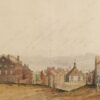
In 1652, a power struggle erupted between Brant Van Slichtenhorst and Petrus Stuyvesant over...
03
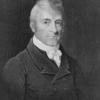
In 1631, Killiaen van Rensselaer founded Rensselaerswijck near Fort Orange, establishing the only successful...
04
05

Hudson River
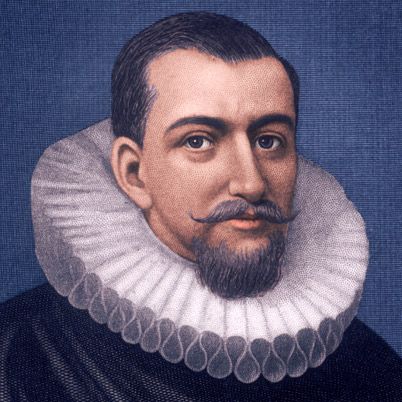
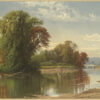
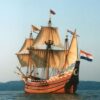
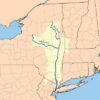
Henry Hudson’s 1609 voyage for the Dutch led to the exploration of the Hudson, Connecticut, and Delaware rivers, prompting Dutch claims and shaping New Netherland’s legacy—including New York’s unique character.
01
02
03
04
05
06
In 1624, thirty Walloon families fleeing Spanish Catholic rule arrived with Cornelis May aboard...
07
In 1624, thirty Walloon families fleeing Spanish Catholic rule arrived with Cornelis May aboard...
08
Long Island
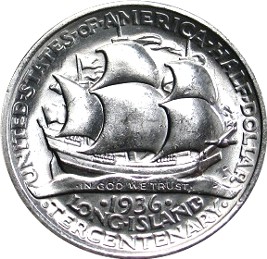
Long Island, once called 't Lange Eylandt by the Dutch, became a contested territory between New Netherland and New England. Dutch and English place names reflect its rich, conflicted colonial history.
01
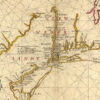
Founded in 1660 by French immigrants, Boswijck quickly grew between Breuckelen and Middleburgh. Amid...
02
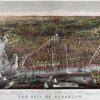
In 1636, Dutch pioneers settled western Long Island, founding Breuckelen in 1646. Farms lined...
03
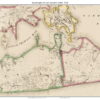
In 1640, English settlers from Massachusetts attempted to settle western Long Island but were...
04
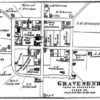
In 1643, Lady Deborah Moody, fleeing religious intolerance, founded a settlement in New Netherland....
05
In 1643, English families from Connecticut settled a fertile Long Island plain. Granted permission...
06
In 1642, English minister Francis Doughty founded Maspeth in Queens under Dutch rule. Expelled...
07

08

Founded in 1636, Amersfoort grew into a thriving town with farms, magistrates, and taverns....
09

10
The town of Vlissingen, later Flushing, became a center of religious controversy in the...
Manhattan
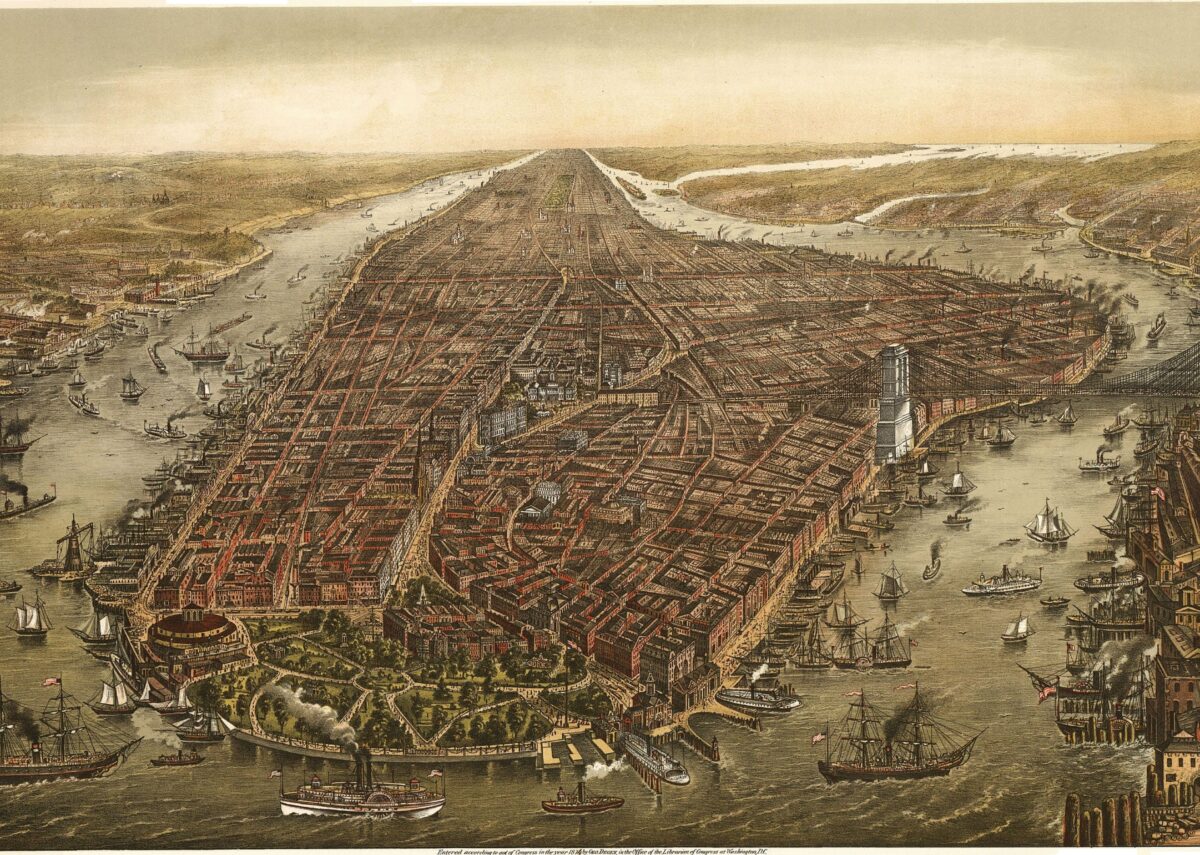
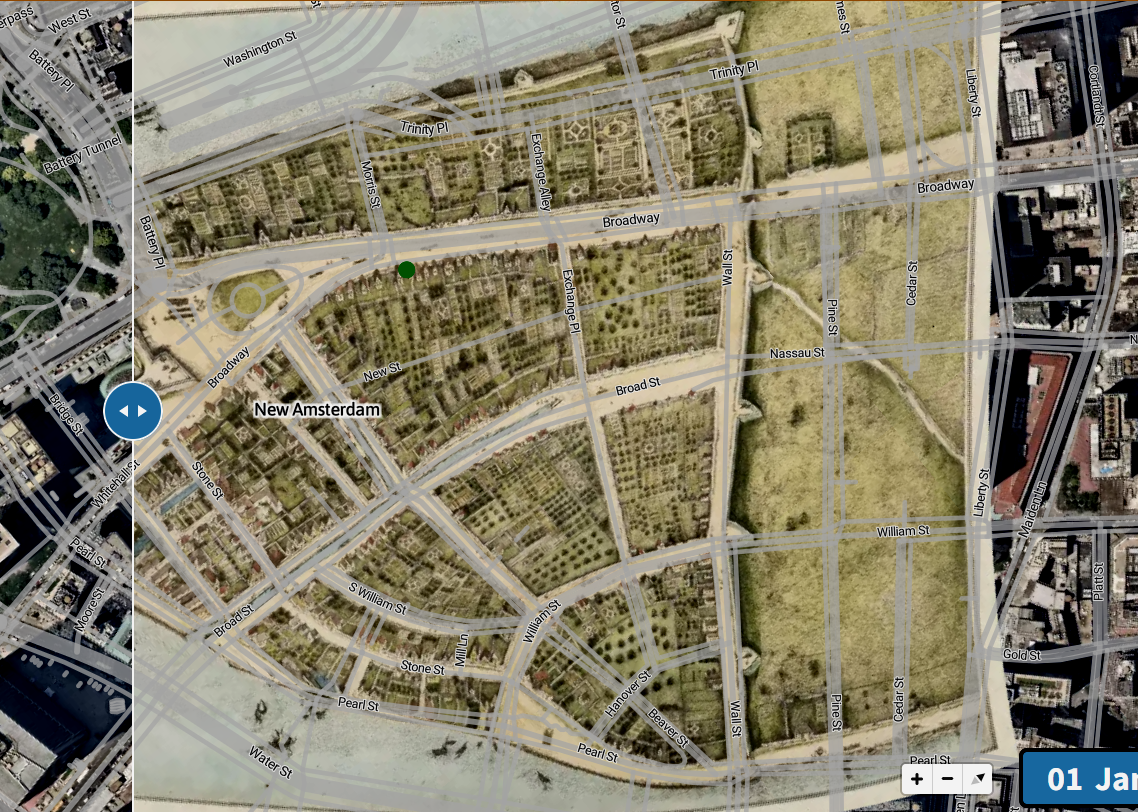
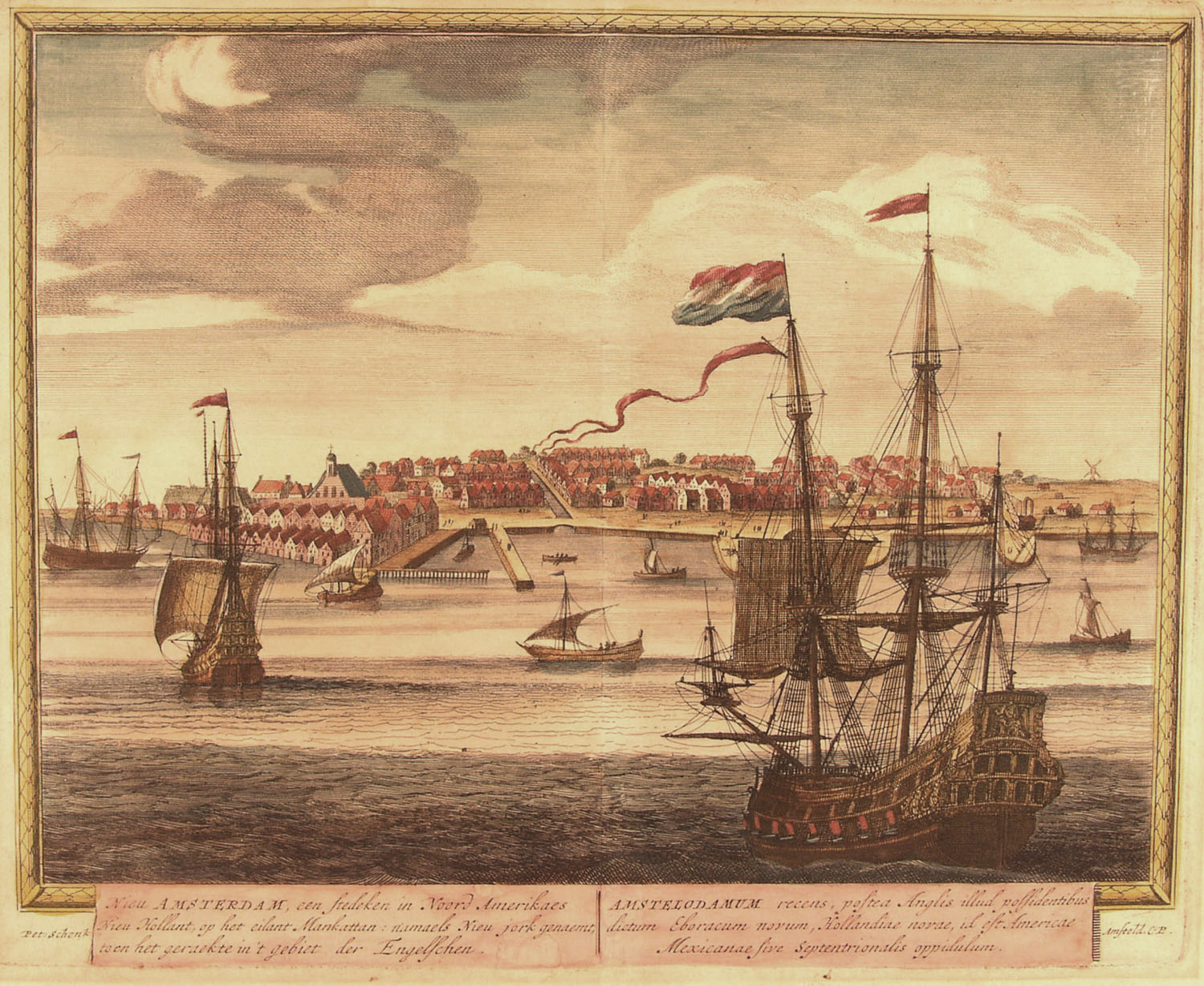
Manhattan was a natural choice for New Netherland's capital—defensible, well-positioned for trade, and known to natives long before Europeans arrived. Its name, derived from a Delaware word for bow-making wood, endured.
01

02
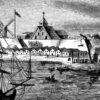
In the seventeenth century, forts were essential for trade and defense. Once Manhattan was...
03
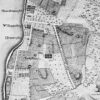
During the Dutch period, the area north of New Amsterdam was called Noortwyck. In...
04
To defend New Amsterdam from northern threats, the Dutch encouraged settlement on Manhattan’s flat...
05
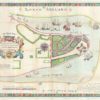
New Amsterdam, the Dutch capital on Manhattan’s southern tip, had just fifteen streets and...
06
Delaware
Today’s Delaware River—once the Dutch “South River”—was a key trade route. Cities like Wilmington and Trenton emerged here, and Delaware’s origins trace to the short-lived Dutch settlement of Swaanendael.
01
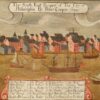
Philadelphia was founded during the English period in 1681 by William Penn, but European...
02
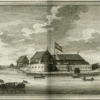
Before choosing Manhattan, the Dutch planned their capital on Burlington Island. Later, Fort Nassau...
03
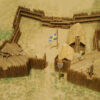
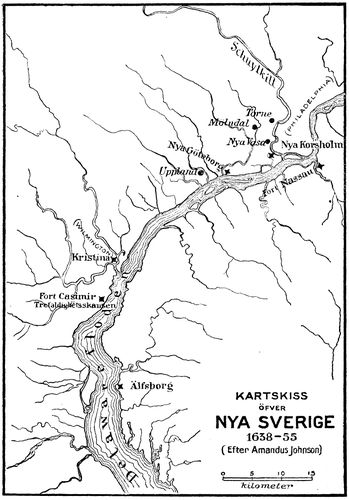
In 1638, Peter Minuit, formerly of New Netherland, led Swedish settlers to the South...
04
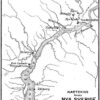
In 1638, the Swedes founded New Sweden in Dutch-claimed territory, triggering a struggle over...
05
ChatGPT said:
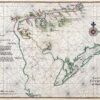
In 1631, Dutch investors established the patroonship of Swaanendael on Delaware Bay, hoping...
06
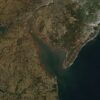
In 1631, Dutch investors established the patroonship of Swaanendael on Delaware Bay, hoping to...