
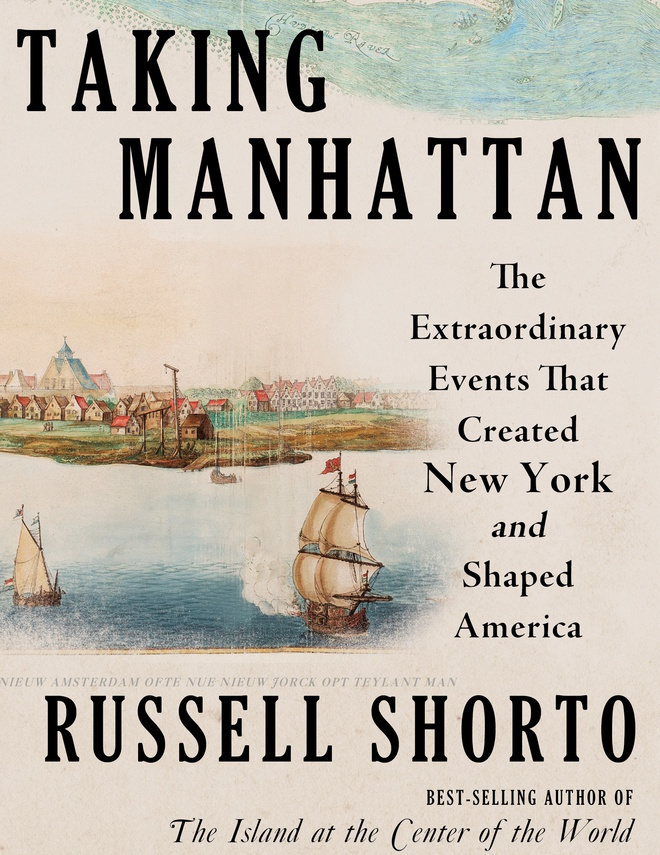
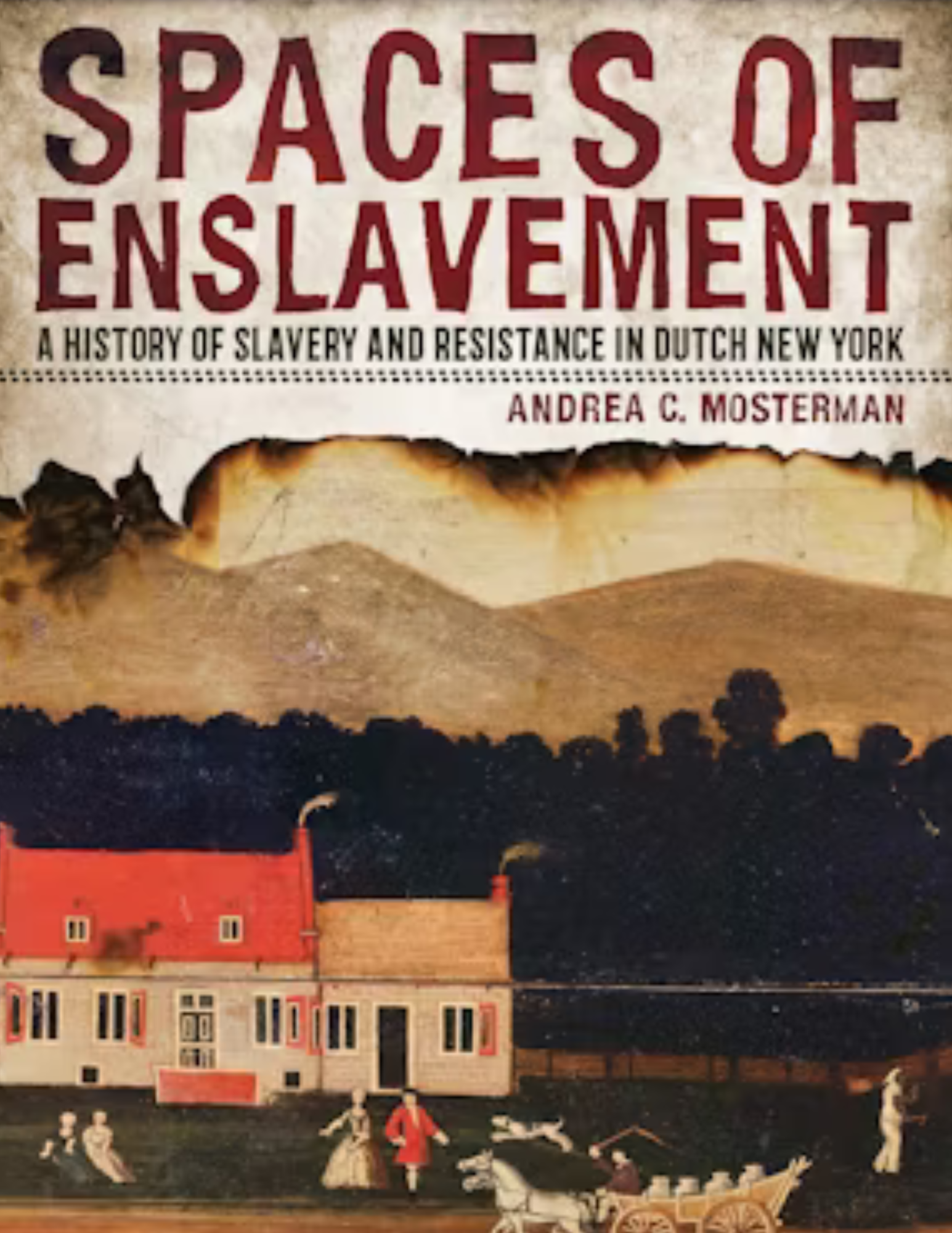

A comprehensive bibliography highlighting scholarship on slavery, African American life, intercultural relations, and the Atlantic Creole experience in New Netherland and Colonial New York. These works explore the roles of Africans and African Americans in the Dutch Atlantic world, from early settlement and cultural exchange to resistance, emancipation, and legacy.

Translation from Van Laer, Register of the Provincial Secretary, Volume I, 1638-1642, doc. 91, pg. 123 [This document and the entirety of Volume I was lost in the...
Translation from Van Laer, Council Minutes, Volume IV, 1638-1649, docs. 83-85, pgs. 97-100 Anno 1641. In the Name of GodOn Thursday, being the 17th of January Cornelio...
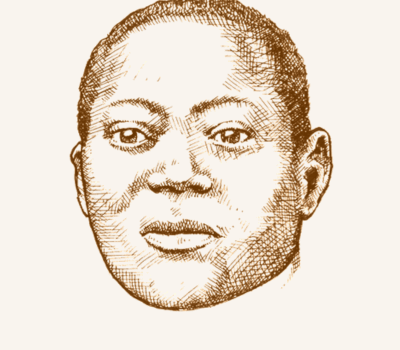
On January 24, 1641, Manuel de Gerrit de Reus survived a failed hanging. Spectators saw it as divine intervention and successfully petitioned the Council to spare his life.
Translated in A.J.F. van Laer, Council Minutes, 1638-1649, pgs. 212-213 The 25th of February We, Willem Kleft, director general, and the council of New Netherland, having considered...
Emmanuel Pietersen, a free Black man, petitioned the Council in 1643 to legally adopt and raise an orphaned child of two free Black parents—so the boy could inherit property as free.
Translation from Van Laer, Correspondence of Jeremias van Rensselaer, doc. 75, pgs. 364-365 Manuscript Images As to the maid, of whom you wrote to me by the Gekruyste...
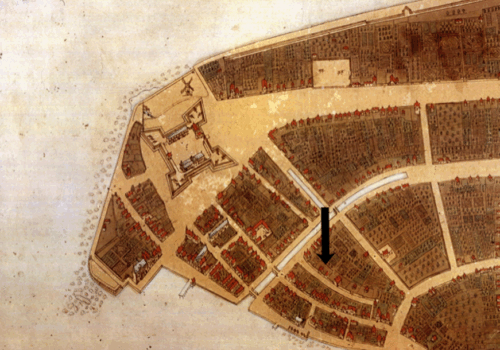
Although they lived their lives in bondage, New Netherland's enslaved Africans created some stability in their lives by trying to keep families together and establishing a tight-knit community.
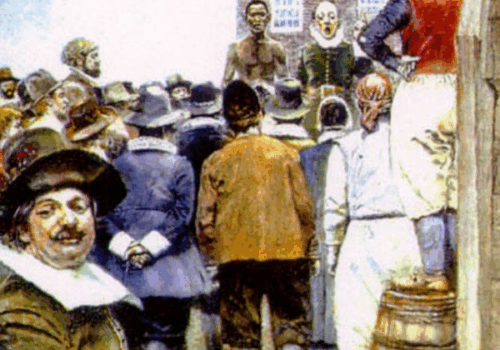
Slavery in New York State officially came to an end in 1827, roughly 200 years after the first enslaved men arrived in the region. Although slavery outlasted Dutch rule, its legacy remained strong.
Translation from Van Laer, Correspondence of Jeremias van Rensselaer, doc. 67, pgs. 353-354 Manuscript Images As to our appearance here at the Manhatans, at the Gemene Lantdagh, and...
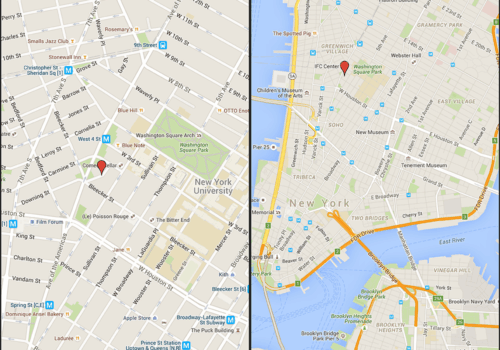
Although most Africans in New Netherland were enslaved, not all interactions were oppressive—some were amicable. Whites witnessed Black marriages, socialized with enslaved people, and occasionally intermarried and raised families together.
Translation from Van Laer, Register of the Provincial Secretary, Volume III, 1648-1660, doc. 30b, pg. 82 Before me, Cornells van Tienhoven, secretary of New Netherland, appeared...
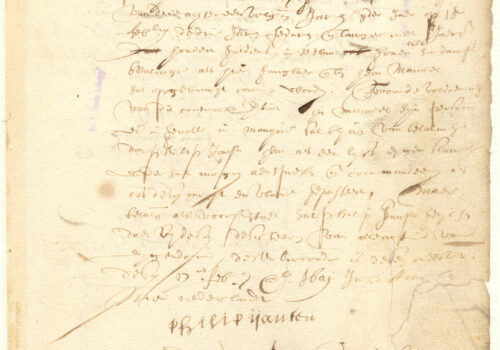
On February 25, 1644, eleven enslaved men and their wives were granted half-freedom by the Dutch West India Company after petitioning the Council, citing long service and broken promises.
Translation from Van Laer, Council Minutes, Volume IV, 1638-1649, doc. 183, pg. 212-213 The 25th of February We, Willem Kieft, director general, and the council...
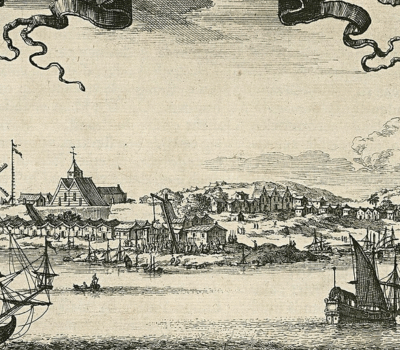
Unlike the plantation systems of the southern and Caribbean colonies, New Netherland's economy did not rely on a cash crop cultivated by unfree laborers. Nevertheless, the enslaved population proved very valuable to the colony's growth and development.
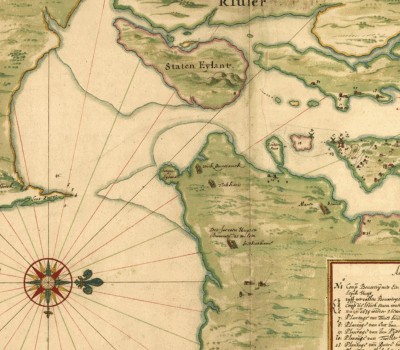
Unlike the plantation systems of the southern and Caribbean colonies, New Netherland's economy did not rely on a cash crop cultivated by unfree laborers. Nevertheless, the enslaved population proved very valuable to the colony's growth and development.
A comprehensive bibliography highlighting scholarship on slavery, African American life, intercultural relations, and the Atlantic Creole experience in New Netherland and Colonial New York. These works explore the roles of Africans and African Americans in the Dutch Atlantic world, from early settlement and cultural exchange to resistance, emancipation, and legacy.
Translation from Van Laer, Register of the Provincial Secretary, Volume I, 1638-1642, doc. 91, pg. 123 [This document and the entirety of Volume I was lost in the...
Translation from Van Laer, Council Minutes, Volume IV, 1638-1649, docs. 83-85, pgs. 97-100 Anno 1641. In the Name of GodOn Thursday, being the 17th of January Cornelio...

On January 24, 1641, Manuel de Gerrit de Reus survived a failed hanging. Spectators saw it as divine intervention and successfully petitioned the Council to spare his life.
Translated in A.J.F. van Laer, Council Minutes, 1638-1649, pgs. 212-213 The 25th of February We, Willem Kleft, director general, and the council of New Netherland, having considered...
Emmanuel Pietersen, a free Black man, petitioned the Council in 1643 to legally adopt and raise an orphaned child of two free Black parents—so the boy could inherit property as free.
Translation from Van Laer, Correspondence of Jeremias van Rensselaer, doc. 75, pgs. 364-365 Manuscript Images As to the maid, of whom you wrote to me by the Gekruyste...
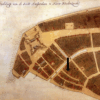
Although they lived their lives in bondage, New Netherland's enslaved Africans created some stability in their lives by trying to keep families together and establishing a tight-knit community.
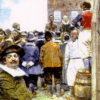
Slavery in New York State officially came to an end in 1827, roughly 200 years after the first enslaved men arrived in the region. Although slavery outlasted Dutch rule, its legacy remained strong.
Translation from Van Laer, Correspondence of Jeremias van Rensselaer, doc. 67, pgs. 353-354 Manuscript Images As to our appearance here at the Manhatans, at the Gemene Lantdagh, and...

Although most Africans in New Netherland were enslaved, not all interactions were oppressive—some were amicable. Whites witnessed Black marriages, socialized with enslaved people, and occasionally intermarried and raised families together.
Translation from Van Laer, Register of the Provincial Secretary, Volume III, 1648-1660, doc. 30b, pg. 82 Before me, Cornells van Tienhoven, secretary of New Netherland, appeared...
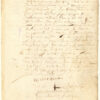
On February 25, 1644, eleven enslaved men and their wives were granted half-freedom by the Dutch West India Company after petitioning the Council, citing long service and broken promises.
Translation from Van Laer, Council Minutes, Volume IV, 1638-1649, doc. 183, pg. 212-213 The 25th of February We, Willem Kieft, director general, and the council...
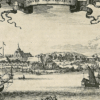
Unlike the plantation systems of the southern and Caribbean colonies, New Netherland's economy did not rely on a cash crop cultivated by unfree laborers. Nevertheless, the enslaved population proved very valuable to the colony's growth and development.
Unlike the plantation systems of the southern and Caribbean colonies, New Netherland's economy did not rely on a cash crop cultivated by unfree laborers. Nevertheless, the enslaved population proved very valuable to the colony's growth and development.