

Annals of New Netherland
 Privatizing Colonization: The Patroonship of Rensselaerswijck
The patroonship plan of colonization was attempted in various regions. Only Rensselaerswijck proved a success. In the early years of the seventeenth century, the board of directors of a Dutch company faced a serious problem. The company’s primary business was overseas trade. It held a charter from the government that allowed it to form treaties with foreign princes and to purchase land from rightful owners in order to exploit natural resources.
 The Dutch among the People of the Long River

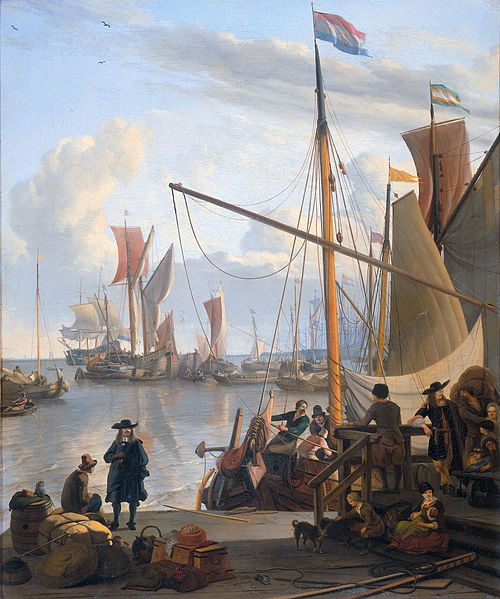
The name Long River comes from the local Algonquians. The Dutch called it the Fresh River. Today it’s known as the Connecticut. De Witte Leeuw (“The White Lion”) was a heavily armed trading ship of 320 tons, sailing out of Amsterdam. While searching for a profitable cargo in the fishing grounds off Newfoundland, it captured two vessels in St. Mary’s Bay.
The Essays of A.J.F. van Laer
A collection of essays by the Keeper of Manuscripts at the New York State Library early in the 20th Century, edited by Dr. Gehring. A. J. F. van Laer is now best known for his translations of the Colonial Manuscripts; work done before the disastrous State Library fire of 1911. The first four volumes of the New York Historical Manuscript series, now called New Netherland Documents still stand as a model translation of seventeenth-century Dutch.