
In the March 2009 edition of the Marcurius (vol.25 no.1) we told you of the adventures of Olivier van Noort, the first Dutch explorer to circumnavigate the world.
We just missed the 400th anniversary, but here’s the information. It’s worth a look as it’s yet another example of the often understated but important role of the early Dutch in the history of the world.
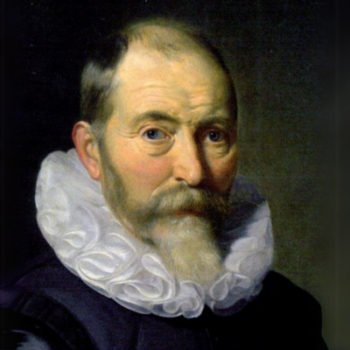
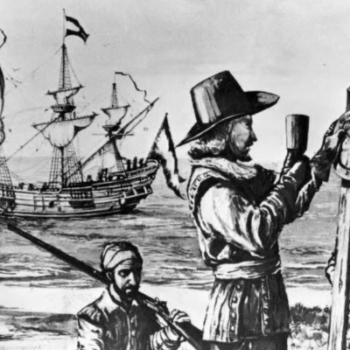
The name Dirk Hartog sounds as if it belongs to the swashbuckling hero of a Rafael Sabatini adventure novel or a similar Hollywood epic, and perhaps that’s fitting, for this Dutch sailor and explorer certainly led such a life.
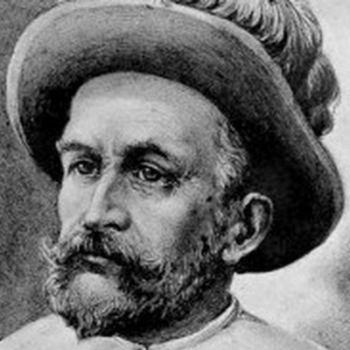
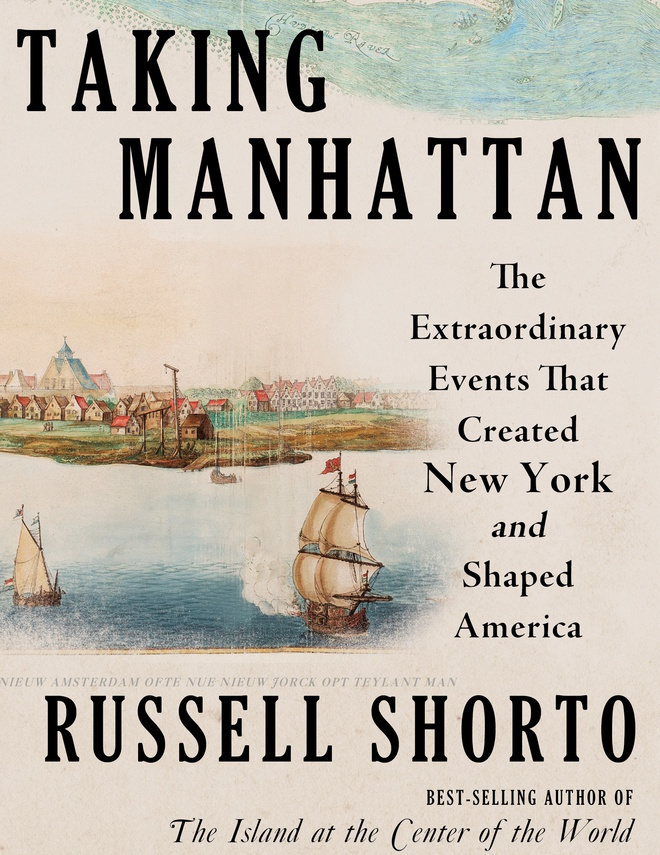
Numerous myths and misapprehensions have developed around the so-called Dutch "purchase" of Manhattan.
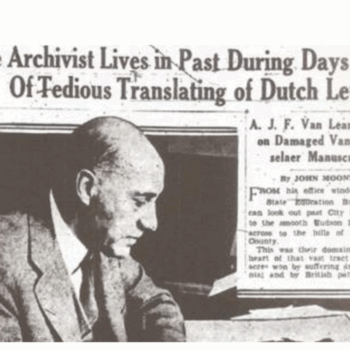
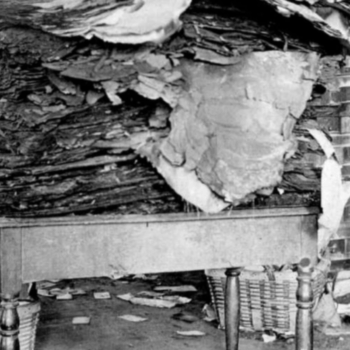
On March 29, 1911, the New York State Library, then in the Capitol, burned, and with it went some half a million books and 300,000 manuscripts, among them priceless colonial documents. In charge of the state archives at the time was a Dutch immigrant called A.J.F. van Laer (1869–1955), for whom that day’s destruction was a particularly hard blow.
Anyone searching for information about Cornelis Evertsen must be careful; there are three seventeenth century Dutch admirals with this name, and they are all related. Our interest lies in Cornelis Evertsen the Youngest (1642–1706).
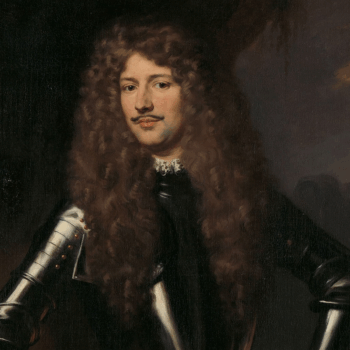
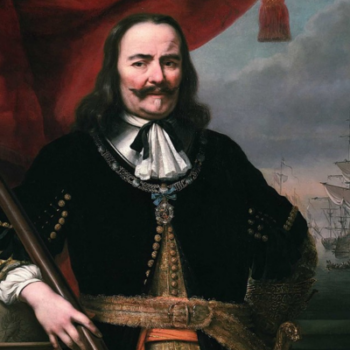
He has been described as not only a military genius but also as a charismatic leader, and an honest, modest, and devout man. He is certainly the man upon whom the fledgling Republic of the United Provinces relied at a crucial time in its history, defending its newly gained independence and assuring its future.
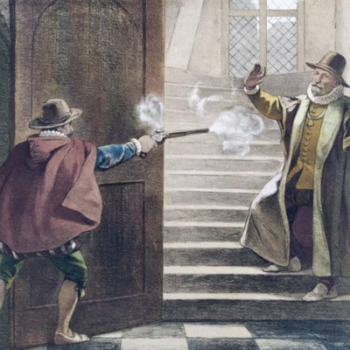
“The Awful End of Prince William the Silent: the First Assassination of a Head of State with a Handgun,” by Lisa Jardine (Harper Collins, 2006, 176pp, $21.95, pbk $12.95).
January 31, 2009, was the 400th anniversary of the founding of the Amsterdamsche Wisselbank (Exchange Bank of Amsterdam), and with it the idea of a national bank, modeled on such a bank in Venice, reached northern Europe.
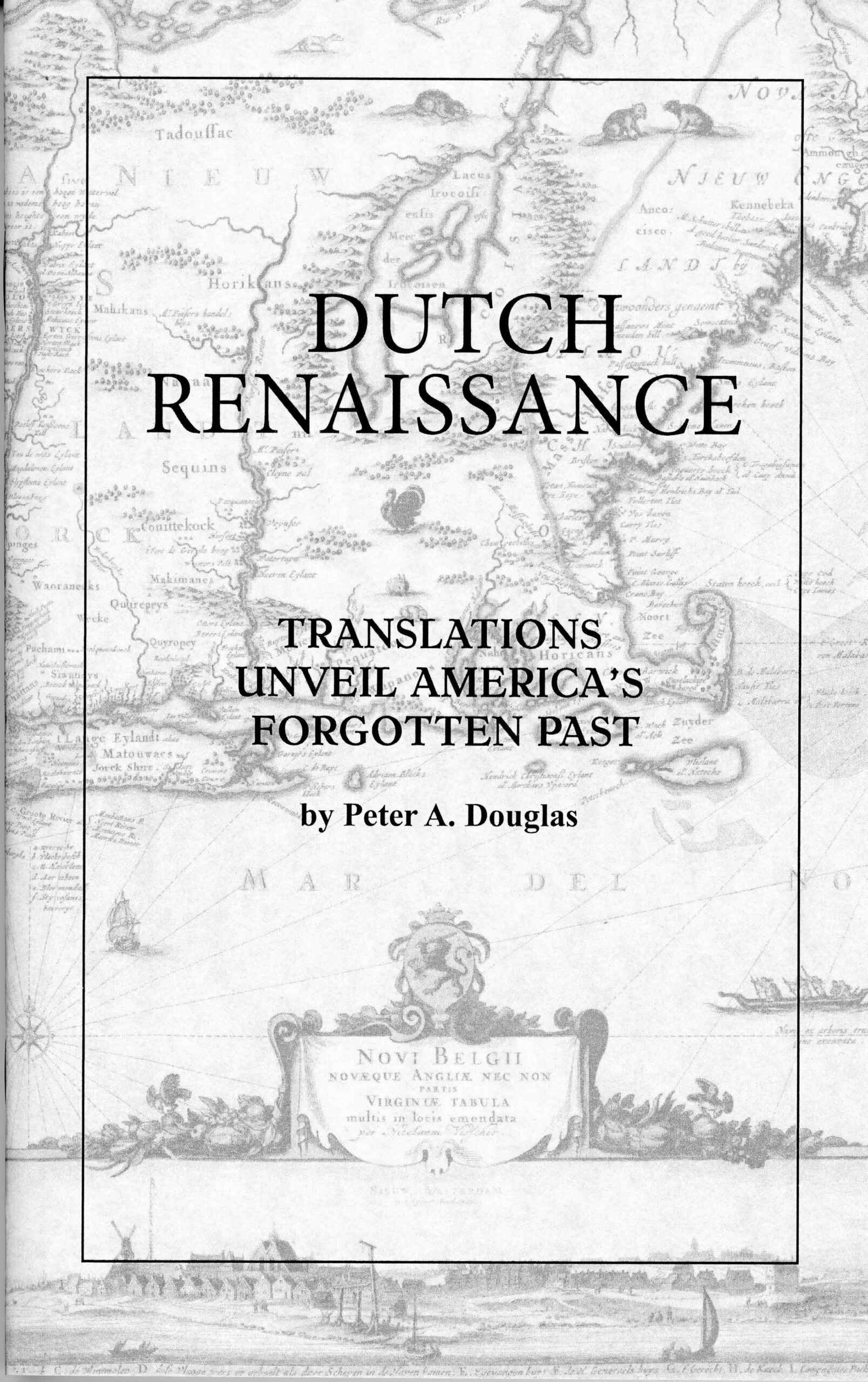
A.J.F. van Laer, though little known outside New Netherland scholarship, laid the foundation for modern study of the colony. His meticulous translations of 17th-century Dutch records remain essential, shaping the work that continues through today’s New Netherland Project.