
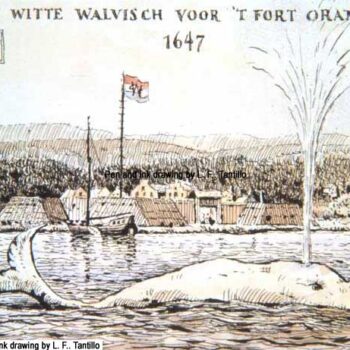
"A certain fish appeared... snow white, withouth fins, roud of body, and blew water up out of his head"
In 1647, residents of Fort Orange were treated to a rare spectacle.
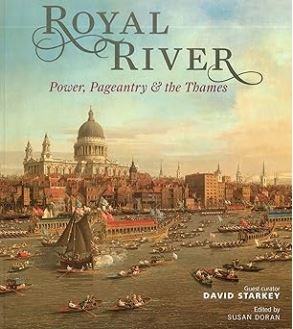
Royal River: Power, Pageantry, and the Thames by David Starkey is a richly illustrated companion to the 2012 National Maritime Museum exhibition of the same name. It explores the central role of the River Thames in the history of British monarchy, politics, and ceremony.
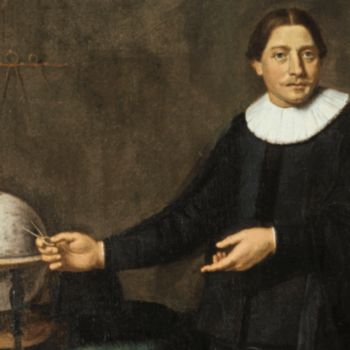
The year 1642 saw the death of Galileo and the birth of Sir Isaac Newton. In England, King Charles I raised his standard at Nottingham to begin that country’s Civil War,
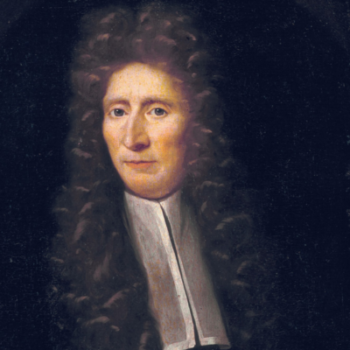
Frederik Ruysch (1638–1731) was a Dutch anatomist and a pioneer in the techniques of preserving organs and tissue. He was born in Den Haag and studied medicine at the University of Leiden, obtaining his medical doctorate in 1664.
After 345 years, in March 2012, a magnificent relic of the Anglo-Dutch wars returned to England—at least temporarily. As part of the celebrations for the Diamond Jubilee of Queen Elizabeth II, the Rijksmuseum loaned to the National Maritime Museum in Greenwich the ornate stern carving from the warship Royal Charles, captured by the Dutch in 1667.
From the 15th to the 18th century, one of the great legends among the seafaring and trading nations was the existence of a vast southern continent, Terra Australis. This hypothetical continent was imagined to encompass Antarctica and extend far into the South Sea (Pacific Ocean).
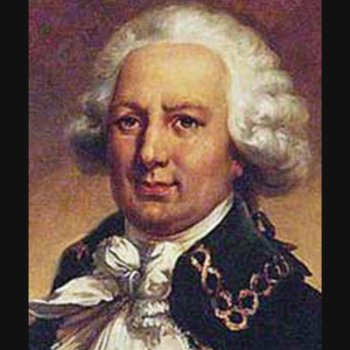
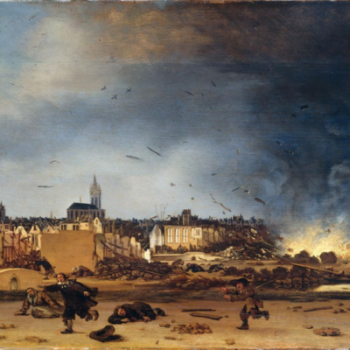
Since the start of the Eighty Years’ War, the Dutch army kept central stores of gunpowder within the city walls of Delft. In the late morning of October 12, 1654, the city was rocked by a massive explosion in the Doelenkwartier, between Geerweg and Doelstraat in the northeast section of the city.
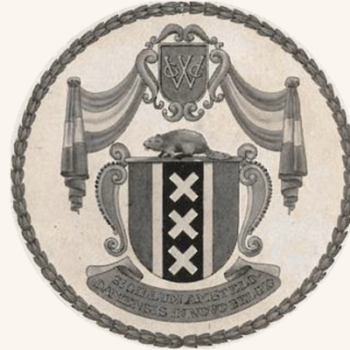
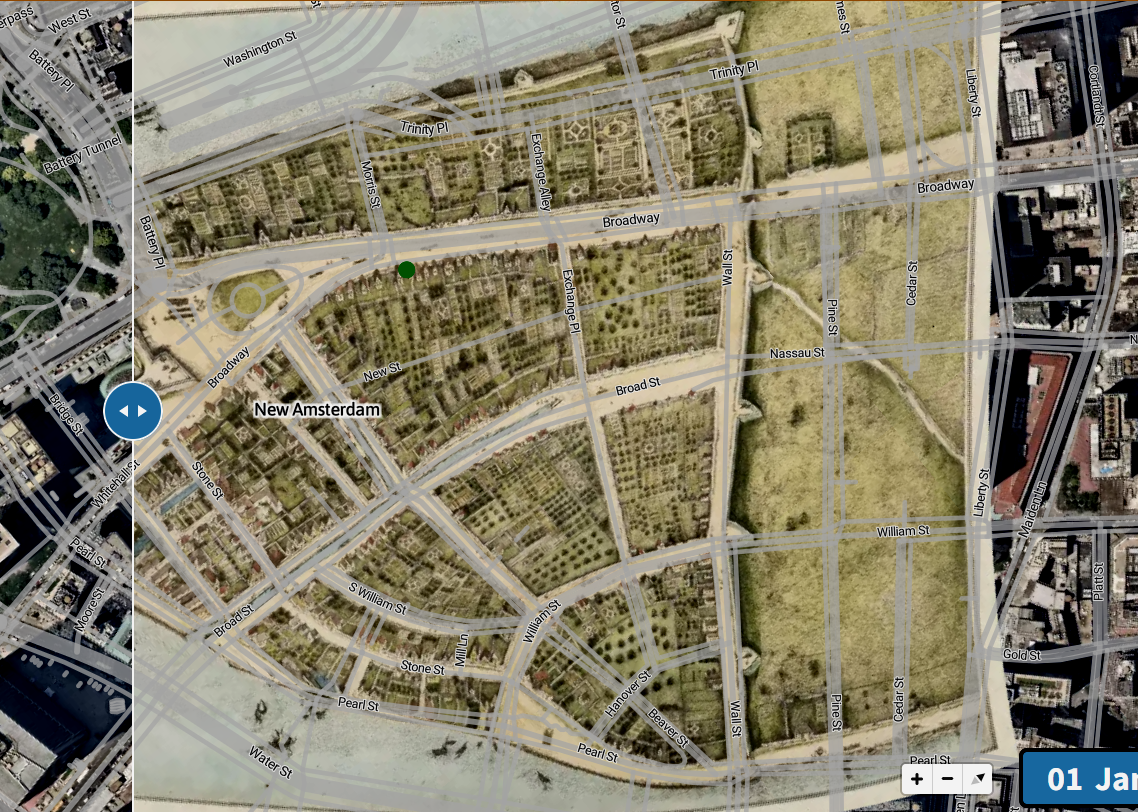
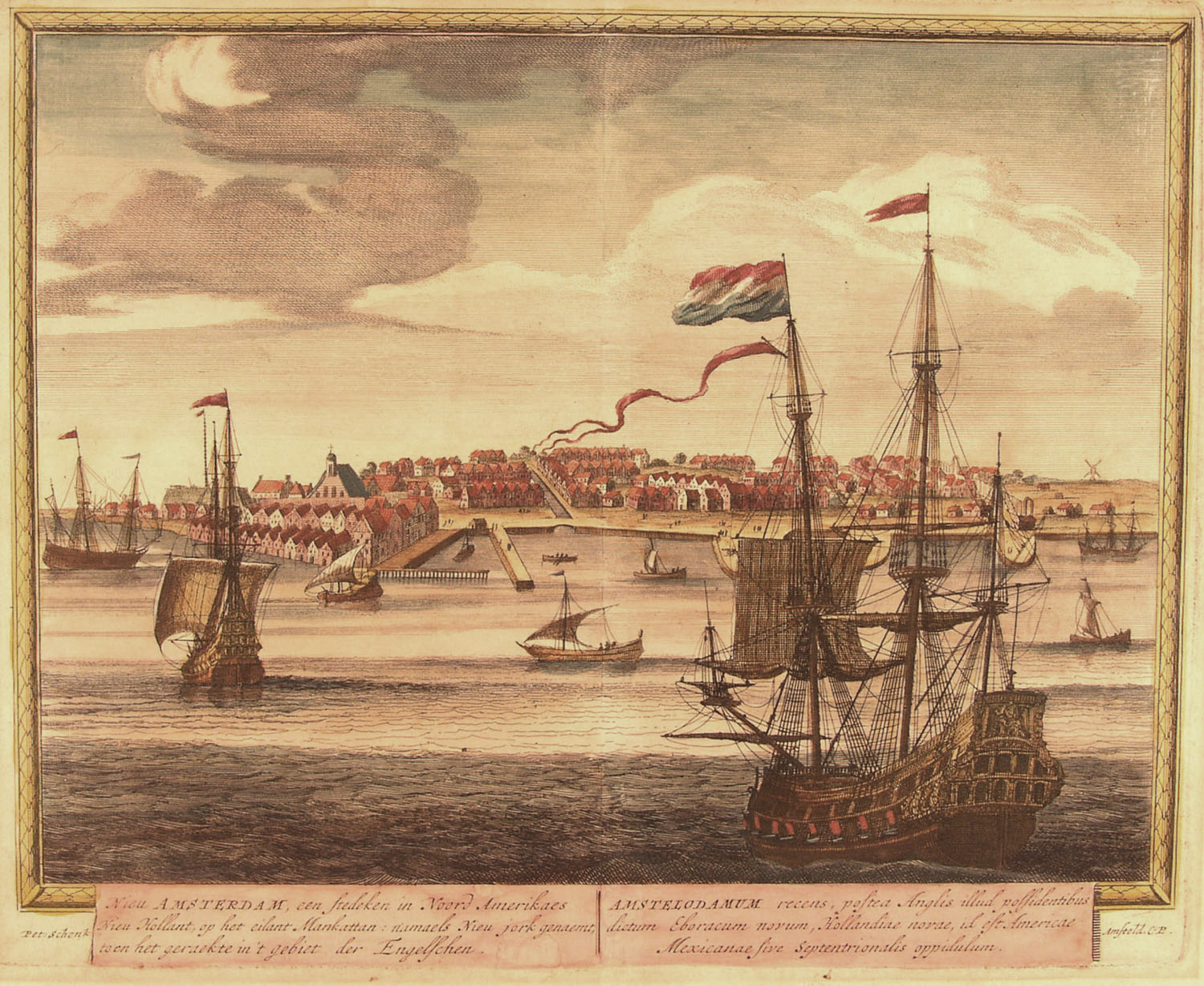
For readers of the Marcurius there’s probably only one association evoked by the name “New Amsterdam,” and that’s “Nieuw Amsterdam,” the Dutch settlement that became New York City. Although the name has not been in official use for more than three centuries, since the English took over the Dutch city, for some reason it seems to have created a strong emotional response, for there were and are quite a lot of other New Amsterdams in various guises all over the world. Here are a few.
Cape Horn, the southernmost headland of the Tierra del Fuego archipelago, became notorious as a “sailors’ graveyard” because of its strong currents, gales, and frequent storms. It is named for the city of Hoorn in the distant Netherlands. How this came to be is a story that begins in the 16th century.
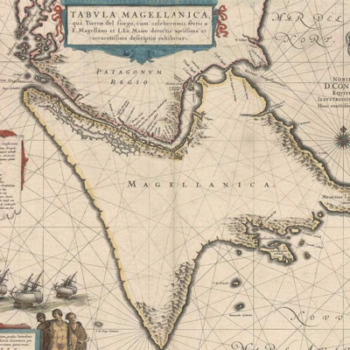
Anthony or Antonius Van Diemen (1593–1645) would doubtless have faded into unremembered history were it not for his fateful decision in 1642 to send the seafarer and explorer Abel Janszoon Tasman (1603–1659) in search of “The Great South Land.”