

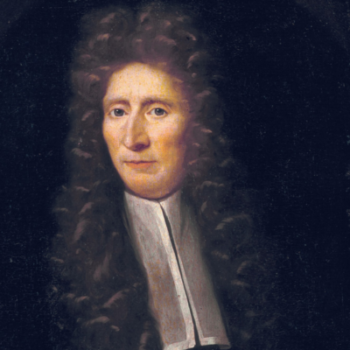
Frederik Ruysch (1638–1731) was a Dutch anatomist and a pioneer in the techniques of preserving organs and tissue. He was born in Den Haag and studied medicine at the University of Leiden, obtaining his medical doctorate in 1664.
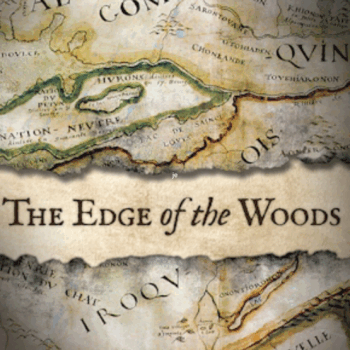
Drawing on archival and published documents in several languages, archeological data, and Iroquois oral traditions, The Edge of the Woods explores the ways in which spatial mobility represented the geographic expression of Iroquois social, political, and economic priorities.
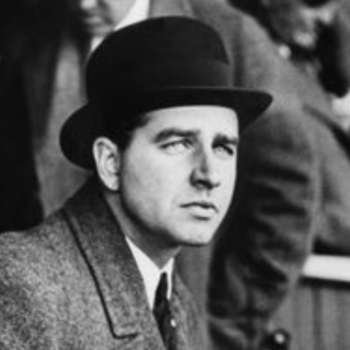
Cornelius Vanderbilt Whitney (1899–1992) was an American businessman, aviation investor, film financier, government official, and philanthropist who helped found Pan American World Airways, built mining enterprises, served in federal posts, and supported major American arts institutions.
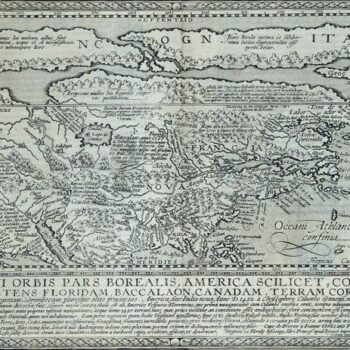
This map from Quad’s general atlas of the world, an expansion of his 1592 edition, is a reduced version of Cornelis de Jode’s Americae Pars Borealis, Antwerp, 1593. It does not help much to locate the future New Netherland, but it does help to understand the limits of European perspective on the new continent. Although it appeared more than 100 years after the entry of the continent into European consciousness, it shows how little was known about the area between Virginia and the St. Lawrence. The map reflects details taken from Mercators’ 1569 atlas. The Mercator projection gives a squeezed effect to the northern extremities of the continent.
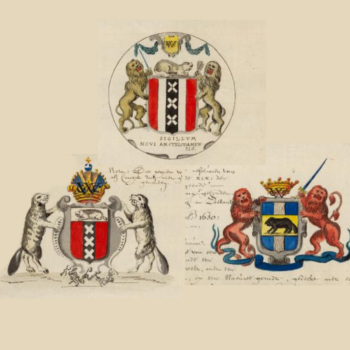
Drawings from 1630 propose coats of arms for New Netherland and New Amsterdam. One was adopted; others rejected for omitting Amsterdam’s heraldic lions.
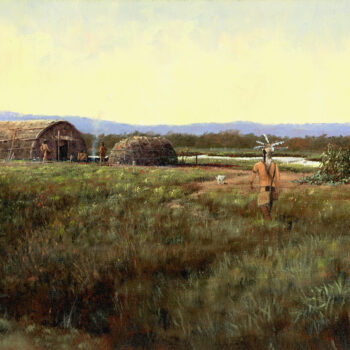
Pap-scan-ee, L.F. TantilloAn artistic rendering of a Mahican encampment on the east bank of the Hudson River, circa 1600. It is based on archaeological excavations...
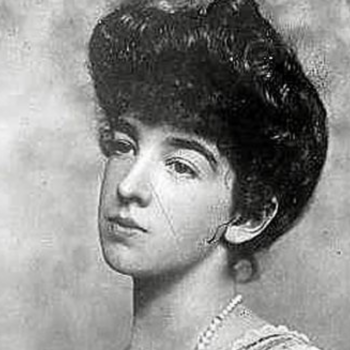
Gertrude Vanderbilt Whitney (1875–1942) was an American sculptor, patron of the arts, and founder of the Whitney Museum of American Art, whose philanthropy and support of emerging artists shaped twentieth-century American art.
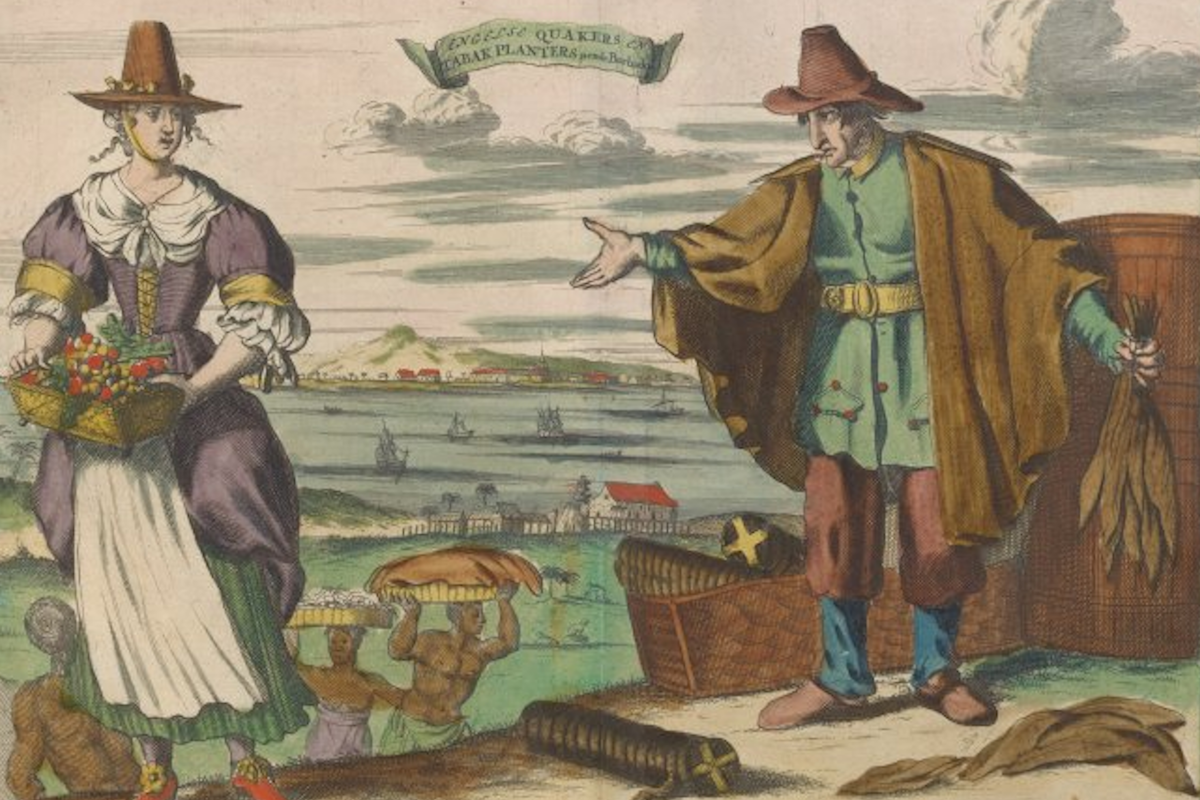
From its earliest days under English rule, New York City had an unusually diverse ethnic makeup, with substantial numbers of immigrants.
From the 15th to the 18th century, one of the great legends among the seafaring and trading nations was the existence of a vast southern continent, Terra Australis. This hypothetical continent was imagined to encompass Antarctica and extend far into the South Sea (Pacific Ocean).
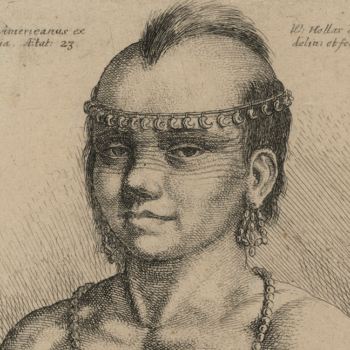
Historian James Axtell noted Europeans met Native defenders. Dutch ambitions in the fur trade led to uneasy partnerships with Native peoples—marked by compromise, conflict, and survival as colonial life took root.