

When, in the early hours of March 29, 1911, fire gutted much of the New York State Capitol and State Library, few people, if any, could have been more devastated than State Archivist Arnold J.F. van Laer. Hundreds of thousands of books and documents were either burned up or severely damaged, including the 17th century Dutch colonial records that Van Laer had begun to translate.

This work examines the Middle Colonies—New York, New Jersey, and Pennsylvania—as a region at the center of imperial contests among competing European powers and Native American nations and at the fulcrum of an emerging British-Atlantic world of culture and trade.
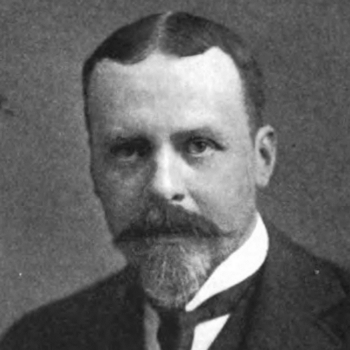
Barrett Wendell (1855–1921) was an American literary scholar and Harvard professor whose teaching and writings on English composition, American literature, and figures such as Cotton Mather shaped late nineteenth-century literary studies.
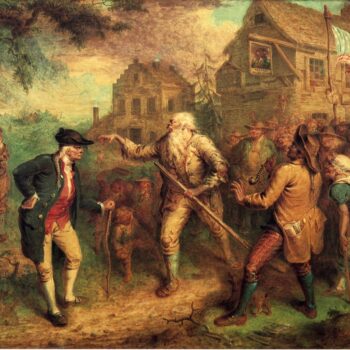
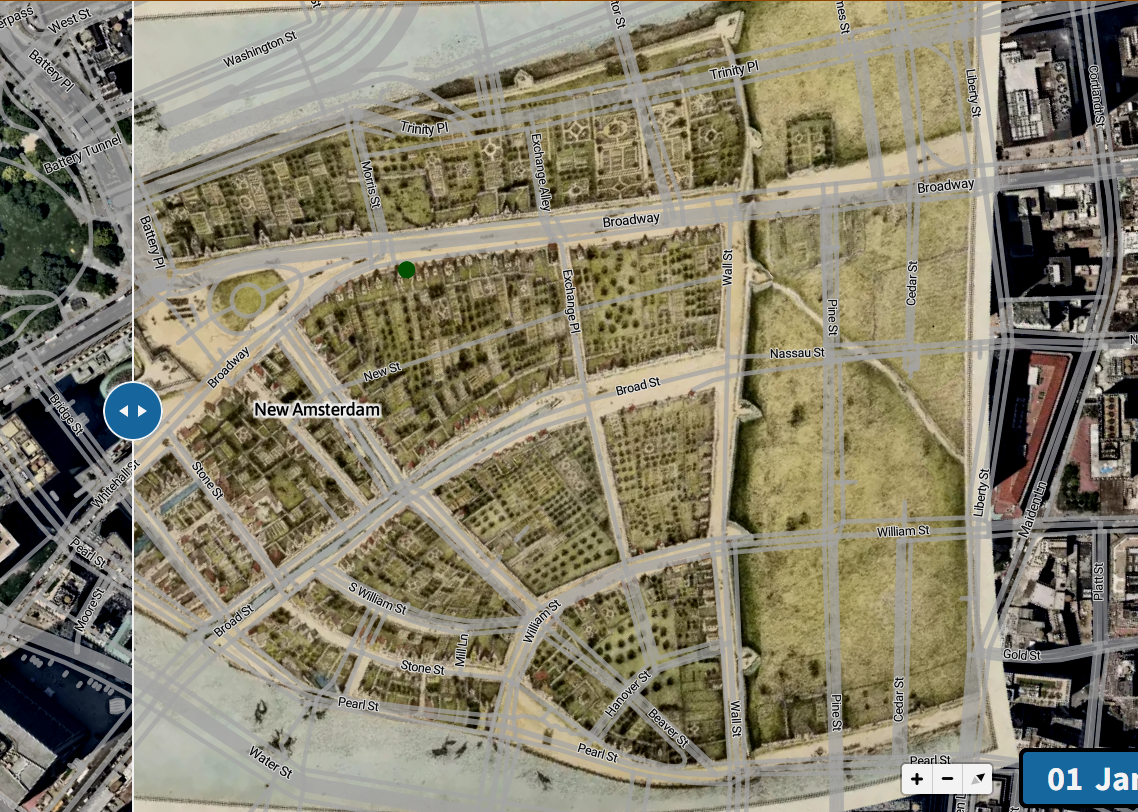
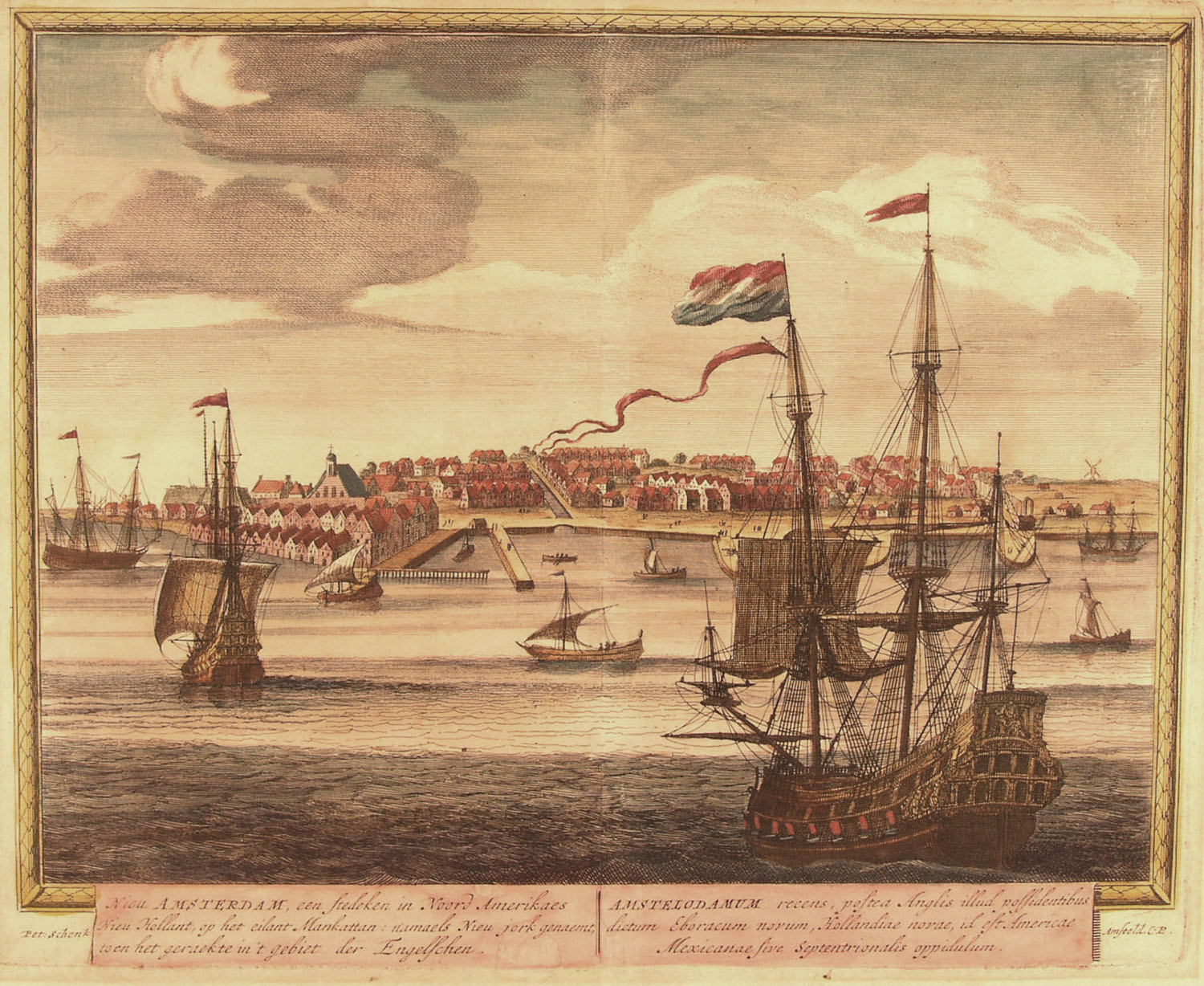
Although Dutch rule in North America ended in 1664, their cultural legacy persisted. Washington Irving observed its strong presence in 1820, and even decades later, travelers remarked on the striking similarities between New York and the Netherlands. Today, Dutch influence remains evident in regional place names, legal traditions, religion, food, and folklore—woven deeply into the fabric of American life.
Peter Schaghen, the author of this document, was the representative of the States General in the Assembly of the Nineteen of the West India Company.

This work examines the Middle Colonies—New York, New Jersey, and Pennsylvania—as a region at the center of imperial contests among competing European powers and Native American nations and at the fulcrum of an emerging British-Atlantic world of culture and trade.

Loudon Wainwright III (b. 1946) is an American folk singer, songwriter, and actor known for humorous and autobiographical songs, including the hit “Dead Skunk,” and for a long recording career spanning dozens of albums.
A abaft the beam – behind a perpendicular line extending out from the middle of the boat Abeam – At right angles to, or beside, the boat Aboard –...
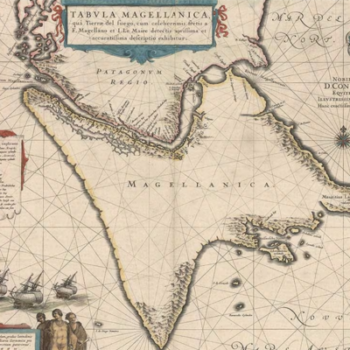
Cape Horn, the southernmost headland of the Tierra del Fuego archipelago, became notorious as a “sailors’ graveyard” because of its strong currents, gales, and frequent storms. It is named for the city of Hoorn in the distant Netherlands. How this came to be is a story that begins in the 16th century.
In 1585, the Dutch pledged Vlissingen to England for a loan. After regaining it, residents—including English soldiers—launched a 1616 Amazon colony. They prospered briefly through Indigenous alliances and trade, but Portuguese aggression forced the settlers to abandon the venture and return home.