

Frans de Waal (1948–2024) was a Dutch-American primatologist and author whose research on chimpanzees and other primates reshaped understanding of empathy, cooperation, and conflict in animal and human behavior.

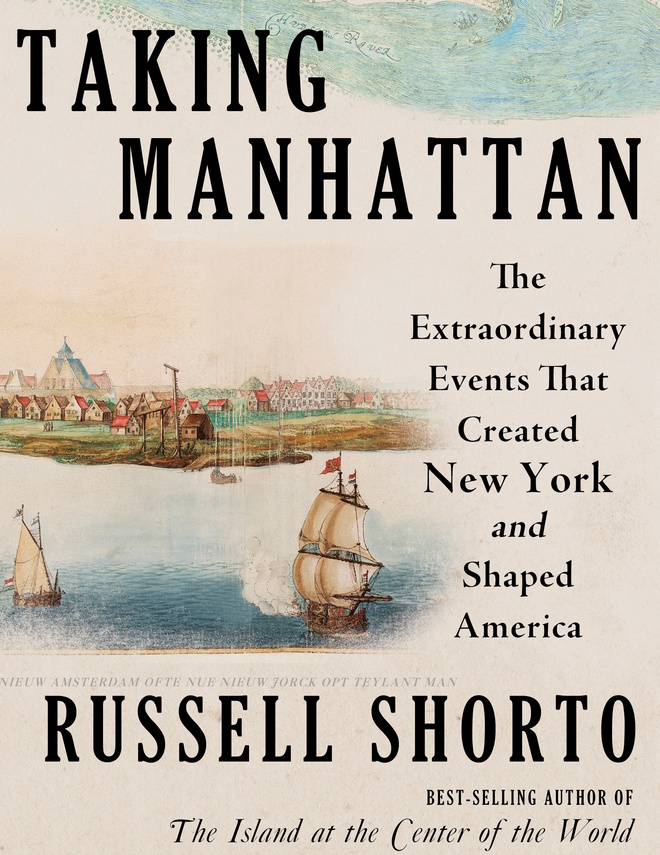
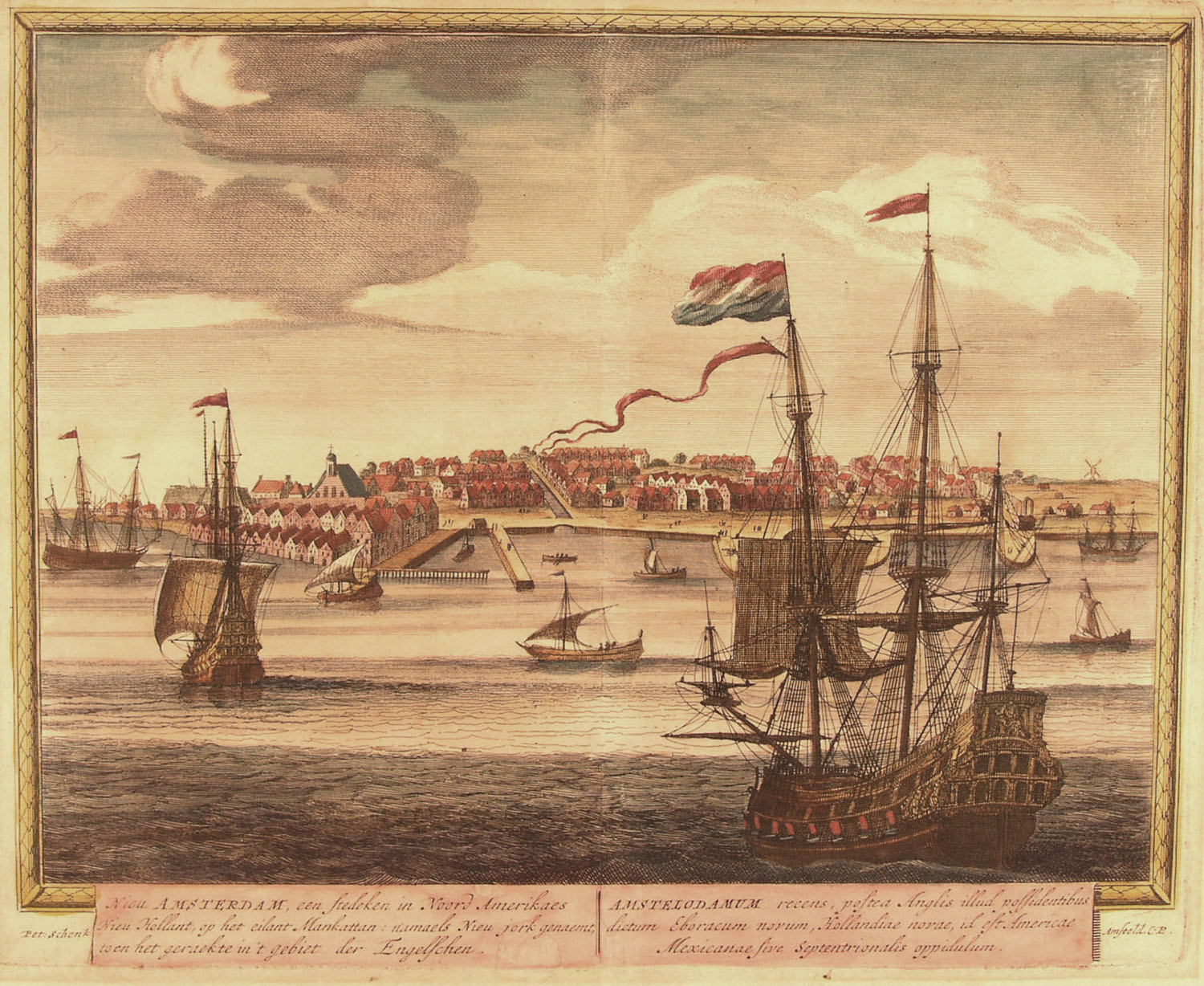
By 1663, fears of an English invasion gripped New Netherland. Peter Stuyvesant convened rare assemblies to plan defense, but the colony remained divided—villages refused aid, officials prioritized self-protection, and colonists, frustrated by neglect, threatened allegiance to another government for safety.
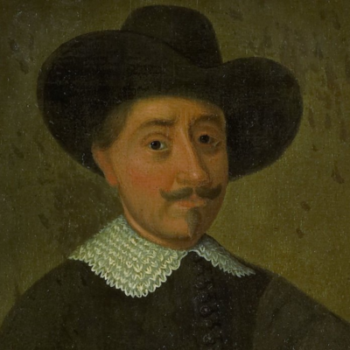
Anthony or Antonius Van Diemen (1593–1645) would doubtless have faded into unremembered history were it not for his fateful decision in 1642 to send the seafarer and explorer Abel Janszoon Tasman (1603–1659) in search of “The Great South Land.”
Scholars beyond the undergraduate level and actively working on a thesis, dissertation, or scholarly article are invited to apply.
Leo Vroman (1915–2014) was a Dutch-born hematologist and poet who settled in the United States and became one of the most celebrated modern Dutch-language poets while maintaining a distinguished scientific career.

In June 1743, three sailors aboard the schooner Rising Sun mutinied, killing captain Newark Jackson, supercargo George Ledain, and two crew members after a slave-trading voyage to Suriname. This case reveals how Dutch archives illuminate the history of British colonial America.
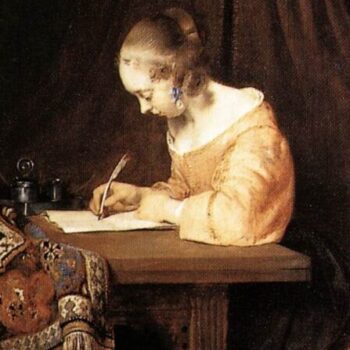
Have you ever wondered about the name of the New Netherland Institute's newsletter, or its curious spelling? Dr. Charles Gehring explained it in the first issue in February 1985. The New Netherland Project, as the Dutch translation mission was called back then, had received many "imaginative suggestions" for the name of its newly minted newsletter, but none was chosen.
The voyage of the ship Beaver from the Netherlands to New Amsterdam in 1660 must have been an awkward one for those on board. Boudewijn van Nieulant, one of the ship’s passengers, was fleeing a woman whom he had impregnated in Amsterdam.
The year 1642 saw the death of Galileo and the birth of Sir Isaac Newton. In England, King Charles I raised his standard at Nottingham to begin that country’s Civil War,
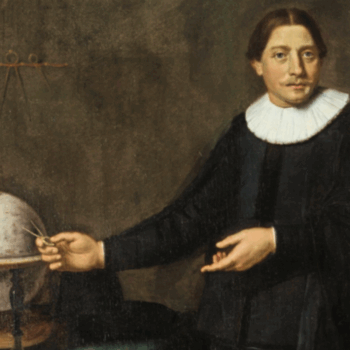
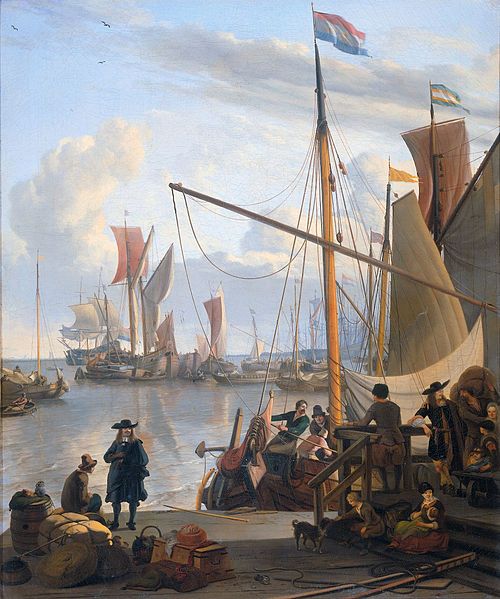
Despite their essential role, Dutch Atlantic sailors remain largely unseen in history. Their voyages were perilous—battling enemy ships, storms, hunger, disease, and abuse aboard poorly equipped vessels. Enduring deprivation and danger, sailors sometimes resisted the harsh conditions imposed upon them.