

Walt Whitman (1819–1892) was an American poet, journalist, and essayist whose landmark work Leaves of Grass revolutionized modern poetry and established him as one of the most influential voices in American literature.
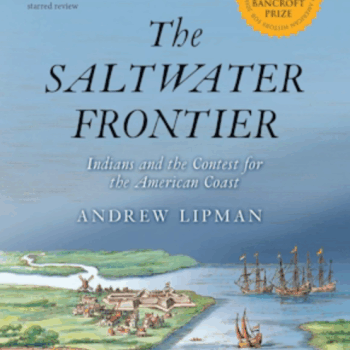
Andrew Lipman’s eye-opening first book is the previously untold story of how the ocean became a “frontier” between colonists and Indians.
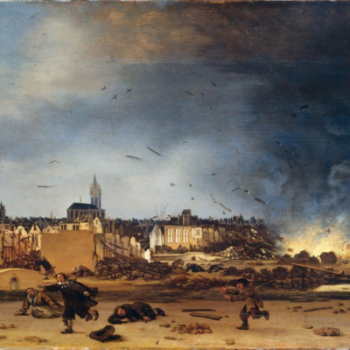
Since the start of the Eighty Years’ War, the Dutch army kept central stores of gunpowder within the city walls of Delft. In the late morning of October 12, 1654, the city was rocked by a massive explosion in the Doelenkwartier, between Geerweg and Doelstraat in the northeast section of the city.
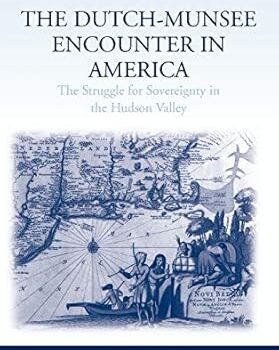
Employing a frontier framework, this book traces intercultural relations in the lower Hudson River valley of early seventeenth-century New Netherland. I
Janwillem van de Wetering (1931–2008) was a Dutch-born novelist and Zen memoirist known for his Amsterdam police detective series and philosophical writings inspired by Zen Buddhism and international experiences.
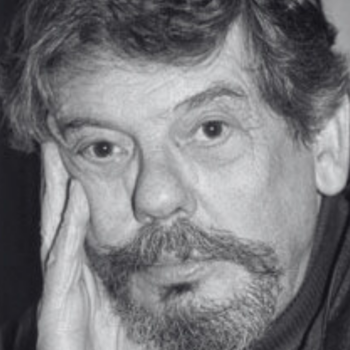
The rapid economic growth of cities in the Netherlands during the late Middle Ages attracted an enormous number of immigrants. As a result, ethnically diverse commercial interests dominated these cities and their overseas enterprises.
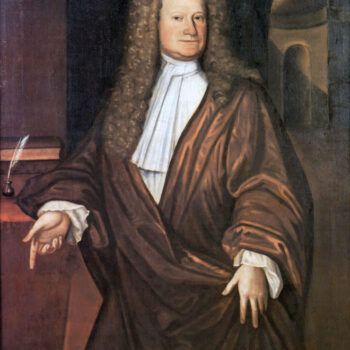
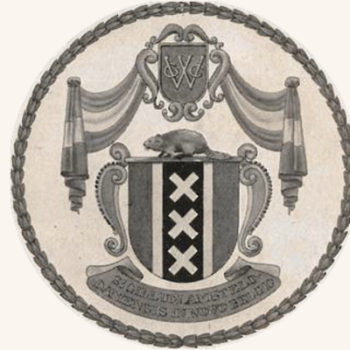
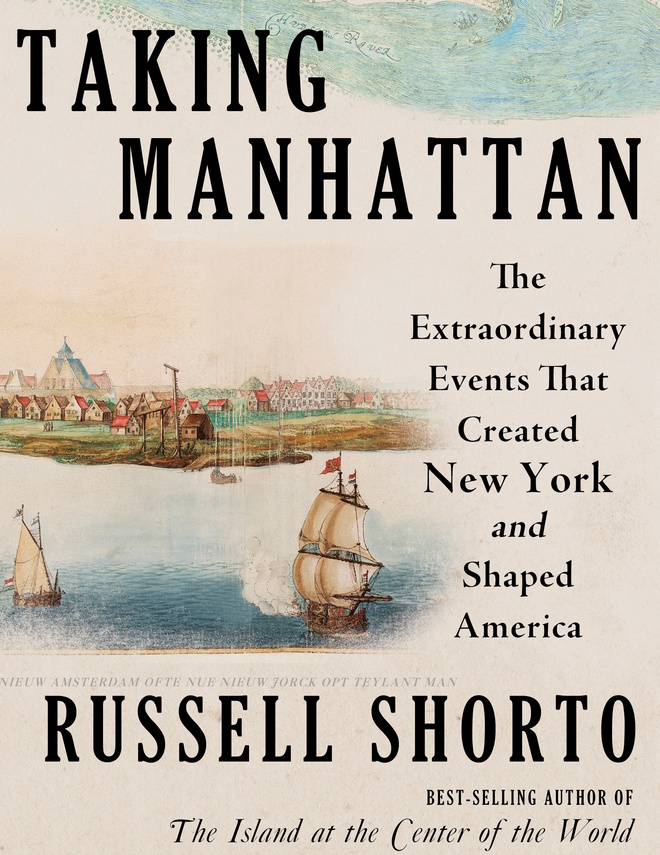
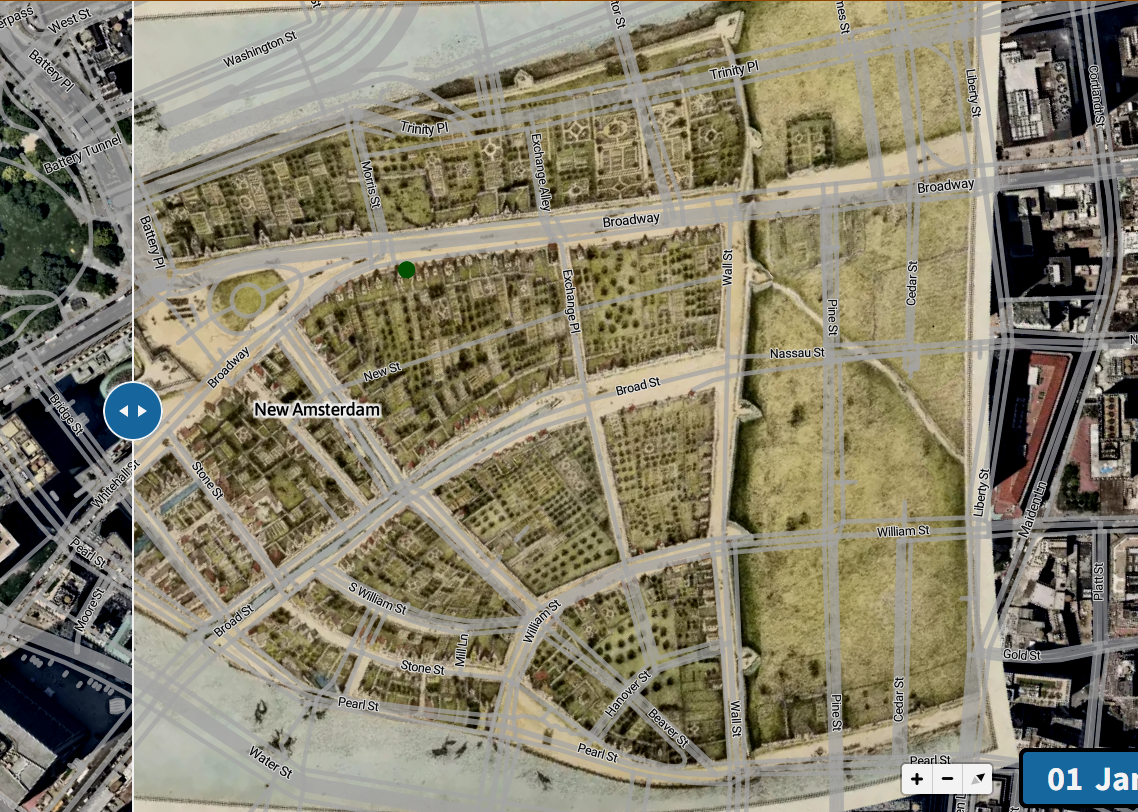
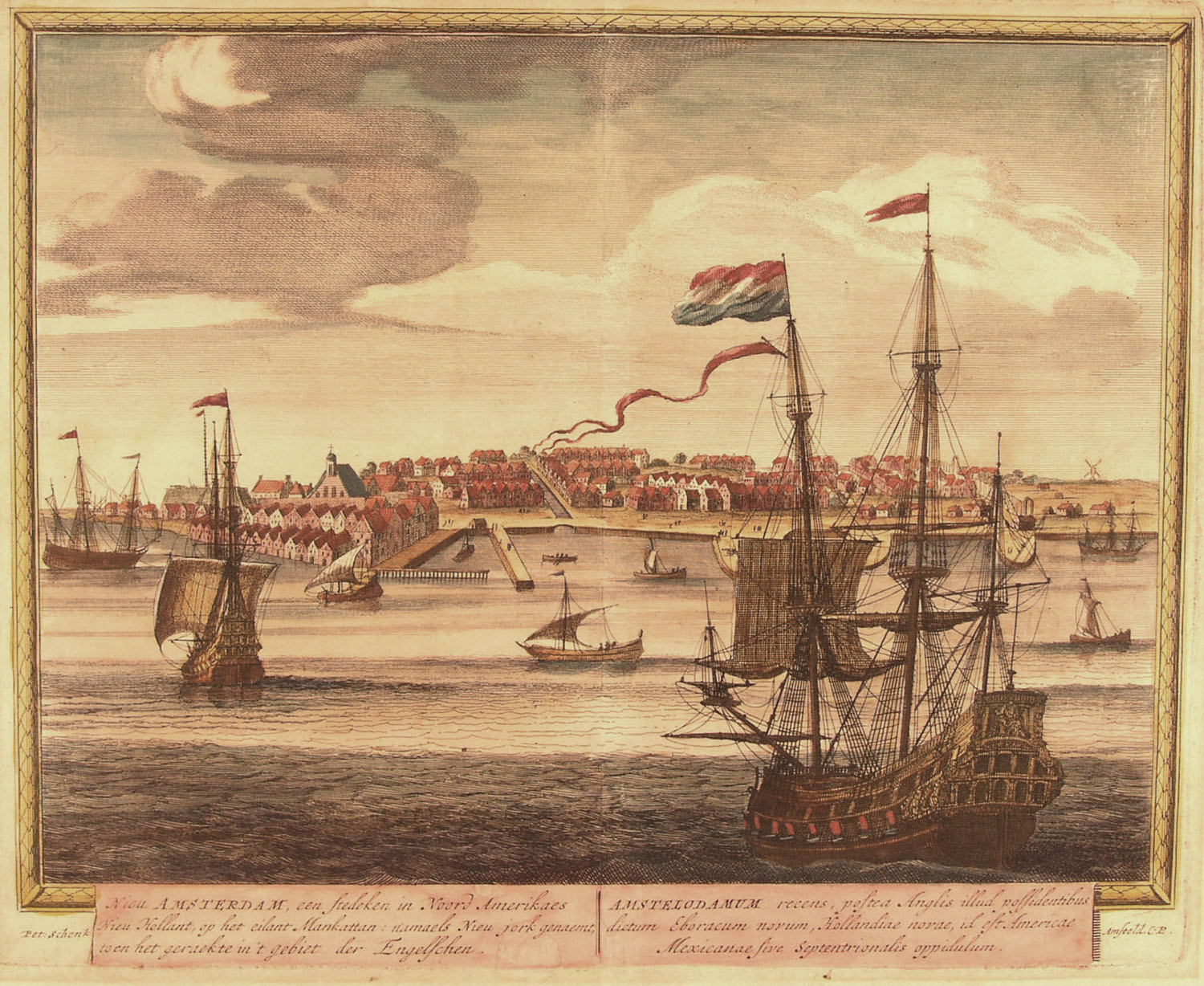
For readers of the Marcurius there’s probably only one association evoked by the name “New Amsterdam,” and that’s “Nieuw Amsterdam,” the Dutch settlement that became New York City. Although the name has not been in official use for more than three centuries, since the English took over the Dutch city, for some reason it seems to have created a strong emotional response, for there were and are quite a lot of other New Amsterdams in various guises all over the world. Here are a few.
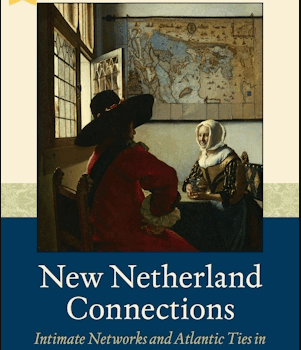
Susanah Shaw Romney locates the foundations of the early modern Dutch empire in interpersonal transactions among women and men.
Charles Warner Wendell (1930–2015) was an American professor, historian, and genealogist whose scholarship and leadership helped advance the study of Dutch American history through organizations such as the Holland Society and the New Netherland Institute.
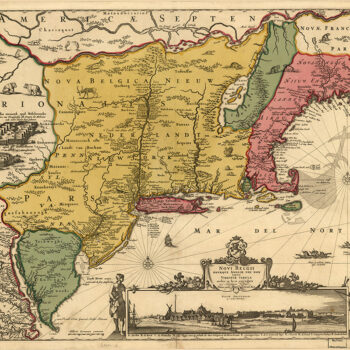
By the time Petrus Stuyvesant surrendered Fort Amsterdam in 1664, Dutch cultural traditions had already taken root—shaping life along the Hudson and Mohawk Rivers, western Long Island, and parts of New Jersey. These early Netherlandic influences helped lay the foundation for the region’s lasting identity and evolving American story.