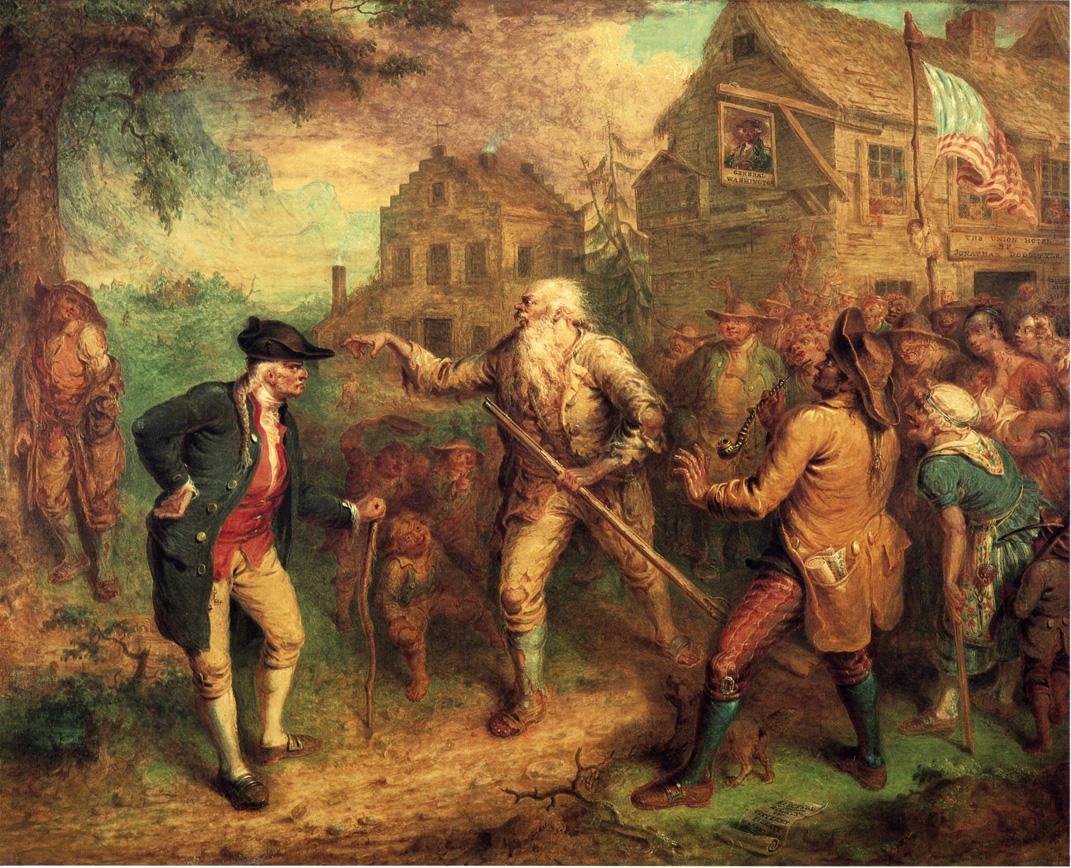


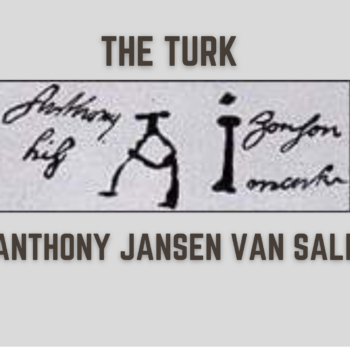
Anthony Jansen van Salee, the Turk, arrived in New Amsterdam about 1633. For the next forty years, he stirred up trouble.
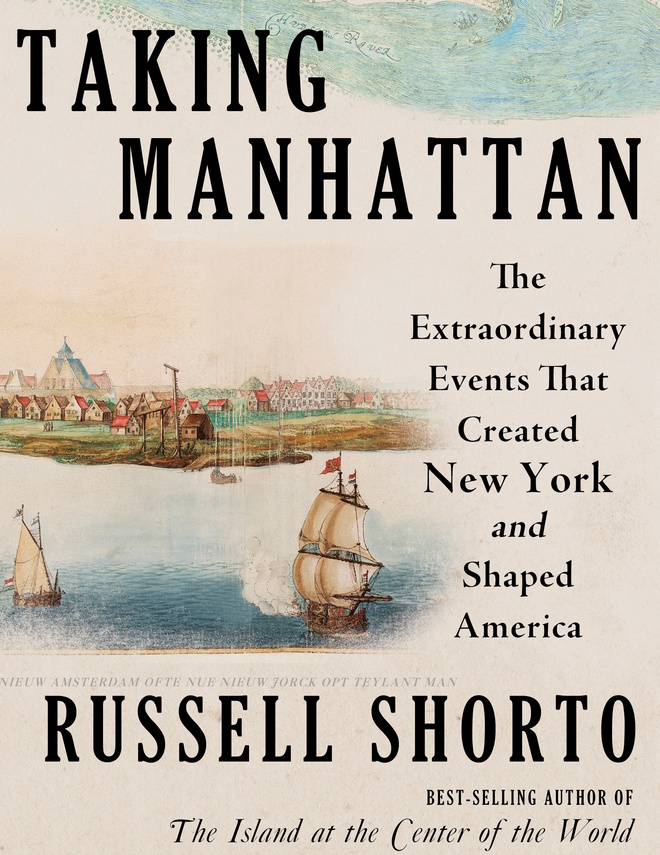
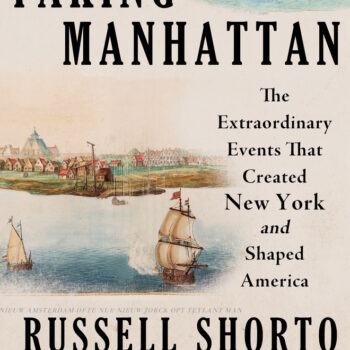
Why is New York the archetypal modern city – brash, bold, pulsing with energy? The author of The Island at the Center of the World offers up a thrilling narrative of how New York came to be.
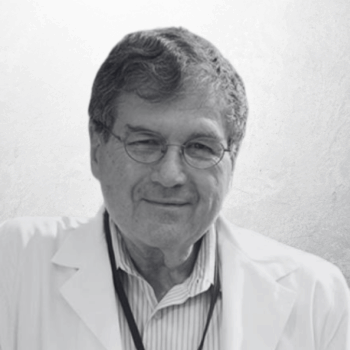
George F. Vande Woude was a pioneering Dutch-American cancer researcher, renowned for discovering the MET oncogene and leading major programs at the Van Andel Institute and National Cancer Institute.
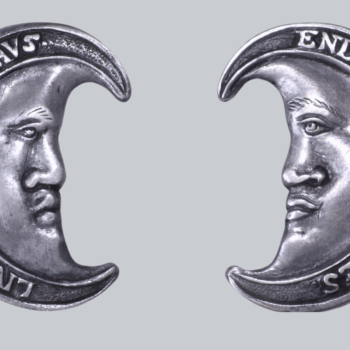
The Geuzen medal--shown here in one of its various forms--is a Dutch symbol reflecting a long history of resistance.
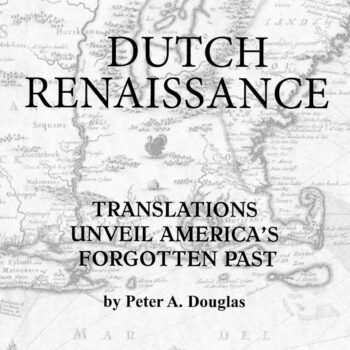
Peter Douglas’s Dutch Renaissance traces the unlikely survival of New Netherland’s records through shipwreck, war, and fire—culminating in Dr. Charles Gehring’s decades-long effort to translate the 17th-century Dutch texts and revive the colony’s forgotten voice and legacy.
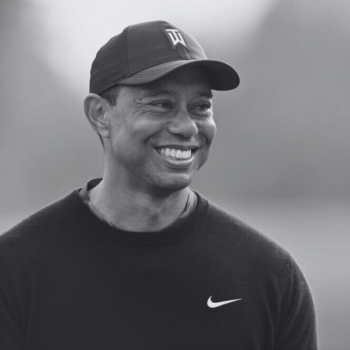
Tiger Woods (born 1975) is an American professional golfer widely regarded as one of the greatest in history. A multiple major champion, he dominated world golf rankings and transformed the sport’s global popularity and commercial success.
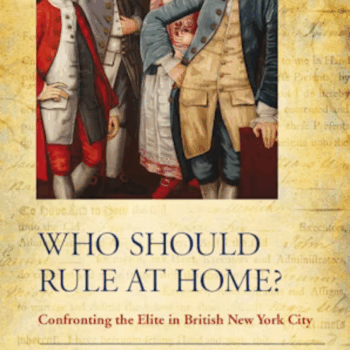
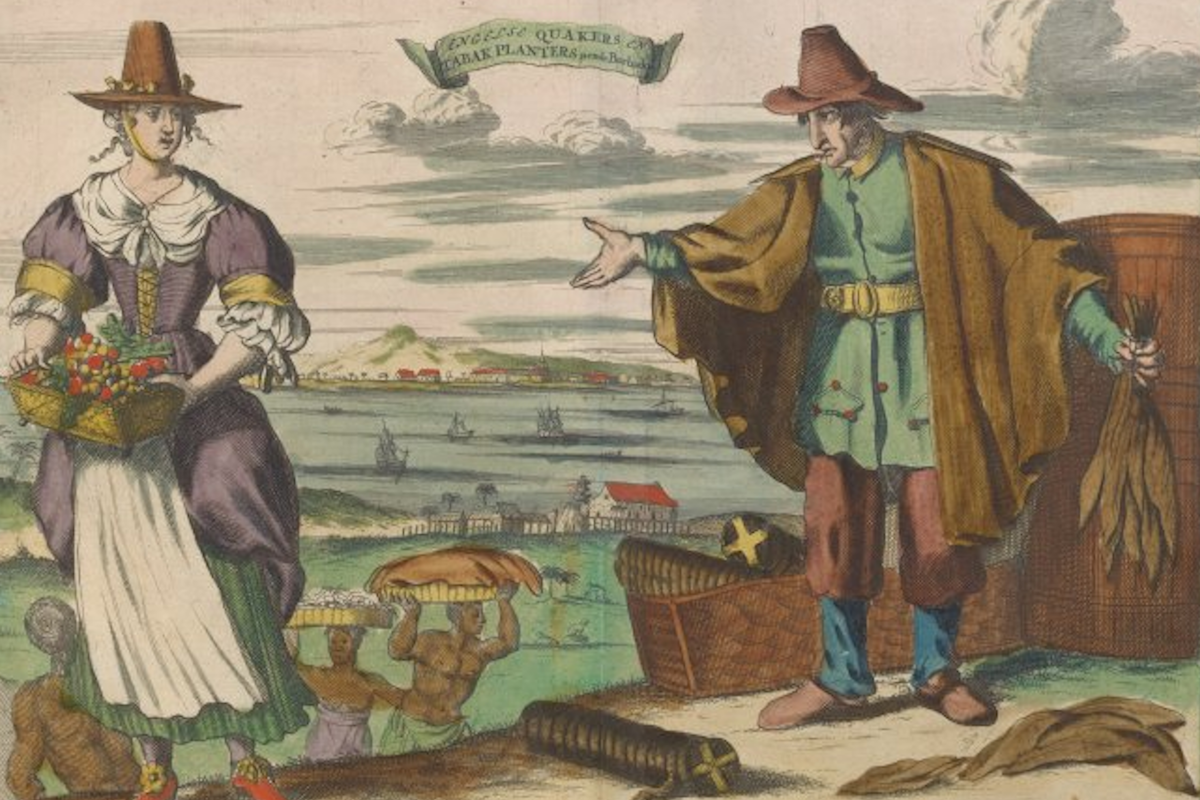
In Who Should Rule at Home? Joyce D. Goodfriend argues that the high-ranking gentlemen who figure so prominently in most accounts of New York City's evolution.
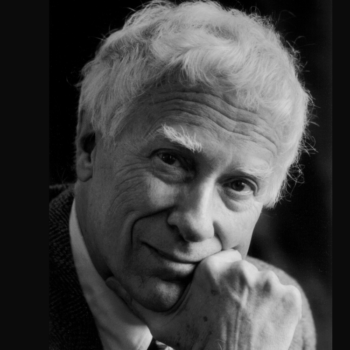
Nicholas Wolterstorff (born 1932) is an American philosopher known for work in epistemology, philosophy of religion, justice, and aesthetics. A longtime Calvin College professor, he later taught philosophical theology at Yale Divinity School.
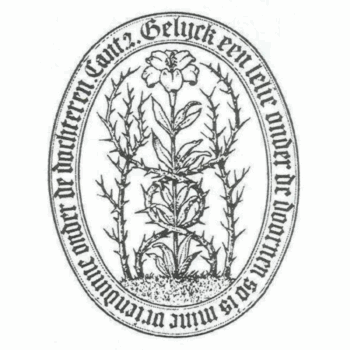
The Lily among Thorns is one of the early symbols of the Dutch Reformed Church. It originated in the mid-16th century as the rebellion of the Low Countries against Spain.
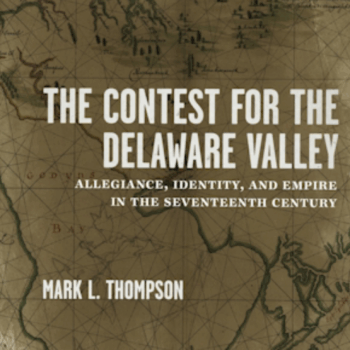
In the first major examination of the diverse European efforts to colonize the Delaware Valley, Mark L. Thompson offers a bold new interpretation of ethnic and national identities in colonial America.