

New Netherland Legacy Introduction

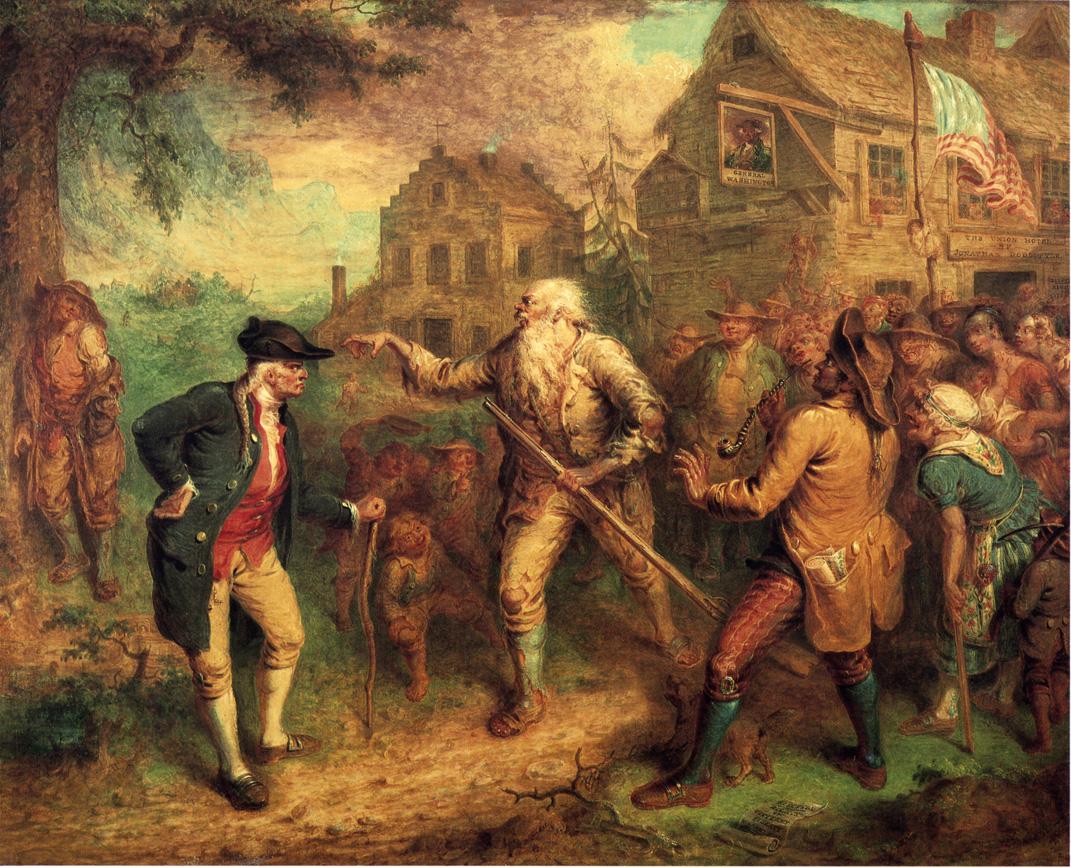
“I mention this spot with all possible laud, for it is in such little retired Dutch valleys, found here and there embosomed in the Great State of New York, that population, manners, and customs remain fixed; while the great torrent of migration and improvement, which is making such incessant changes in other parts of this restless country, sweeps by them unobserved.”
— Washington Irving[1]
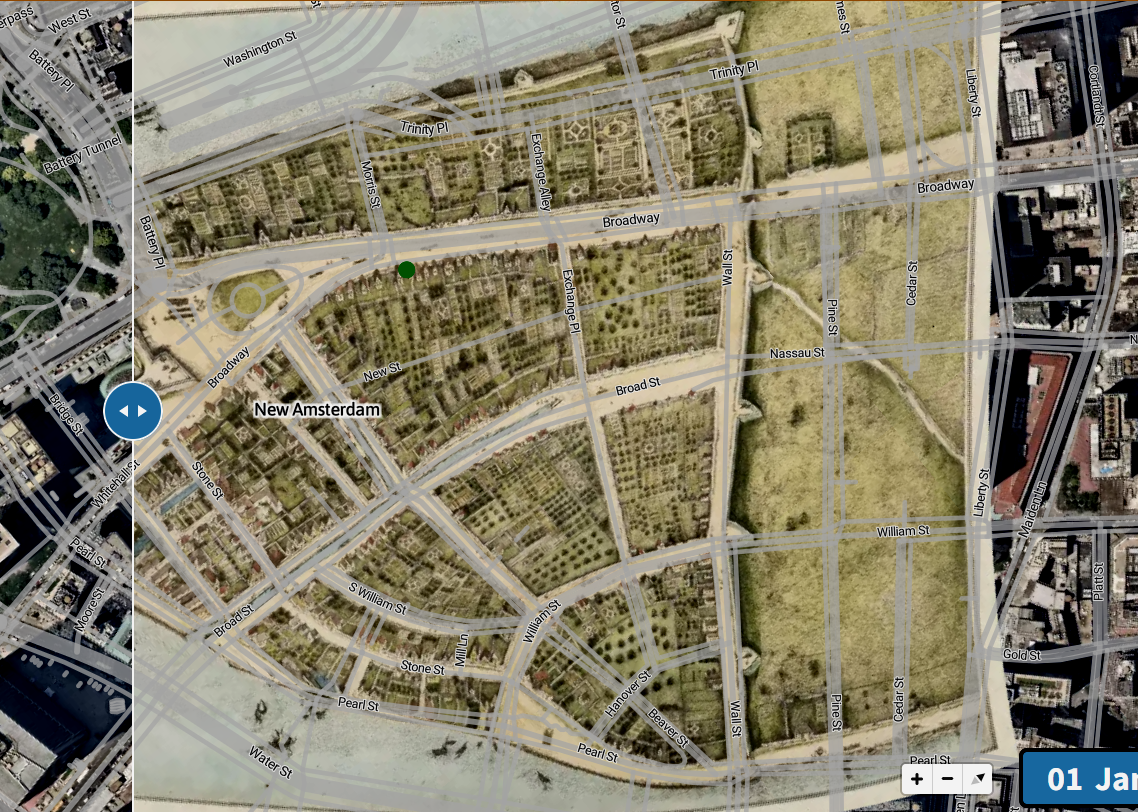
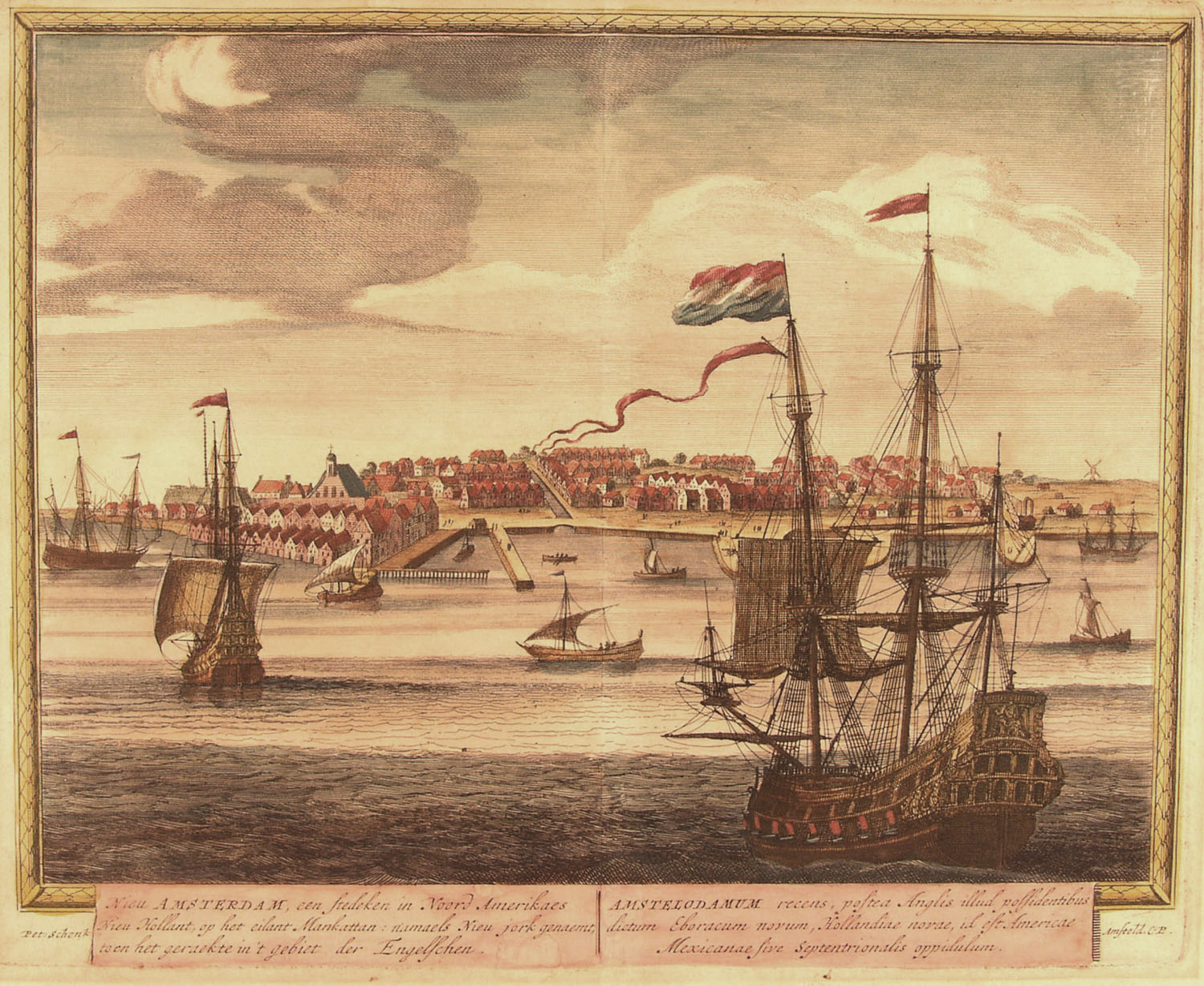
Because the official Dutch presence in North America lasted only fifty-five years, from 1609 until 1664, with the Dutch returning to govern the region for a mere fifteen months in 1673-1674, Washington Irving’s 1820 depiction of a living Dutch culture in New York 150 years later may seem surprising. Yet, Irving tells us, the Dutch presence remained very much alive in his day. Nearly seventy years later, New York visitors to the Netherlands were struck by the similarity between the two regions despite obvious differences in the landscapes. “As we approached Amsterdam it almost seemed like the approach to the upper end of New York [City] when coming in on the railroad,” wrote one traveler in 1888.[2] Even today, Dutch influence is found from the Delaware River to the Connecticut River in place names and political divisions, law, religion, language, cuisine, and folklore and customs. Indeed, the culture that the original Dutch settlers brought with them has not only persisted in the region they settled but has found its way into mainstream America.
The American devotion to private entrepreneurship, freedom of conscience, a concept of toleration, and a republican political culture, all have Dutch precedents. Moreover, the Dutch left a lasting impression on American political development. The Dutch idea that individual liberties protected through collective rights left a strong tradition in New York and, subsequently, upon national politics, as seen in the influence of special interests in the shaping of governmental policies. And the contest between commercial and agricultural interests that continues to dominate American political alignments reflects seventeenth-century Dutch origins. Needless to say, in the space of this digital exhibit, such wide-ranging Dutch influences on New York and American culture can only be broached in the most superficial manner. New materials are constantly surfacing that refine our understanding of the seventeenth-century Dutch contribution to American society and culture. It is my intention that what is presented here will stimulate further research and continued conversation.
Exhibit Credits
This exhibit was developed by David William Voorhees, director of the Jacob Leisler Institute for the Study of Early New York History in Hudson, New York, and managing editor of de Halve Maen, journal of The Holland Society of New York.
With special thanks to Dr. Dennis Maika for his editorial assistance and Steve McErleane for his technical skill and support.
1. Washington Irving, The Sketch Book of Geoffrey Crayon Gent. (New York, 1820; reprint New York and London: Penguin Books, 1981), 331.
2. Sheldon T. Viele, “Narrative of The Visit of the Holland Society to the Netherlands,” Holland Society Yearbook 1888 (New York: Holland Society of New York, 1888).