


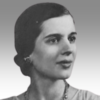
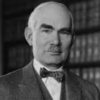

Saskia Sassen (born 1947) is a Dutch-American sociologist and professor at Columbia University known for her research on globalization, immigration, and urban economies. She coined the term “global city” and has written influential works examining how major cities shape the modern world economy.
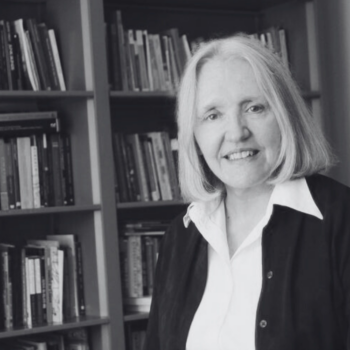
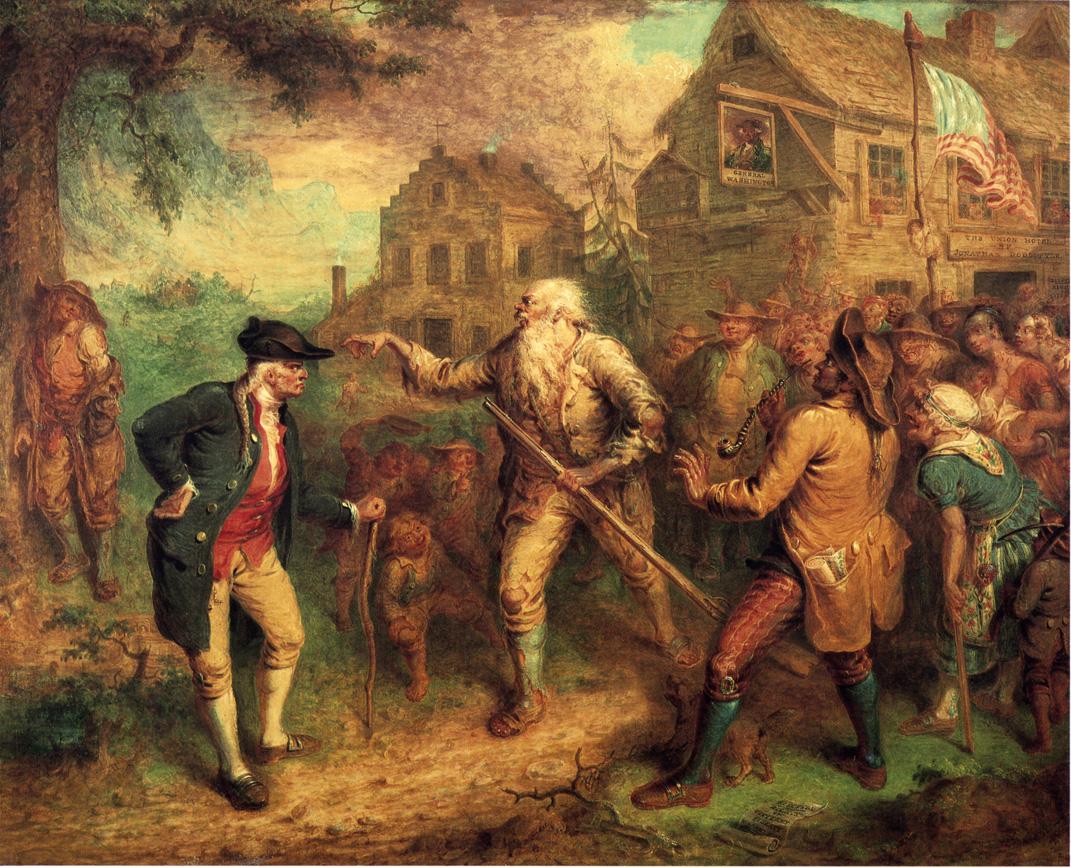
Gozen Van Schaick was an Albany-born soldier who served in colonial wars and the American Revolution, rising to brigadier general. A prominent Van Schaick heir, he also managed family lands and businesses until his death in 1789.
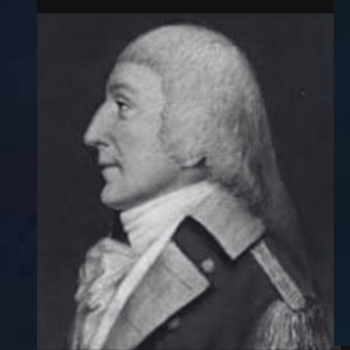
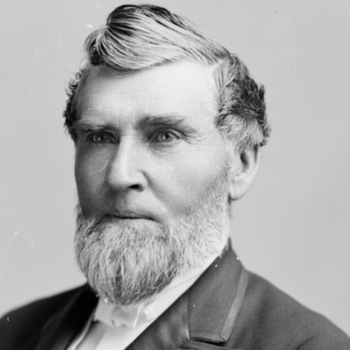
Isaac Whitbeck Van Schaick (1817–1901) was an American businessman and politician who served as a U.S. Representative from Wisconsin. After careers in manufacturing and milling, he became active in Wisconsin politics, serving in the state legislature before two terms in Congress.
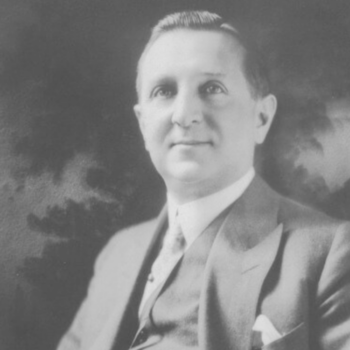
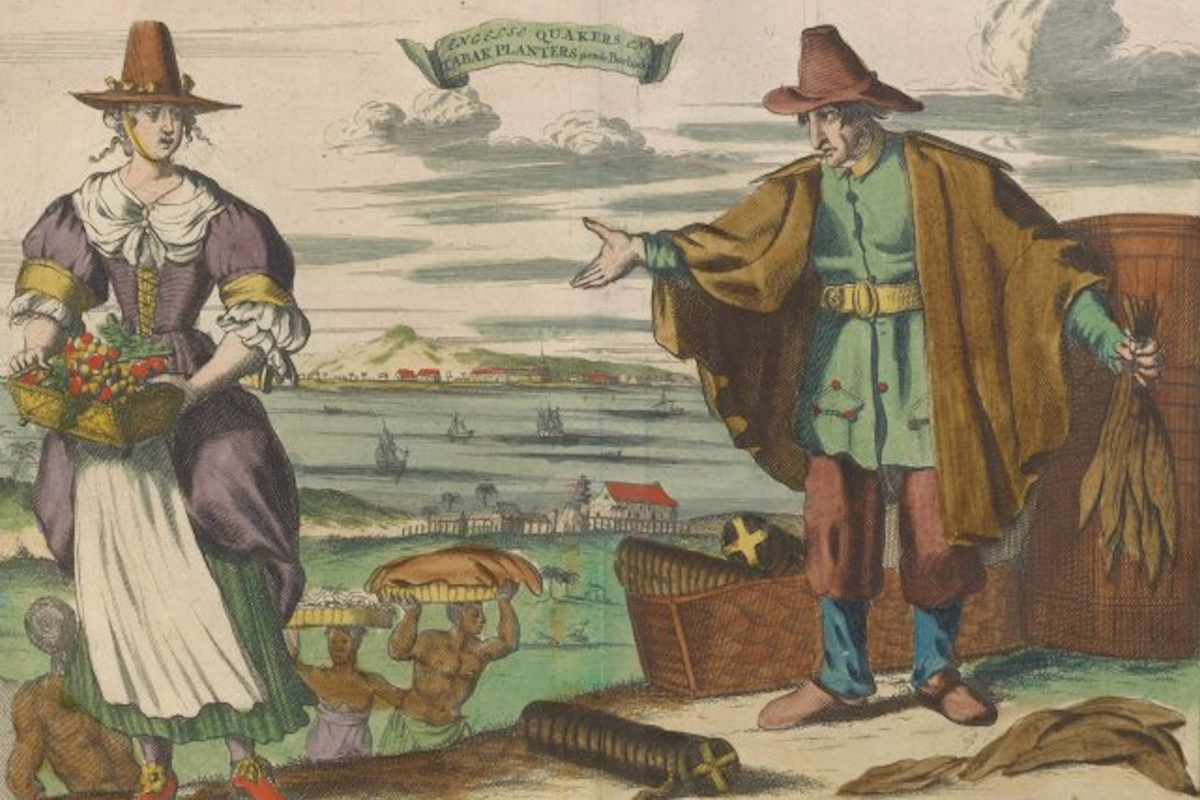
John Theodore Scheepers (1878–1939) was a Dutch-American horticultural entrepreneur known as the “Tulip King” for popularizing tulips in the United States during the early twentieth century. He founded John Scheepers, Inc., a flower bulb importing company that helped expand tulip cultivation and garden culture across North America.
James Findlay Schenck (1807–1882) was a United States Navy officer who rose to the rank of rear admiral and served in both the Mexican–American War and the American Civil War. A veteran naval commander, he later had the destroyer USS Schenck named in his honor.
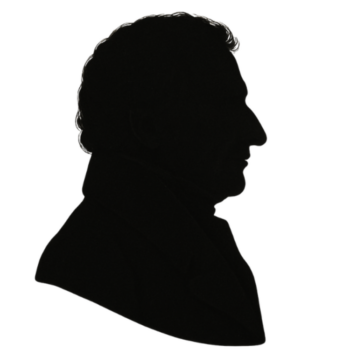
Robert Cumming Schenck (1809–1890) was an American lawyer, politician, and Union Army general. He served multiple terms in the U.S. House of Representatives, rose to major general during the Civil War, and later served as U.S. Minister to the United Kingdom.
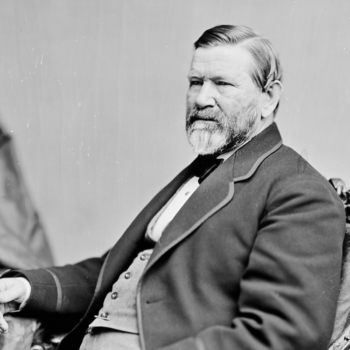
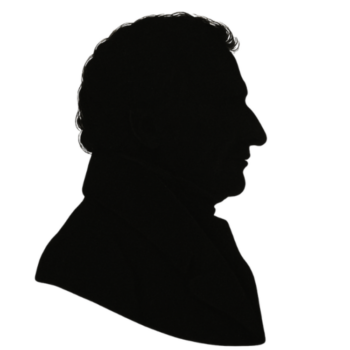
Abraham Maas Schermerhorn (1791–1855) was an American lawyer and politician who served two terms as a U.S. Representative from New York from 1849 to 1853. A Whig, he was also active in Rochester politics, serving as mayor and as a member of the New York State Senate.
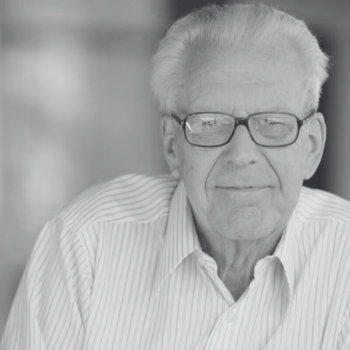
Maarten Schmidt (1929–2022) was a Dutch-American astronomer who identified the first quasar in 1963, revealing that these powerful objects were extremely distant and energetic sources associated with massive black holes. His discovery transformed modern astrophysics and the understanding of the universe.
Hubert J. P. Schoemaker (1950–2006) was a Dutch-born American biochemist and biotechnology entrepreneur who co-founded Centocor, one of the pioneering biotechnology companies in the United States. He later founded Neuronyx and helped develop the drug Remicade for autoimmune diseases.
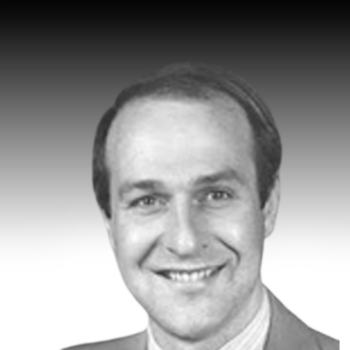
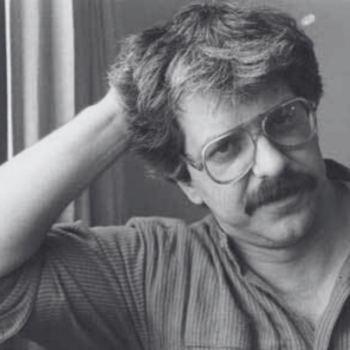
Leonard Schrader (1943–2006) was an American screenwriter, director, and author known for films such as The Yakuza and Kiss of the Spider Woman. Often collaborating with his brother, filmmaker Paul Schrader, he also taught screenwriting and wrote works in both English and Japanese.