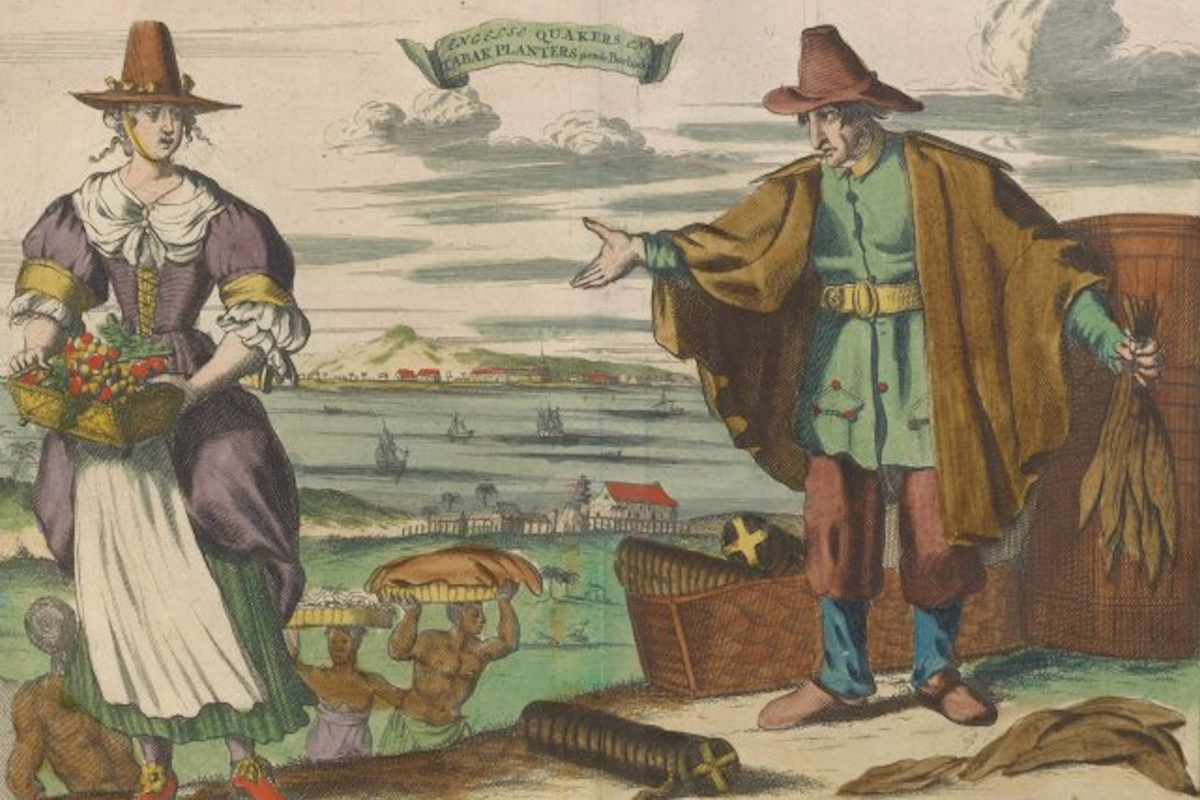
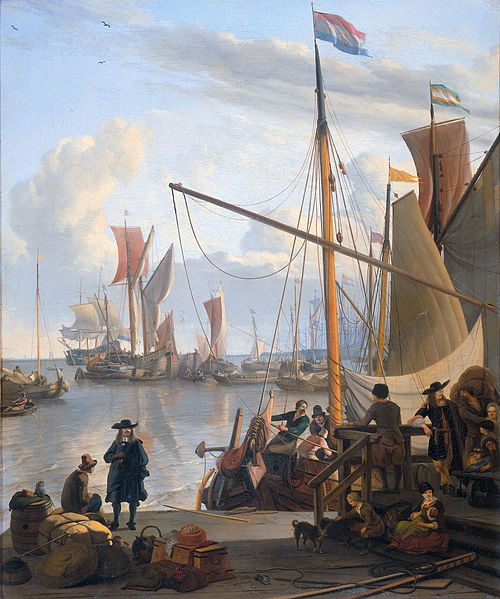

In the Dutch Atlantic world, the world order and groups within it were visualized hierarchically. This started with the foundation of the colonial trading companies in the early 17th century, and continued until well after the abolition of slavery in 1863.
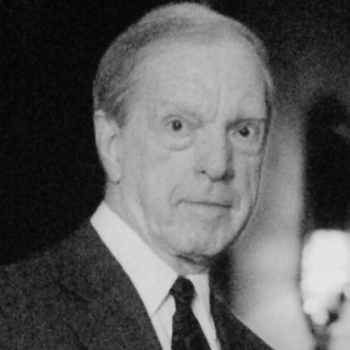
Charles Warner Wendell (1930–2015) was an American professor, historian, and genealogist whose scholarship and leadership helped advance the study of Dutch American history through organizations such as the Holland Society and the New Netherland Institute.
In 1654, Beverwijck tavernkeeper Maria Jansz was repeatedly prosecuted for selling brandy to Native customers. Despite initial denial, she confessed, reoffended, and was fined and banished for a year. Her husband then obtained a divorce rather than accompany her into exile.
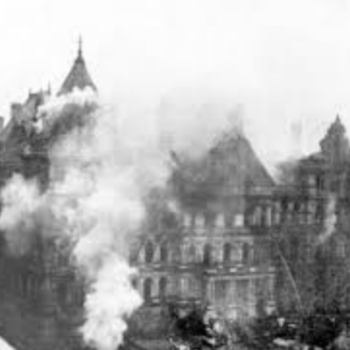
When, in the early hours of March 29, 1911, fire gutted much of the New York State Capitol and State Library, few people, if any, could have been more devastated than State Archivist Arnold J.F. van Laer. Hundreds of thousands of books and documents were either burned up or severely damaged, including the 17th century Dutch colonial records that Van Laer had begun to translate.
Dirk Alkemade (PhD student at Leiden University), our visiting Fulbright/NNI scholar, harrived at the NNRC on May 2 and was here. Dirk through July 31. His research was on the Dutch political refugees who came to the US in the revolutionary era (c. 1776-1815).

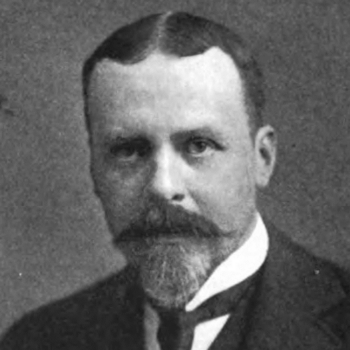
Barrett Wendell (1855–1921) was an American literary scholar and Harvard professor whose teaching and writings on English composition, American literature, and figures such as Cotton Mather shaped late nineteenth-century literary studies.
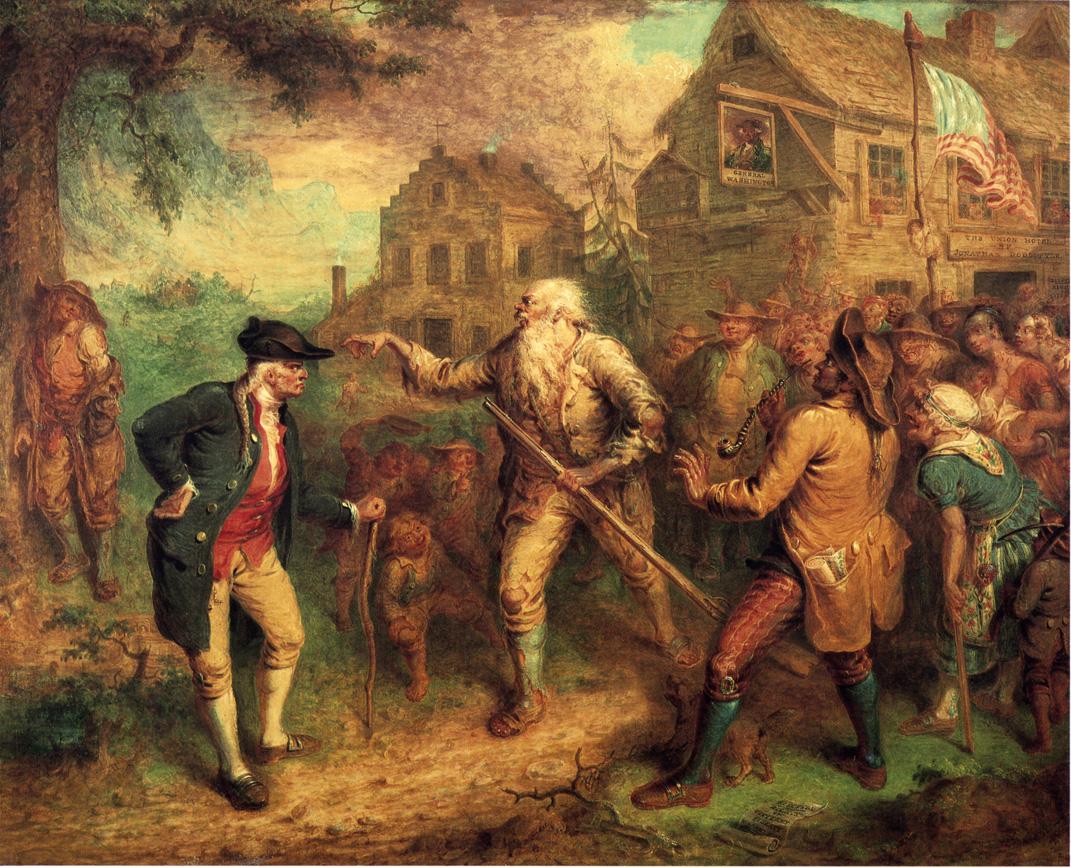
Enslaved in New York, Pieter Christiaan built a family, challenged authority, and disrupted village life, leaving a rare and vivid record of power, conflict, and resilience.
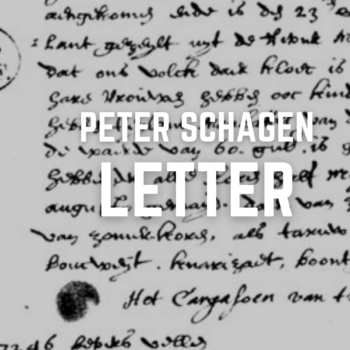
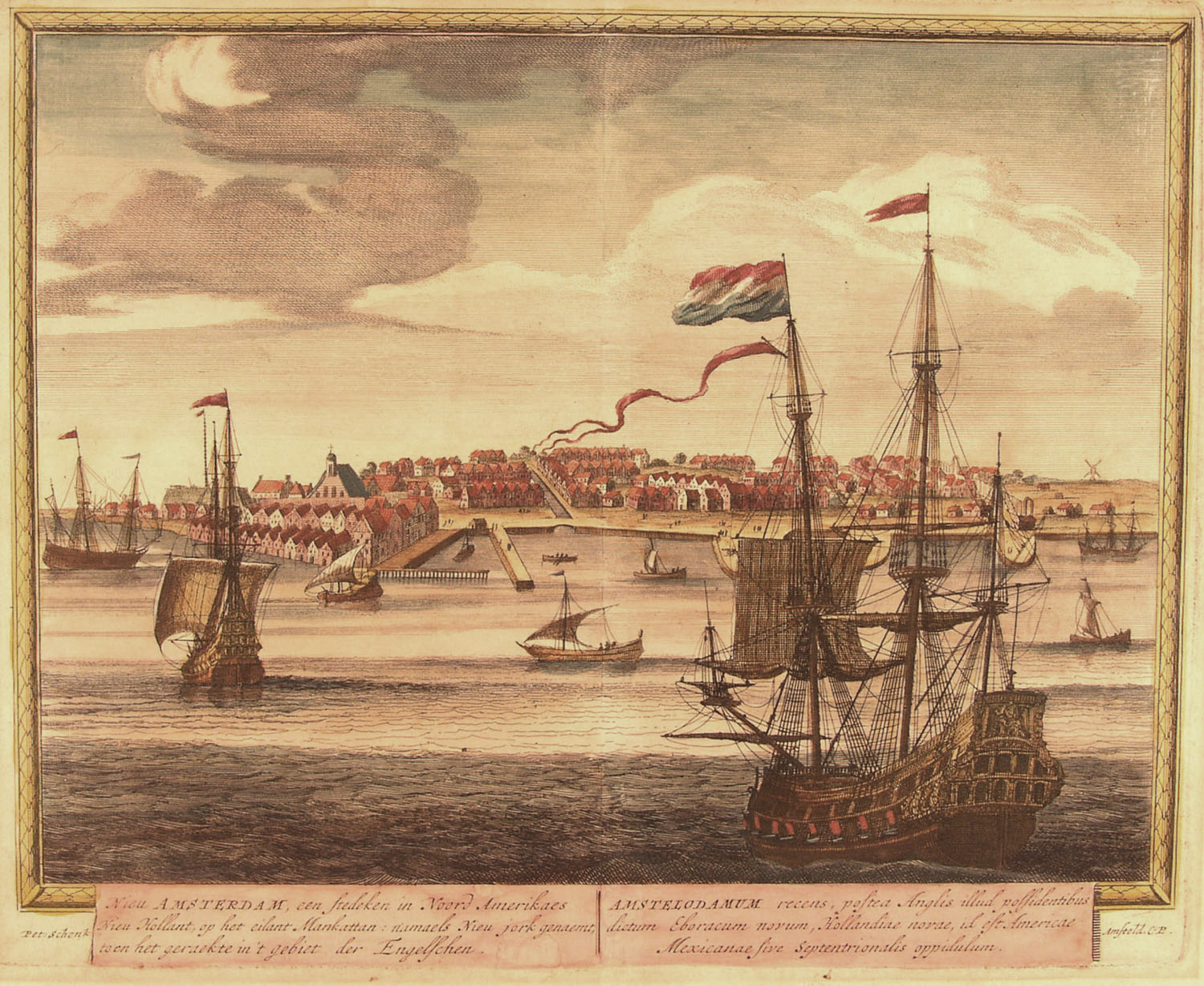
Peter Schaghen, the author of this document, was the representative of the States General in the Assembly of the Nineteen of the West India Company.
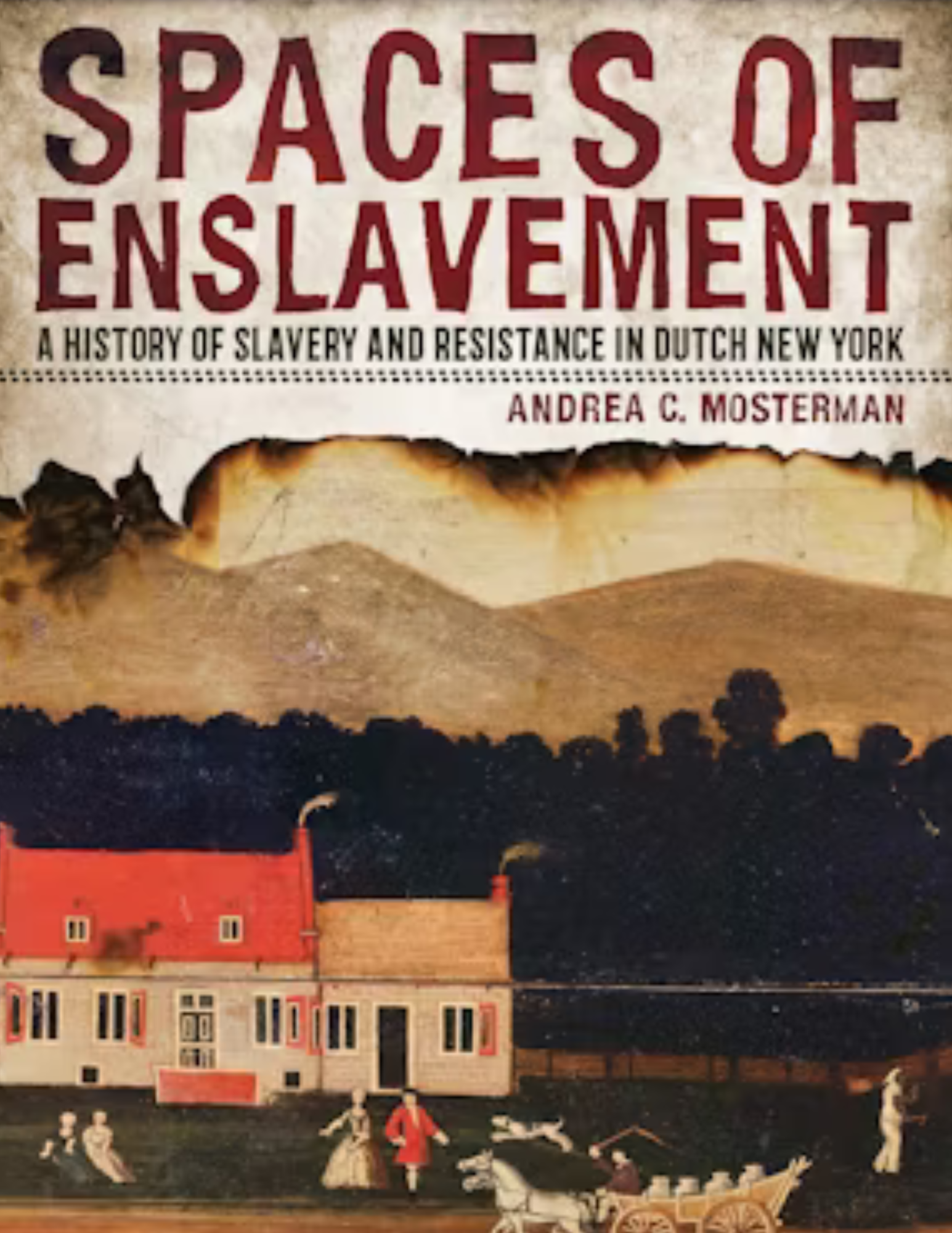
A closer look at Dutch life in St. Thomas reveals surprising parallels in language, religion, and daily life, offering new insight into the enslaved community of New Netherland.
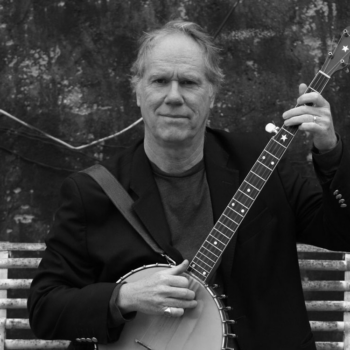
Loudon Wainwright III (b. 1946) is an American folk singer, songwriter, and actor known for humorous and autobiographical songs, including the hit “Dead Skunk,” and for a long recording career spanning dozens of albums.