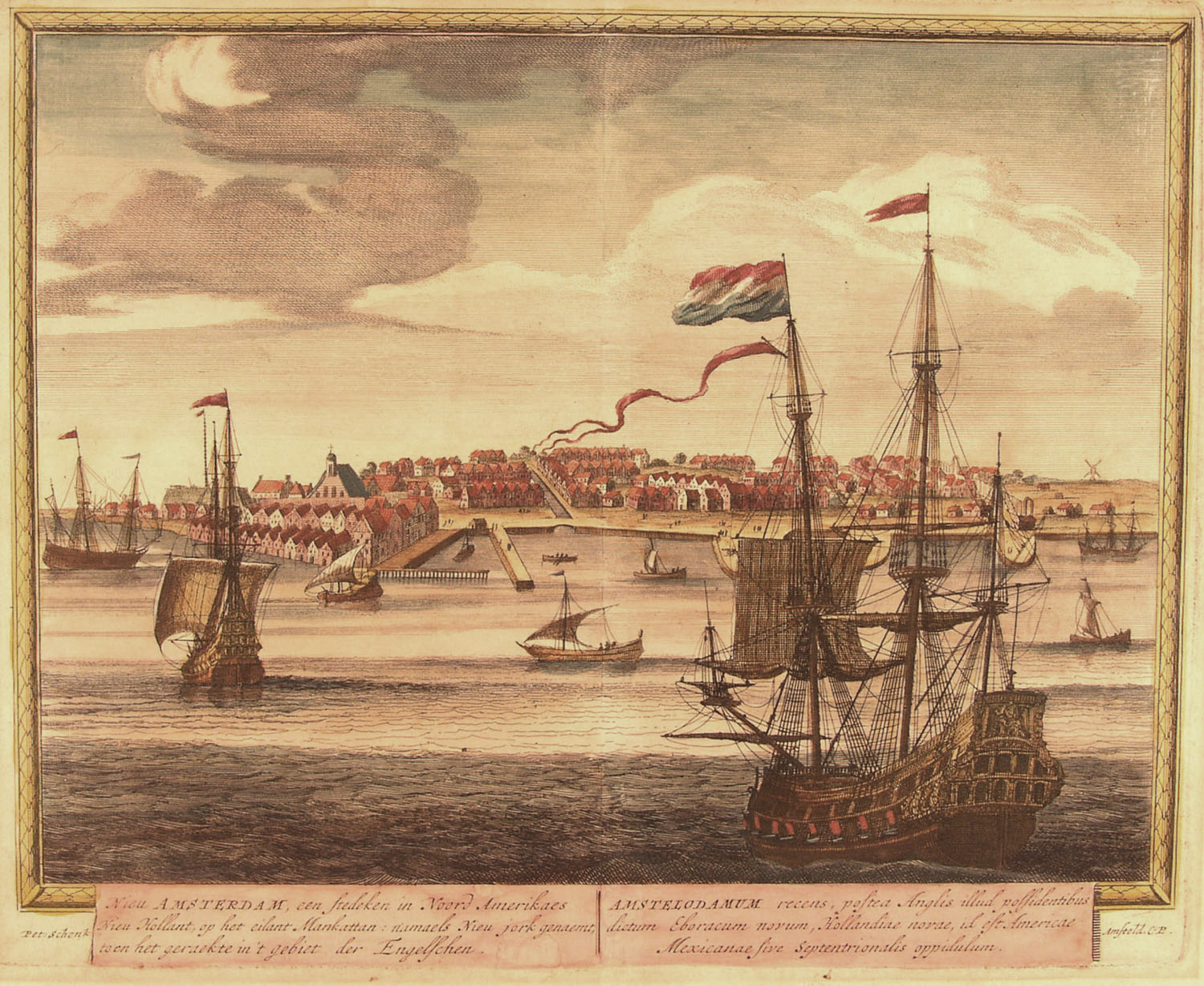
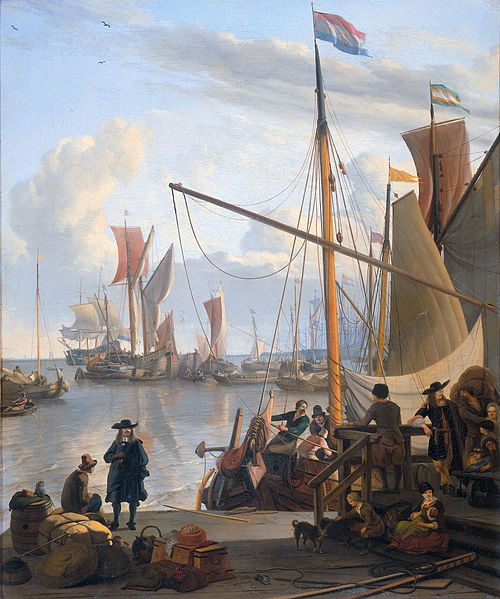

Privateers, naval warfare, and Atlantic rivalry shaped the world of New Netherland. The Dutch West India Company’s raids on Iberian ships—and the spoils they brought—were vital to the colony’s survival and prosperity in seventeenth-century New Amsterdam.
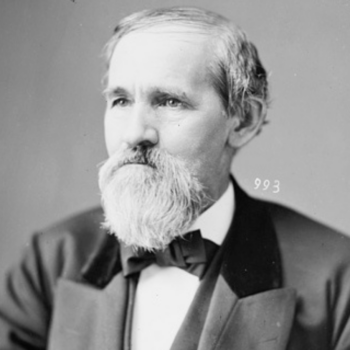
Nelson Holmes Van Vorhes (1822–1882) was an Ohio newspaper editor, Civil War officer, and Republican politician who represented Ohio in the U.S. House of Representatives from 1875 to 1879 after years of service in Ohio state politics.

Save the Date: join us at the New York Historical for our annual conference on Saturday November 15. More details to come.
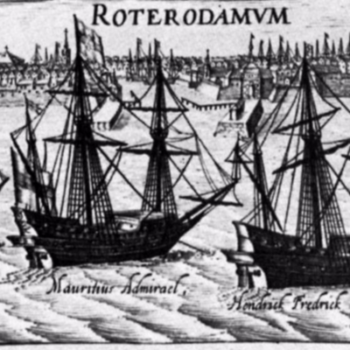
In the March 2009 edition of the Marcurius (vol.25 no.1) we told you of the adventures of Olivier van Noort, the first Dutch explorer to circumnavigate the world.
Nelson Holmes Van Vorhes (1822–1882) was an Ohio newspaper editor, Civil War officer, and Republican politician who represented Ohio in the U.S. House of Representatives from 1875 to 1879 after years of service in Ohio state politics.
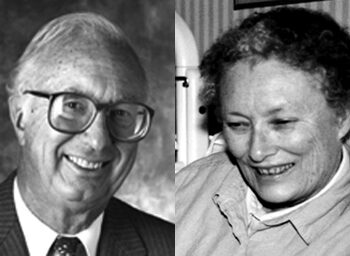
The Van Slyke Article Prize honors Clague Van Slyke and Carol Van Slyke Lazo, descendants of New Netherland settler Cornelis Van Slyck. This $1,000 annual award recognizes outstanding published articles on the Dutch colonial Atlantic, especially New Netherland, based on original research. Submissions are due by April 1.
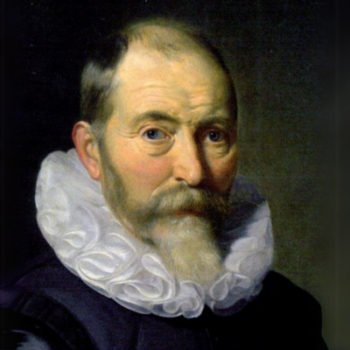
We just missed the 400th anniversary, but here’s the information. It’s worth a look as it’s yet another example of the often understated but important role of the early Dutch in the history of the world.
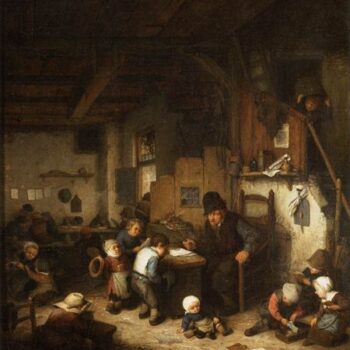
Most Dutch children--both rich and poor--attended school in New Netherland. Although most families paid a fee to the local schoolmaster, students whose parents could not afford this fee were admitted for free.
Ralph Voorhees (1835–1907) and his wife Elizabeth Rodman Voorhees were philanthropists whose charitable gifts supported education, including the founding of Voorhees College and major donations to Rutgers and several American colleges.
The first colonists lived in square pits, like cellars, that were covered with wood and bark. These simple shelters protected them from the elements until they could build basic cottages. Once New Netherland became more established, colonists built better wooden and later stone and brick houses.