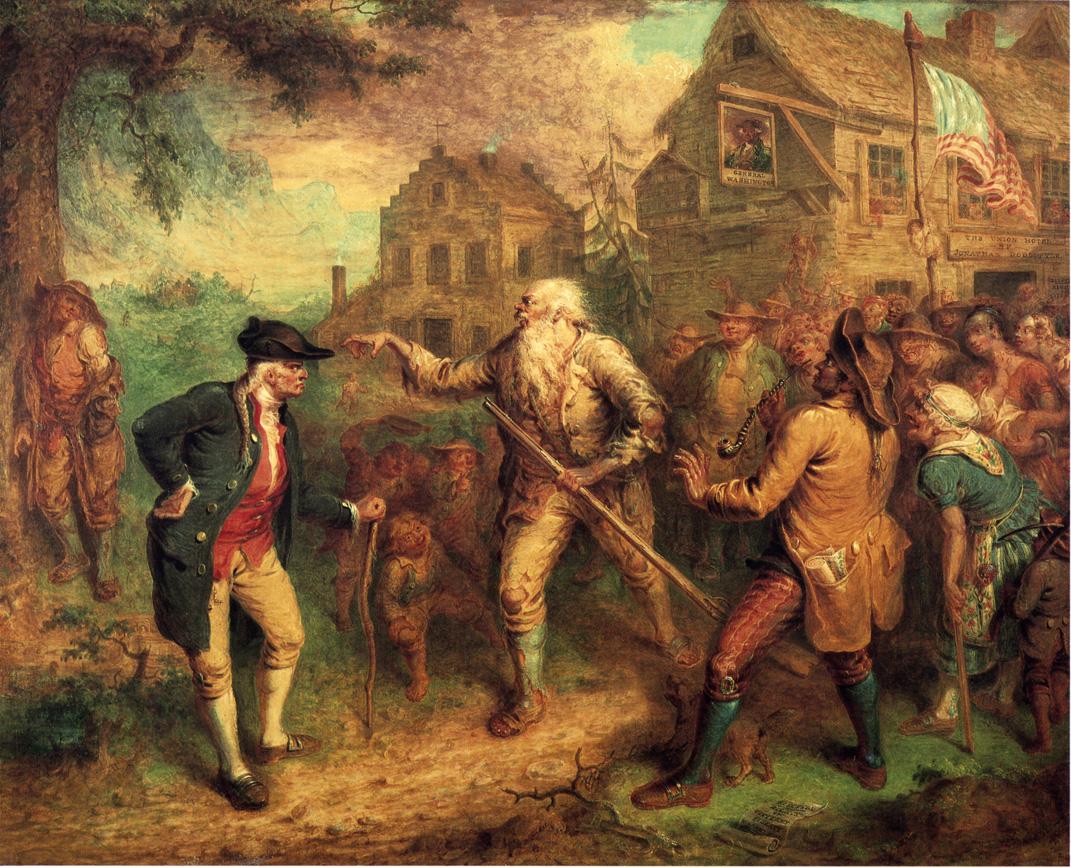
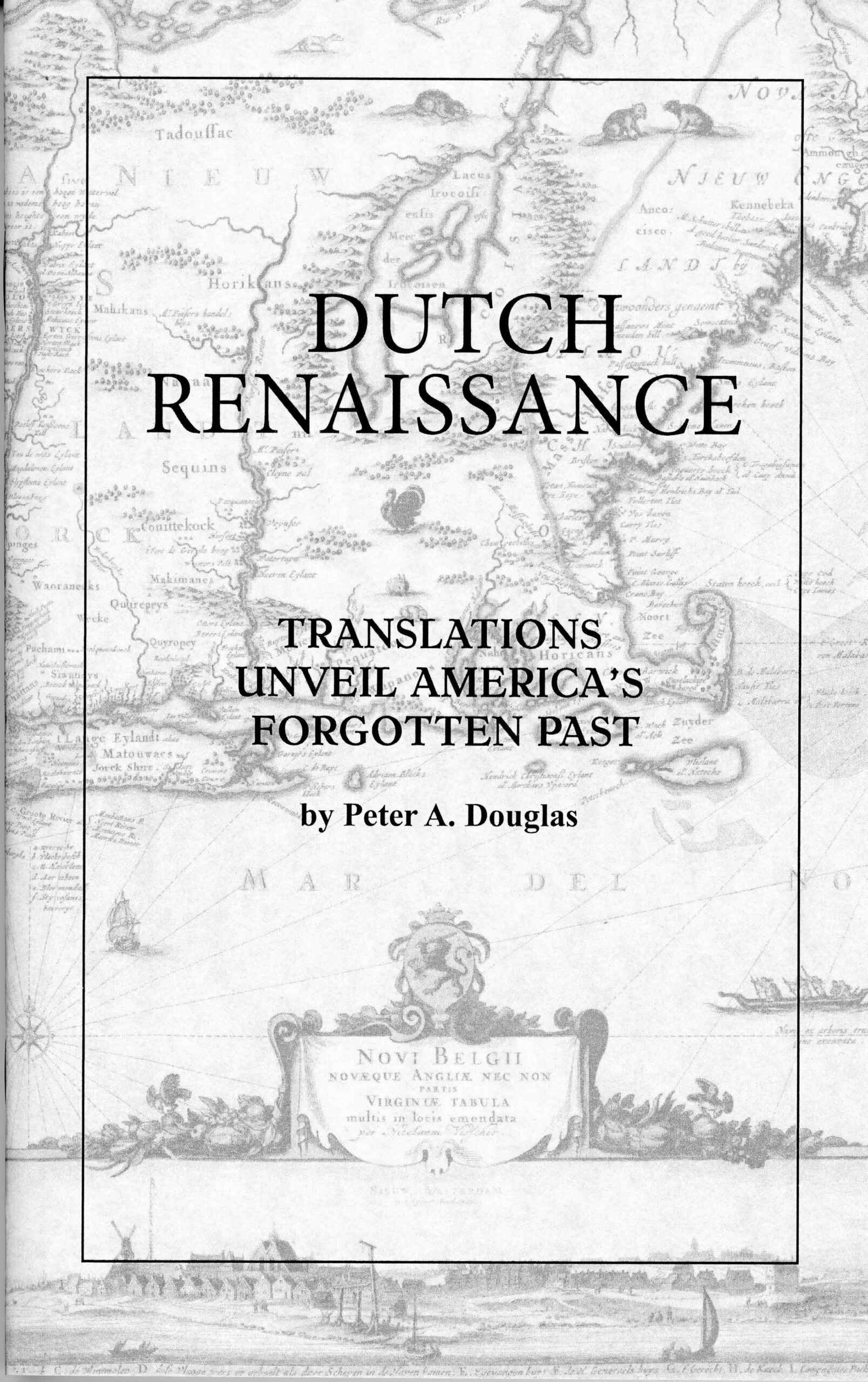
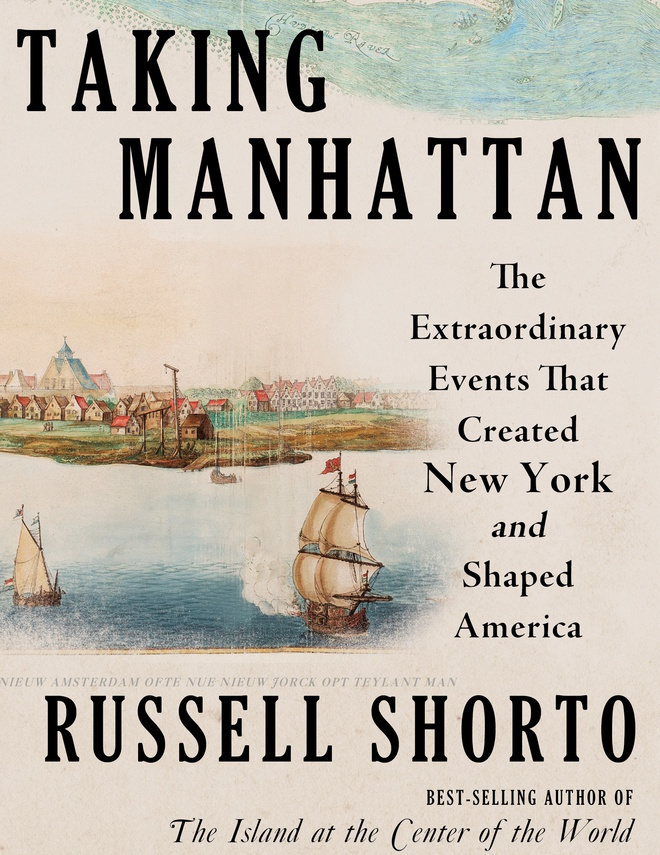
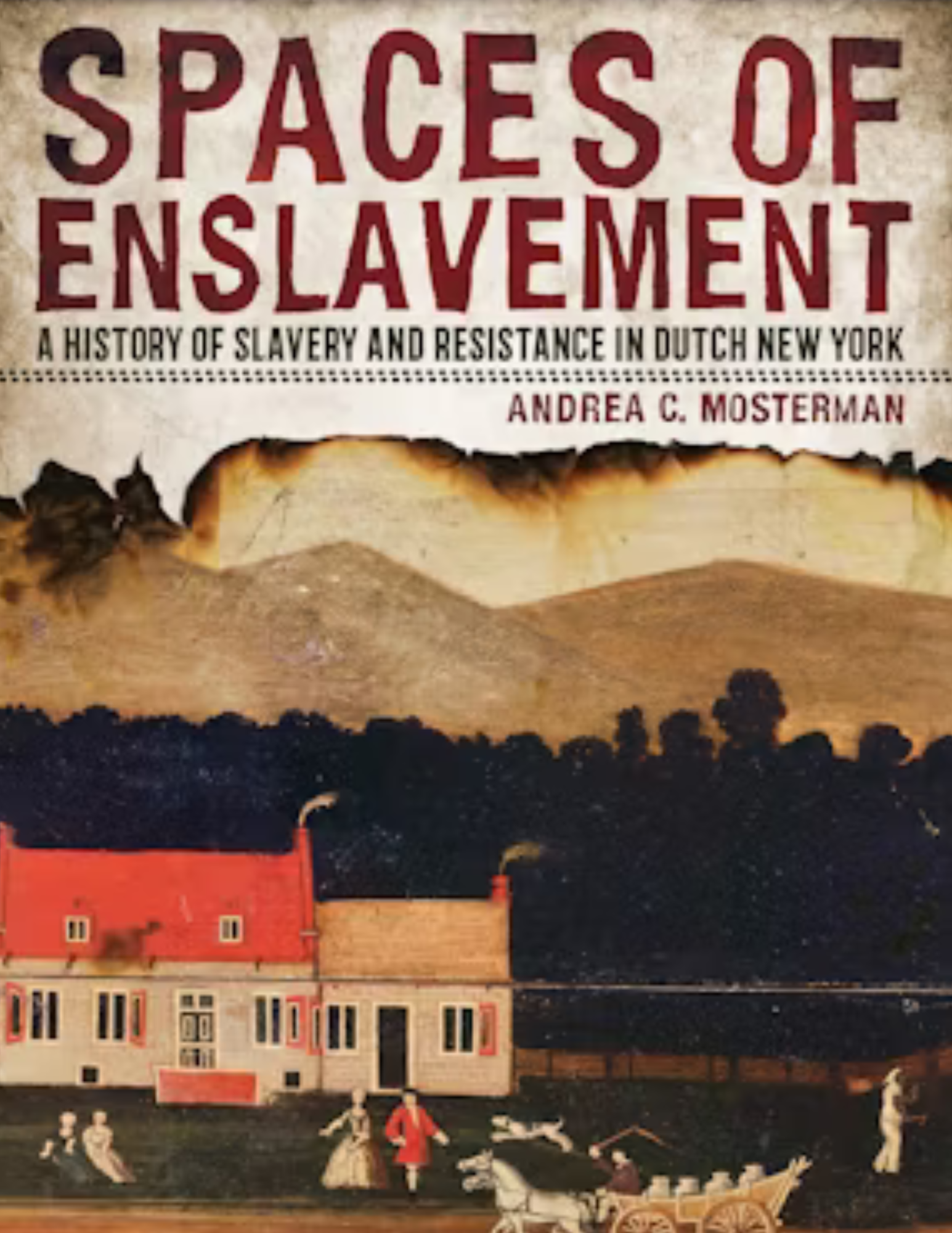
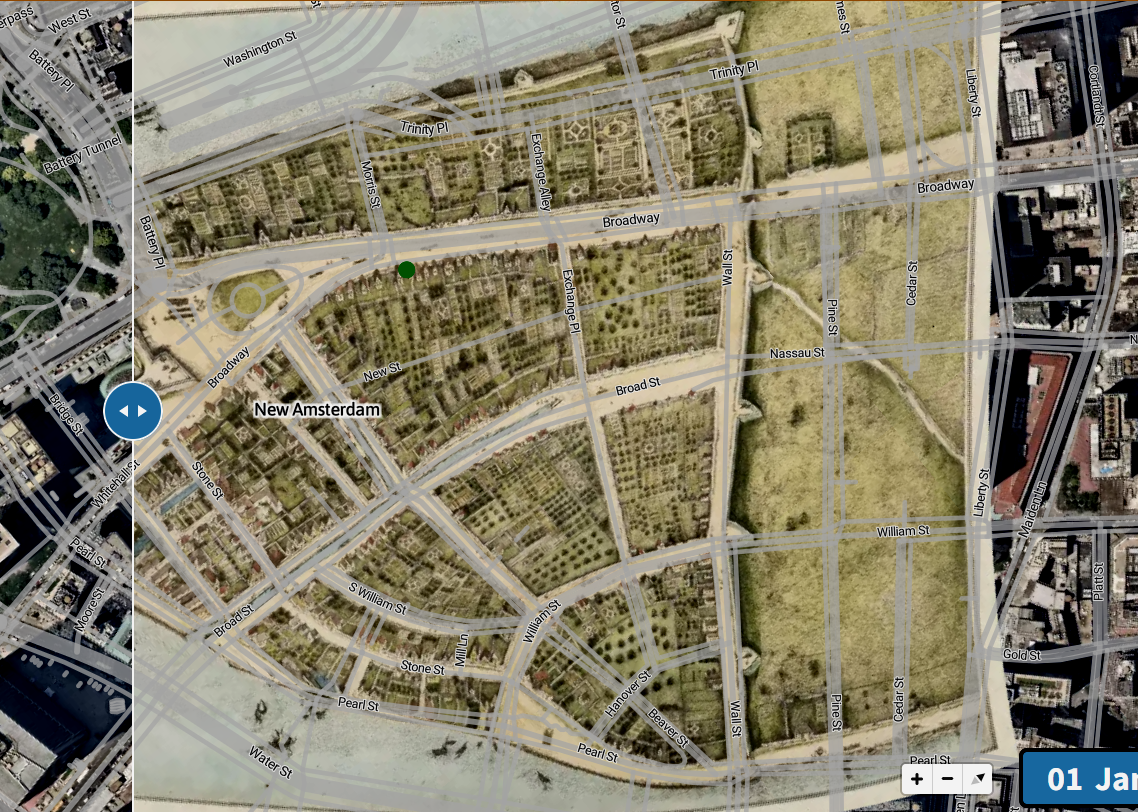
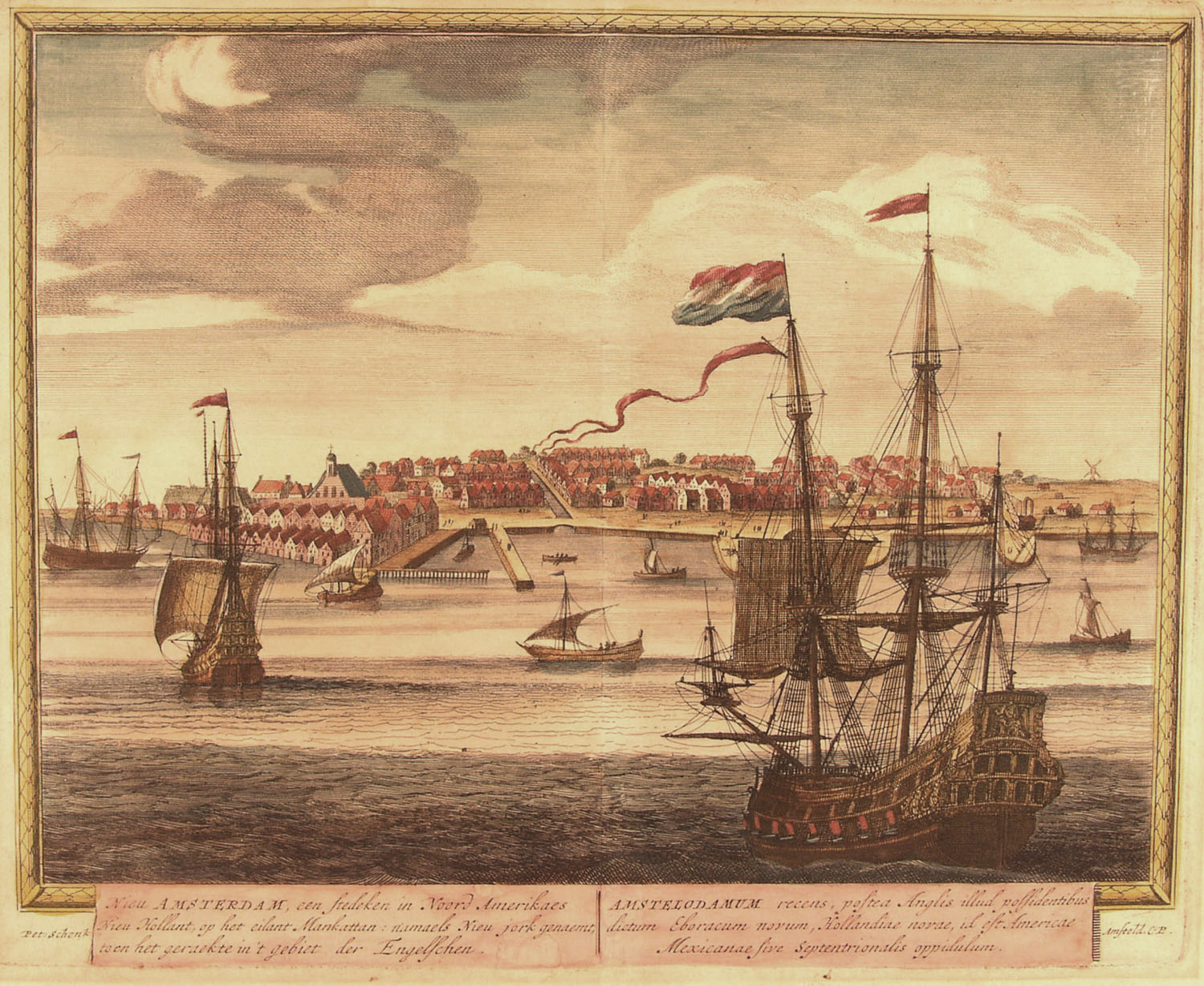
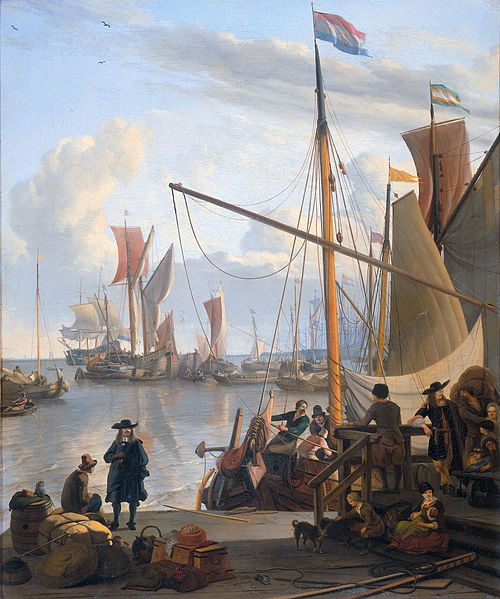

Although Dutch rule in North America ended in 1664, their cultural legacy persisted. Washington Irving observed its strong presence in 1820, and even decades later, travelers remarked on the striking similarities between New York and the Netherlands. Today, Dutch influence remains evident in regional place names, legal traditions, religion, food, and folklore—woven deeply into the fabric of American life.
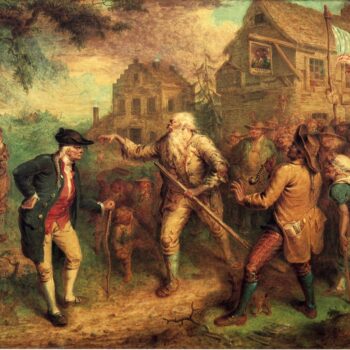
Peter Van Winkle (1808–1872) was a Unionist U.S. Senator from West Virginia during the Civil War and one of the state’s first senators after its 1863 admission, previously serving in Virginia politics and constitutional conventions.
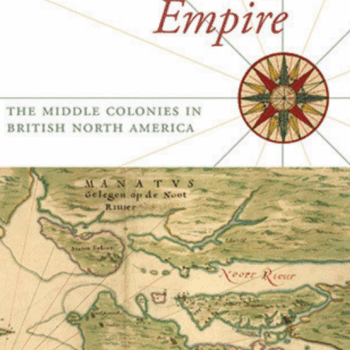
This work examines the Middle Colonies—New York, New Jersey, and Pennsylvania—as a region at the center of imperial contests among competing European powers and Native American nations and at the fulcrum of an emerging British-Atlantic world of culture and trade.
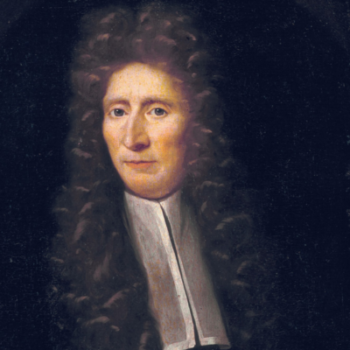
Frederik Ruysch (1638–1731) was a Dutch anatomist and a pioneer in the techniques of preserving organs and tissue. He was born in Den Haag and studied medicine at the University of Leiden, obtaining his medical doctorate in 1664.
A abaft the beam – behind a perpendicular line extending out from the middle of the boat Abeam – At right angles to, or beside, the boat Aboard –...
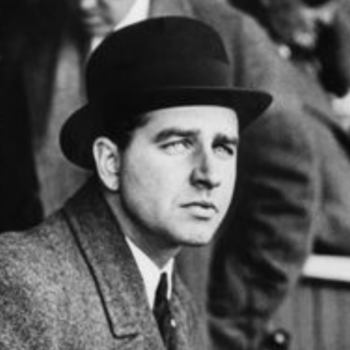
Cornelius Vanderbilt Whitney (1899–1992) was an American businessman, aviation investor, film financier, government official, and philanthropist who helped found Pan American World Airways, built mining enterprises, served in federal posts, and supported major American arts institutions.
In 1585, the Dutch pledged Vlissingen to England for a loan. After regaining it, residents—including English soldiers—launched a 1616 Amazon colony. They prospered briefly through Indigenous alliances and trade, but Portuguese aggression forced the settlers to abandon the venture and return home.
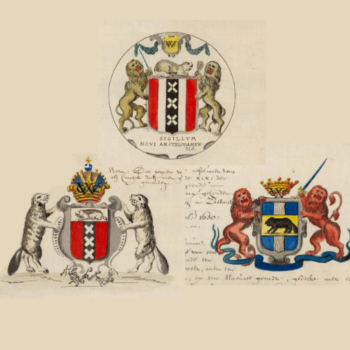
Drawings from 1630 propose coats of arms for New Netherland and New Amsterdam. One was adopted; others rejected for omitting Amsterdam’s heraldic lions.
By 1663, fears of an English invasion gripped New Netherland. Peter Stuyvesant convened rare assemblies to plan defense, but the colony remained divided—villages refused aid, officials prioritized self-protection, and colonists, frustrated by neglect, threatened allegiance to another government for safety.
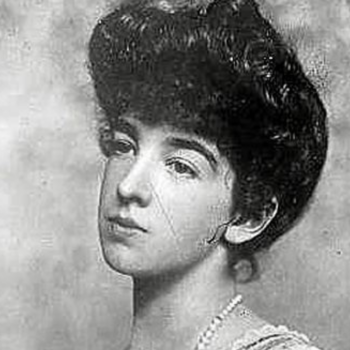
Gertrude Vanderbilt Whitney (1875–1942) was an American sculptor, patron of the arts, and founder of the Whitney Museum of American Art, whose philanthropy and support of emerging artists shaped twentieth-century American art.