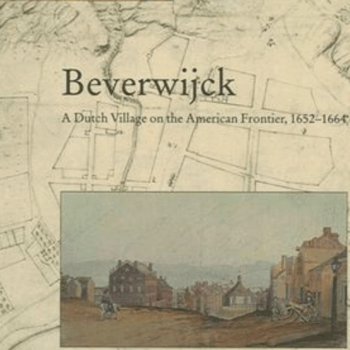
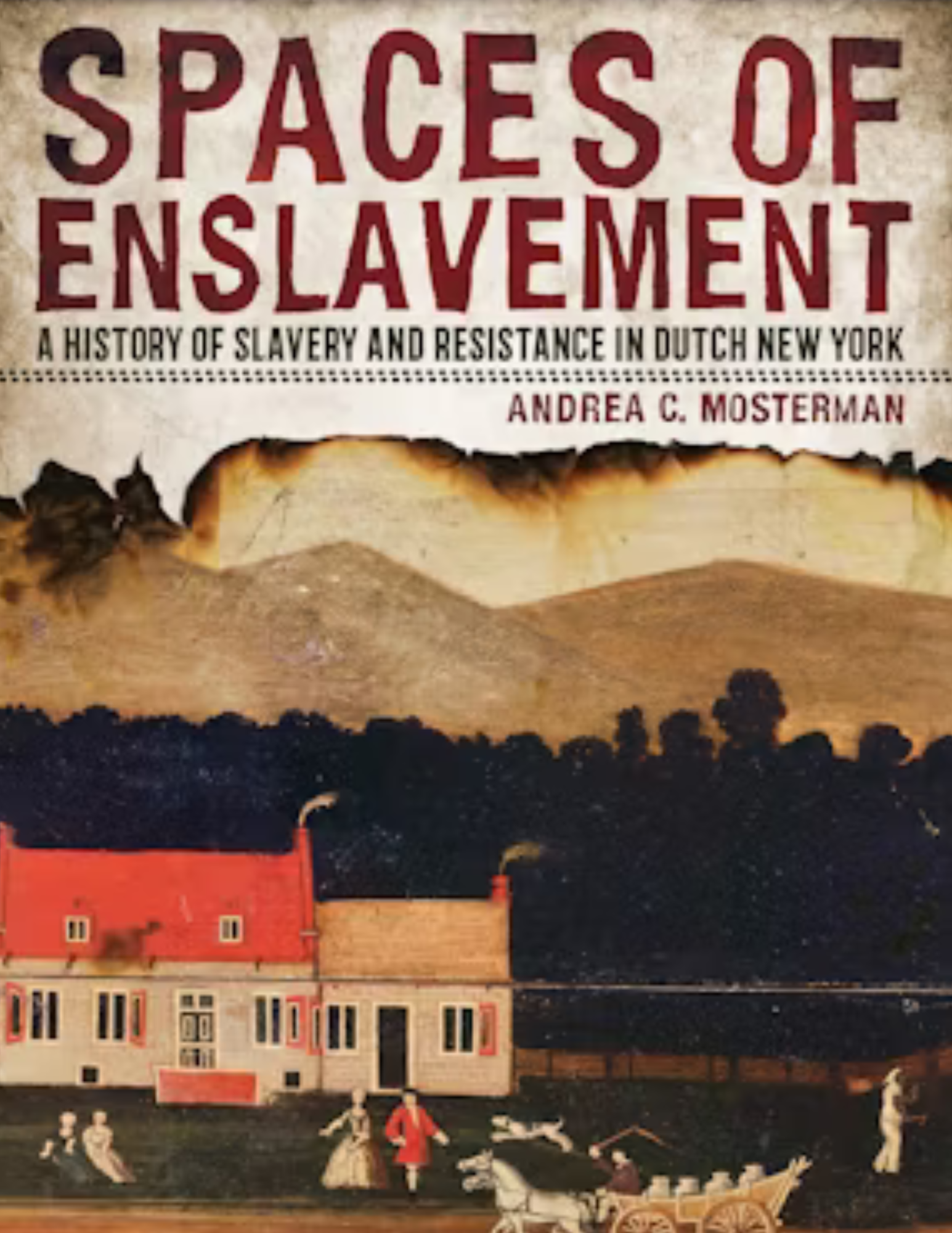
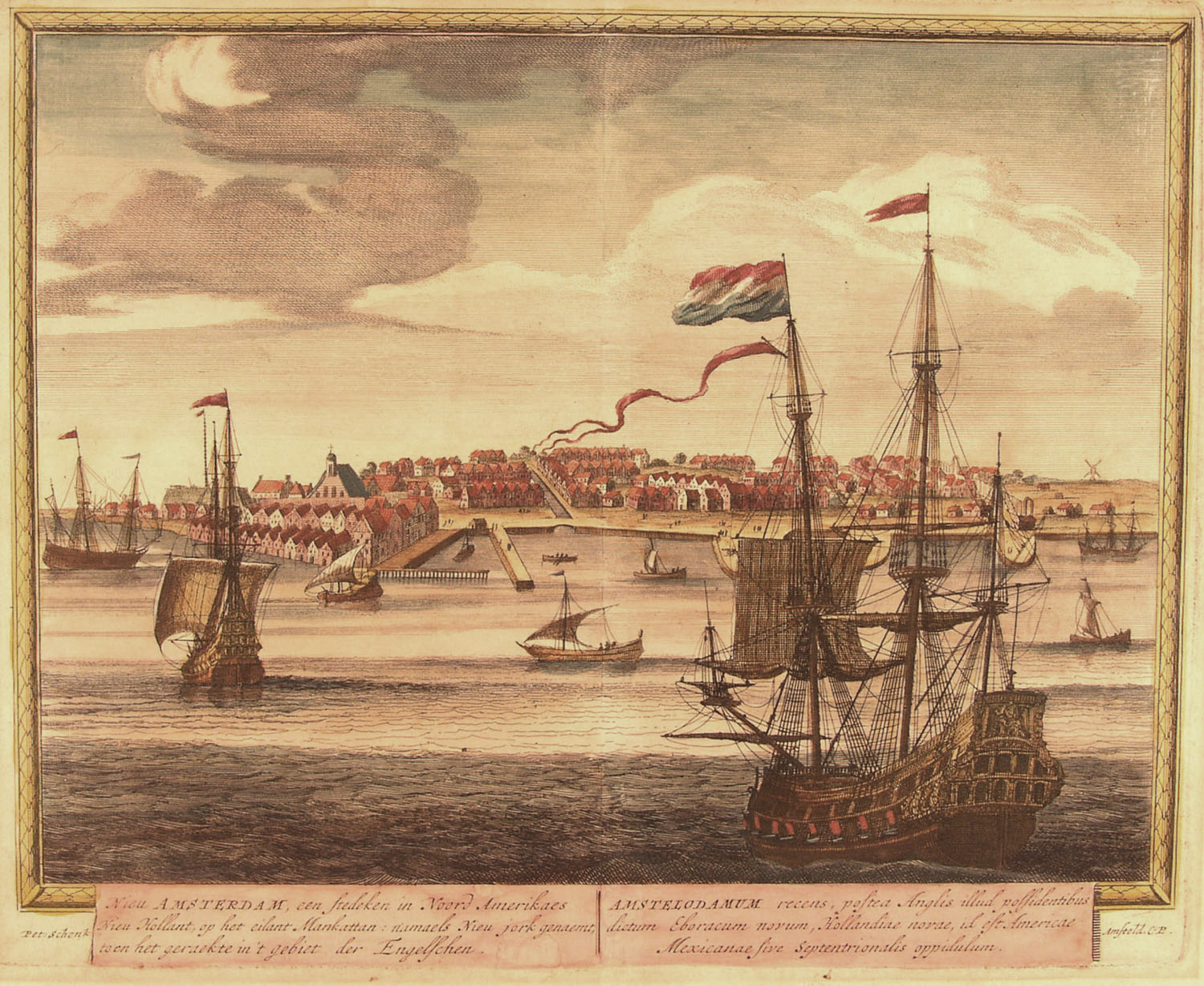

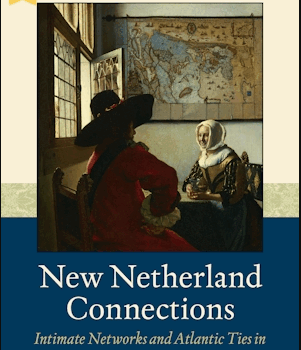
Employing a frontier framework, this book traces intercultural relations in the lower Hudson River valley of early seventeenth-century New Netherland. I

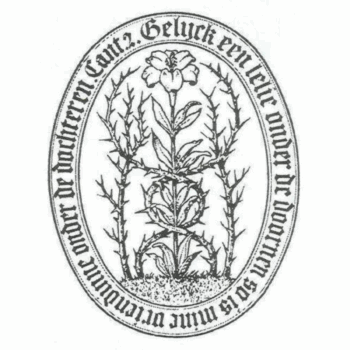
The Lily among Thorns is one of the early symbols of the Dutch Reformed Church. It originated in the mid-16th century as the rebellion of the Low Countries against Spain.
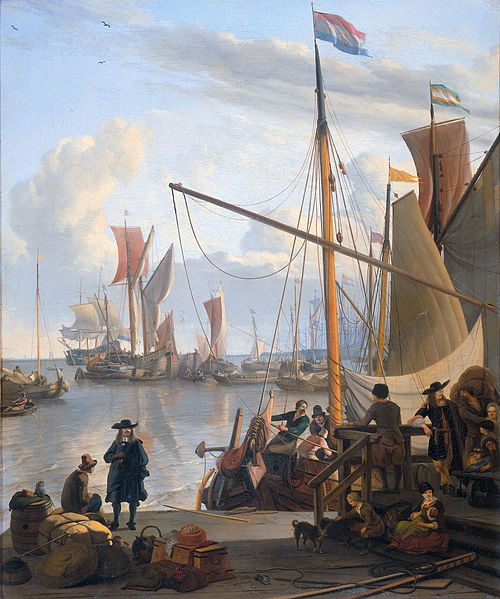
The rapid economic growth of cities in the Netherlands during the late Middle Ages attracted an enormous number of immigrants. As a result, ethnically diverse commercial interests dominated these cities and their overseas enterprises.
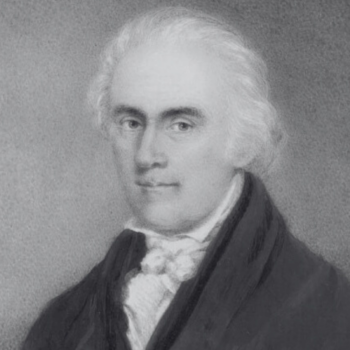
James DeWolf (1764–1837) was a Rhode Island merchant, slave trader, and politician who served as a U.S. senator and state legislator. He amassed great wealth through maritime trade and slavery while also investing in early American cotton manufacturing.k.
Susanah Shaw Romney locates the foundations of the early modern Dutch empire in interpersonal transactions among women and men.
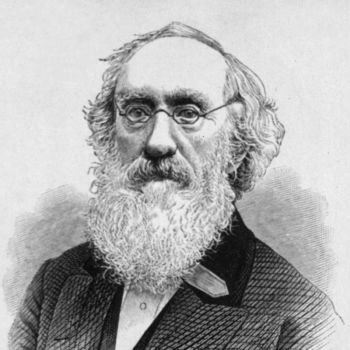
E B. O'Callaghan was keeper of historical manuscripts for the State of New York in 1848. In that role he completed the original translation of the Register of the Provincial Secretary, 1638-1642.
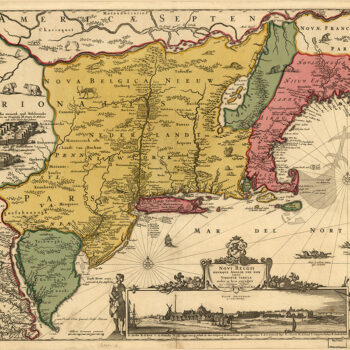
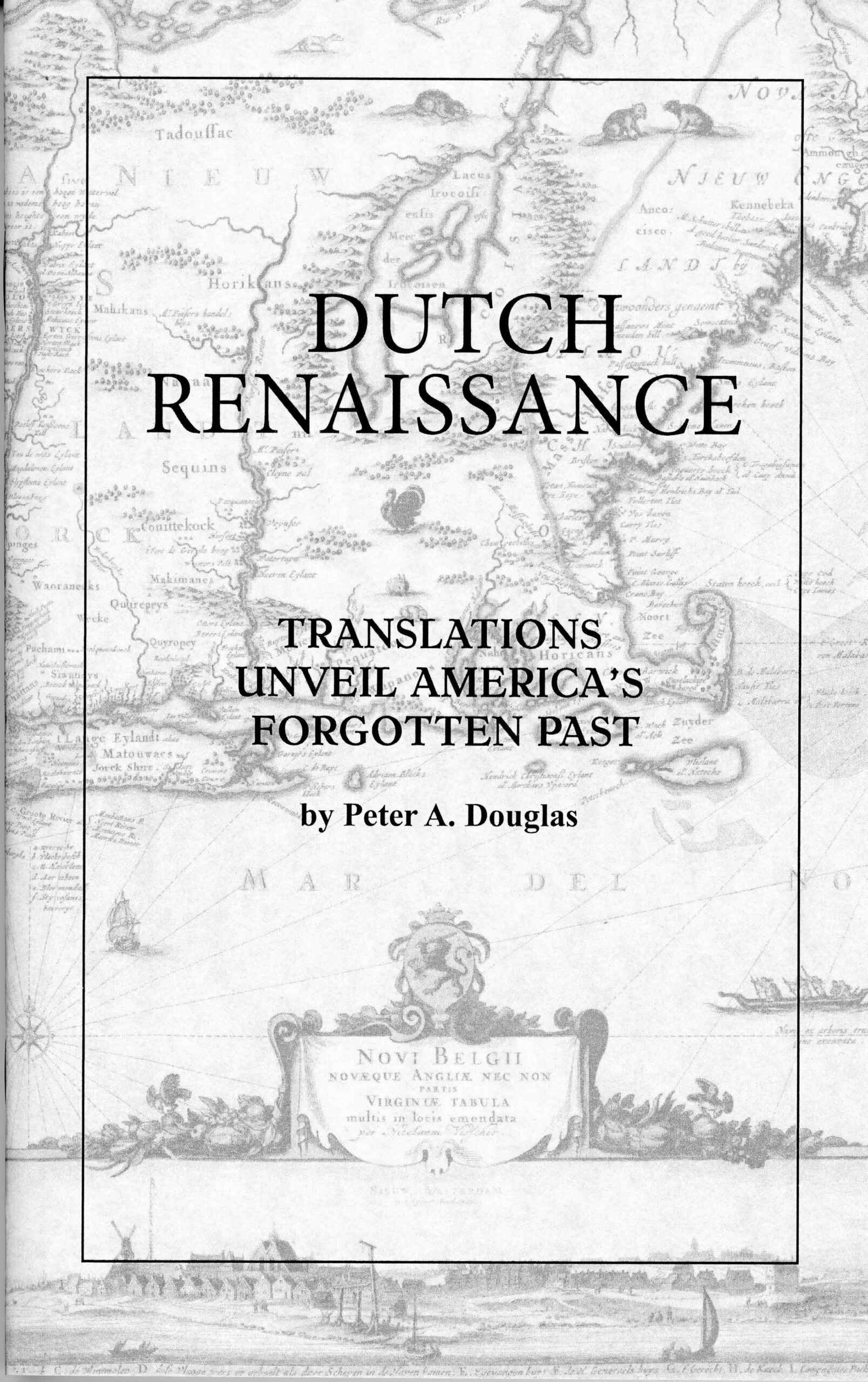
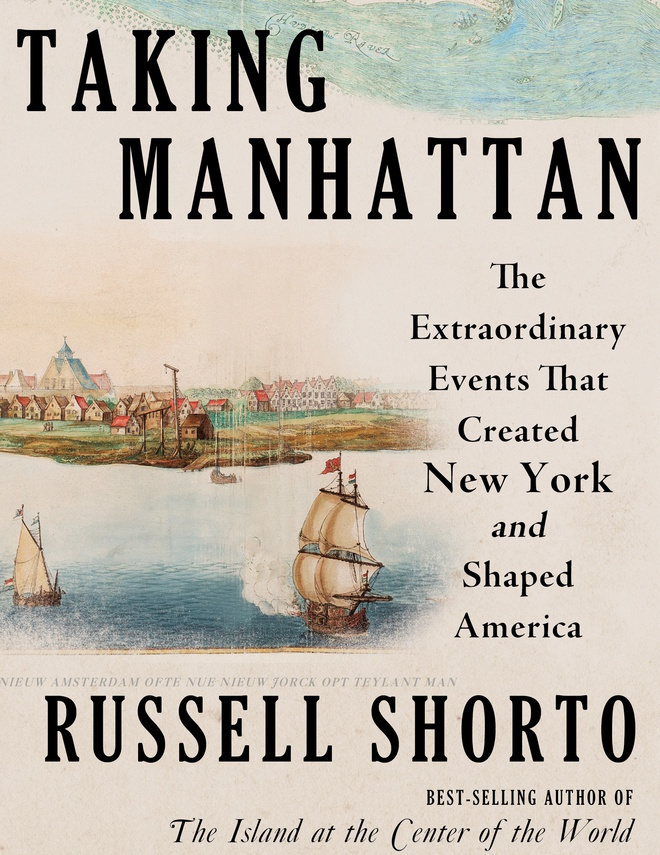
By the time Petrus Stuyvesant surrendered Fort Amsterdam in 1664, Dutch cultural traditions had already taken root—shaping life along the Hudson and Mohawk Rivers, western Long Island, and parts of New Jersey. These early Netherlandic influences helped lay the foundation for the region’s lasting identity and evolving American story.
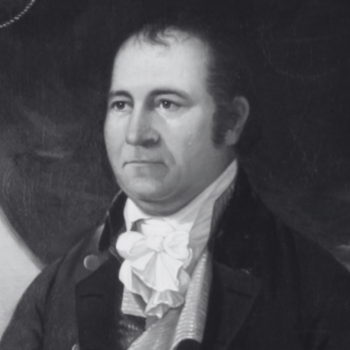
Simeon De Witt (1756–1834) was New York State’s long-serving Surveyor General, a Revolutionary War army geographer, planner of New York City’s grid street system, Erie Canal commissioner, and an early founder and land developer of Ithaca, New York.
This work examines the Middle Colonies—New York, New Jersey, and Pennsylvania—as a region at the center of imperial contests among competing European powers and Native American nations and at the fulcrum of an emerging British-Atlantic world of culture and trade.