

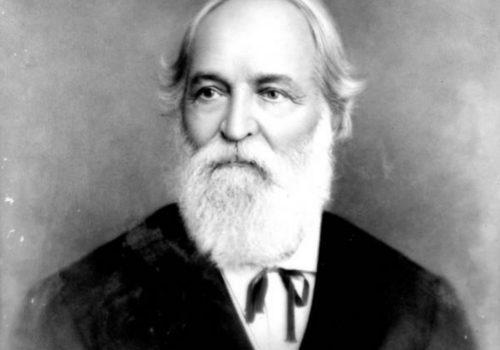
Robert Bruce Van Valkenburgh was an American lawyer, Civil War officer, and politician who served in the U.S. House of Representatives and later as U.S. Minister to Japan before becoming a justice of the Florida Supreme Court.
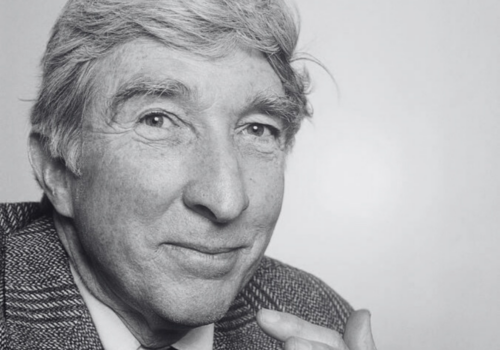
John Updike was a prolific American novelist, poet, and critic best known for the Rabbit series. A two-time Pulitzer Prize winner, he published more than sixty books and was widely regarded as one of America’s leading writers.
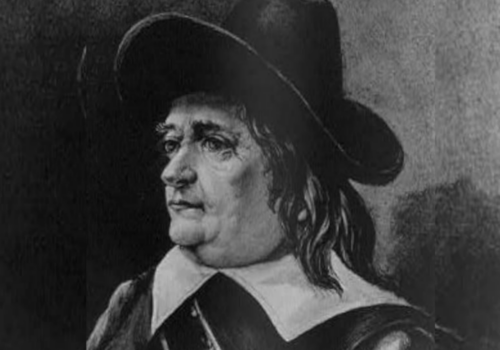
Wouter van Twiller served as Director of New Netherland from 1633 to 1638. His administration expanded trade but was criticized for weak leadership, particularly after the Dutch lost control of territory in Connecticut.
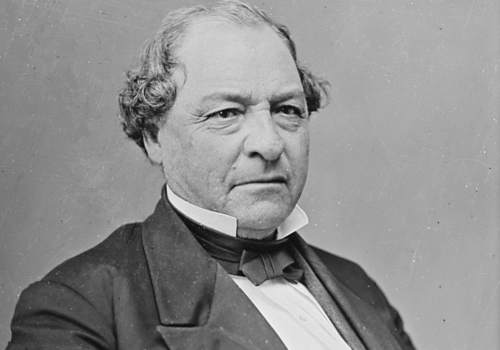
Philadelph Van Trump was an American lawyer, judge, and politician from Ohio who served three terms in the U.S. House of Representatives from 1867 to 1873 after a career in law and journalism.
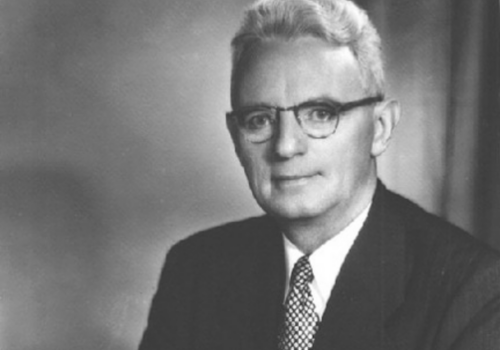
Cornelius van Til was a Dutch-born American theologian and philosopher best known for developing presuppositional apologetics. A longtime professor at Westminster Theological Seminary, he became a major influence in Reformed theology.

Charlize Theron is a South African–born actress and producer who became one of Hollywood’s leading performers. She won the Academy Award for Best Actress for Monster (2003) and later became an American citizen.
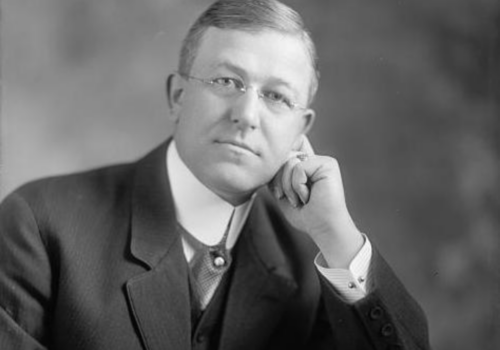
Peter Gansevoort Ten Eyck was an American engineer and politician from New York who served two terms in the U.S. House of Representatives. Before entering politics, he worked in railway signal engineering.
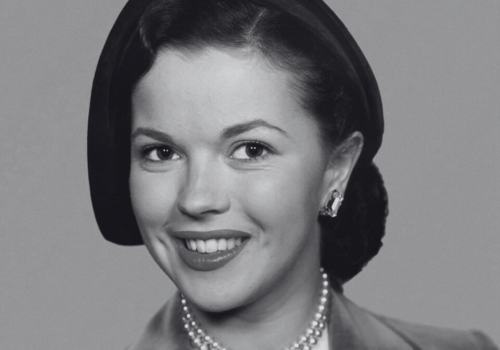
Shirley Temple was an American child film star who became one of Hollywood’s most famous performers of the 1930s. Later she served as a U.S. diplomat, including ambassador to Ghana and Czechoslovakia.

Lou Tellegen was a Dutch-born stage and film actor who worked in Europe and the United States during the early twentieth century. A former leading man for Sarah Bernhardt, he appeared in numerous silent films.
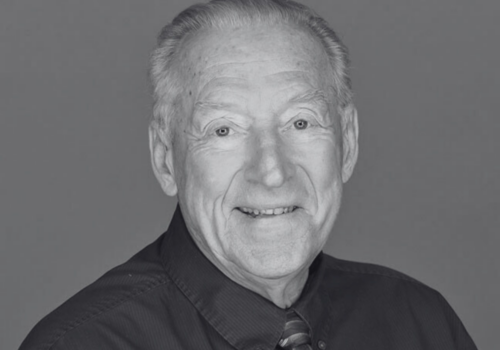
Robert P. Swierenga is an American historian known for his extensive research on Dutch-American immigration and culture. A longtime professor at Kent State University, he authored numerous books documenting the Dutch experience in the Midwest.
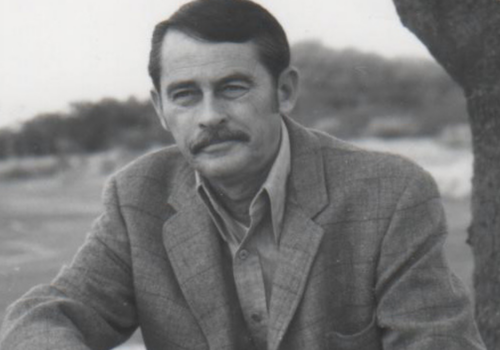
Glendon Swarthout was an American novelist whose books inspired several films, including The Shootist and Where the Boys Are. A Michigan State professor turned full-time writer, he became known for western and historical fiction.
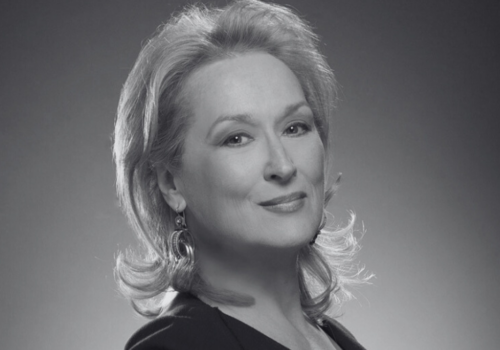
Meryl Streep is an acclaimed American actress widely regarded as one of the greatest of her generation. She has received numerous Academy Award nominations and won Oscars for Kramer vs. Kramer, Sophie’s Choice, and The Iron Lady.