
Creating a timeline of your ancestor’s records helps clarify life events, resolve conflicting evidence, and reveal patterns. Simple chronological summaries offer a clear, big-picture view when paired with proper sourcing.

John Moolenaar (b. 1961) is a Republican U.S. Representative from Michigan’s 4th Congressional District, first elected in 2014. A former Michigan state legislator, he serves on the Agriculture, Budget, and Science, Space and Technology committees and advocates for Great Lakes protection and small business growth.
Scattered throughout the administrative records of New Netherland are documents relating to the wills and estates of New Netherland’s residents. These kinds of records often provide evidence of family groups; they might give clues about the marriages of daughters, include names of grandchildren, or provide details that help researchers understand the life an ancestor.
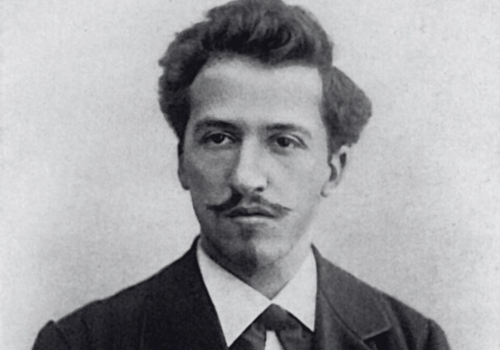
Piet Mondrian (1872–1944) was a Dutch modernist painter and co-founder of De Stijl. After fleeing war-torn Europe, he spent his final years in New York, where he created some of his most celebrated abstract works.
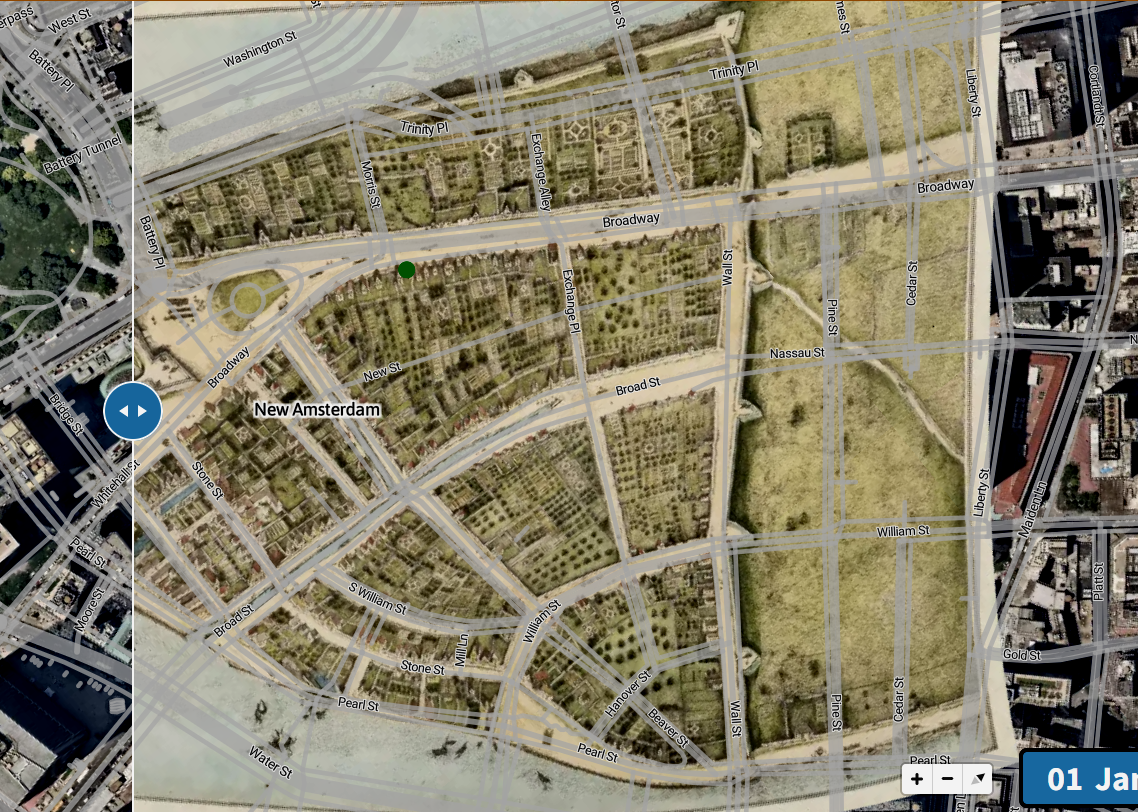
Often overlooked by researchers, land and property records offer valuable insights into ancestors’ lives. Translated volumes reveal abundant leases, sales, home transfers, and goods transactions like livestock and equipment.
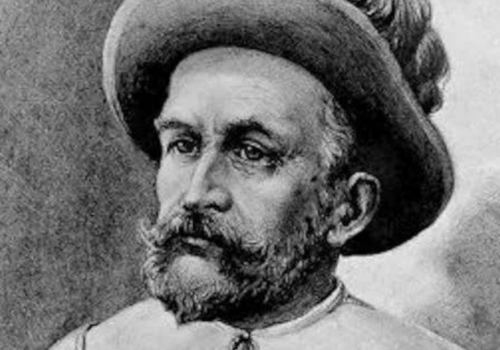
Peter Minuit (c.1580–1638), a Walloon-born merchant and diamond cutter, served as Director-General of New Netherland from 1626 to 1631. He is best known for purchasing Manhattan from the Lenape for 60 guilders. Later, he helped establish the Swedish colony of New Sweden.
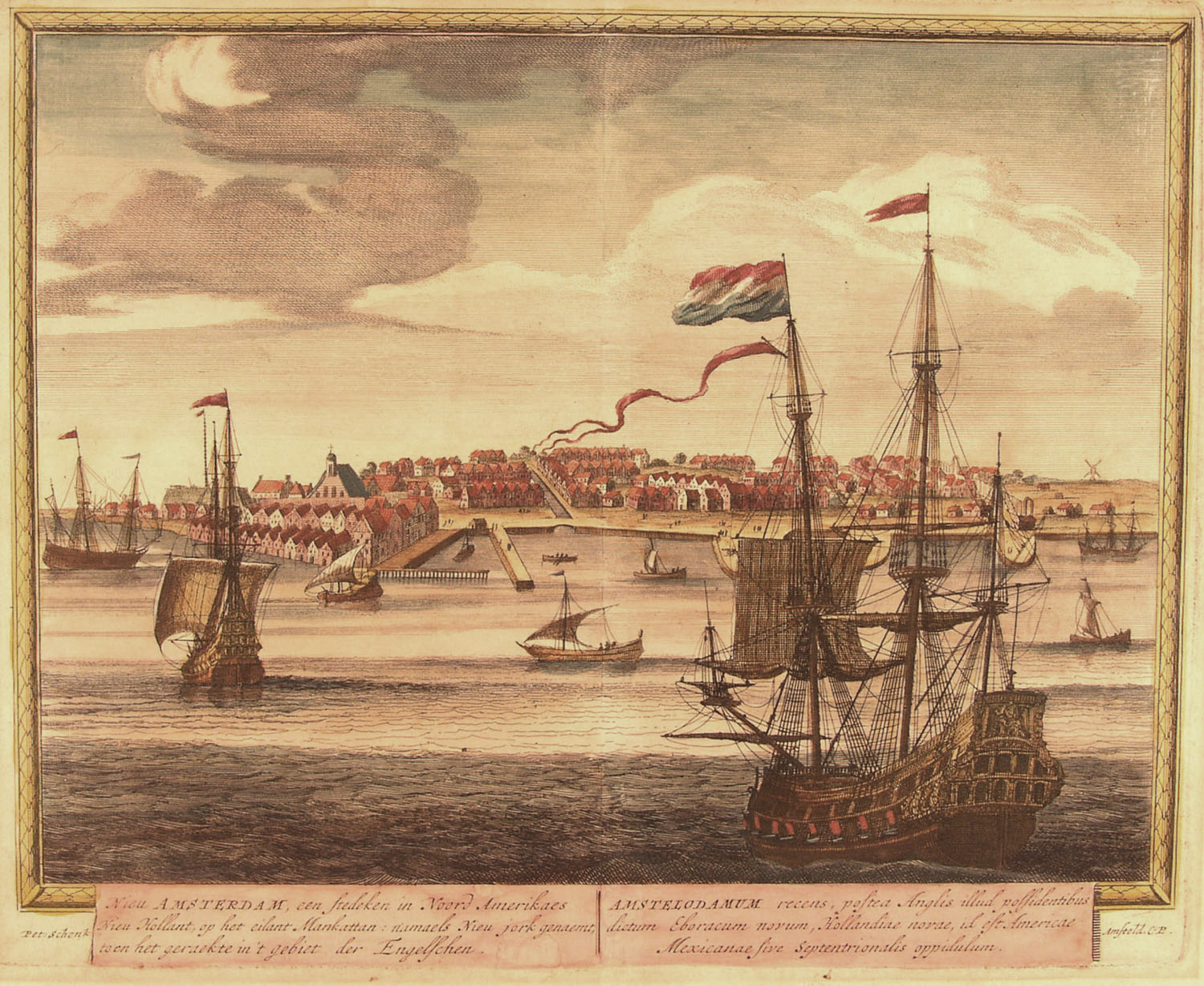
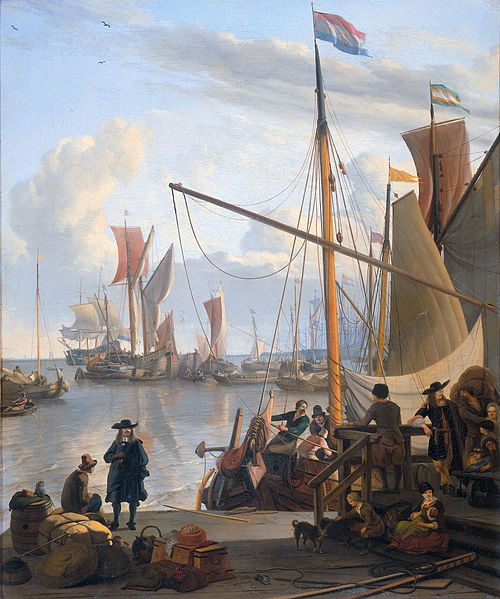
It should not be forgotten that New Netherland was at heart a commercial enterprise and, though a Dutch colony, had residents from many other places. The records reflect this focus on commerce, with frequent mentions of goods moving into and out of the colony.
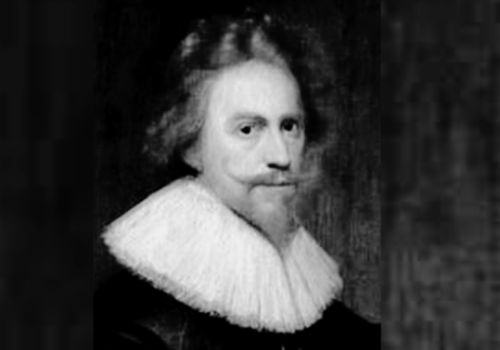
Cornelius Jacobsen Mey (fl. early 1600s) was the first director of New Netherland in 1624, appointed by the Dutch West India Company. A seasoned explorer and trader, he led early Hudson and Delaware expeditions. Cape May, New Jersey, was named in his honor.
Occupational details can distinguish individuals with similar names and offer deeper insight into their lives. Translated records occasionally reference trades, even when the person’s work isn’t the primary focus.
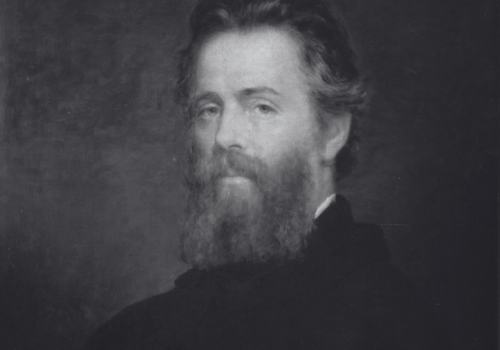
Herman Melville (1819–1891) was an American novelist and sailor best known for Moby-Dick (1851). Drawing on his seafaring experiences, he wrote influential maritime fiction that later secured his reputation as a major figure in American literature.