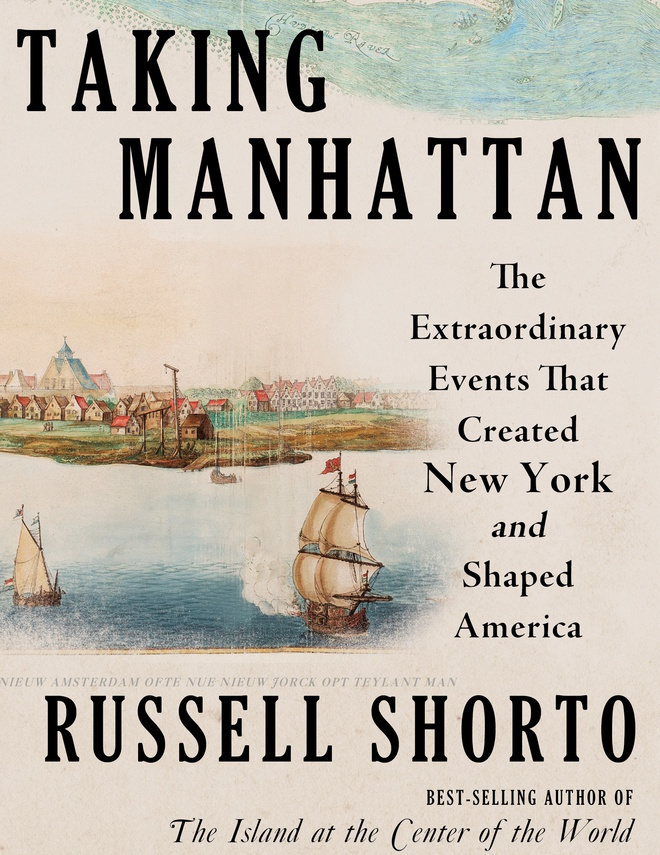
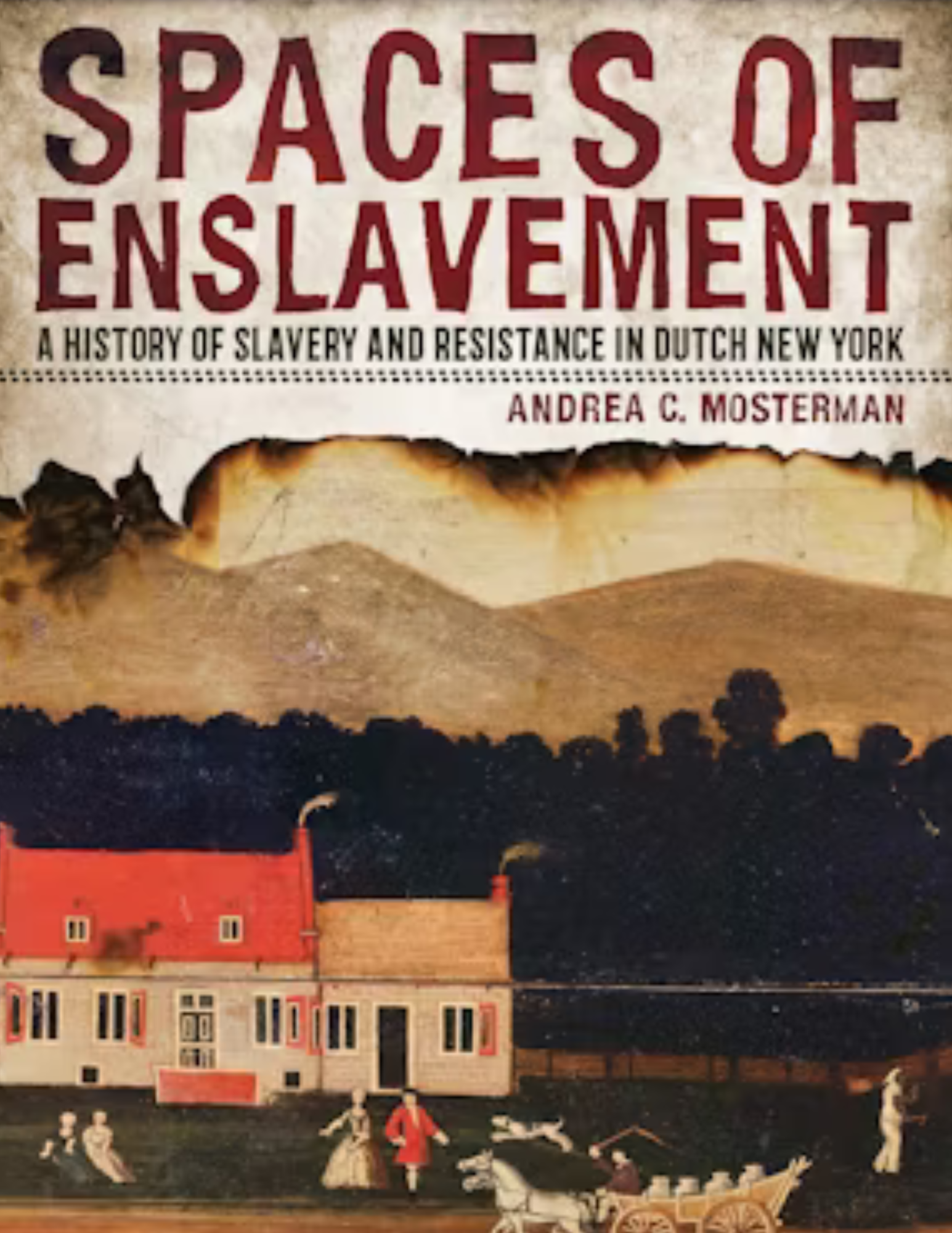
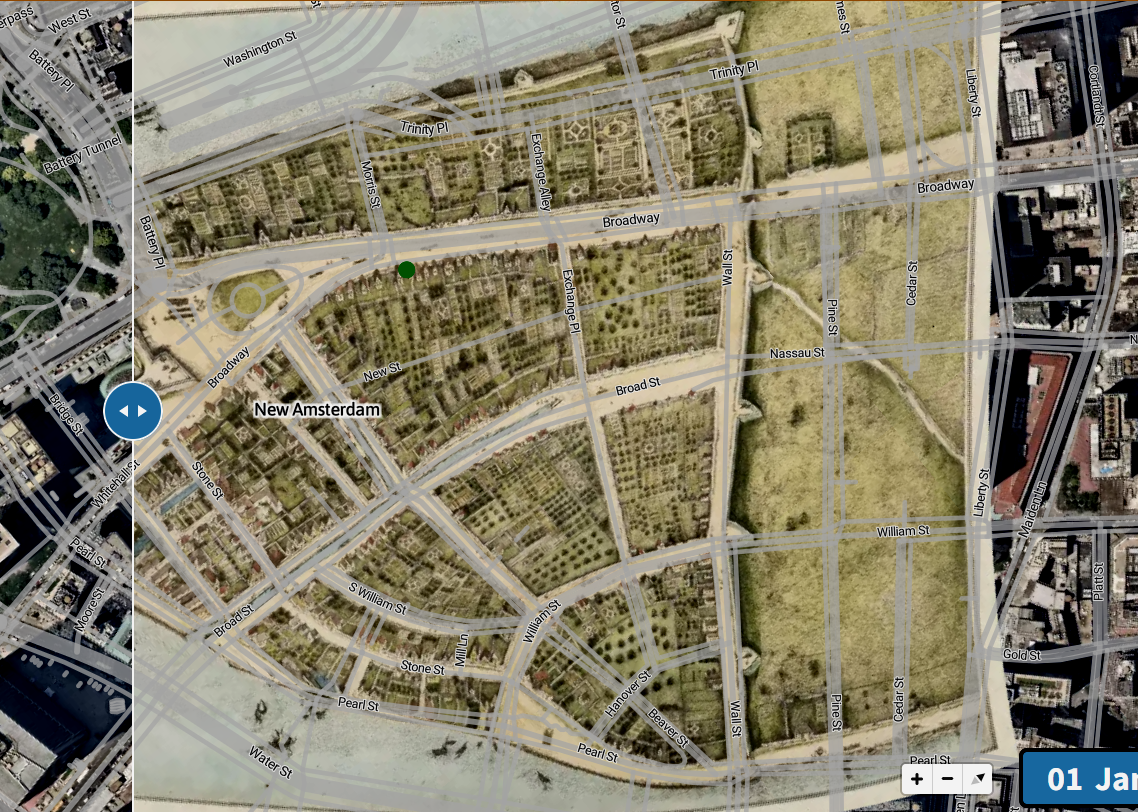
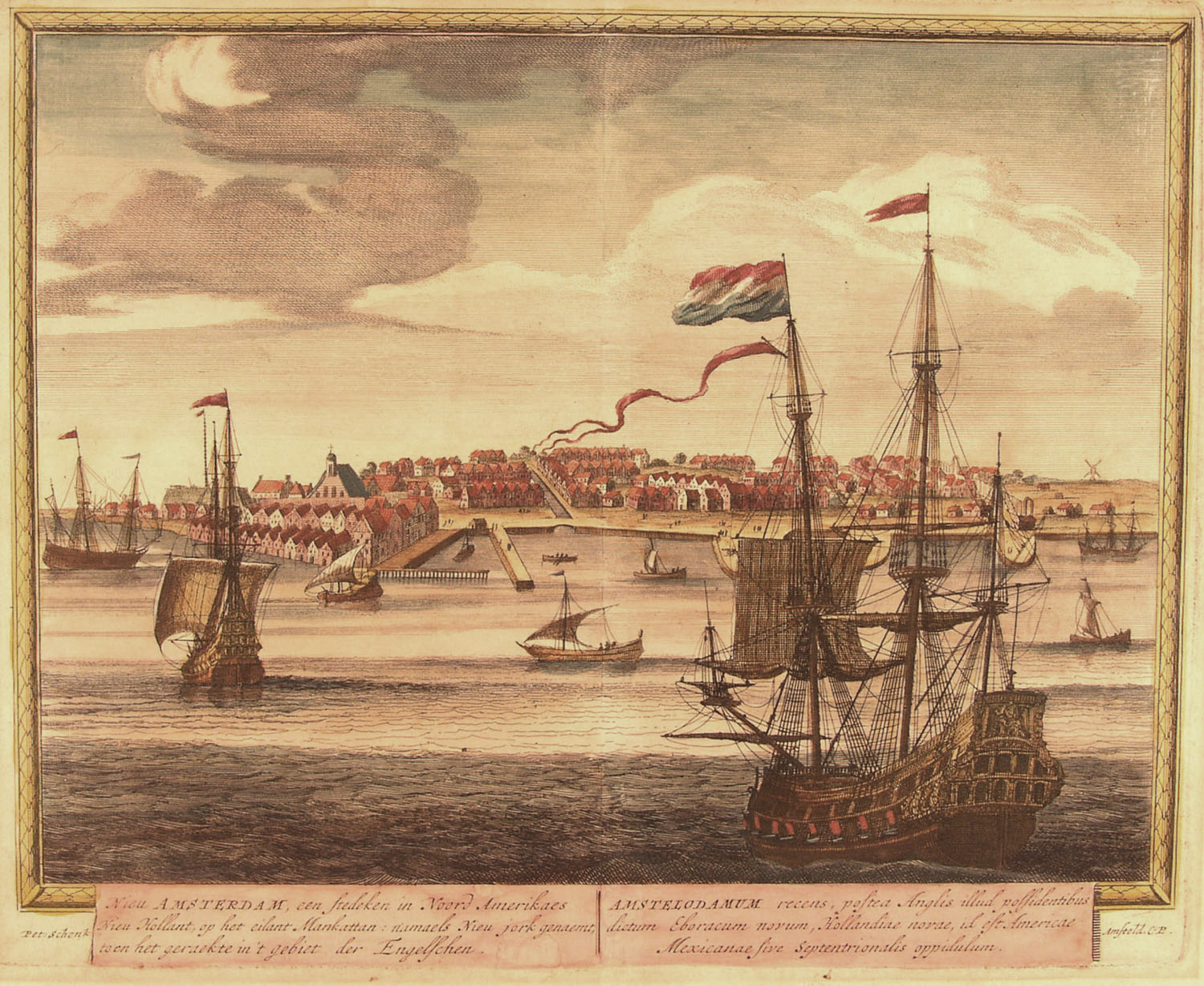
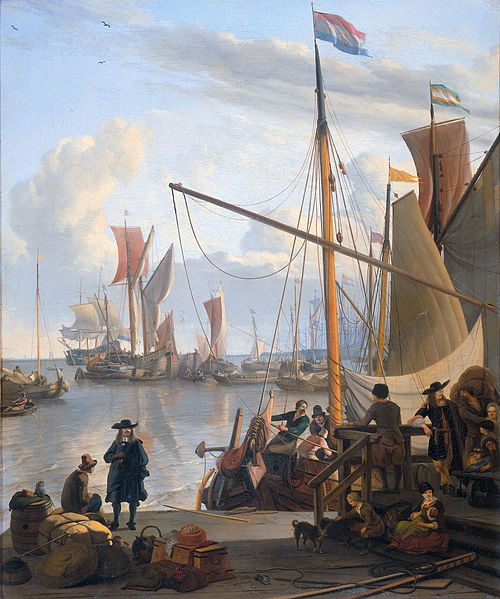
Translations & Transitions Govert Loockermans, a Manhattan Merchant’s Correspondence & Papers More → |
Voyages Maritime routes that shaped the Dutch North Atlantic world More → |
Zotero Bibliography Research Source: 17th century scholarly, non-fiction publications More → |
Genealogical Research What’s in a Name? Discover your ancestors’ origins More → |
Translations & Transitions Govert Loockermans, a Manhattan Merchant’s Correspondence & Papers More → |
Voyages Maritime routes that shaped the Dutch North Atlantic world More → |
Zotero Bibliography Research Source: 17th century scholarly, non-fiction publications More → |
Genealogical Research What’s in a Name? Discover your ancestors’ origins More → |
A series by NNRC Director Charles Gehring funded by the Consulate General of the Netherlands in New York that lays before the public instructive but entertaining pieces relating to our Dutch heritage. This series also contains an essay on the New Netherland Project, which was directed by Dr. Gehring.
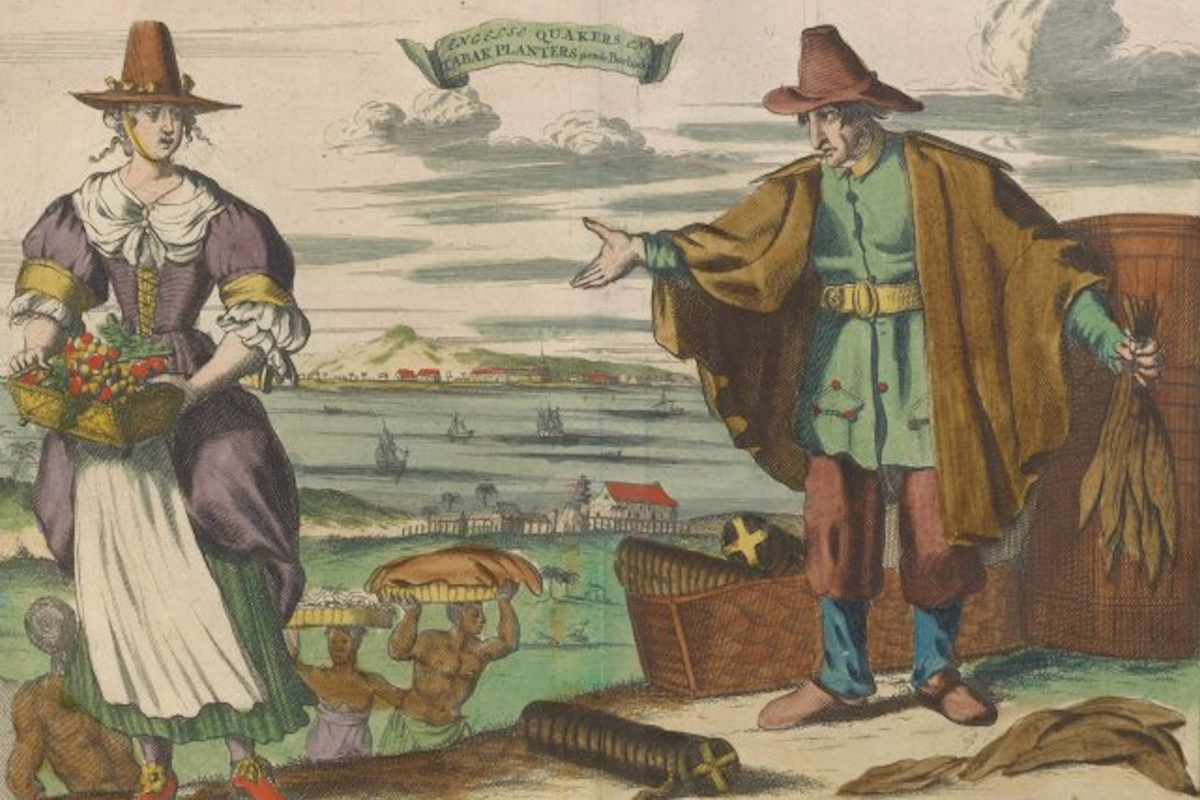
Privatizing Colonization: The Patroonship of RensselaerswijckThe patroonship plan of colonization was attempted in various regions. Only Rensselaerswijck proved a success. In the early years of the seventeenth century, the board of directors of a Dutch company faced a serious problem. The company’s primary business was overseas trade. It held a charter from the government that allowed it to form treaties with foreign princes and to purchase land from rightful owners in order to exploit natural resources.

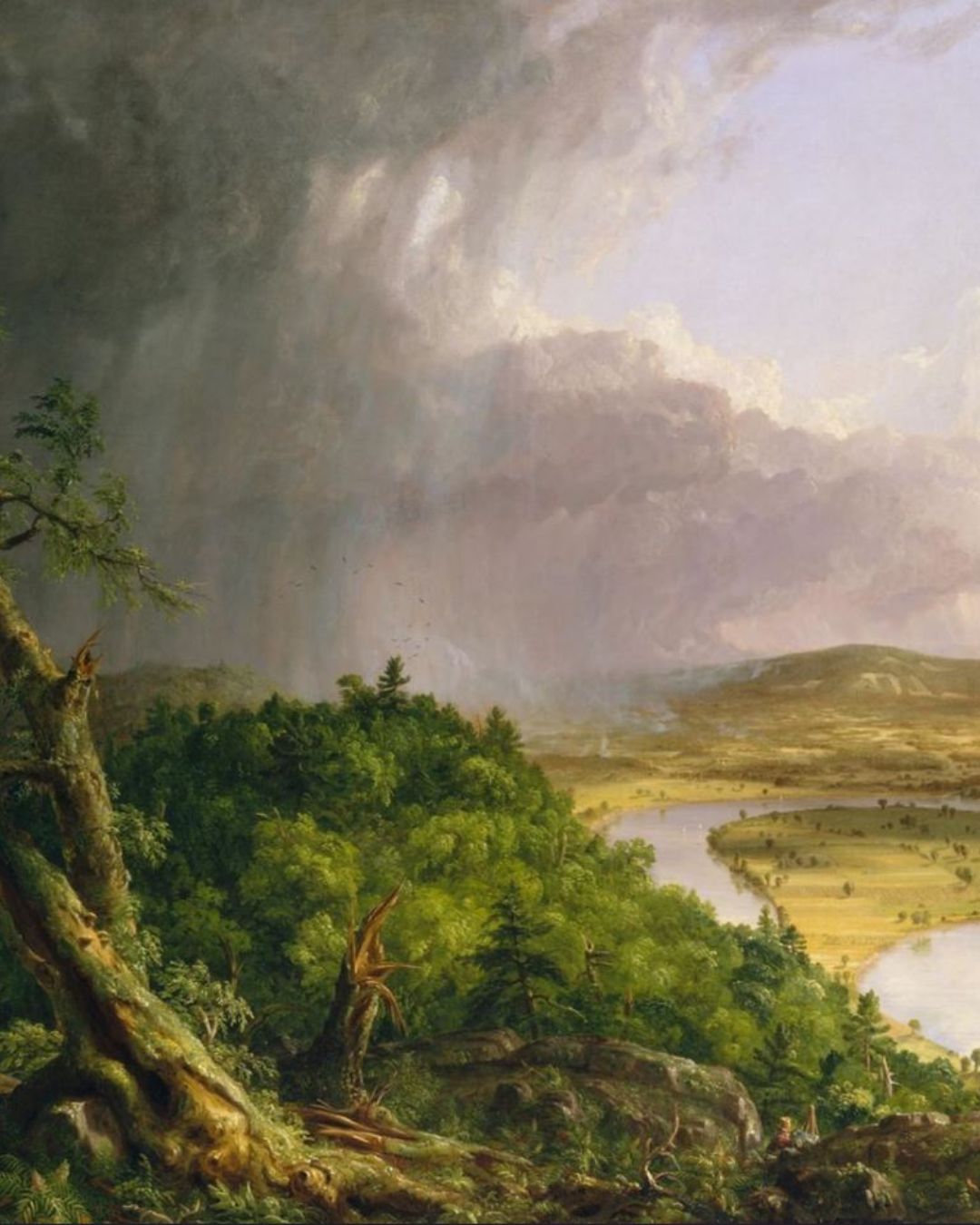
The Dutch among the People of the Long RiverThe name Long River comes from the local Algonquians. The Dutch called it the Fresh River. Today it’s known as the Connecticut. De Witte Leeuw (“The White Lion”) was a heavily armed trading ship of 320 tons, sailing out of Amsterdam. While searching for a profitable cargo in the fishing grounds off Newfoundland, it captured two vessels in St. Mary’s Bay.
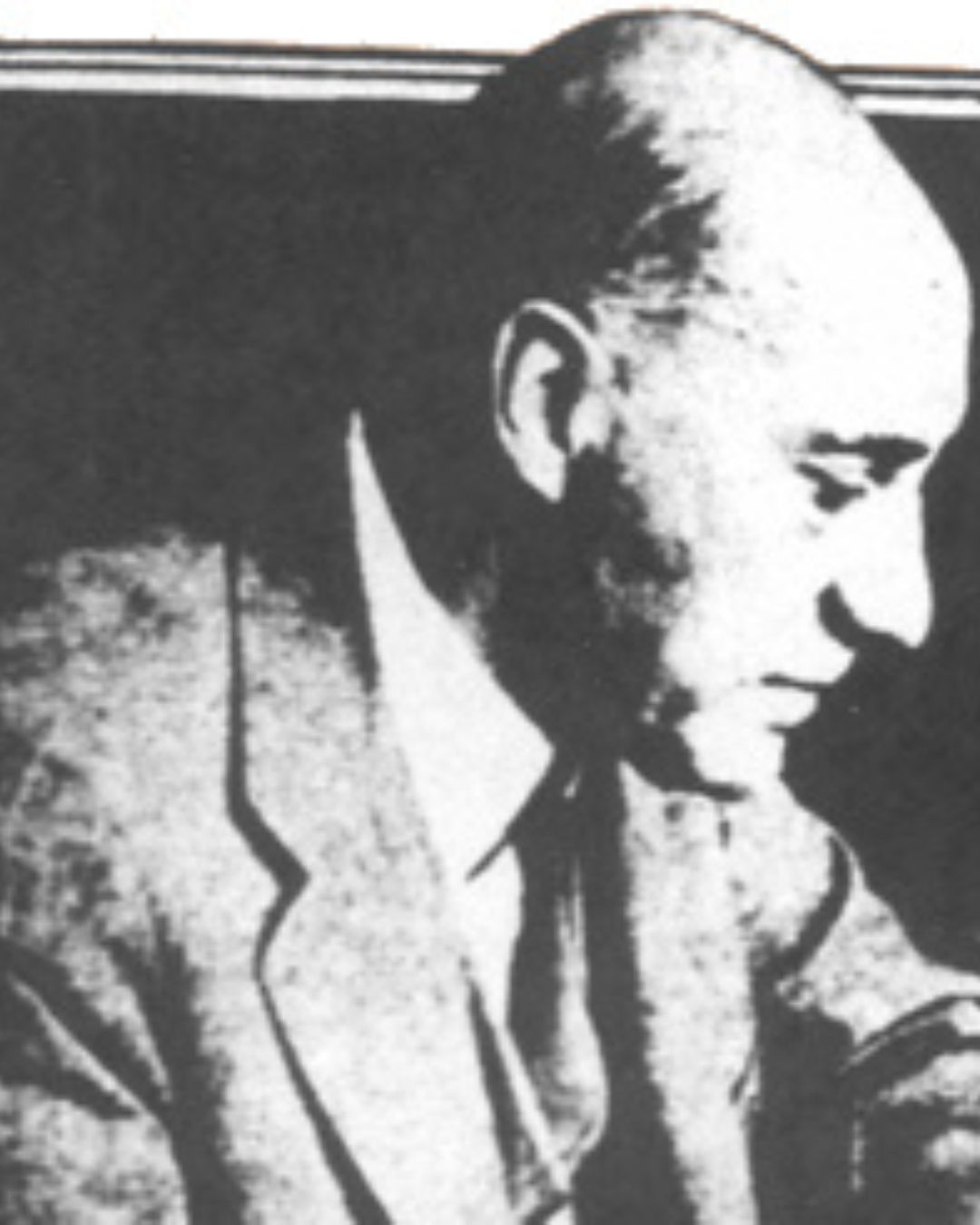
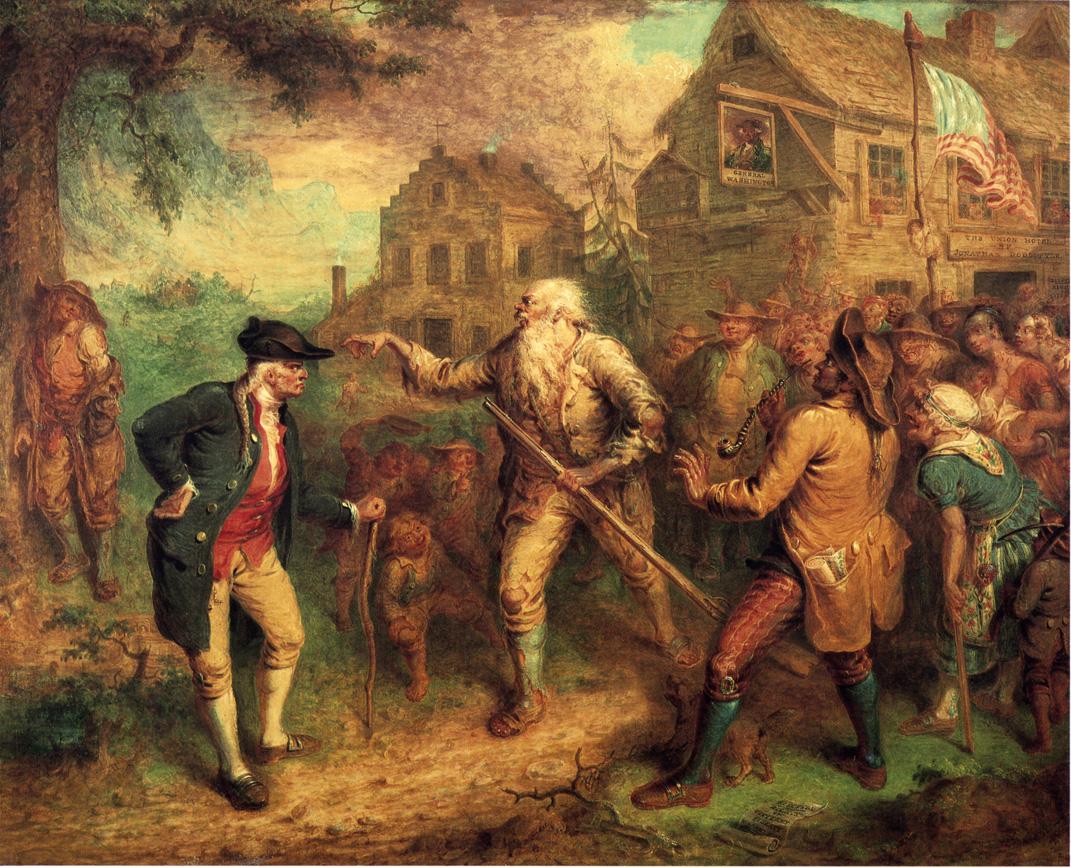
A collection of essays by the Keeper of Manuscripts at the New York State Library early in the 20th Century, edited by Dr. Gehring. A. J. F. van Laer is now best known for his translations of the Colonial Manuscripts; work done before the disastrous State Library fire of 1911. The first four volumes of the New York Historical Manuscript series, now called New Netherland Documents still stand as a model translation of seventeenth-century Dutch.

WHAT WAS NEW NETHERLAND?
We use cookies to enhance your experience on our site. By continuing, you agree to our use of cookies. See our privacy policy page for the details.
Welcome! You can explore everything you're looking for in the NNI library. Simply type a keyword into the search bar and press Enter to begin your search.
Sign in to access exclusive features and keep track of your favorite content on NNI!
New membership are not allowed.
For over three decades, NNI has helped cast light on America's Dutch roots. In 2010, it partnered with the New York State Office of Cultural Education to establish the New Netherland Research Center, with matching funds from the State of the Netherlands. NNI is registered as a 501(c)(3) non-profit organization. Contributions are tax-deductible to the extent permitted by law.