
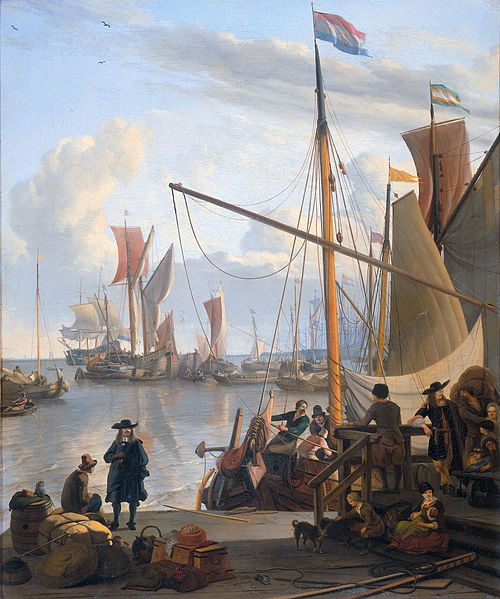

Conversing with each other, among other things of the sale of houses
Buying and Selling Real Property in New Amsterdam
Adriana E. van Zwieten, Ph.D.
 As I did in New York City last October, I want to thank the Hendricks Manuscript Award Committee for selecting my dissertation for the 2001 award. Also, I would again like to express my appreciation to Dr. Andrew Hendricks for establishing the prize to advance the history of New Netherland.
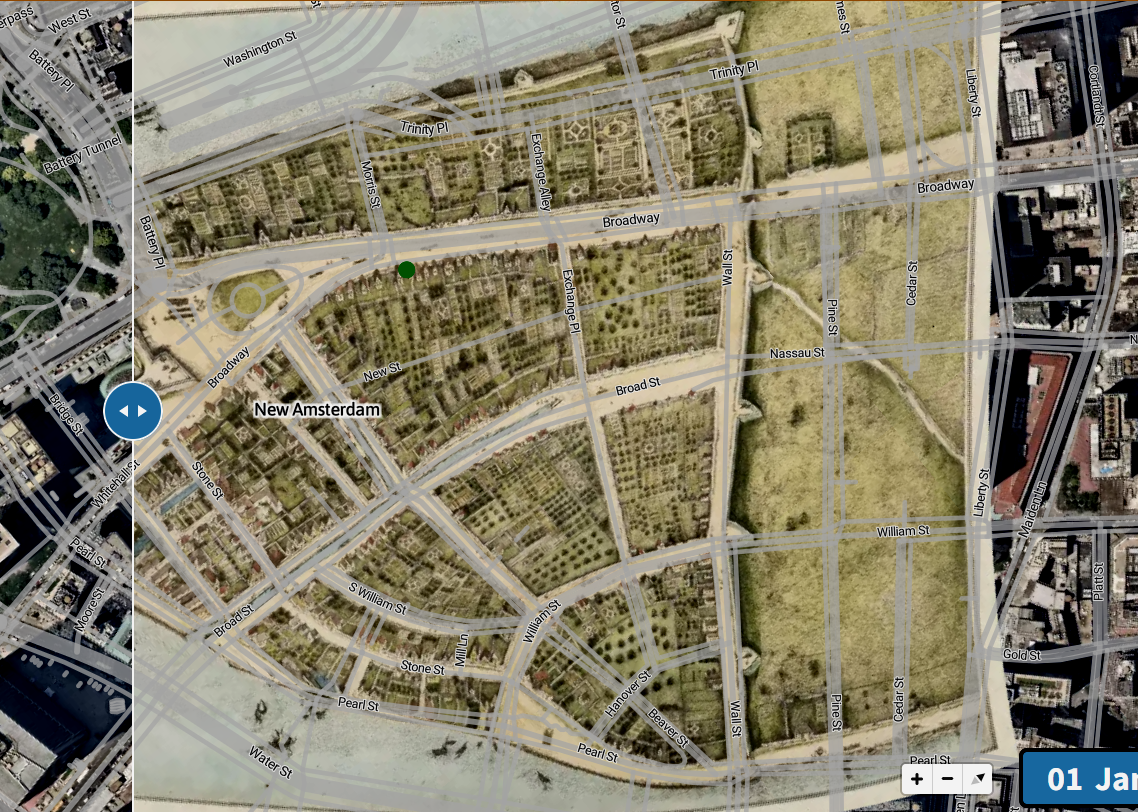
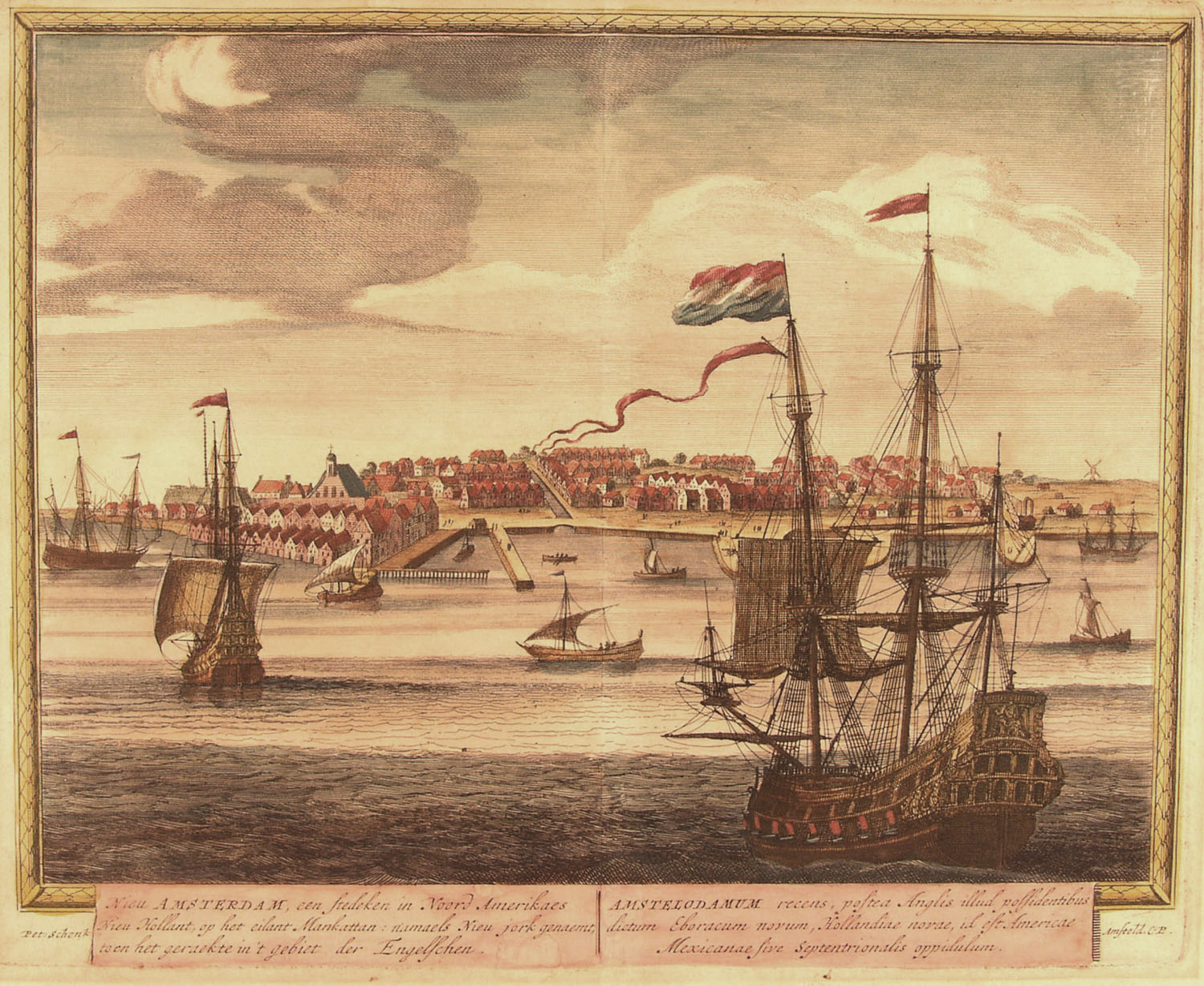
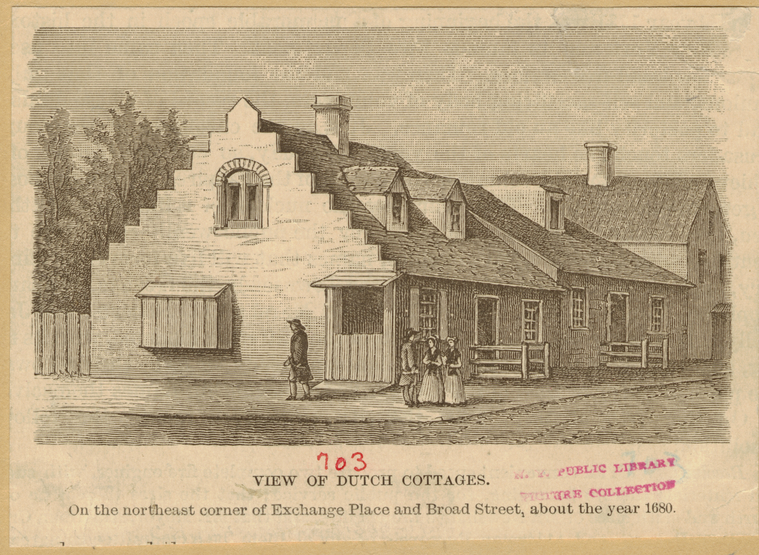
It is an honor to have this opportunity to present some of my research, which concerns the institution of real property in seventeenth-century New Amsterdam. About a year ago, when I defended my work at Temple University, one of the members of the examining committee was in the process of buying a house near Philadelphia. She commented on the similarities between her real estate transfer and the much older conveyances that she encountered in the pages of my dissertation. The committee agreed that the procedures used to transfer property in the seventeenth-century Dutch colony had many modern elements.
Sitting there that day, discussing real estate in New Amsterdam with the members of my committee, I was reminded of Andries Jochemsen, who was accused of unlawful tapping (serving liquor) in 1663, when, in fact, he and his friends merely “sat together conversing with each other, among other things of the sale of houses.”2
Unfortunately, the details of their conversation were not recorded, but today I would like to converse with you about the Dutch traditions of land ownership and transfer that established the institution of real property in New Netherland.