

Perceptions of Colonial Slavery in Dutch Art (2025)
by Valika Smeulders
In the Dutch Atlantic world, the world order and groups within it were visualized hierarchically. This started with the foundation of the colonial trading companies in the early 17th century, and continued until well after the abolition of slavery in 1863. Dutch museums from the 19th century on introduced a distinction between collections assembled in colonized territories, and art and applied art produced in the Netherlands itself. For a long time, this separation enhanced the idea that Dutch art was free of colonial influences. But a better look into these objects says otherwise: as carriers of ideas about Dutch power and wealth, they also shed light on notions behind colonial constructs and the role of ethnicity in those constructs.
Slavery, Race, and the Imagination of a New World Order
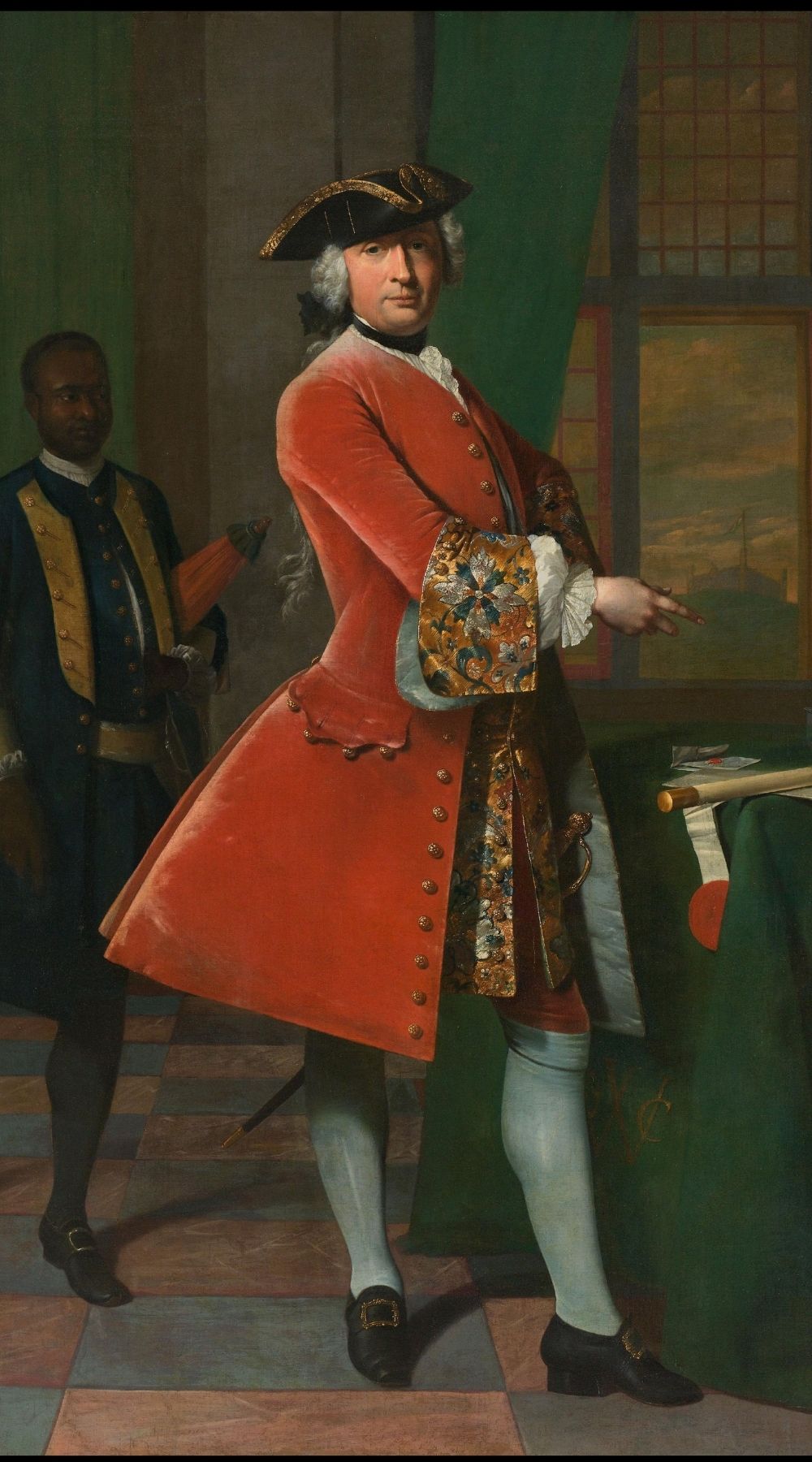
At the time of the “Moorish rule” over the Iberian Peninsula, until 1492, there was no relationship between slavery and skin color. During the colonial period, slavery was institutionalized and linked to the social construct of ‘race’, in defense of a new world order. It evolved from a personal, arbitrary, temporary phenomenon, such as the repayment of a debt, the serving of an imposed punishment, or the fate of a prisoner of war, to the “inherent” condition of the person of color. Legislation pertaining to racialized slavery was not implemented on European soil. After all, the plantations where slave labor was utilized were elsewhere. However, the class who profited from the system did live in Europe. The colonial period saw the emergence of a group who liked to display their newly acquired power and wealth. The international nature of this elite’s power figured prominently in their representation of themselves and the world. They could boast about their power and possessions in remote places by having an “exotic” servant physically present in their homes, and by having this “black servitude” committed to canvas.
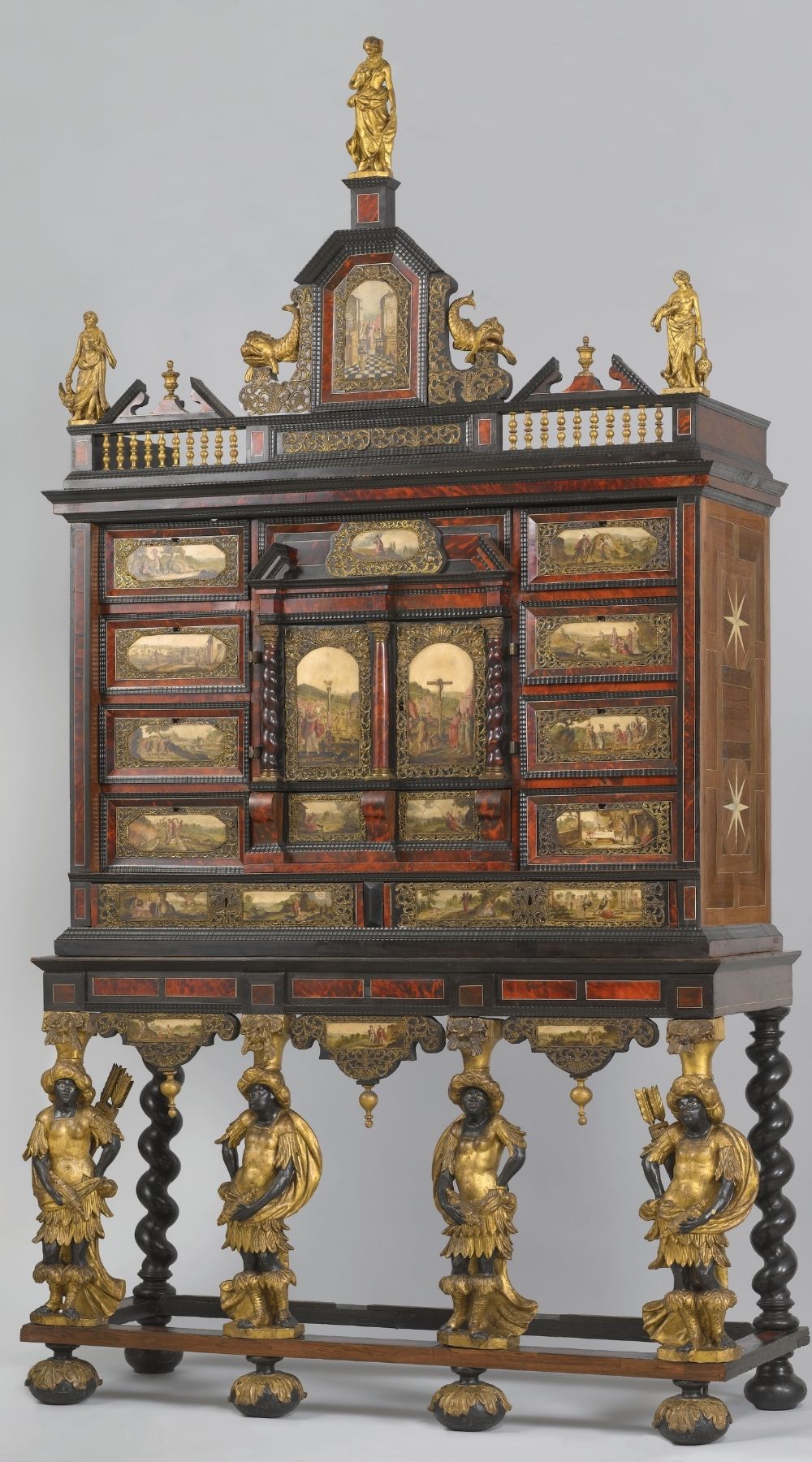
Rijksmuseum Collection Cabinet BK-16434
The depiction of slavery in art and applied arts is recognizable in several forms. One is the legitimization of the practice through referrals to biblical stories, slavery in antiquity, and to the conquest of the Moors. A striking example is this cabinet, made between 1670 and 1690, using tropical materials and decorated with scenes from the Old Testament. The cabinet is supported by dark-skinned men and women. They are depicted wearing headgear reminiscent of a “Moorish” turban, and clothing and footwear resembling the attire of a Roman gladiator. These depictions are mostly allegorical in nature and do not show the labor as practiced in the colonies.
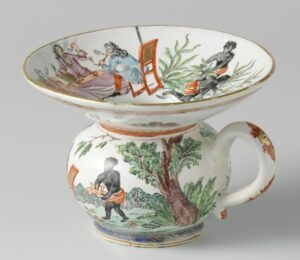
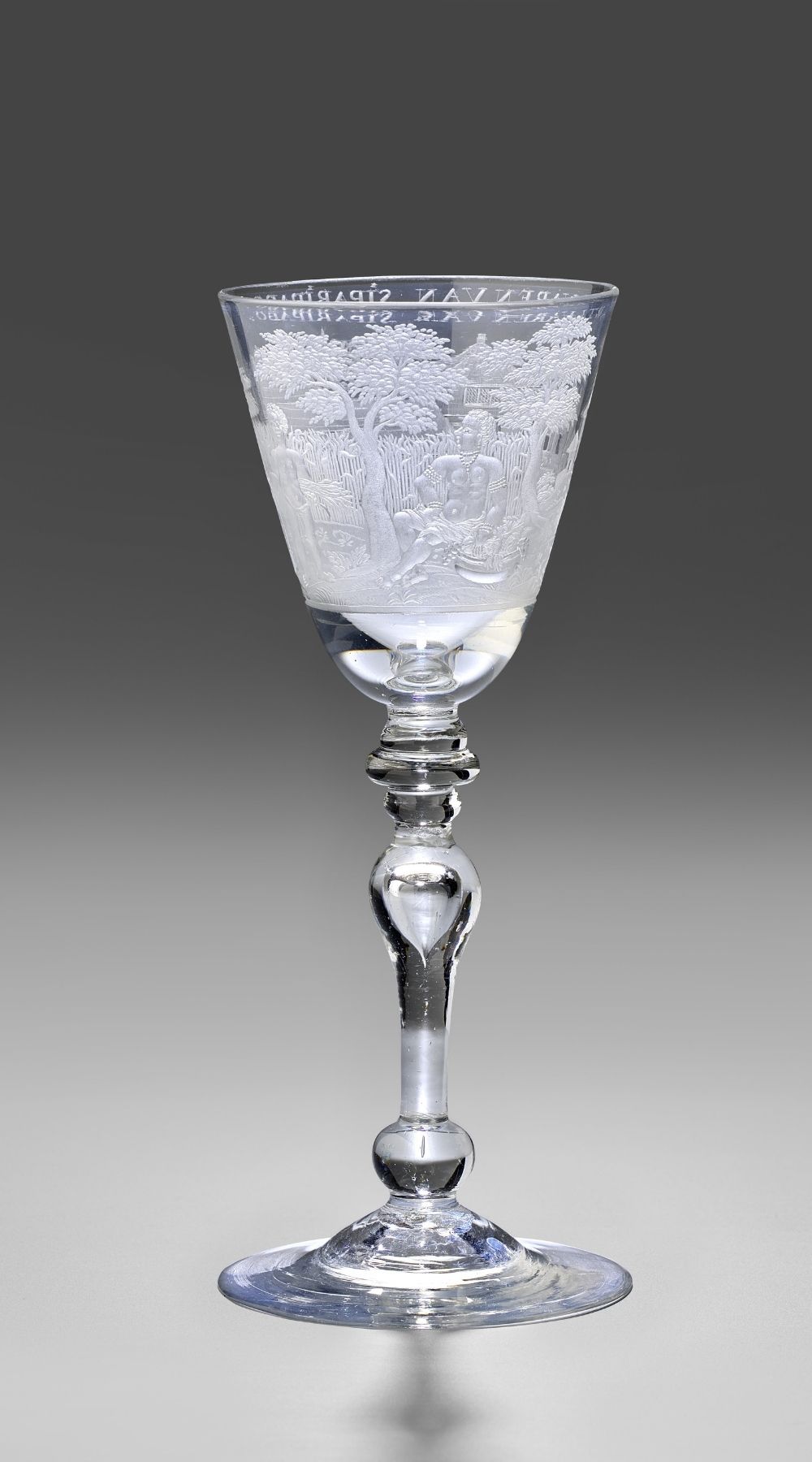
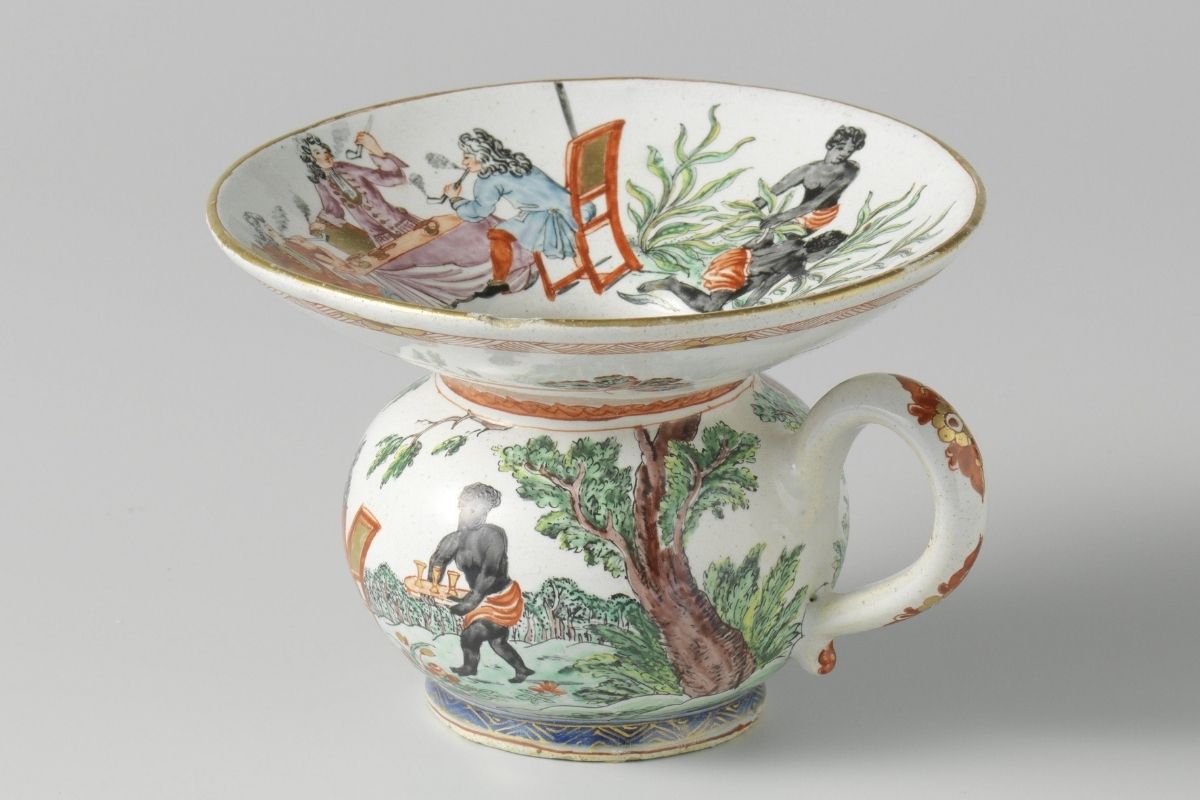
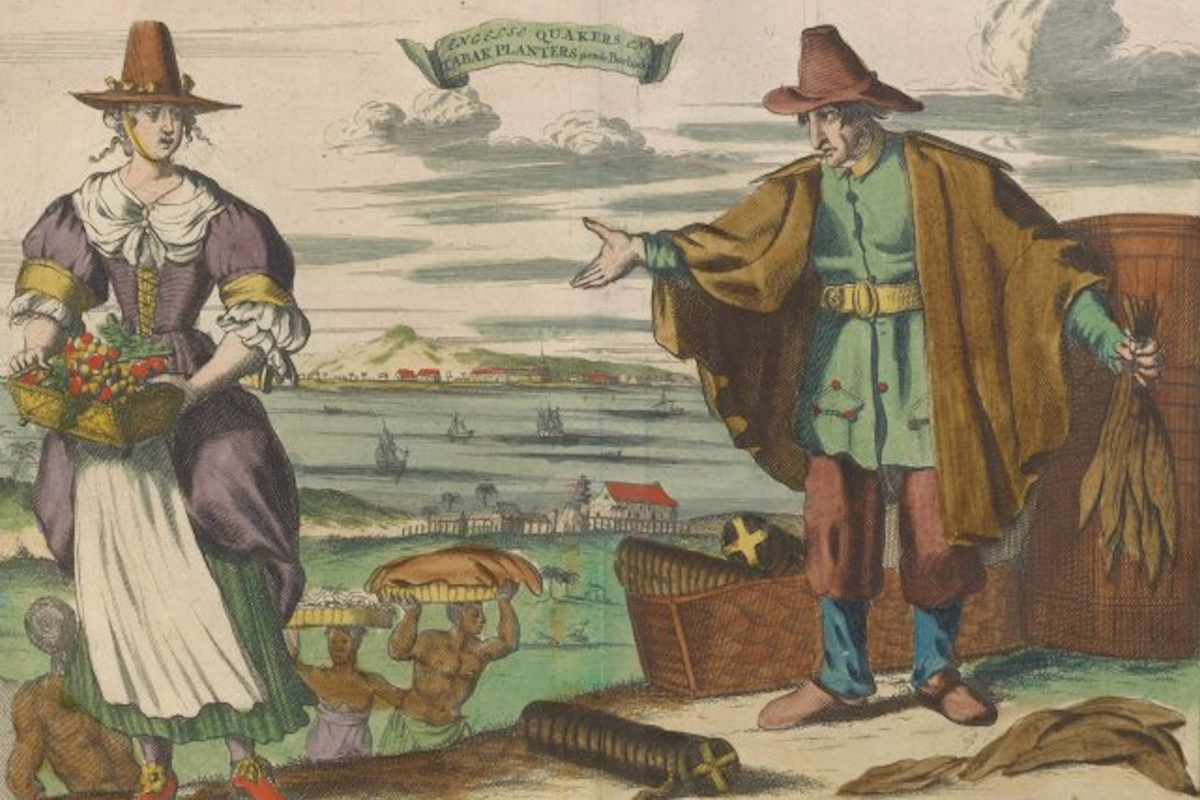
In other cases, depictions of enslaved labor are more direct, rendering plantations and muscular, scarcely clothed African figures. Some of these are romanticized images in which enslaved are resting peacefully or interacting at leisure with their peers, imagery which ignores the exploitative reality of colonial slavery. Others take a different approach, by combining African servitude with European consumption of tropical products, reinforcing the idea of the hegemony of ‘the old world’.
Belonging in the Netherlands
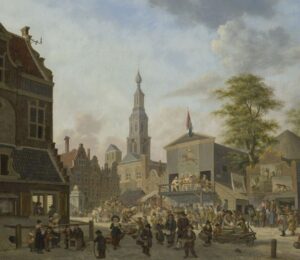
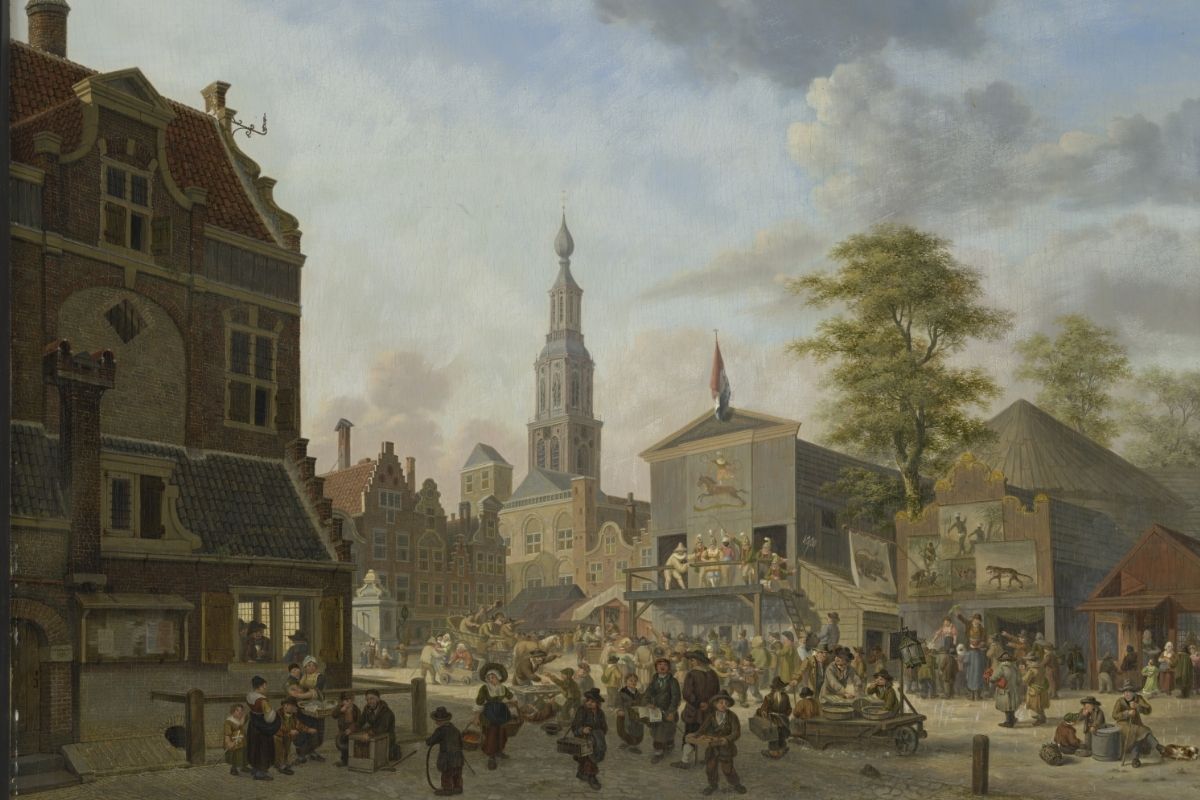
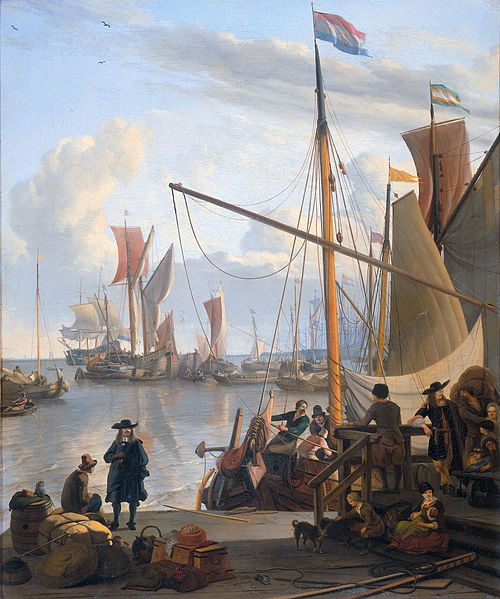
Although colonial slave labor was used across the Atlantic Ocean, some enslaved people were taken to the Netherlands, where they were legally free. In paintings of the time we see them mostly in the role of house servants, underlining the powerful position of the central figure of the portrait. Less well known but very much worth of future study are painted military figures, African men serving as drummers in the army, regulating the marching of the troops, or in other functions. Also rare are paintings of Africans in public, for example at the market. These could serve to study the development of the phenomenon of putting people of color on display at fairs and in nineteenth- and twentieth-century colonial exhibitions.
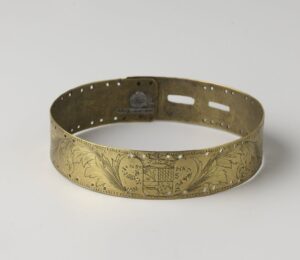
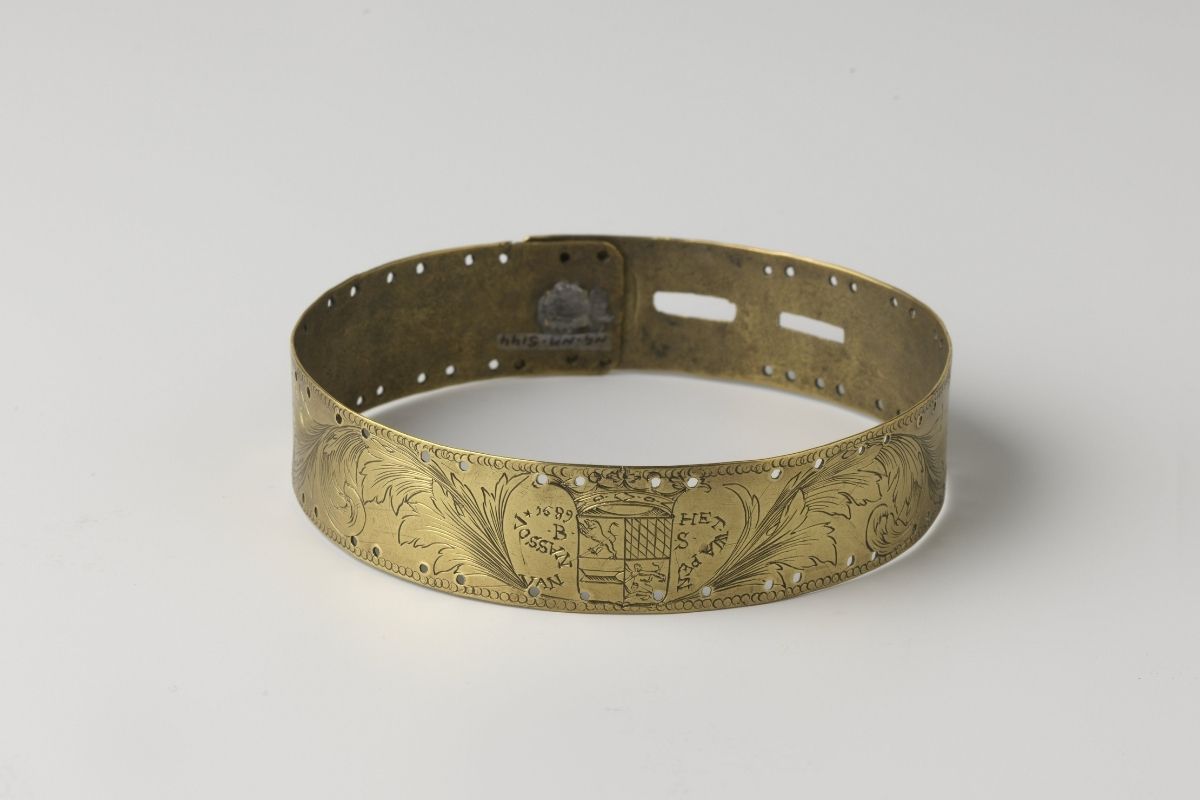
It is not only paintings but also other objects that can help us to re-imagine what the experience of enslaved people in the Netherlands must have entailed. Until recently, collars in Dutch museum collections were consistently classified as dog collars, even though collars frequently appear as a painted motif for African servants and the physical objects themselves are found in various European countries. From archival research, we know that collars were made specifically to be worn by colonial servants. As worn markers of personal enslavement and ownership these horrific implements bring us closer to the lived experience of colonial servants in the Netherlands.
The objects presented here were at one time significant in the forming of Dutch identity, while the depiction of slavery and Africans has been overlooked in museums since their foundation. By bringing these to the surface for thorough study, we can start to unpack the true impact of colonialism in the Netherlands.
This is a shortened version of a book chapter published in Dutch in 2023, published in English in 2025 as ‘”Sometimes a Moor Next to Virgins”: The Colonial World Order in Dutch Art’, in R.M. Allen, E. Captain, M. van Rossum, U. Vyent (eds.), Slavery & the Dutch State: Dutch Colonial Slavery and its Afterlives.