

Dutch Indigenous Slavery in New Netherland and the Atlantic World (2025)
by Evan Haefeli
In recent years, the enslavement of Indigenous people by Europeans across the Americas has received renewed attention from scholars. However, when it comes to the Dutch colonies, only in studies of the Guiana region does Dutch Indigenous slavery appear as a significant factor. True, the Dutch were more ambivalent about enslaving Native Americans than other Europeans. Some of that ambivalence derived from the Dutch ideology of colonization: they initially claimed that Native Americans were their natural allies in the struggle against Spanish tyranny. Early promoters of Dutch expansion claimed the Dutch would liberate Indigenous Americans just as they were liberating themselves from Spanish Habsburg rule in Europe. And sometimes this was in fact the case. In Brazil the alliance of certain Indigenous nations was crucial to the survival of the Dutch colony. In Guiana and New Netherland, Indigenous nations also became essential partners in trade. On Curaçao, Indigenous people as military allies and workers also proved crucial to the success of Dutch colonization. Altogether, the Dutch colonies depended more on good relations with neighboring Indigenous peoples than the other European empires, and that reality encouraged them to treat Native Americans with more respect.
Nevertheless, Dutch people did occasionally enslave Indigenous Americans. Sometimes they did so in defiance of official policy. Other times they had the support of Dutch authorities. Surveying the history of Dutch colonization in the Americas from the sixteenth through the nineteenth centuries, a clear pattern emerges. First, the situation varied from one region to another, depending upon the circumstances of each colony. Most of the Indigenous enslavement took place in South America, especially the Guianas colonies (Surinam, Demerara, Issequibo, Berbice, and Pomeroon). Very little could be found in New Netherland. Second, the Dutch relationship to Indigenous enslavement changed notably over time. The Second Anglo-Dutch War was an important turning. By the time it ended in 1667, the Dutch had lost both Brazil and New Netherland, the two colonies where alliance and trade with Indigenous nations was most important. In their stead, they acquired Surinam and started developing their other Guianese colonies, all of which depended primarily on plantations worked by enslaved laborers for their success. The vast majority of those enslaved people were of African origin, but some were Native American as well. The Dutch called them “red slaves.”
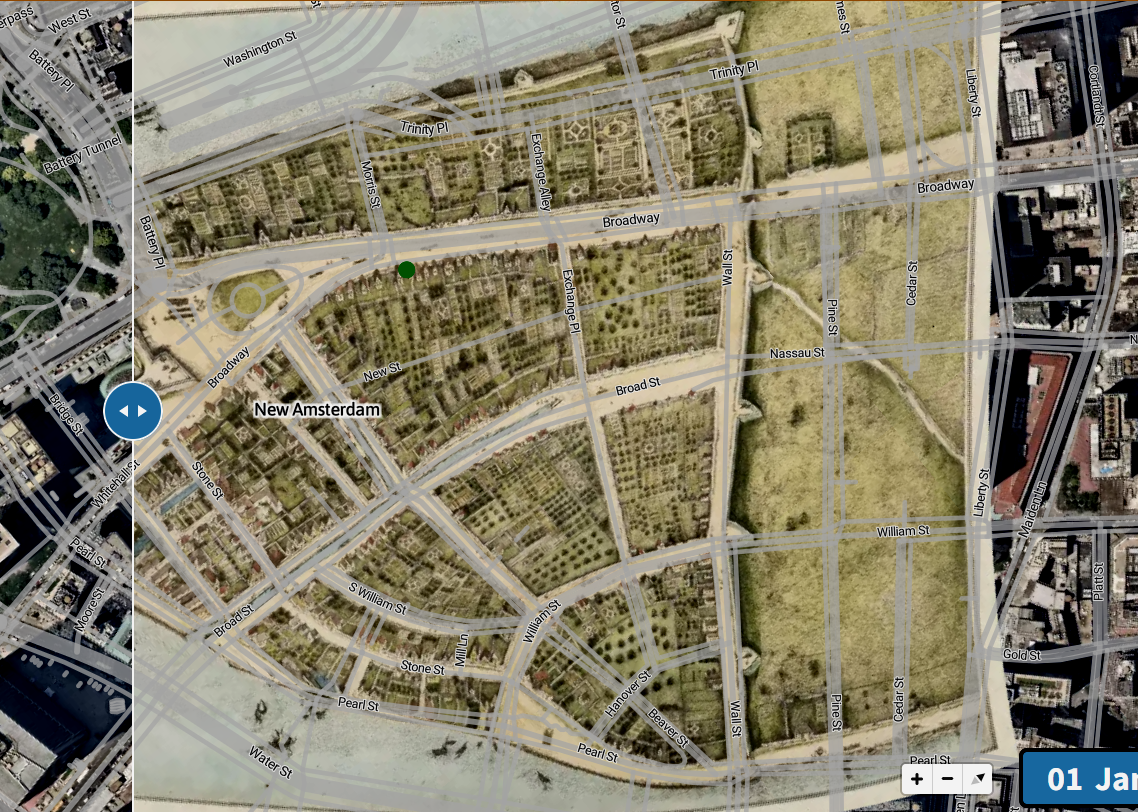
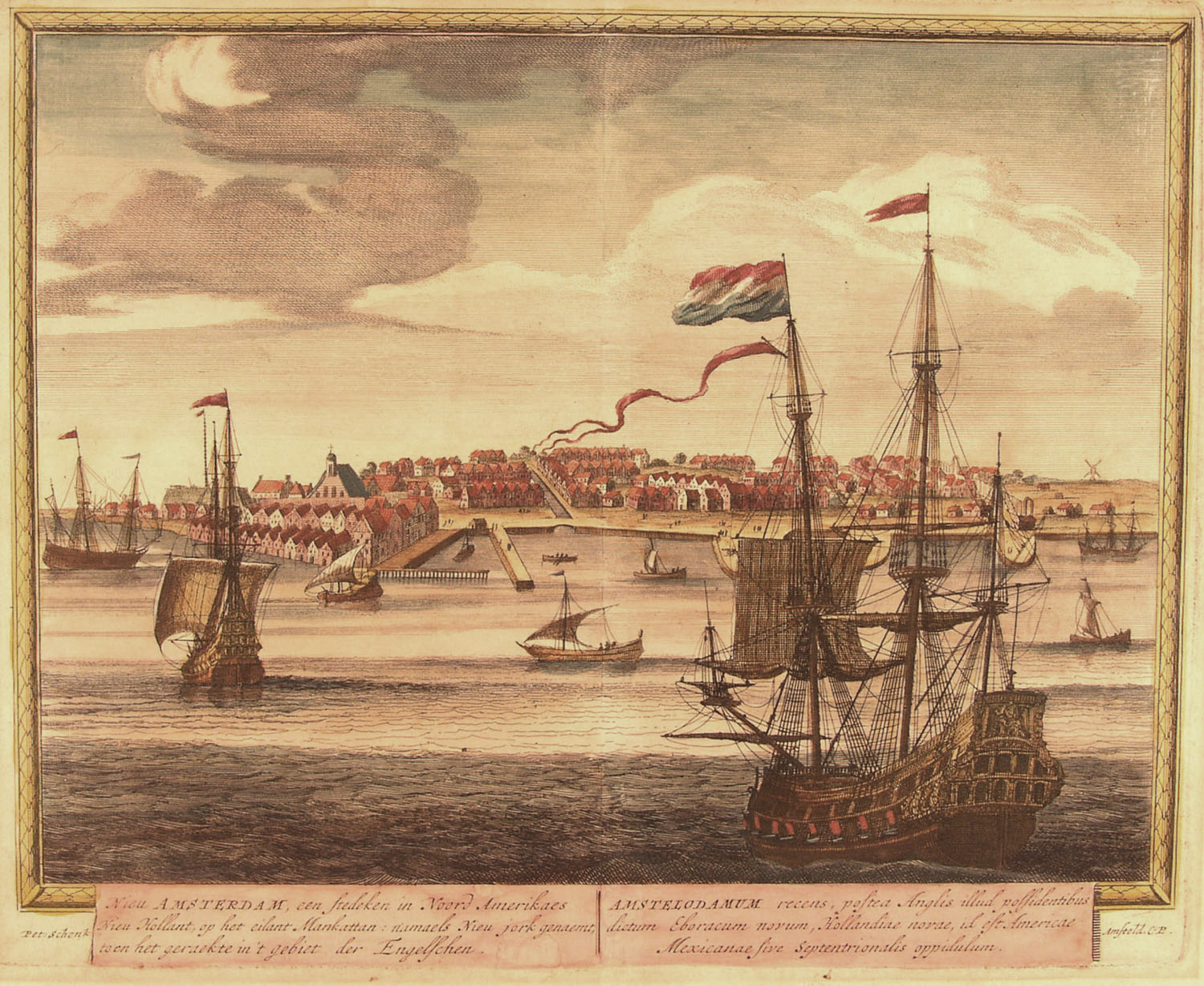
Before the 1660s, Dutch officials sought to distinguish the Dutch from other Europeans by opposing efforts to enslave Native Americans. This was initially the official policy in Dutch Brazil. In the Caribbean islands, officials denounced Dutch merchants who kidnapped and enslaved Native Americans. The Dutch did not completely avoid enslaving Native Americans, but they did limit it more than other Europeans. A couple of Indigenous prisoners of war captured during the conflicts between settlers and Native Americans in New Netherland were sent into slavery, but not in New Netherland. They were sent to Bermuda or down to Curaçao. The Dutch in New Netherland were too few and weak to try and enslave their Indigenous neighbors, although some colonists dreamed about doing so. Only a couple of enslaved Indigenous people have been found in the records of New Netherland. They seem to have been foreigners imported from the Guianas.
Ironically, when the Dutch did become more involved in Indigenous slavery it was because of their strong alliances and trading relationships with Indigenous peoples in Brazil and the Guianas. There, Dutch allies sometimes handed over war captives taken from enemy Indigenous nations. Few Dutch people could refuse the opportunity to then make those captives work for them. Indeed, even when the Dutch did not enslave their Indigenous neighbors, they did occasionally try to exploit them for cheap labor. Just because the Dutch did not enslave them does not mean they treated them very well. Resentment at this mistreatment led to Indigenous revolts in New Netherland (Kieft’s War), Brazil, and later on in Surinam, where a particularly bloody war took place in 1678-1686.
When the Dutch of Surinam made peace with their Indigenous neighbors they agree to distinguish between the “free nations” who lived near the Dutch and could not be enslaved and the “unfree nations” who came from nations living further in the interior of South America. Dutch traders still brought in enslaved Native Americans, but now Dutch officials made an effort to make sure they did not belong to one of the free nations. Those deemed liable to enslavement were put to work on the plantations, where they became part of the dominant African American society. When the English abolished slavery after taking over Dutch Guiana in the early nineteenth century, they found a number of people who were the children and grandchildren of Native Americans that had been enslaved by the Dutch in the eighteenth century.
About: Evan Haefeli (Ph.D, Princeton) is Professor of History at Texas A&M University. An historian specializing in colonial North America and the Atlantic world, he has studied the European religious and political origins of early America as well as Native American history. His published work includes New Netherland and the Dutch Origins of American Religious Liberty (2012), Accidental Pluralism: America and the Religious Politics of English Expansion, 1497-1662 (2021), and many articles. This essay is based on research done for a forthcoming article in Early American Studies co-authored with Mark Meuwese and Linford Fisher.