
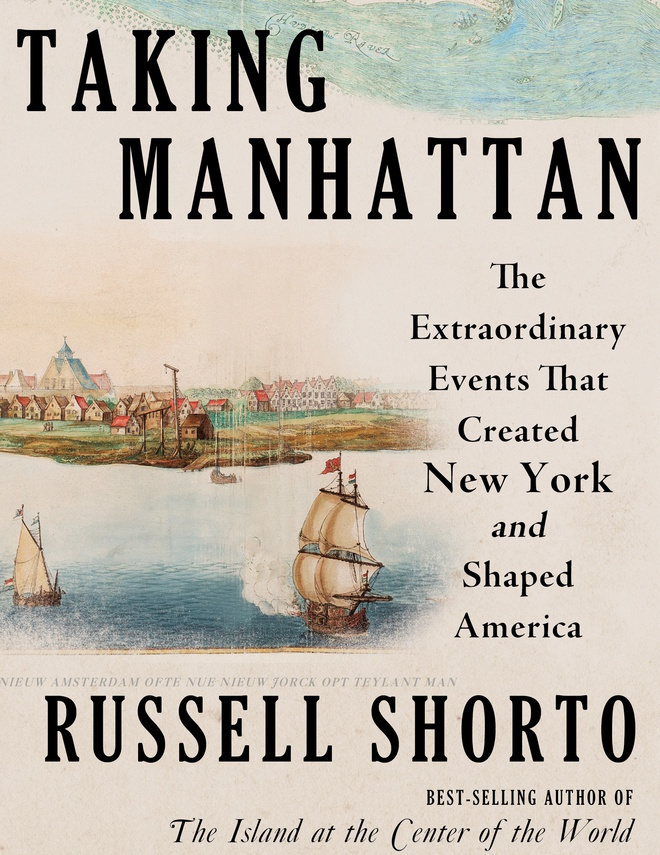

Russell Shorto's bestselling history packs a wallop of a story, moving from the halls of power in London and The Hague to bloody naval encounters on the high seas to the uncharted wilderness Manhattan once was.
Snowshoe Country is an environmental and cultural history of winter in the colonial Northeast, closely examining indigenous and settler knowledge of snow, ice, and life in the cold.
Dagomar Degroot reveals how the Dutch Republic thrived during the Little Ice Age, turning climate challenges into opportunities in trade, warfare, and culture—offering timely insights for today’s climate crisis.
In The Dutch Moment, Wim Klooster shows how the Dutch built and eventually lost an Atlantic empire that stretched from the homeland in the United Provinces to the Hudson River and from Brazil and the Caribbean to the African Gold Coast.
This work examines the Middle Colonies—New York, New Jersey, and Pennsylvania—as a region at the center of imperial contests among competing European powers and Native American nations and at the fulcrum of an emerging British-Atlantic world of culture and trade.
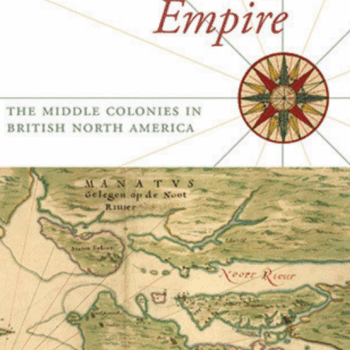
This work examines the Middle Colonies—New York, New Jersey, and Pennsylvania—as a region at the center of imperial contests among competing European powers and Native American nations and at the fulcrum of an emerging British-Atlantic world of culture and trade.
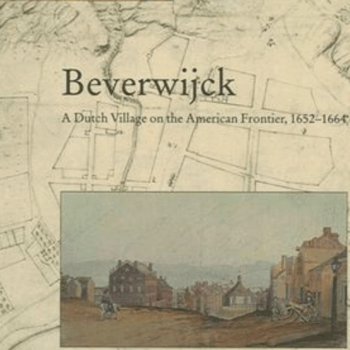
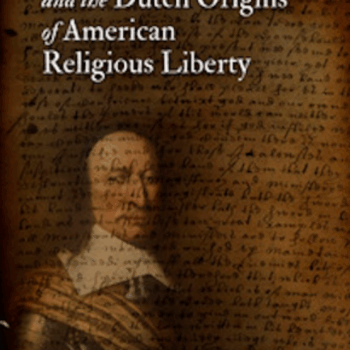
The settlers of New Netherland were obligated to uphold religious toleration as a legal right by the Dutch Republic’s founding document, the 1579 Union of Utrecht
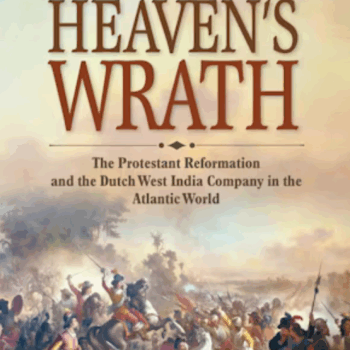
D. L. Noorlander argues that the Reformed Church and the West India Company forged and maintained a close union, with considerable consequences across the seventeenth century.
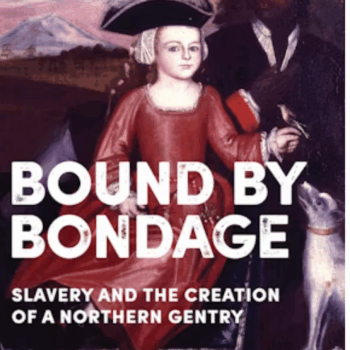
During the first generations of European settlement in North America, a number of interconnected Northeastern families carved out private empires
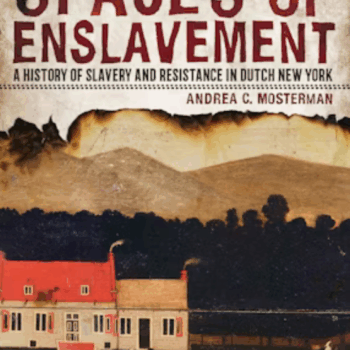
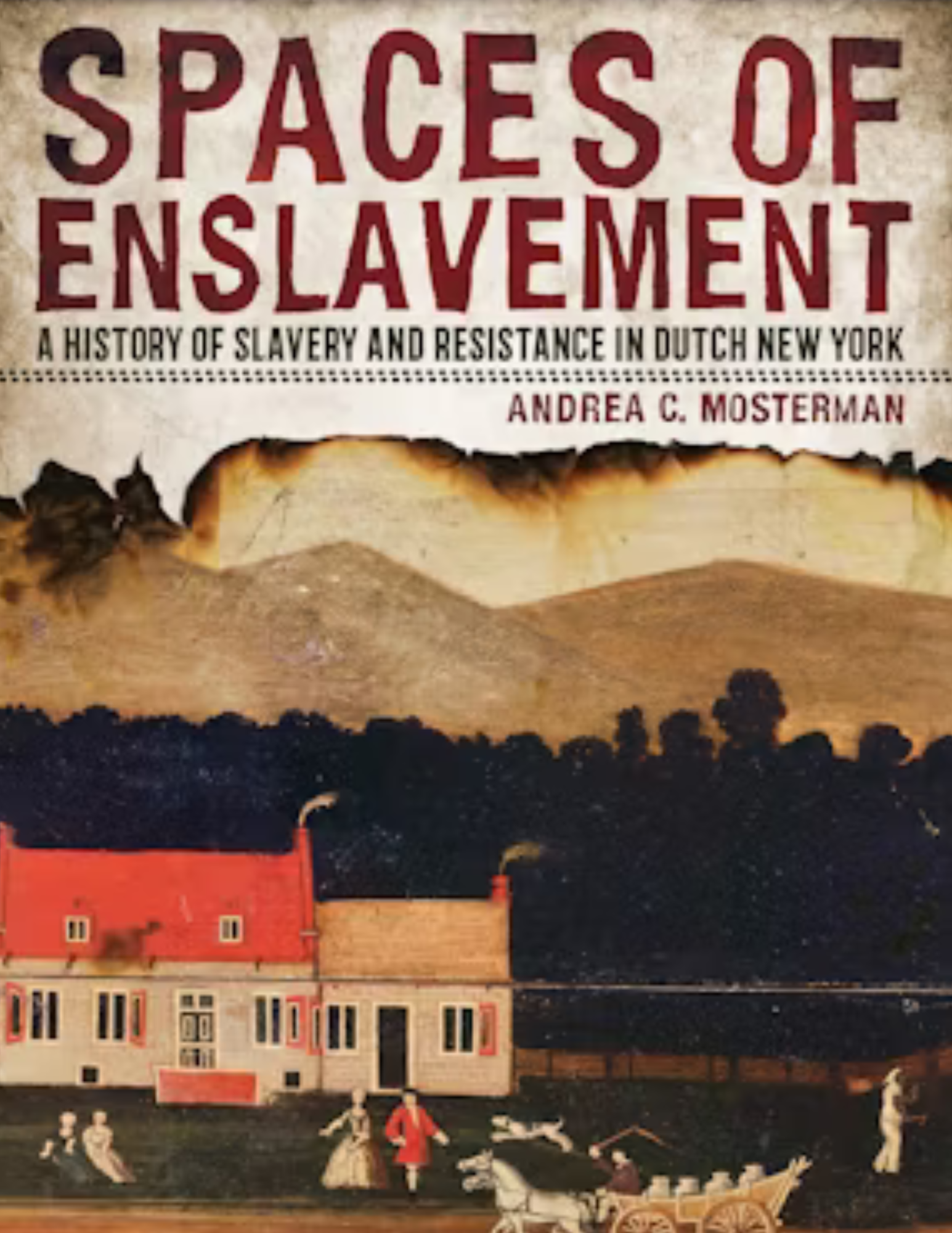
In Spaces of Enslavement, Andrea C. Mosterman addresses the persistent myth that the colonial Dutch system of slavery was more humane.