
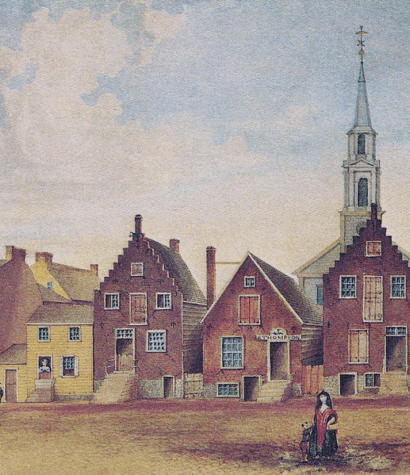
The capital city of New York has an unusually patchwork history. Needless to say, the area was under Dutch control before it fell into English hands, but even in the Dutch period there were three distinct entities that vied with one another over territory and rights.
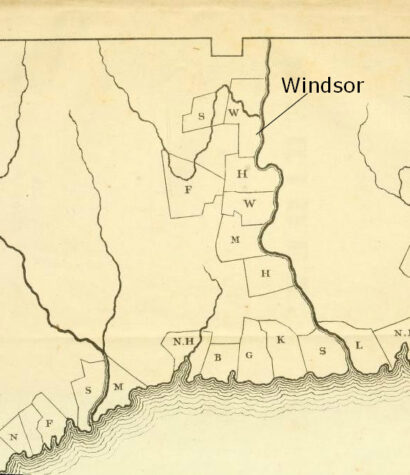
In 1633, Dutch forces at House of Hope watched as Englishman William Holmes defied threats and sailed upriver to found Windsor—the first permanent European settlement in Connecticut.
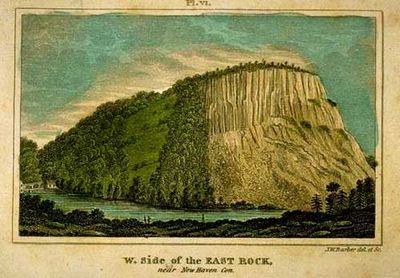
In 1614, Adriaen Block named Rodenbergh after red hills near a promising harbor. Though Dutch traders visited, English settlers soon dominated, founding a town led by minister John Davenport.
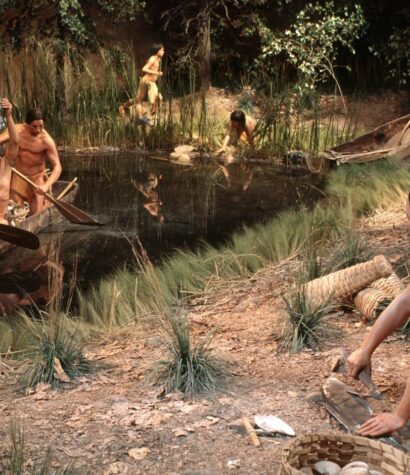
The site of Mason’s massacre of Pequots in 1637 Pequot village diorama, from the Mashantucket Peqout Museum. Source: The tribe-owned Mashantucket Pequot Museum and Research...
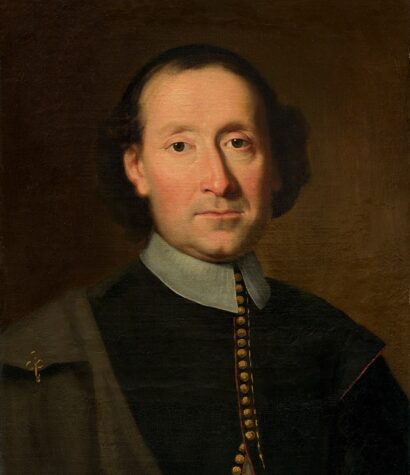
He was the Yonkheer-the squire or "young sir." Adriaen Van der Donck was one of New Netherland's most distinguished residents, and a notable American who has been unjustly forgotten by history.
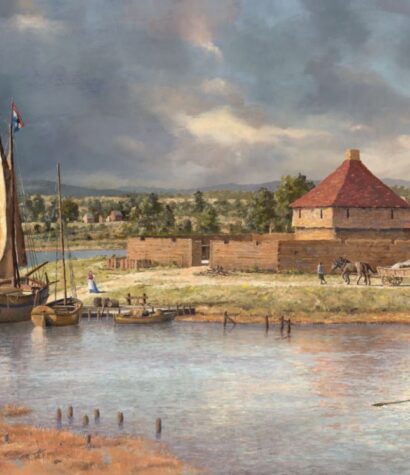
Fort Good Hope, circa 1639 L. F. Tantillo, 2023 © By Historical Artist, Len Tantillo Since no one alive today has seen Fort Good Hope—once...
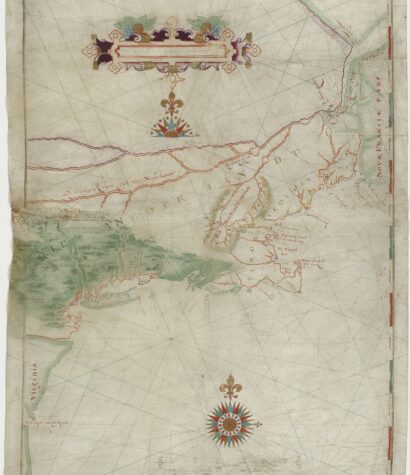
To Dutch explorers, peaceable natives, fur-bearing animals, and navigable waterways meant profit. Adriaen Block, after Hudson’s 1609 voyage, led four expeditions and mapped the region with remarkable accuracy.
Creating a timeline of your ancestor’s records helps clarify life events, resolve conflicting evidence, and reveal patterns. Simple chronological summaries offer a clear, big-picture view when paired with proper sourcing.
Scattered throughout the administrative records of New Netherland are documents relating to the wills and estates of New Netherland’s residents. These kinds of records often provide evidence of family groups; they might give clues about the marriages of daughters, include names of grandchildren, or provide details that help researchers understand the life an ancestor.
Often overlooked by researchers, land and property records offer valuable insights into ancestors’ lives. Translated volumes reveal abundant leases, sales, home transfers, and goods transactions like livestock and equipment.
It should not be forgotten that New Netherland was at heart a commercial enterprise and, though a Dutch colony, had residents from many other places. The records reflect this focus on commerce, with frequent mentions of goods moving into and out of the colony.
Occupational details can distinguish individuals with similar names and offer deeper insight into their lives. Translated records occasionally reference trades, even when the person’s work isn’t the primary focus.