Now Reading:

Manhattan

Font Selector
Sans Serif
Serif
Font Size
A
A
You can change the font size of the content.
Share Page

Exploring Dutch Heritage Through Research 

Exploring Dutch Heritage Through Research 
Manhattan

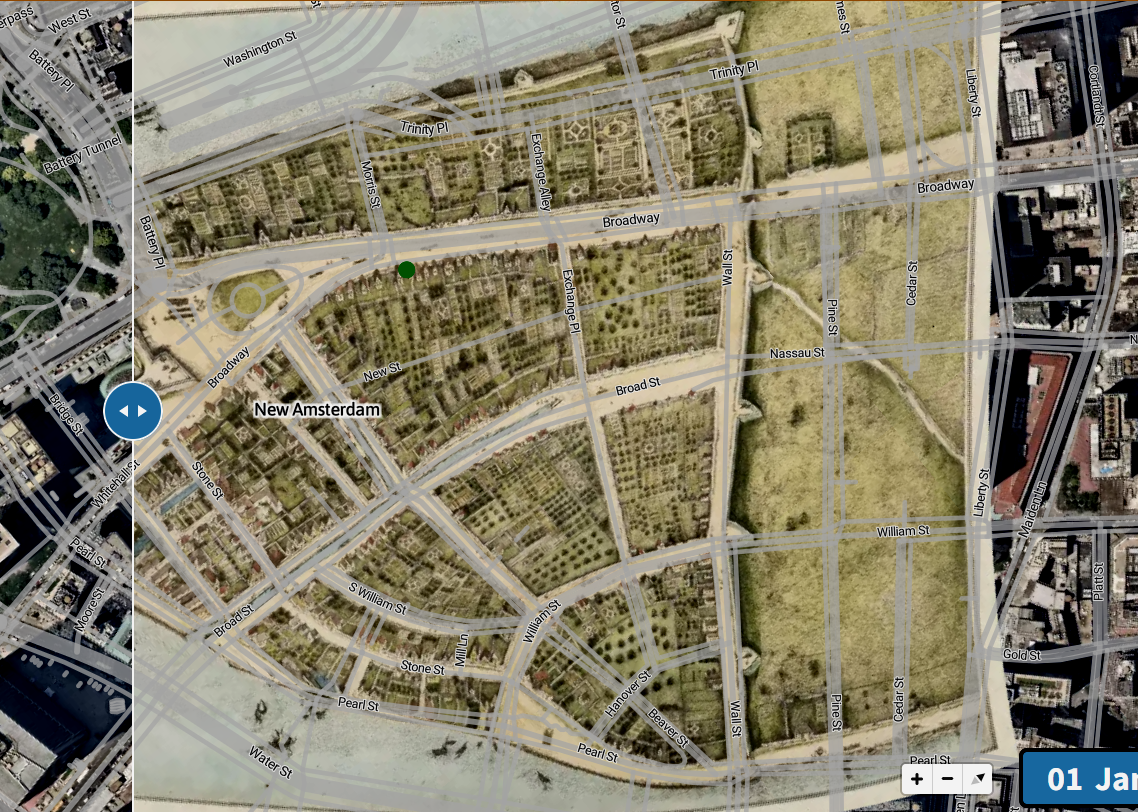
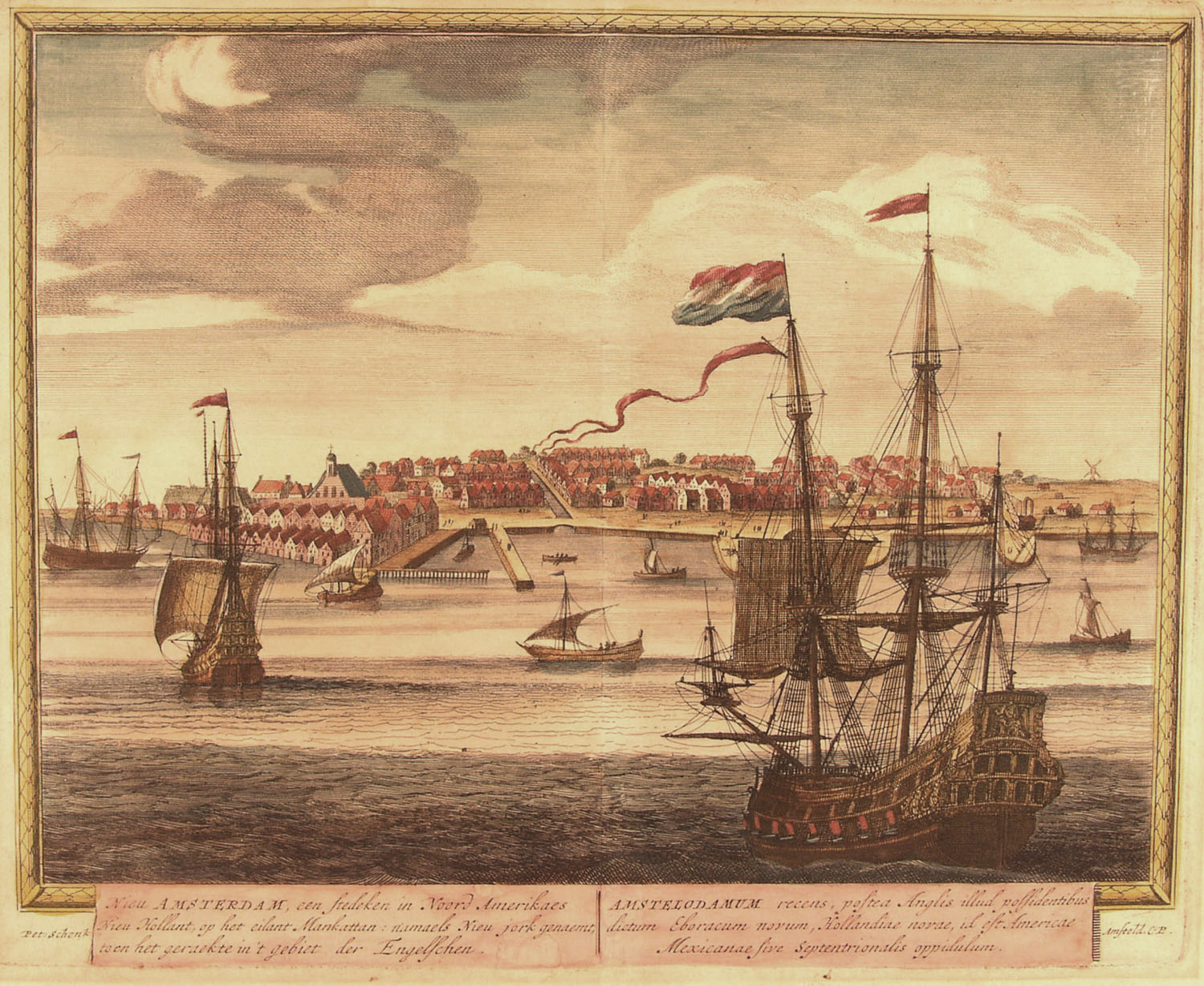
It was large enough to maintain a settlement. It was defensible. It lay near the mouth of the most vital river on the North American coast, and so served as a waystation for traffic coming from the fur-trading areas to the north. It was the natural place for the capital of the colony of New Netherland.

Of course, Indians knew of it long before any Europeans arrived. The Mohawk called it Ganono, meaning “reeds,” no doubt because of the reedy marshes that surrounded much of it. But the Delaware name–variously recorded as Manados, Manahata, Manahtoes, Manhattos–is the one that stuck. It meant “the place where we get bows,” or “the place where we get the wood to make bows.” The Dutch settlers picked up the name and used it. And the rest is history.

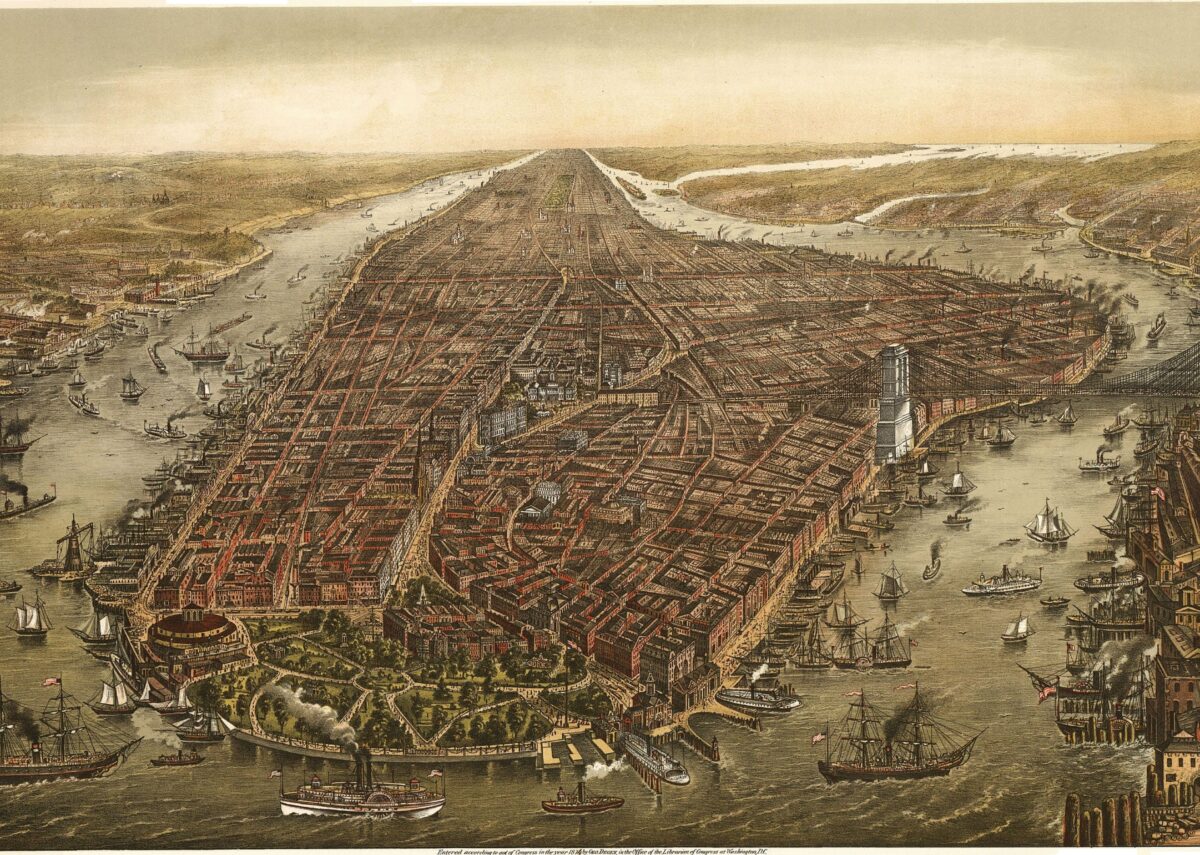
Bird's eye panorama of Manhattan & New York City in 1873

Artist: George Schlegel lithographers

WHAT WAS NEW NETHERLAND?


About New Netherland Institute

For over three decades, NNI has helped cast light on America's Dutch roots. In 2010, it partnered with the New York State Office of Cultural Education to establish the New Netherland Research Center, with matching funds from the State of the Netherlands. NNI is registered as a 501(c)(3) non-profit organization. Contributions are tax-deductible to the extent permitted by law.