

Benjamin Spock 1903-1998
Dr. Benjamin Spock was an American pediatrician whose influential book Baby and Child Care transformed child-rearing practices worldwide. First published in 1946, the guide sold over 50 million copies and shaped generations of parents.
- Benjamin Spock
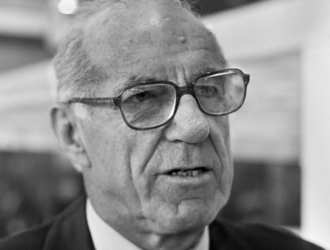
Benjamin Spock – Wikipedia
Arts and Letters
Peter Spier is an award winning author and illustrator of children’s books, most of which were published by Doubleday and Company, Incorporated. During his productive career, from 1957 until 1994, he produced at least 36 children’s books, some of them award winners.
Spier was recognized as an author and illustrator with the Lewis Carroll Shelf Award in 1977 for his book “Noah’s Ark”, the Caldecott Medal in 1978, and the Christoffer Award for his book “People” in 1981. He was also nominated for a National Book Award in 1982.
The entire listing of his published books can be found on the references for this biographical profile. One of the references refers to as many as 81 titles, some of them in languages other than English. Some of the more interesting titles are:
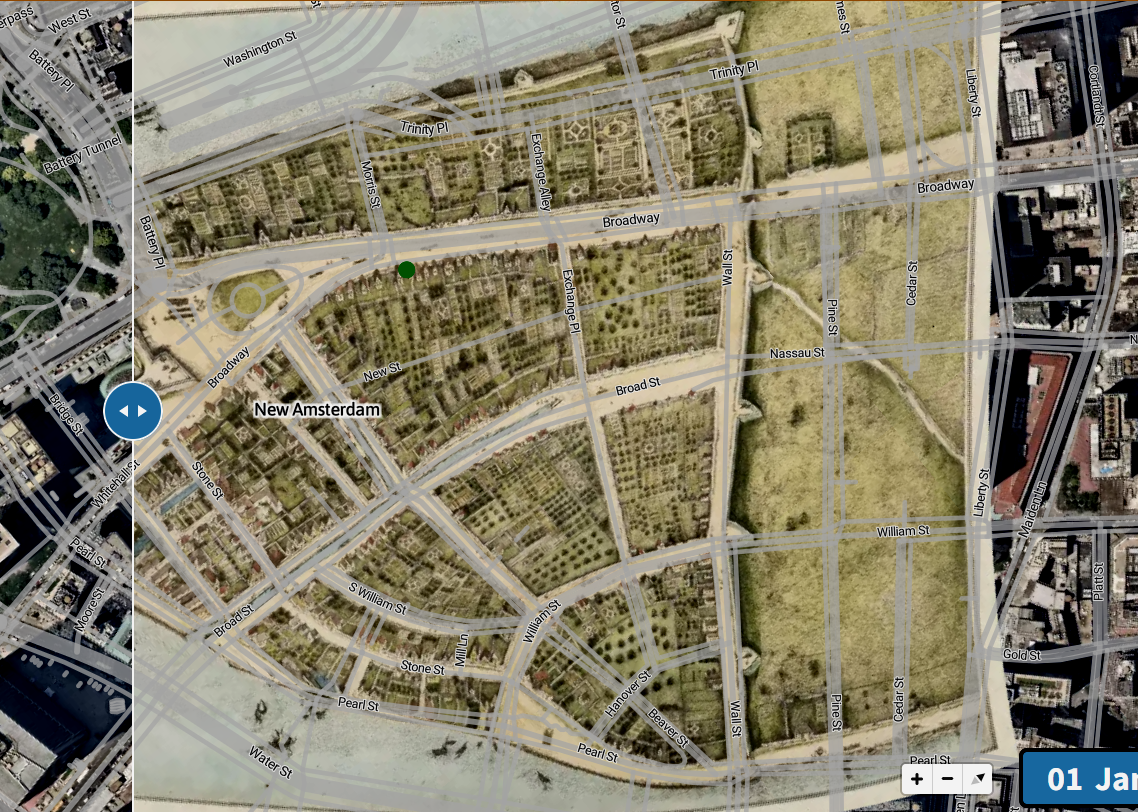
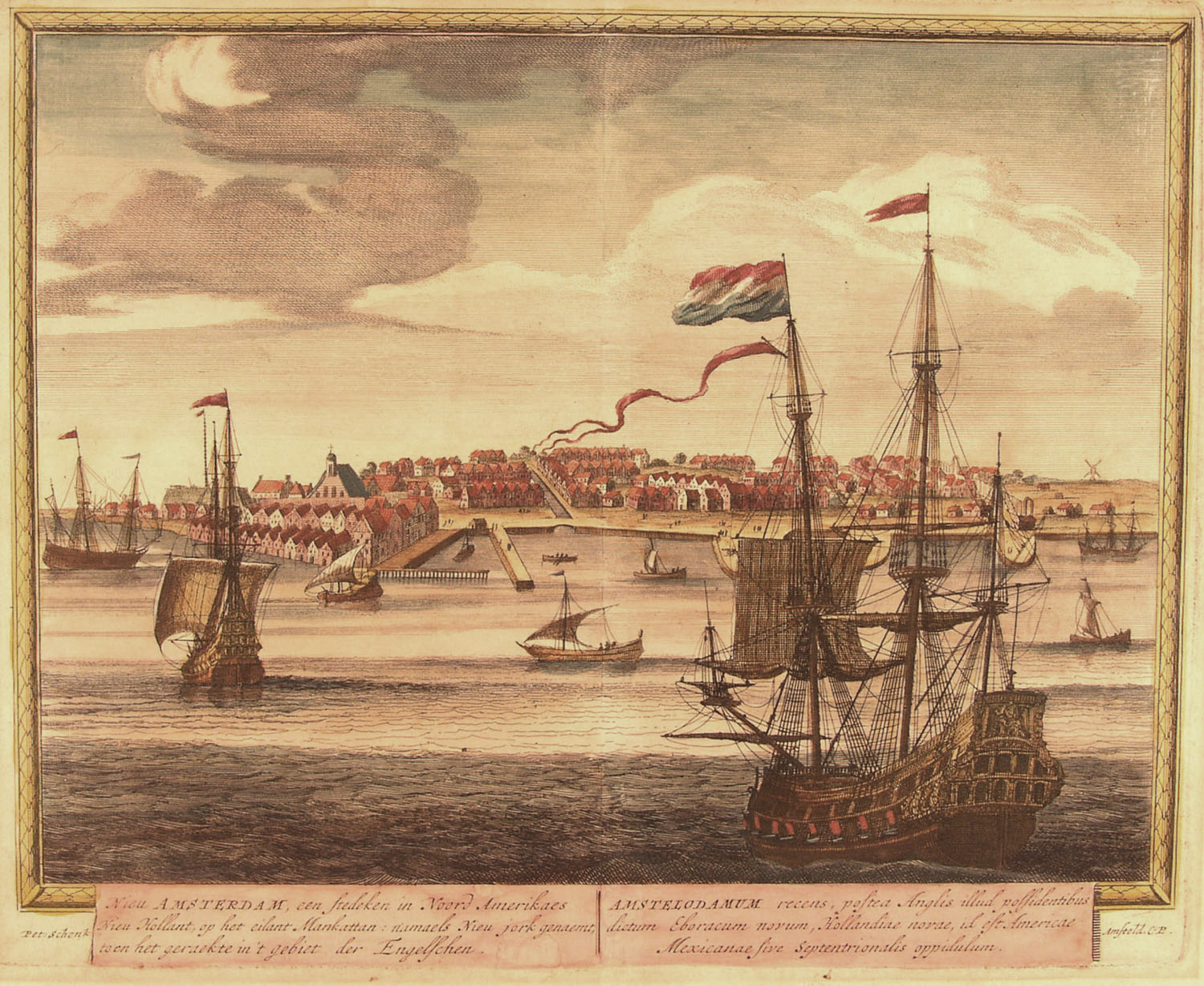
- Island City: Adventures in Old New York (1961)
- London Bridge is Falling Down (1967)
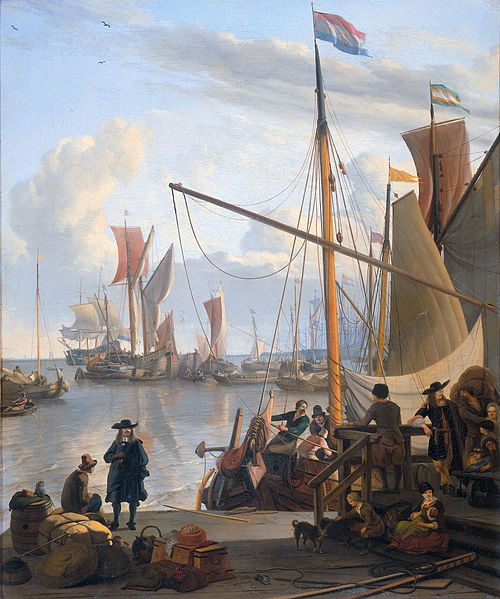
- Of Dikes and Windmills (1969)
- Erie Canal (1970)
- Star Spangled Banner (1973)
- Noah’s Ark (1977)
- Bill’s Service Station (1981)
- The Book of Jonah (1985)
- We the People: The Constitution of the United States (1987)
- Here Come the Fire Trucks (1988)
- The Fox Went Out on a Chilly Night (1994)
Spier was born in Amsterdam on June 6, 1927. His family apparently moved to the town of ‘Broek in Waterland’ during his early years, because he grew up there. His father was Jo Spier, a person of Jewish descent, and that of course created problems during the Second World War. At the start of the War, in May 1940, Spier was only 12 years old. Although his mother, Tineke van Raalte, was apparently not Jewish, that fact did not provide much protection from incarceration during the War. The Jewish part of the family, apparently all but the mother, were interred, first in a location identified as Villa Bouchina, and later in Theresienstadt, the notorious Nazi concentration camp.
It is not clear how the family managed to survive the horrors of the concentration camp, but they did. The fact that the mother was not Jewish may have been helpful in their survival. There also is some indication that some members of the family, probably from the mother’s side, were able to use their influence with the Nazis, to provide enough mercy for the Spier family’s survival.
Following the War, Spier studied at the Rijksakademy in Amsterdam, and he served in the Royal Dutch Navy for four years. Exemption from military service was apparently not an option following the horrors of a concentration camp.
The fact that the family was able to survive the Nazi concentration camp started rumors that they might have collaborated with the Nazis during the war. Whether they did or not is immaterial. When the choice is death or survival, most members of the human race will choose to cooperate if that allows them to survive.
In 1950, the Spier family had an opportunity to immigrate to the United States. Spier was then 23 years old, and either moved on his own, or with his parents and possible siblings. During the early years of his United States residence he was employed in an Advertising Agency. It was during that time that he decided to become an illustrator, and later he also became an author.
For his first children’s book in 1957, “Cow Who Fell in the Canal”, Spier was the illustrator. The author is unknown. His first book for which he was both the author and illustrator appeared in 1961. It was entitled “The Fox Went Out on a Chilly Night”.
Explore More Dutch Americans