Translations & Transitions Govert Loockermans, a Manhattan Merchant’s Correspondence & Papers More → |
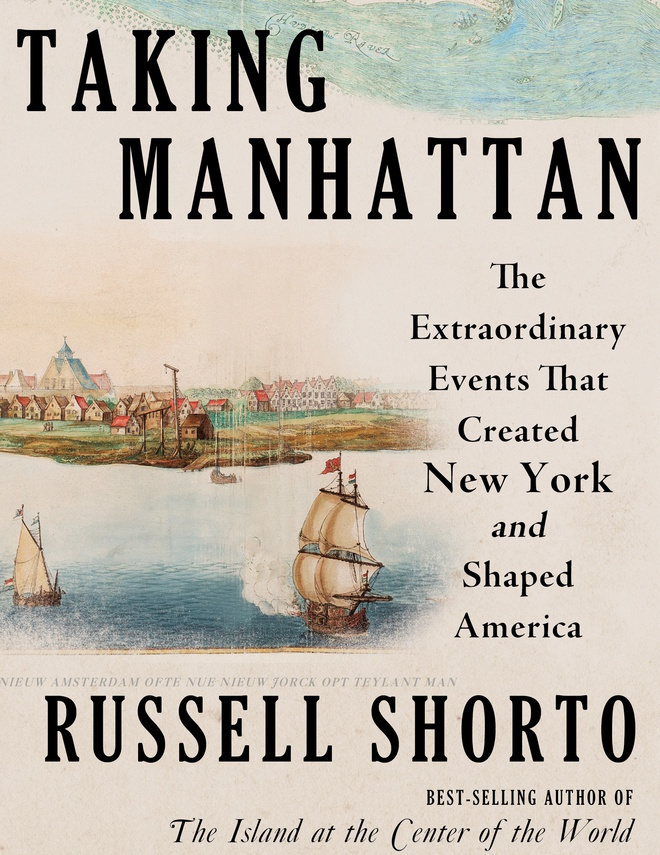
Voyages Maritime routes that shaped the Dutch North Atlantic world More → |
Zotero Bibliography Research Source: 17th century scholarly, non-fiction publications More → |
Genealogical Research What’s in a Name? Discover your ancestors’ origins More → |
Translations & Transitions Govert Loockermans, a Manhattan Merchant’s Correspondence & Papers More → |
Voyages Maritime routes that shaped the Dutch North Atlantic world More → |
Zotero Bibliography Research Source: 17th century scholarly, non-fiction publications More → |
Genealogical Research What’s in a Name? Discover your ancestors’ origins More → |

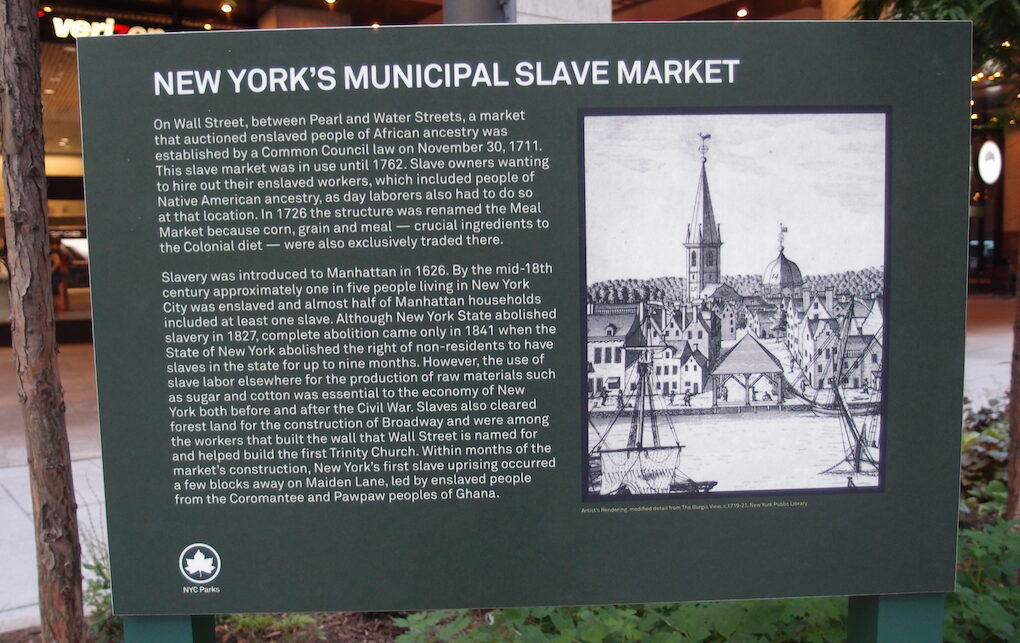
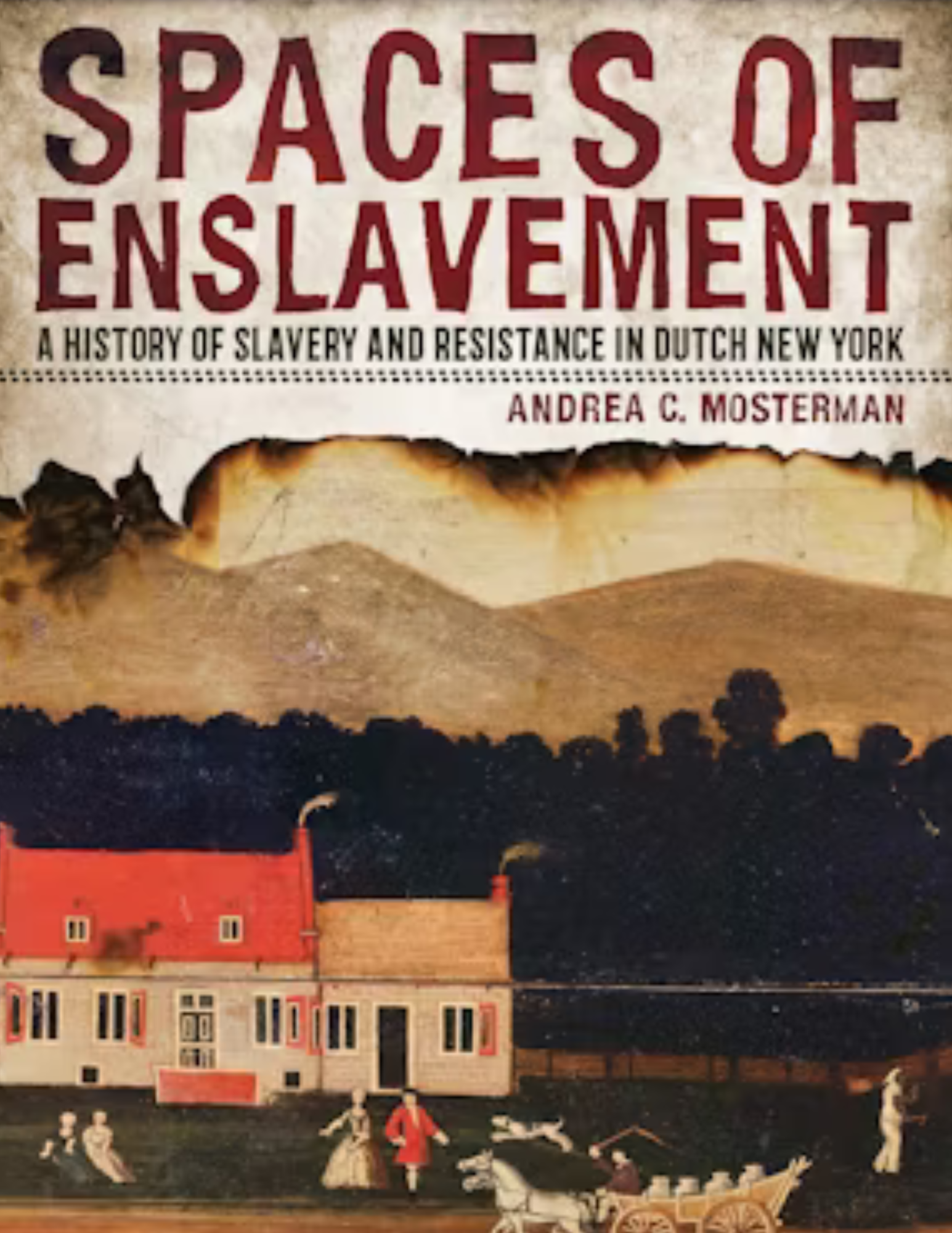
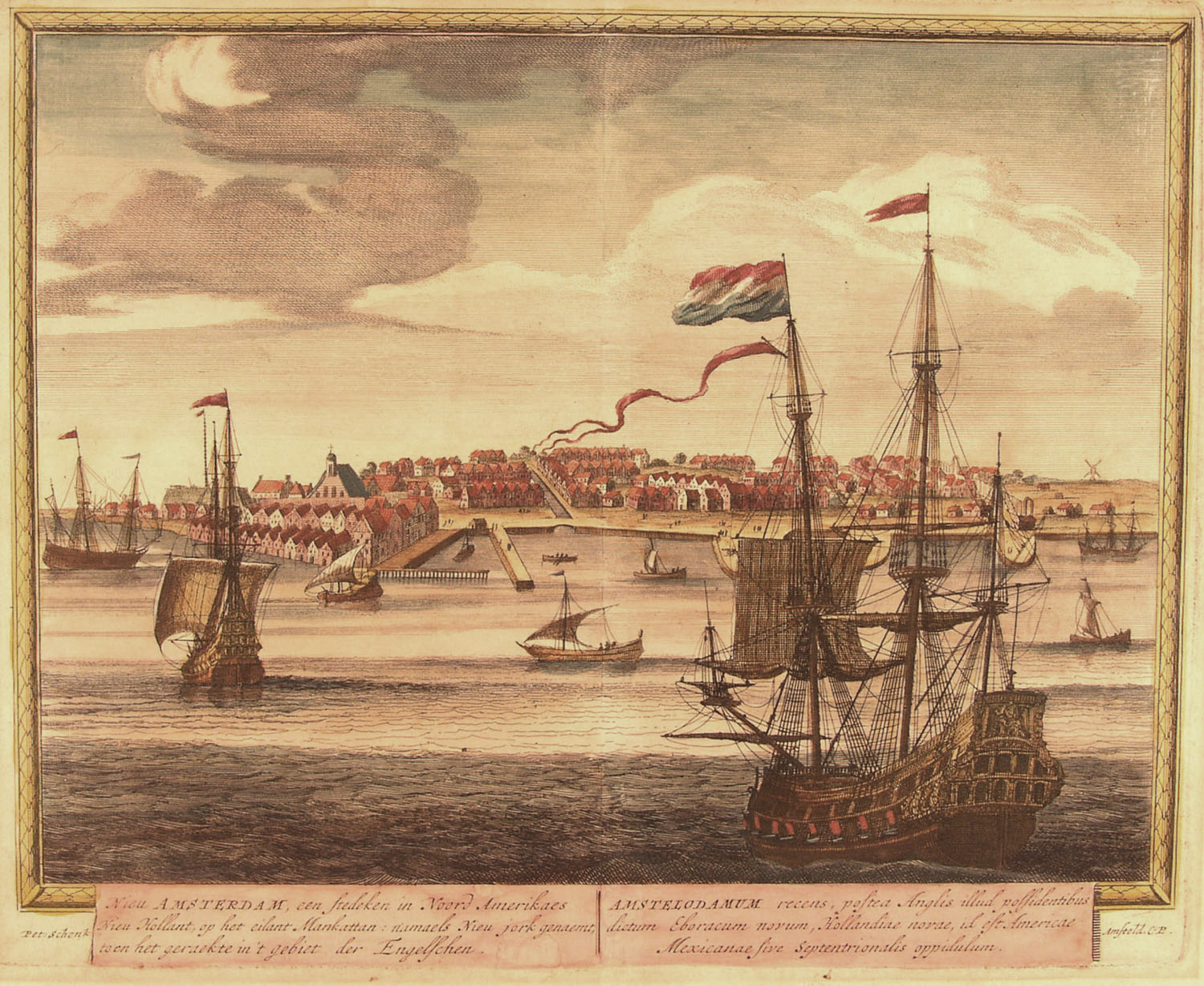
Slavery in New York changed considerably over the course of these two hundred years. The lives of New Netherland’s enslaved population looked nothing like those of the men, women, and children who would be traded at the Wall Street slave market a century later. Manuel de Gerrit de Reus, Sijmon Congo, and Paulo Angola were among the first enslaved men who lived in New Netherland. They had been brought to the colony only a year or two after the first Europeans settled in the region, and as Company slaves they helped build the colony’s early infrastructure. New Netherland’s enslaved population often lived, worked, and worshipped beside free white settlers. Unlike their eighteenth-century counterparts, some of these enslaved people earned wages, owned property, married and baptized their children in the Dutch Reformed Church, obtained conditional freedom, and received farmland in Manhattan.
Because New Netherland’s enslaved population did not leave any written records, their stories often remain untold. Thankfully, court records, land deeds, church records, and official correspondence, among others, do mention Manuel de Gerrit de Reus, Sijmon Congo, Paulo Angola, and many of their fellow enslaved Africans, thus leaving invaluable resources that allow us to tell at least part of their stories. Like the plaque and monument in Lower Manhattan, this exhibit hopes to draw attention to this important part of New York history, a history that is often forgotten.
Exhibit Credits
This exhibit was developed by Andrea Mosterman, assistant professor in Atlantic History at the University of New Orleans.
With special thanks to Dr. Dennis Maika for his editorial assistance and Steve McErleane for his technical skill and support.
WHAT WAS NEW NETHERLAND?
We use cookies to enhance your experience on our site. By continuing, you agree to our use of cookies. See our privacy policy page for the details.
Welcome! You can explore everything you're looking for in the NNI library. Simply type a keyword into the search bar and press Enter to begin your search.
Sign in to access exclusive features and keep track of your favorite content on NNI!
New membership are not allowed.
For over three decades, NNI has helped cast light on America's Dutch roots. In 2010, it partnered with the New York State Office of Cultural Education to establish the New Netherland Research Center, with matching funds from the State of the Netherlands. NNI is registered as a 501(c)(3) non-profit organization. Contributions are tax-deductible to the extent permitted by law.