


Ralph Voorhees (1835–1907) and his wife Elizabeth Rodman Voorhees were philanthropists whose charitable gifts supported education, including the founding of Voorhees College and major donations to Rutgers and several American colleges.
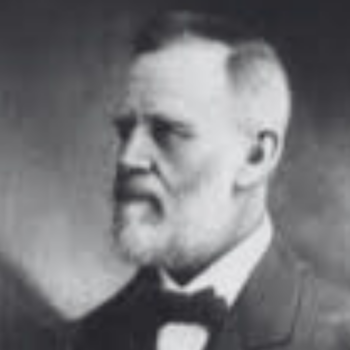
Nelson Holmes Van Vorhes (1822–1882) was an Ohio newspaper editor, Civil War officer, and Republican politician who represented Ohio in the U.S. House of Representatives from 1875 to 1879 after years of service in Ohio state politics.
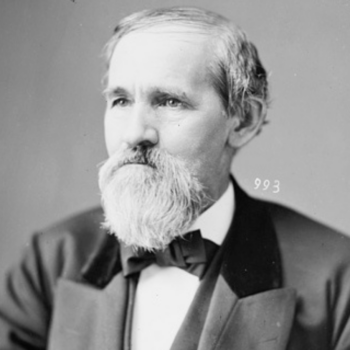
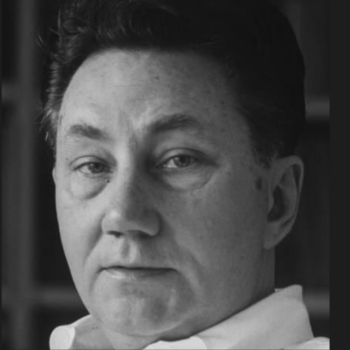
Nelson Holmes Van Vorhes (1822–1882) was an Ohio newspaper editor, Civil War officer, and Republican politician who represented Ohio in the U.S. House of Representatives from 1875 to 1879 after years of service in Ohio state politics.
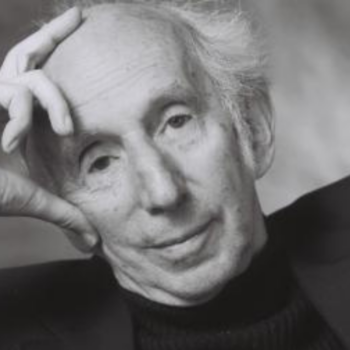
Leo Vroman (1915–2014) was a Dutch-born hematologist and poet who settled in the United States and became one of the most celebrated modern Dutch-language poets while maintaining a distinguished scientific career.
Frans de Waal (1948–2024) was a Dutch-American primatologist and author whose research on chimpanzees and other primates reshaped understanding of empathy, cooperation, and conflict in animal and human behavior.

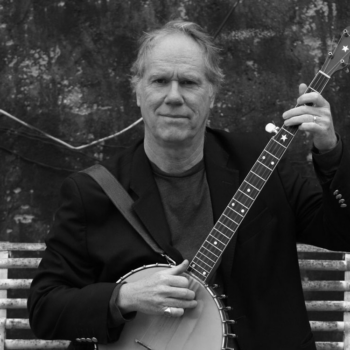
Loudon Wainwright III (b. 1946) is an American folk singer, songwriter, and actor known for humorous and autobiographical songs, including the hit “Dead Skunk,” and for a long recording career spanning dozens of albums.