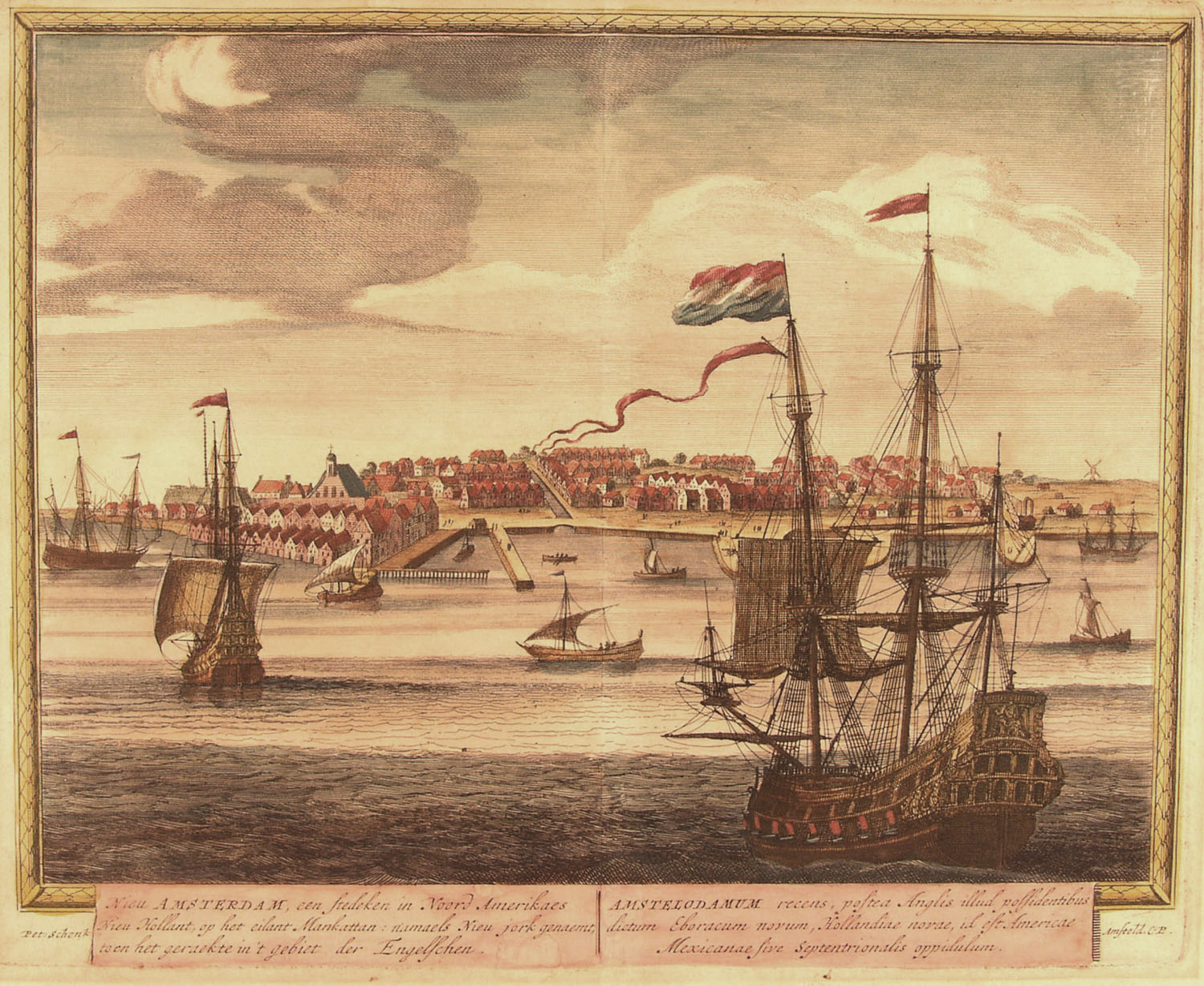
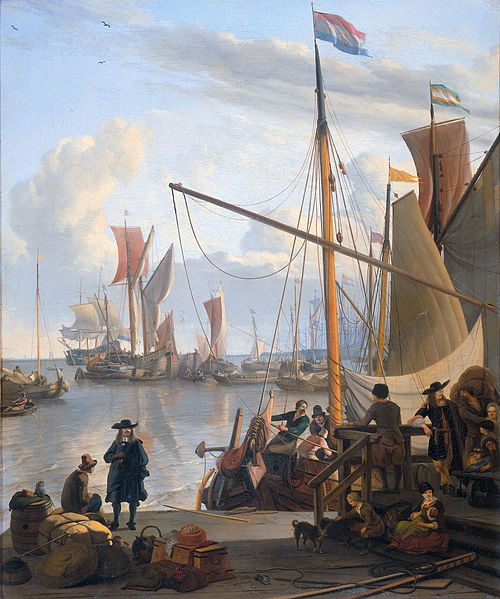

In 1614, Dutch traders built Fort Nassau on Castle Island for fur trade with inland natives. Despite strategic placement, flooding forced its abandonment by 1618, delaying permanent Dutch settlement.
John Moolenaar (b. 1961) is a Republican U.S. Representative from Michigan’s 4th Congressional District, first elected in 2014. A former Michigan state legislator, he serves on the Agriculture, Budget, and Science, Space and Technology committees and advocates for Great Lakes protection and small business growth.

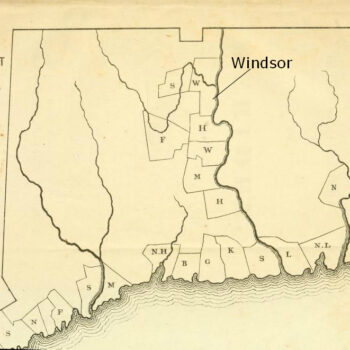
In 1633, Dutch forces at House of Hope watched as Englishman William Holmes defied threats and sailed upriver to found Windsor—the first permanent European settlement in Connecticut.
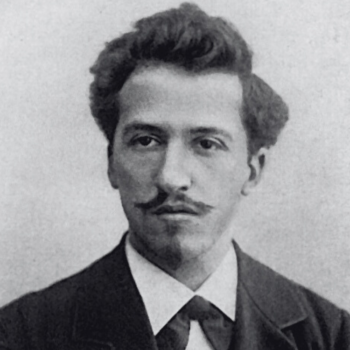
Piet Mondrian (1872–1944) was a Dutch modernist painter and co-founder of De Stijl. After fleeing war-torn Europe, he spent his final years in New York, where he created some of his most celebrated abstract works.
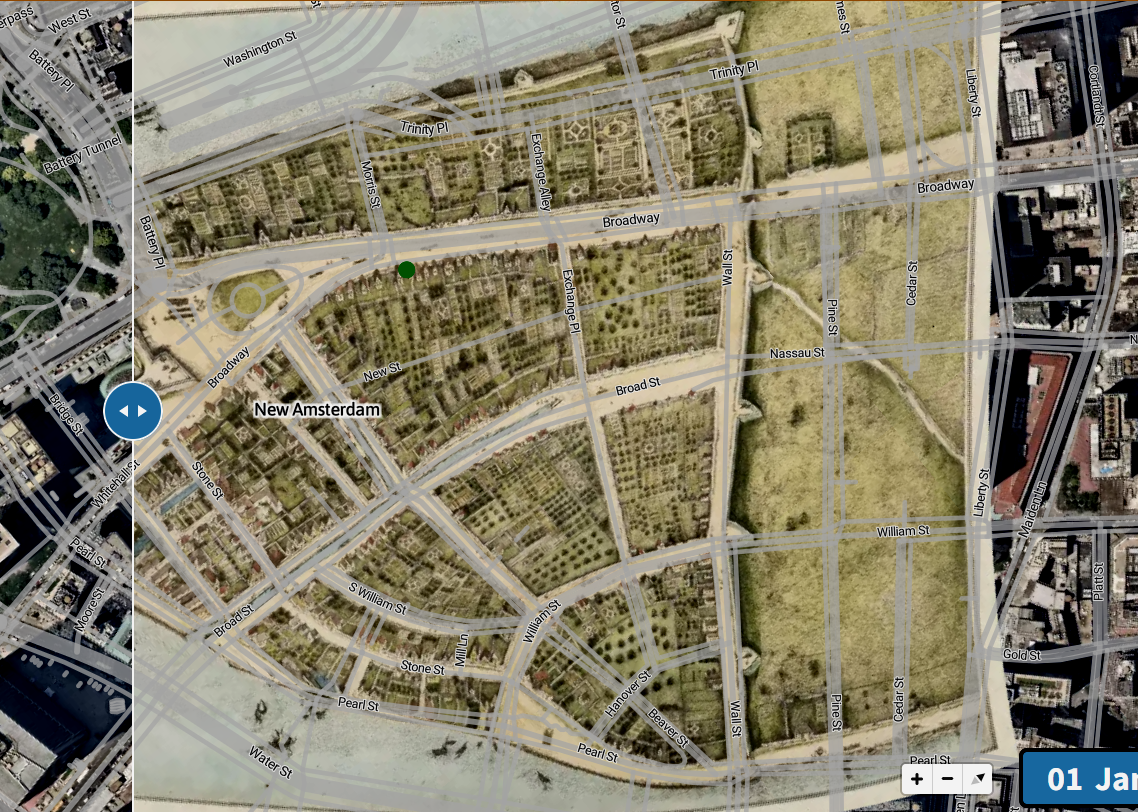
The capital city of New York has an unusually patchwork history. Needless to say, the area was under Dutch control before it fell into English hands, but even in the Dutch period there were three distinct entities that vied with one another over territory and rights.
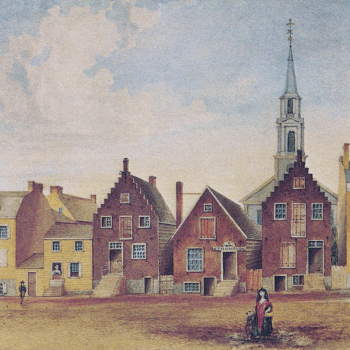
Peter Minuit (c.1580–1638), a Walloon-born merchant and diamond cutter, served as Director-General of New Netherland from 1626 to 1631. He is best known for purchasing Manhattan from the Lenape for 60 guilders. Later, he helped establish the Swedish colony of New Sweden.
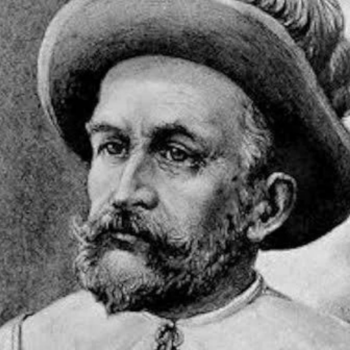
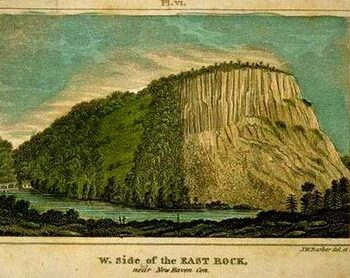
In 1614, Adriaen Block named Rodenbergh after red hills near a promising harbor. Though Dutch traders visited, English settlers soon dominated, founding a town led by minister John Davenport.
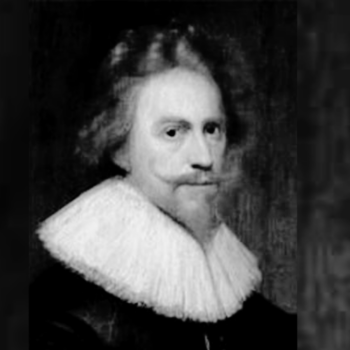
Cornelius Jacobsen Mey (fl. early 1600s) was the first director of New Netherland in 1624, appointed by the Dutch West India Company. A seasoned explorer and trader, he led early Hudson and Delaware expeditions. Cape May, New Jersey, was named in his honor.
The site of Mason’s massacre of Pequots in 1637 Pequot village diorama, from the Mashantucket Peqout Museum. Source: The tribe-owned Mashantucket Pequot Museum and Research...

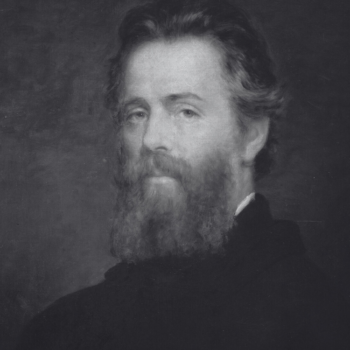
Herman Melville (1819–1891) was an American novelist and sailor best known for Moby-Dick (1851). Drawing on his seafaring experiences, he wrote influential maritime fiction that later secured his reputation as a major figure in American literature.