

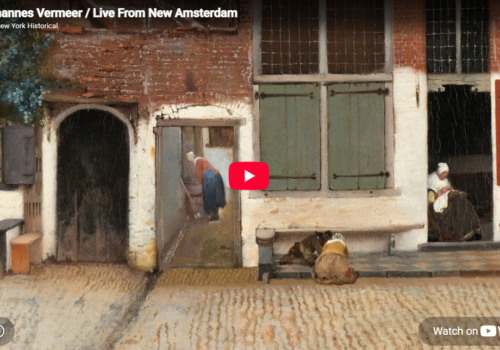
In his new biography, Vermeer: A Life Lost and Found (Norton, 2026), Andrew Graham-Dixon offers a startling new perspective on one of history’s most beloved artists. Join Russell Shorto as he talks to Graham-Dixon about Vermeer's unique milieu and recounts the detective work that led him to unravel these mysterious paintings.
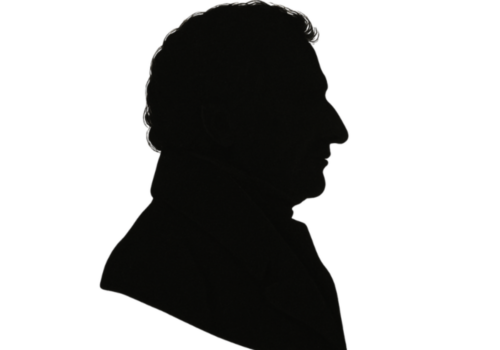
Jan Vigne was among the earliest Europeans born in New Netherland, likely in 1624. The son of Huguenot immigrants, he later became a brewer, landowner, and civic official in New Amsterdam.
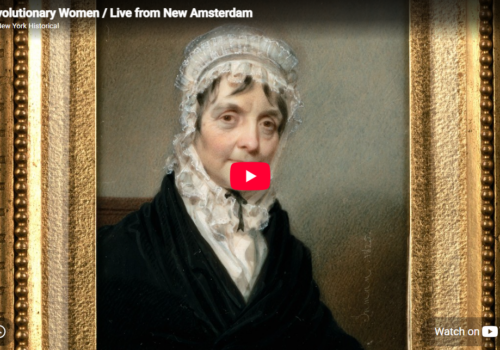
Histories of the Revolutionary War usually focus on men, but women played an important part in the war, too. Join New Netherland Institute director Deborah Hamer as she talks to Dr. Anna Danziger Halperin, Director of the Center for Women's History at New York Historical, about the new exhibition Revolutionary Women (opening May 29) Learn more about what women did during the American Revolution and how New York's women coped with the British occupation.
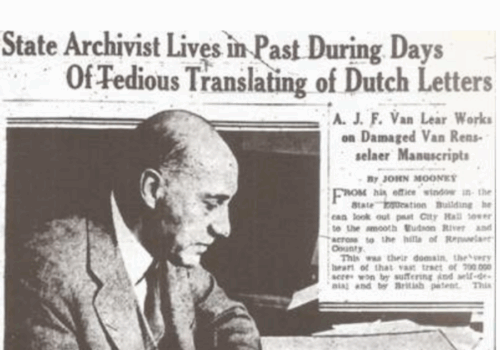
A.J.F. van Laer, though little known outside New Netherland scholarship, laid the foundation for modern study of the colony. His meticulous translations of 17th-century Dutch records remain essential, shaping the work that continues through today’s New Netherland Project.
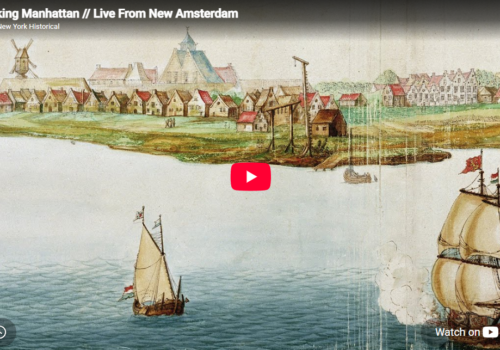
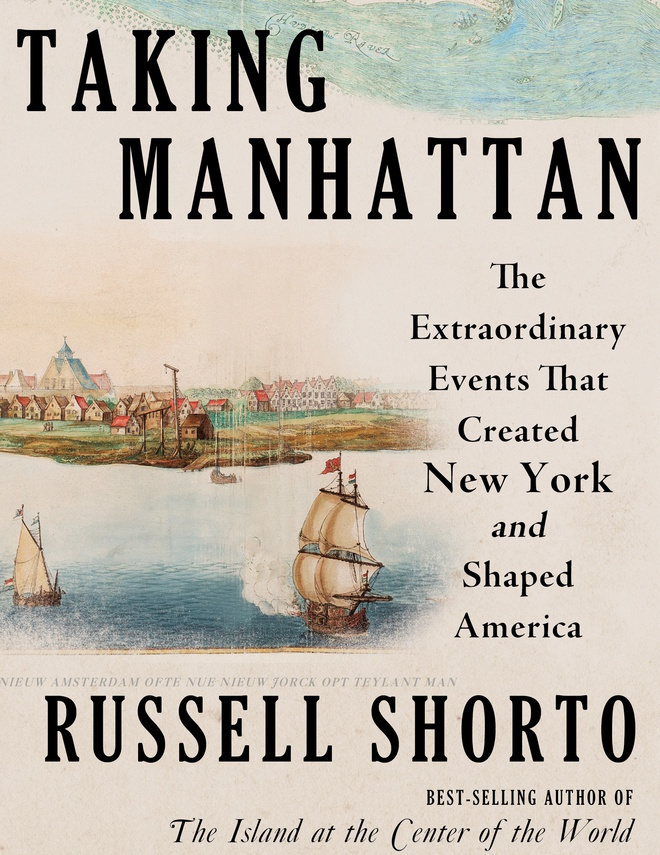
NNI director Deborah Hamer talks to Russell Shorto, director of the New Amsterdam Project at The New York Historical and senior scholar at the NNI, about his book "Taking Manhattan: The Extraordinary Events Created New York and Shaped America."
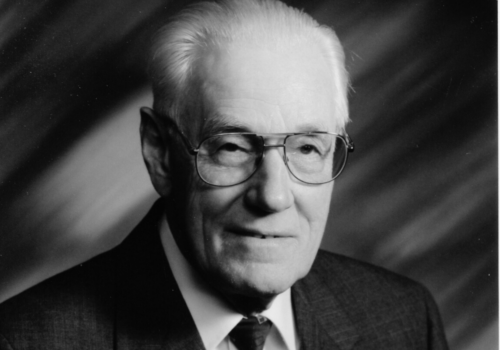
Gary Vermeer was an American entrepreneur who founded Vermeer Manufacturing in Pella, Iowa, in 1948. His innovations in agricultural machinery helped transform modern farming equipment and built a global manufacturing company.
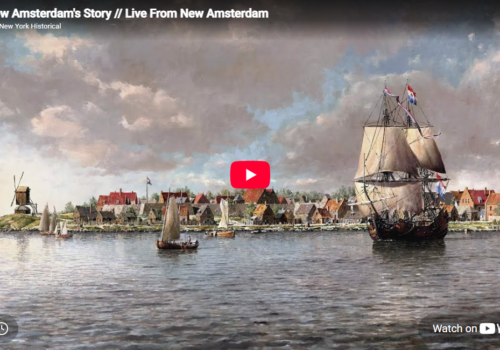
Russell Shorto, author and Director of the New Amsterdam Project, and Allyson Schettino, Director of Curriculum and Instruction, explore how we share New Amsterdam's legacy with the public through education, primary sources, and stories.
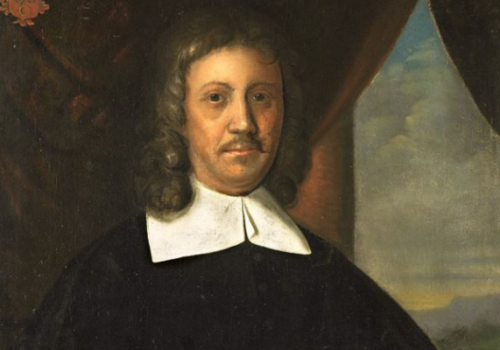
How Jan van Riebeeck’s 1652 landing at the Cape laid the foundation for Cape Town, shaping South Africa’s history, culture, and language.
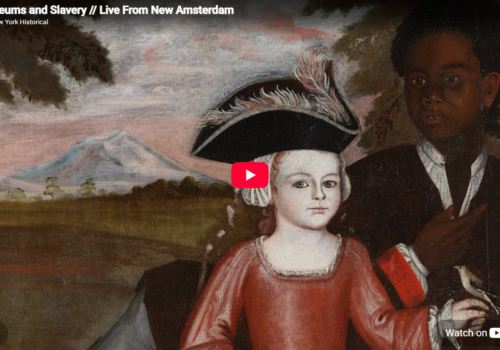
Deborah Hamer, the director of the New Netherland Institute in Albany, New York, talks to Sarah Mallory, the Annette and Oscar de la Renta Assistant Curator of Drawings and Prints at the Morgan Library & Museum, about Mallory’s new edited volume, a collection of essays titled "Art Museums and the Legacies of the Dutch Atlantic Slave trade: Curating Histories, Envisioning Futures."
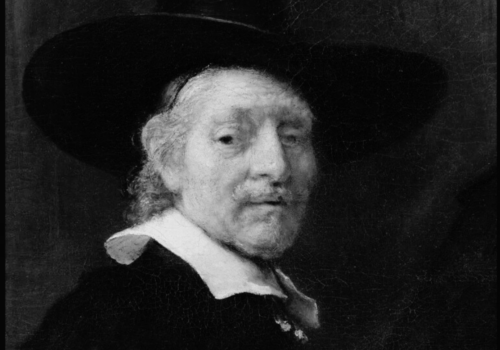
Willem Verhulst was the second director of the Dutch colony of New Netherland, serving in 1625–1626. He oversaw early settlement efforts on Manhattan before being replaced by Peter Minuit.