

Amersfoort (Flatlands)
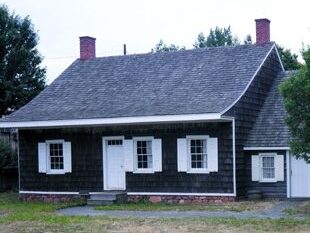
Wyckoff Farmhouse Museum
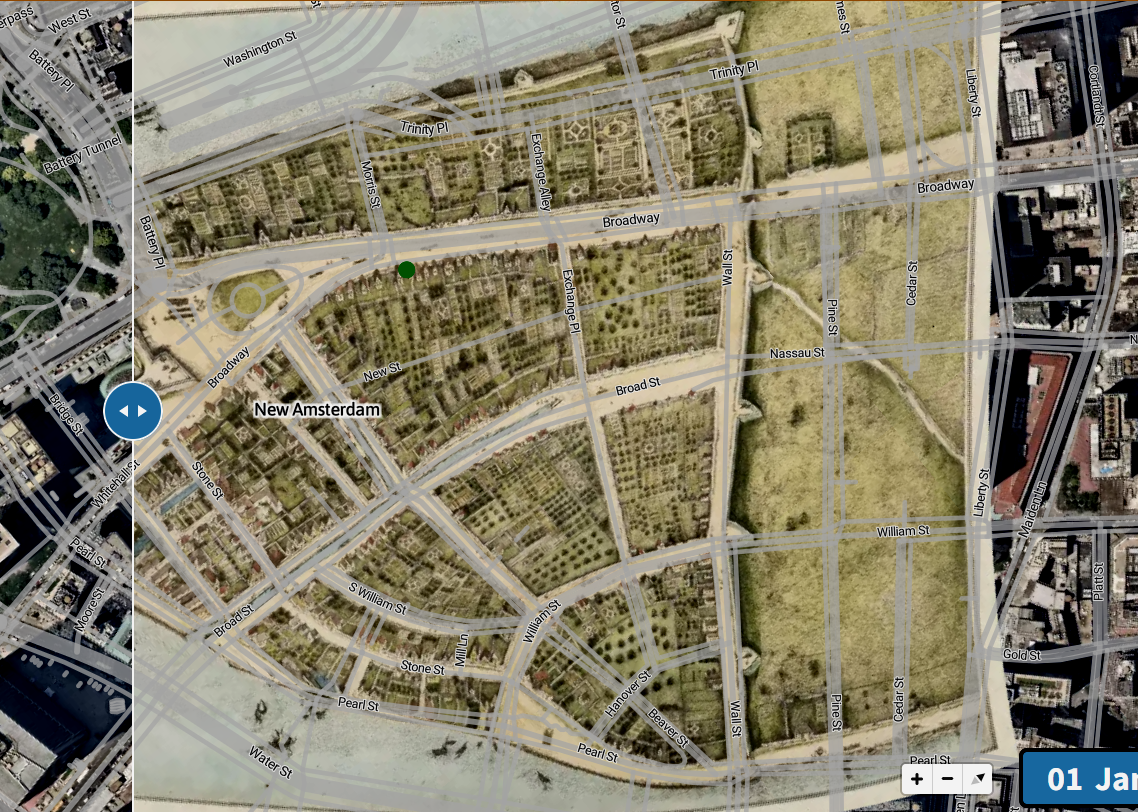
Beginning in 1636, a handful of New Amsterdam residents bought large tracts of farmland in an area of western Long Island in which the soil was unusually fertile. Eleven years later, there were enough residents to warrant naming the place as a town. Amersfoort recalled the city of Amersfoort, near Utrecht, in the Netherlands. By 1654, the town was sizable enough to have magistrates, militia officers, and of course taverns. The following year the neighboring town of Midwout, which was building a church for the use of all area residents, was forced to ask the council of New Netherland to order the citizens of Amersfoort to help cut and haul timber for the church. By 1656, the residents had taken on more responsibility for their religious welfare: they joined with Midwout in petitioning that the residents of Breuckelen help them pay for a minister for the church.
Under the English, Amersfoort became Flatlands. Today Flatlands is a neighborhood of southeast Brooklyn that occupies a small portion of the original town’s area.
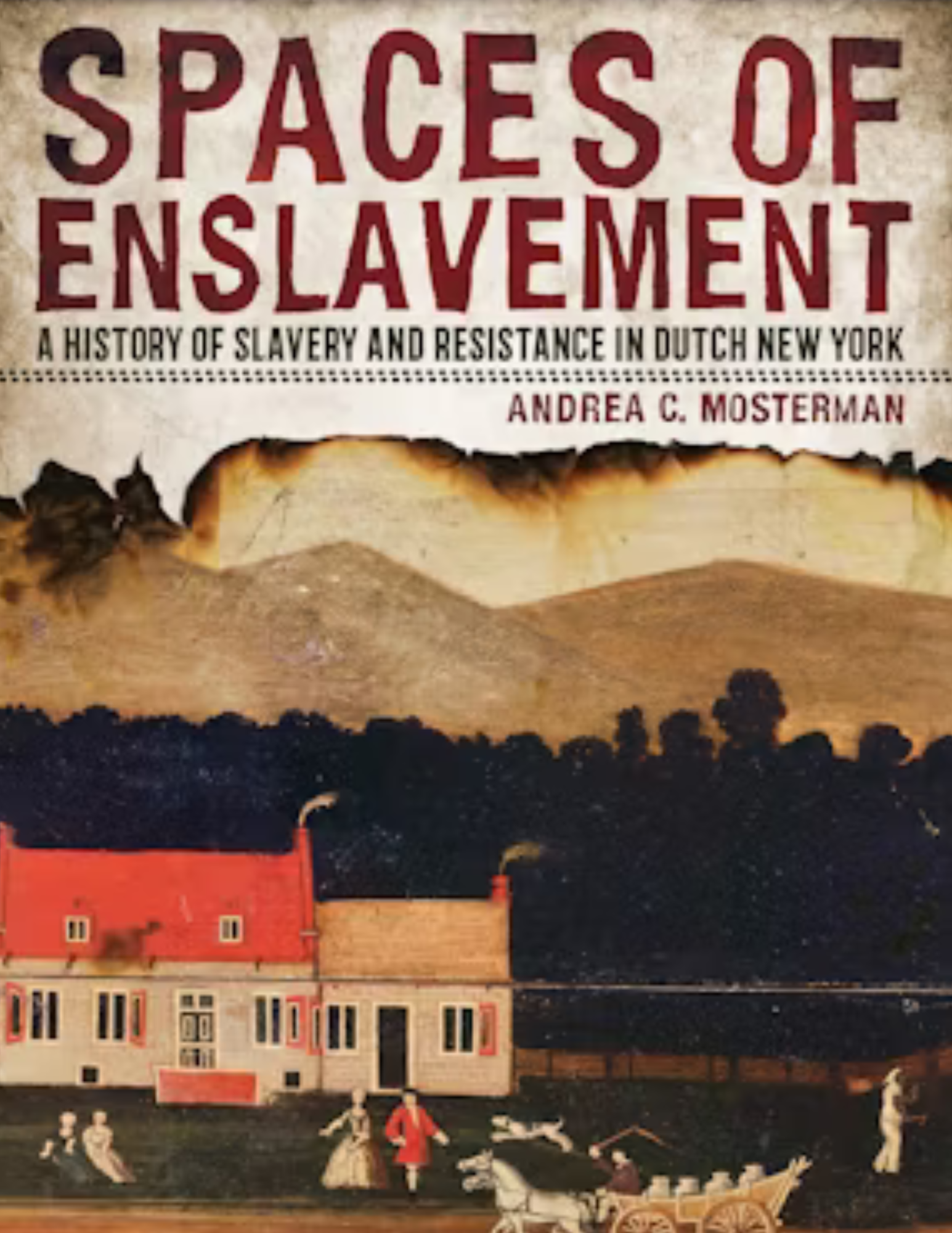
Pieter Claesen Wyckoff built his house in Amersfoort in 1652, and the (much renovated) building still stands, and is one of the oldest structures in New York.
See the museum.